Puerto de Barfleur
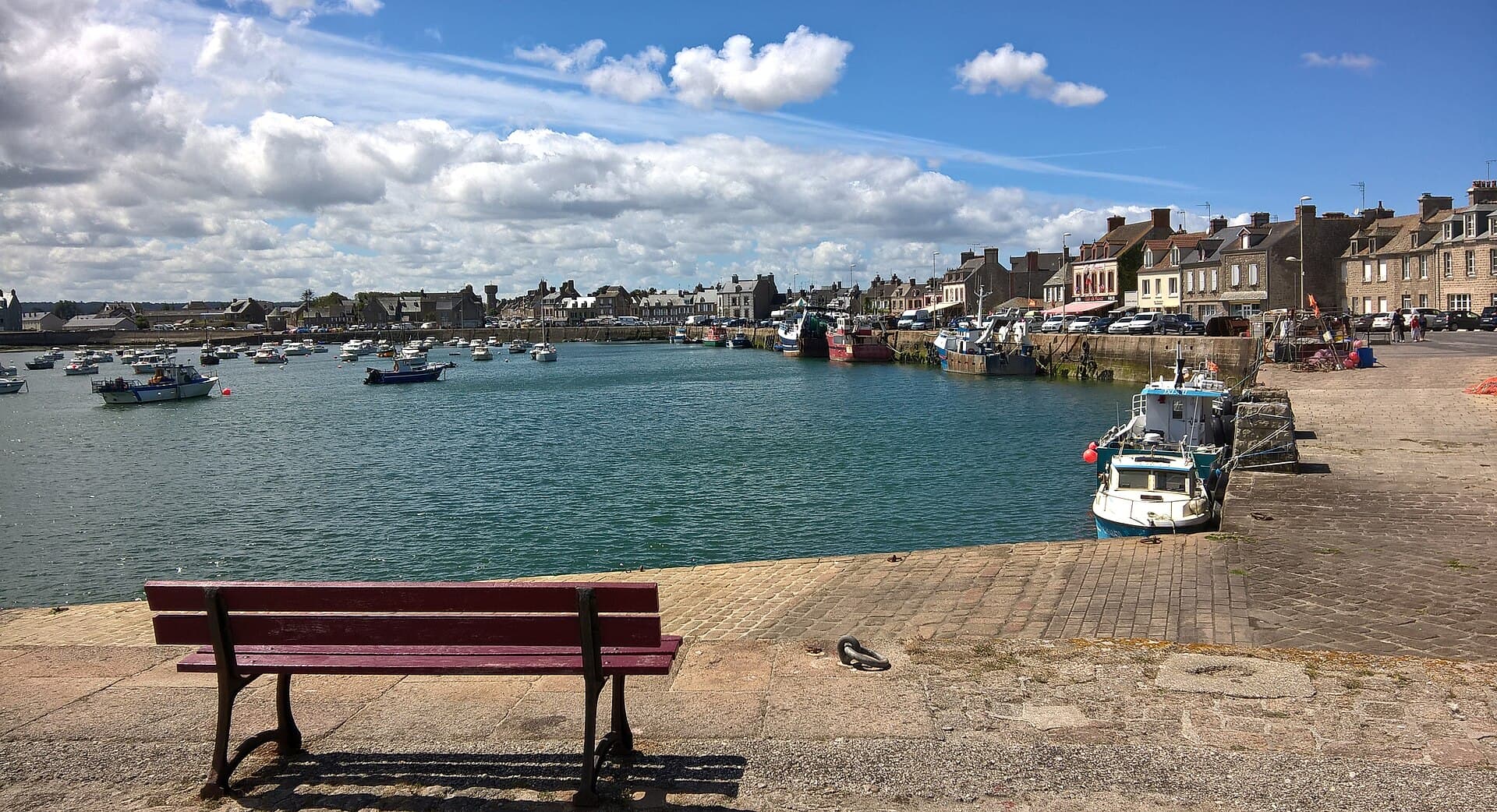
Una simple roca en el puerto de Barfleur esconde un secreto sobre un duque ambicioso y un punto de inflexión en la historia.
La historia completa se desbloquea en el tour
 JackyM59 / CC BY-SA 4.0, via Wikimedia Commons
Tour de audio autoguiado de Barfleur — ruta GPS a pie, reproducción offline, narración en 32 idiomas.
“Donde el granito se encuentra con el Canal y la historia perdura en la marea.”
No las postales. Las historias que ni los locales conocen — al oído, justo donde ocurrieron.
Una simple roca en el puerto de Barfleur esconde un secreto sobre un duque ambicioso y un punto de inflexión en la historia.
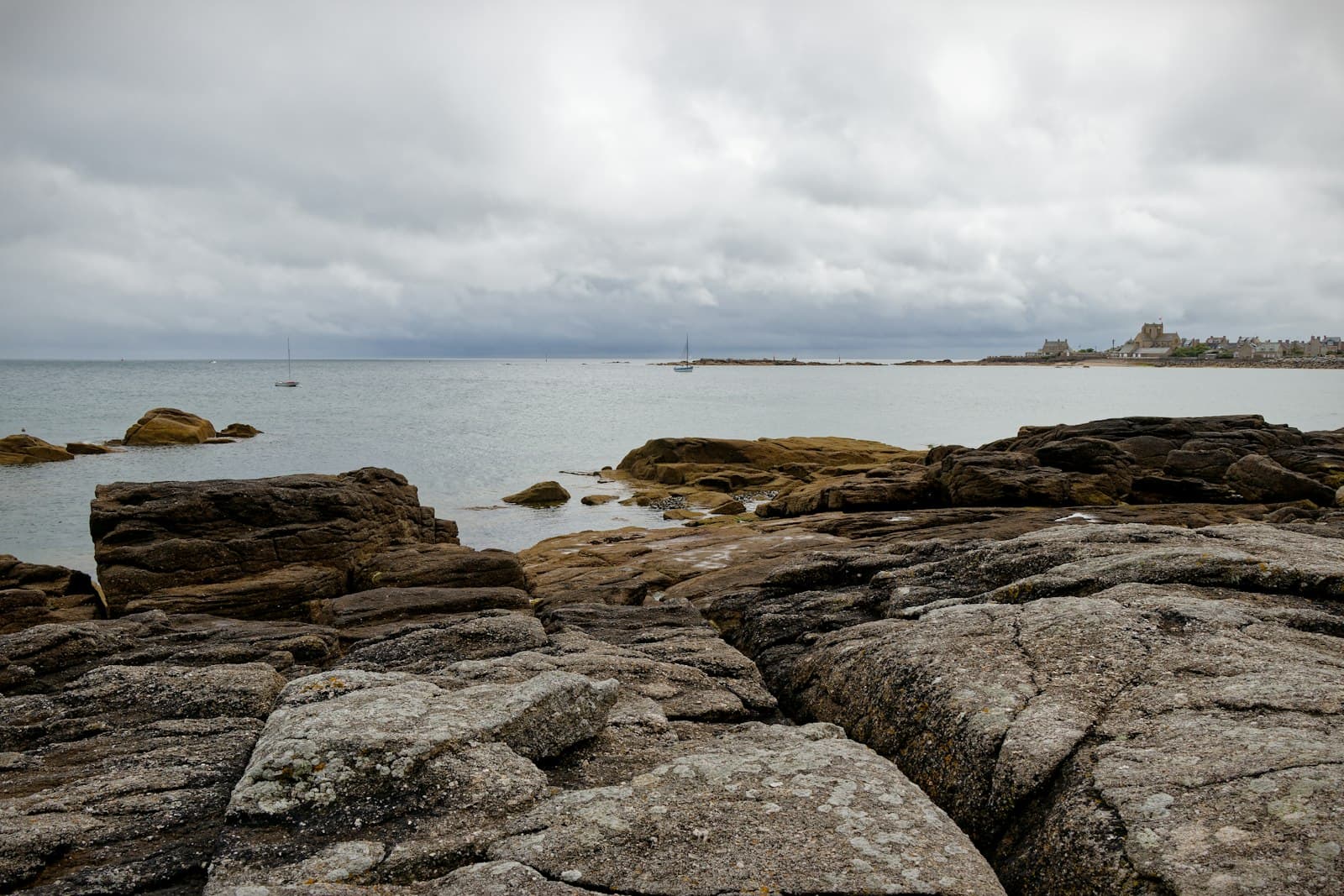
Las aguas de Barfleur guardan un relato de juerga, una carrera imprudente y un trágico naufragio que alteró el curso de la sucesión inglesa.
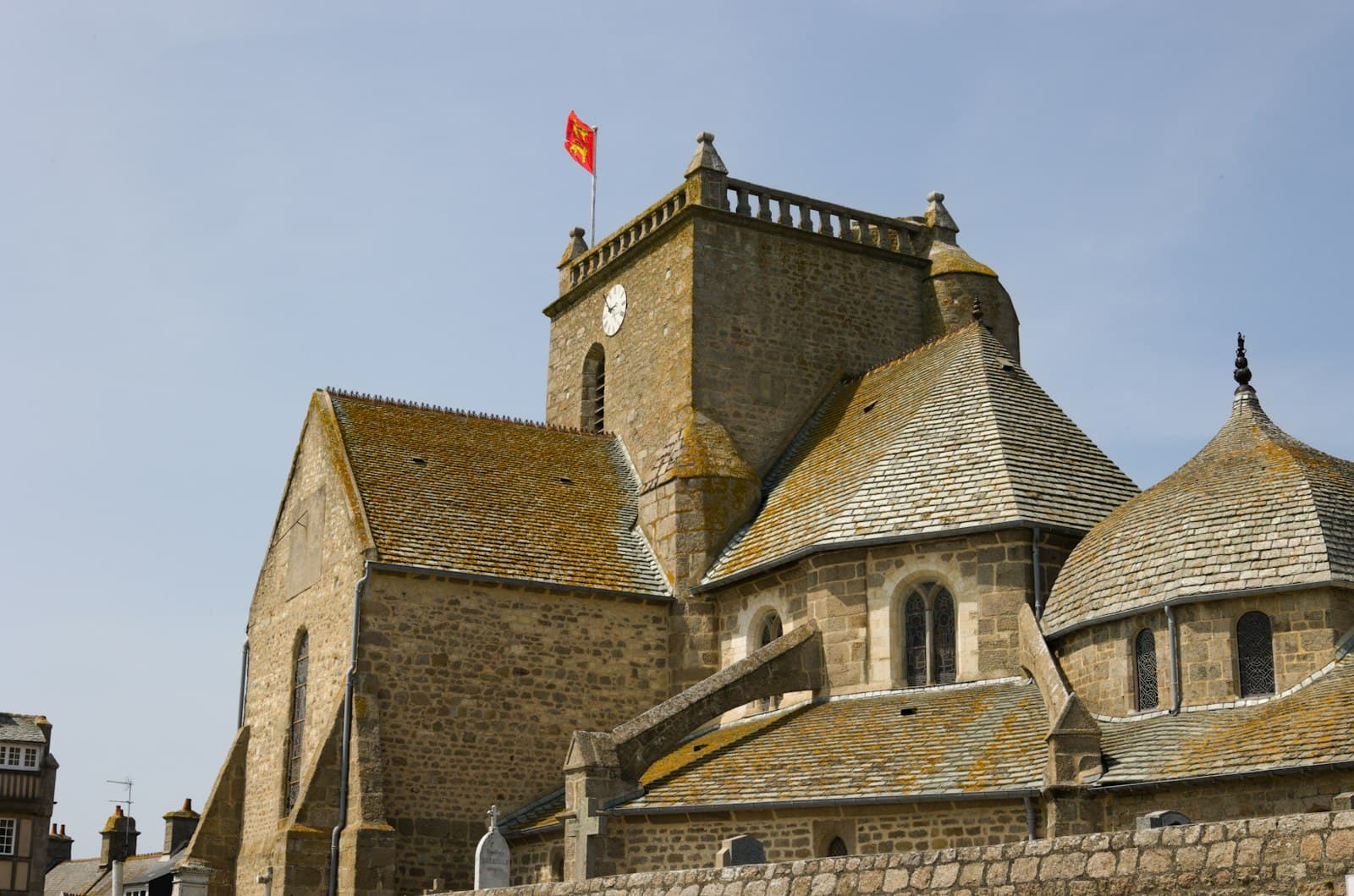
La Iglesia de Saint-Nicolas, con su robusto granito, revela una sorprendente conexión con una santa local y una particularidad arquitectónica.
Descubre todos los secretos de Barfleur
Cada dirección, cada revelación al completo — a tu oído, justo donde ocurrió.
Eliges tus paradas. Caminas. La voz te revela lo que los demás ignoran.

Tu tour de audioguía por Barfleur te espera — elige tus lugares, tu idioma y empieza al llegar.
ComprarLume incluye una guía de realidad aumentada. Levanta el móvil y su cámara muestra la calle que tienes delante, con una flecha luminosa sobre la imagen real que siempre apunta a tu próxima parada — sin mapas que descifrar, sin giros equivocados. Como todo en Lume, funciona completamente sin conexión.
Barfleur, una comuna y pueblo pesquero en el extremo noreste de la península de Cotentin en Normandía, Francia, es oficialmente reconocido como uno de "Les Plus Beaux Villages de France" (Los pueblos más bellos de Francia). Su nombre proviene del nórdico antiguo, lo que refleja su historia de asentamiento vikingo. Este puerto de marea, con sus casas de granito y su activo puerto pesquero, ha cautivado a pintores como Signac y sigue inspirando a los visitantes con su luz siempre cambiante y su ritmo marítimo.
El pueblo mantiene una sensación auténtica, en gran parte intacto por el turismo masivo, ofreciendo una visión de un puerto pesquero normando tradicional. Un paseo por sus muelles revela redes de arrastre, dragas, trampas y redes coloridas, junto a embarcaciones de recreo, todo ello con el telón de fondo de residencias burguesas de los siglos XVII y XVIII construidas con granito gris local. Barfleur es reconocido por sus mejillones salvajes, conocidos como "Blonde de Barfleur", una delicia local.
Con vistas al Canal de la Mancha, Barfleur mantiene fuertes lazos históricos con Inglaterra, sirviendo como un puerto significativo durante siglos de historia anglo-normanda. Su patrimonio conservado, combinado con su activa vida portuaria y su belleza escénica, lo convierte en un destino atractivo para quienes buscan una mezcla de historia, cultura y encanto costero.
Los orígenes de Barfleur se remontan al siglo X, cuando los invasores vikingos de Escandinavia se asentaron a lo largo de la costa norte de Cotentin, una región conocida como la "Costa Vikinga". El nombre del pueblo en sí deriva del nórdico antiguo, el idioma de estos primeros colonos escandinavos. En el siglo XI, Barfleur había alcanzado prominencia como uno de los puertos más importantes de Normandía.
Un momento crucial en la historia anglo-normanda ocurrió en 1066 cuando la flota de Guillermo el Conquistador, liderada por su barco Mora con Etienne de Barfleur como timonel, partió de Barfleur para conquistar Inglaterra en la Batalla de Hastings. Este evento solidificó el estatus de Barfleur como el principal puerto de Normandía, un papel que mantuvo durante siglos, facilitando el paso de muchos duques de Normandía y reyes de Inglaterra a su reino.
Sin embargo, la historia marítima de Barfleur también está marcada por la tragedia. En 1120, el infame 'Barco Blanco', que transportaba a Guillermo Adelin, el único heredero legítimo del rey Enrique I de Inglaterra, se hundió frente a la costa de Barfleur. La pérdida de aproximadamente 300 vidas, incluidos muchos nobles anglo-normandos, debido a una combinación de consumo excesivo de alcohol y el impacto contra una roca, provocó una grave crisis de sucesión en Inglaterra y un período de guerra civil conocido como La Anarquía. Según se informa, el rey Enrique I nunca volvió a sonreír después de la noticia.
El pueblo sufrió una mayor destrucción en 1348 cuando fue incendiado por Eduardo III de Inglaterra, y posteriormente devastado varias veces durante los siglos XV y XVI. En consecuencia, poco queda de su pasado medieval, salvo el patio de Sainte-Catherine, que alberga la única casa medieval que se conserva. El puerto, tal como aparece hoy en día, fue reconstruido en el siglo XIX, con los distintivos edificios de granito bajo que caracterizan el pueblo.
Barfleur también desempeñó un papel en conflictos posteriores, incluida la Batalla de Barfleur en 1692, parte de la Guerra de la Gran Alianza, y fue ocupado por los alemanes durante la Segunda Guerra Mundial. Tras la invasión del Día D en 1944, el comandante alemán evacuó la ciudad para evitar daños, y el puerto fue posteriormente utilizado por las fuerzas aliadas para suministros de guerra.
Comience su exploración con un paseo por el Quai Henri Chardon, el corazón del activo puerto pesquero de Barfleur. Aquí, podrá observar a los arrastreros descargando su pesca, rodeados de coloridas redes de pesca, trampas y cuerdas. Disfrute de la vista del puerto, donde los barcos de colores brillantes flotan con la marea alta o descansan de lado con la marea baja. El puerto es también un lugar privilegiado para saborear la especialidad local, los mejillones "Blonde de Barfleur", en uno de los restaurantes o creperías del muelle.
Al final del muelle, se encuentra la Iglesia de Saint-Nicolas, un Monumento Histórico construido entre los siglos XVII y XIX. Su exterior de granito, similar a una fortaleza, contrasta con un interior detallado que presenta obras de arte cristianas y vidrieras, algunas de Charles Lorin. Desde el camino que rodea la iglesia y su cementerio marítimo, se pueden disfrutar de amplias vistas de los criaderos de mejillones y el lejano Faro de Gatteville.
Un corto trayecto en coche o en bicicleta (aproximadamente 2 km) le llevará al Faro de Gatteville, el segundo más alto de Francia. Suba sus 365 escalones para disfrutar de amplias vistas de la costa y la región de Cotentin. De vuelta en el pueblo, pasee por las estrechas calles para admirar las típicas casas de granito con sus contraventanas blancas y tejados de esquisto azul, muchas de ellas datan de los siglos XVII y XVIII. Busque la casa donde vivió y pintó el pintor neoimpresionista Paul Signac. Para una perspectiva diferente, tome un crucero en barco desde el puerto para explorar la pintoresca costa de Normandía. También puede explorar el Cour Sainte-Catherine, que contiene la única casa medieval que se conserva en Barfleur.
La mejor época para visitar Barfleur es entre junio y septiembre, cuando las temperaturas son suaves, generalmente alrededor de los 18-20°C. Durante estos meses, el pueblo está animado, con terrazas de cafés abiertas y varios eventos, incluido el Festival Musical de Verano de Barfleur, que presenta conciertos de música clásica en la Iglesia de Saint-Nicolas. La luz cambiante del puerto de marea ofrece un espectáculo fascinante durante todas las estaciones. Si bien el verano ofrece el clima más cálido y la mayoría de las actividades, Barfleur conserva su encanto durante todo el año, incluso en invierno, cuando las olas rompen sobre el malecón.
Barfleur es accesible en coche, a menudo una opción conveniente para los visitantes que llegan en ferry desde la cercana Cherbourg. Cherbourg está a menos de 30 km, ofreciendo conexiones y atracciones como el museo marítimo Cité de la Mer. El aeropuerto de Caen-Carpiquet está a aproximadamente 80 minutos en coche, y París está a unas cinco horas en coche o tren.
Para el transporte local, el pueblo es lo suficientemente pequeño como para explorarlo a pie. Hay un sendero de descubrimiento de 3.1 km con paneles informativos alrededor del pueblo, y Barfleur también se encuentra en el GR 223, una ruta de senderismo costera de larga distancia. Los mercados se celebran todos los sábados durante todo el año en el muelle, con un mercado adicional los martes por la mañana durante la temporada de verano, ofreciendo pescado fresco, marisco y productos locales. Hay baños públicos e información turística disponibles dentro del pueblo. La moneda local es el Euro.
Barfleur en coreano, en chino o en hebreo — y 29 idiomas más, cada parada narrada por una voz nativa. La mayor variedad de idiomas de cualquier audioguía autoguiada.
Disponible en: