Apothicairerie de l'Hôtel-Dieu
Imaginez une pharmacie où les remèdes n'étaient pas seulement des herbes et des teintures, mais des ingrédients tout droit sortis d'un grimoire médiéval.
L'histoire complète se débloque dans le tour
 Unknown authorUnknown author / Public domain, via Wikimedia Commons
Visite audio autoguidée de Baugé — parcours GPS à pied, lecture hors ligne, narration en 32 langues.
“Là où les échos médiévaux rencontrent les secrets d'apothicaire.”
Pas les cartes postales. Les histoires que même les habitants ignorent — soufflées à l'oreille, là où elles se sont passées.
Imaginez une pharmacie où les remèdes n'étaient pas seulement des herbes et des teintures, mais des ingrédients tout droit sortis d'un grimoire médiéval.
Le château du Roi René, bien qu'imposant, recèle un secret de conception subtil qui révèle sa véritable vocation.
En parcourant la campagne environnante, vous remarquerez peut-être quelque chose de particulier sur les clochers des églises.
Découvrez tous les secrets de Baugé
Chaque adresse, chaque révélation en entier — dans ton oreille, là où elle s'est passée.
Tu choisis tes lieux. Tu marches. La voix te révèle ce que les autres ignorent.
Votre visite audioguidée de Baugé vous attend — choisissez vos lieux, votre langue, et lancez-vous dès votre arrivée.
AcheterLume intègre un guide en réalité augmentée. Levez votre téléphone : sa caméra montre la rue devant vous, avec une flèche lumineuse posée sur l'image réelle qui pointe toujours vers votre prochain arrêt — aucune carte à déchiffrer, aucun mauvais virage. Comme tout dans Lume, ça fonctionne entièrement hors-ligne.
Baugé, désormais partie de Baugé-en-Anjou, est une ville du département de Maine-et-Loire, dans l'ouest de la France, située entre les vallées de la Loire et du Loir. Cette région, historiquement connue sous le nom d'Anjou, offre un mélange de caractère médiéval et de campagne tranquille. La ville elle-même est une destination captivante, invitant les visiteurs à flâner dans ses quartiers historiques, à explorer son important patrimoine architectural et à découvrir la beauté naturelle de la région environnante.
Baugé-en-Anjou est reconnue comme une « Petite Cité de Caractère », un label qui témoigne de son architecture préservée et de son atmosphère authentique. Elle constitue un point de départ idéal pour explorer la plus vaste Vallée de la Loire et ses célèbres châteaux, tout en offrant une expérience plus intime et moins fréquentée. De ses origines millénaires à son attrait actuel, Baugé présente un voyage captivant à travers l'histoire, l'art et la nature.
## De forteresse à résidence royale Les origines de Baugé remontent au début du XIe siècle, lorsque Foulques III Nerra, le redoutable comte d'Anjou, ordonna la construction d'une forteresse. Ce bastion stratégique fut érigé sur un éperon rocheux au confluent des rivières Couasnon et Altrée, destiné à sécuriser les frontières orientales de son territoire contre de puissants voisins. Bien qu'il ne reste aucune trace du complexe original de Foulques Nerra aujourd'hui, le site a jeté les bases de la future ville.
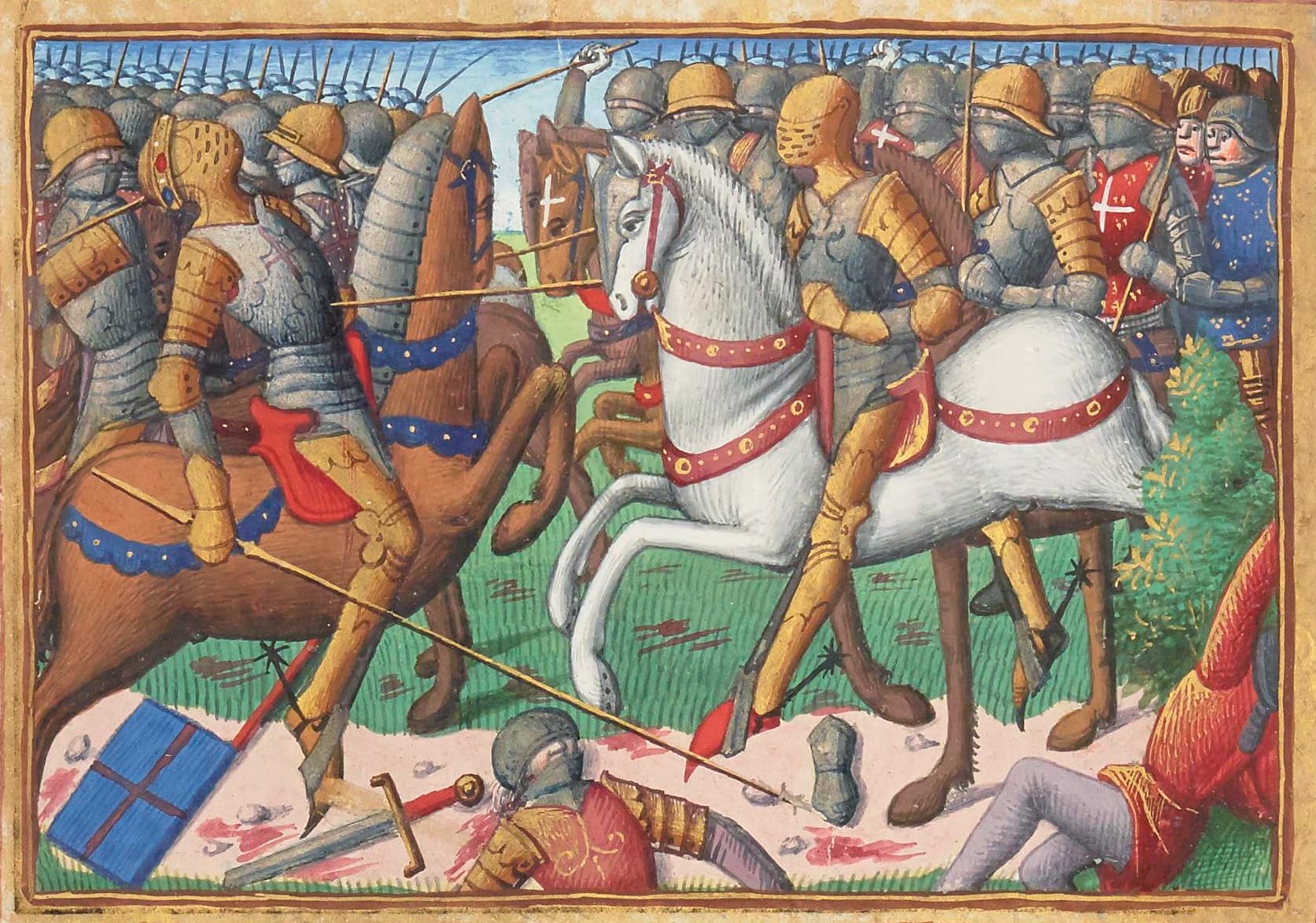
La ville a joué un rôle important pendant la Guerre de Cent Ans. En 1421, la Bataille du Vieil-Baugé fut une victoire décisive pour les troupes franco-écossaises sur la cavalerie anglaise, marquant la première défaite des Anglais depuis 1415. Plus tard, en 1436, la duchesse Yolande d'Aragon, pour empêcher sa capture par les Anglais, prit la difficile décision d'incendier la citadelle existante.
Son fils, René Ier d'Anjou, souvent appelé le « Bon Roi René », hérita des ruines en 1454. Entre 1454 et 1465, il commanda la construction d'un nouveau château, le Château de Baugé, qui devint l'une de ses résidences favorites. Ce château pré-Renaissance, conçu par l'architecte Guillaume Robin, était principalement un pavillon de chasse, reflétant l'amour de René pour la chasse et les arts. Après la mort de René en 1480, l'Anjou fut annexé à la Couronne de France.
Au XVIe siècle, Baugé fut autorisée à être fortifiée par le roi François Ier, ce qui entraîna la construction de remparts et de tours de guet, dont seules des portions subsistent aujourd'hui. La ville se développa comme un centre administratif, attirant la noblesse qui y construisit de grandes demeures. Le XVIIe siècle vit l'établissement de communautés religieuses et d'institutions caritatives, dont l'Hôtel-Dieu, qui abritait une remarquable apothicairerie. Au fil des siècles, le Château de Baugé connut diverses utilisations, des casernes de cavalerie et de l'hôtel de ville à un théâtre et un musée, subissant d'importantes restaurations à partir des années 1960.
Commencez votre exploration par le Château de Baugé, un château du XVe siècle qui fut une résidence favorite du Roi René d'Anjou. À l'intérieur, une visite son et lumière dans les combles éclaire la vie du Roi René, et une expérience immersive permet aux visiteurs d'imaginer des banquets royaux et d'explorer une forêt reconstituée. Le château abrite également le Musée d'Art et d'Histoire de Baugé.
Adjacent au château, l'Hôtel-Dieu invite à la découverte. Cet ancien hôpital médiéval, établi en 1650, présente une apothicairerie du XVIIe siècle remarquablement conservée, considérée comme l'une des plus belles de France, avec plus de 600 pots et bocaux de pharmacie. Vous pouvez également visiter la salle historique où les patients étaient soignés et une chapelle baroque.
Ne manquez pas la Vraie Croix d'Anjou, une relique vénérée exposée dans la Chapelle de la Girouardière. Elle contiendrait un morceau de la croix sur laquelle le Christ fut crucifié, rapporté par des croisés du XIIIe siècle. Pour un aperçu des particularités architecturales locales, recherchez les clochers tors des églises des villages voisins comme Le Vieil-Baugé et Pontigné.
Au-delà du centre-ville, la Forêt de Chandelais offre de nombreux sentiers de randonnée, offrant une évasion naturelle. Vous pouvez également trouver le Dolmen de « La Pierre Couverte » à Pontigné.
La période idéale pour visiter Baugé-en-Anjou et profiter d'un temps agréable et d'activités de plein air s'étend de mi-juin à mi-septembre. Durant ces mois, les températures sont généralement douces, juillet étant le mois le plus chaud, avec des moyennes maximales de 25°C (77°F) et minimales de 14°C (57°F). Le ciel est souvent le plus clair en juillet. Mai et septembre offrent également des conditions confortables pour l'exploration.
Baugé est située à environ 40 km à l'est d'Angers et 70 km de Tours. Bien qu'il n'y ait pas de services ferroviaires directs vers Baugé, des liaisons en bus sont disponibles depuis les gares SNCF de Saumur, Angers, La Flèche et Le Mans, à proximité. L'aéroport le plus proche est l'aéroport d'Angers – Loire, l'aéroport de Tours Val de Loire étant également à une distance de conduite raisonnable.
Une fois à Baugé, le centre-ville est accessible à pied, et l'office de tourisme, situé à l'intérieur du Château de Baugé, fournit des cartes pour une visite à pied autoguidée. Pour explorer la région plus large de Baugé-en-Anjou, une voiture est recommandée. Les options d'hébergement incluent des hôtels et des chambres d'hôtes. Parmi les spécialités culinaires locales à essayer, citons la tarte aux prunes, les bottereaux (une sorte de beignet) et la gouline (une spécialité locale).
Baugé en coréen, en chinois ou en hébreu — et dans 29 autres langues, chaque étape narrée par une voix native. La plus large gamme de langues de tous les audioguides autoguidés.
Disponible en :