L'église Notre-Dame de Béhuard
L'église abrite une précieuse Vierge en argent, bien qu'elle ne soit pas toujours exposée au public.
L'histoire complète se débloque dans le tour
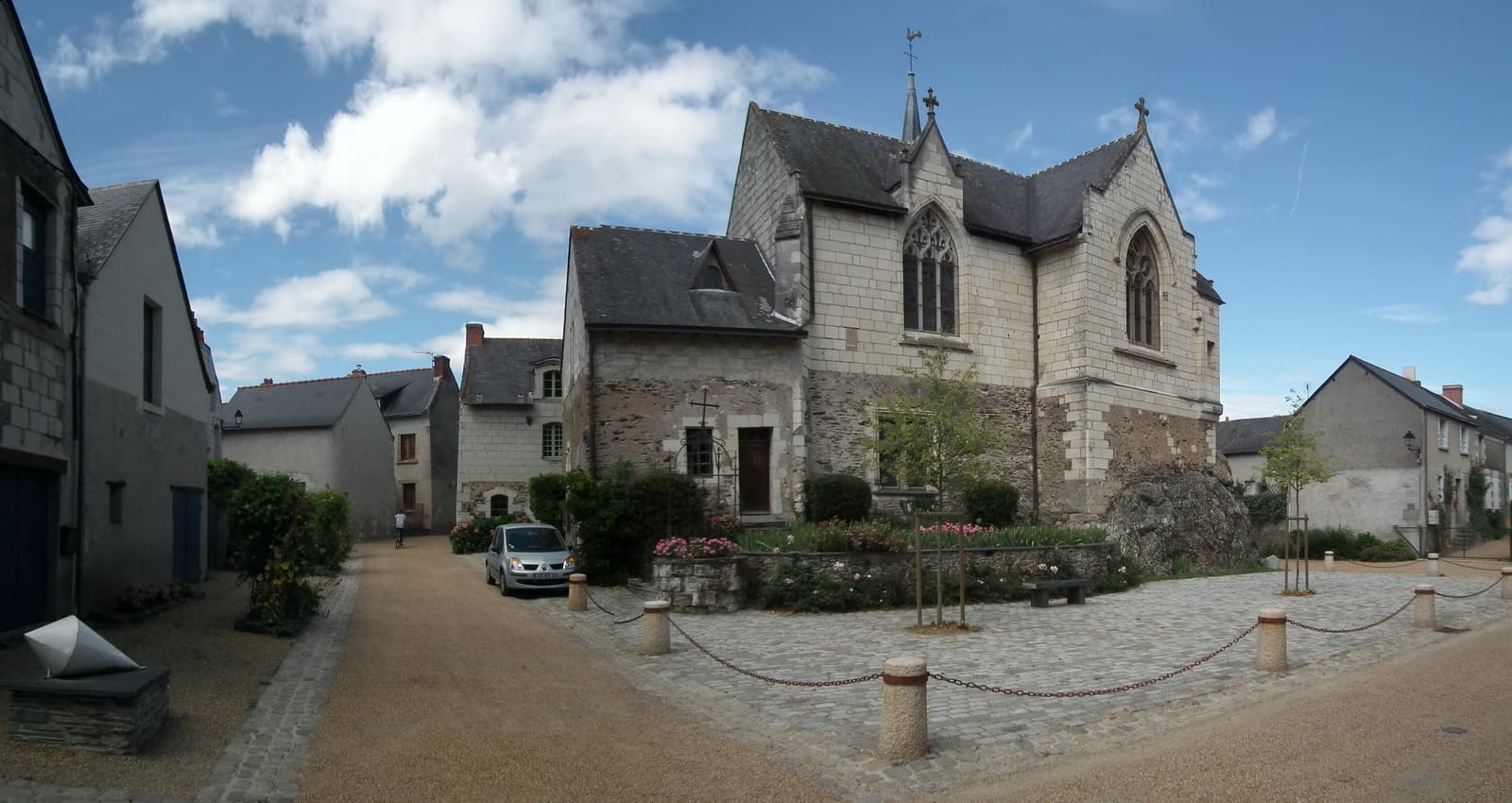 Mattana / CC BY-SA 3.0, via Wikimedia Commons
Visite audio autoguidée de Béhuard — parcours GPS à pied, lecture hors ligne, narration en 32 langues.
“Là où les courants de la Loire rencontrent des siècles de dévotion.”
Pas les cartes postales. Les histoires que même les habitants ignorent — soufflées à l'oreille, là où elles se sont passées.
L'église abrite une précieuse Vierge en argent, bien qu'elle ne soit pas toujours exposée au public.
Ce village insulaire n'a pas toujours été une seule étendue de terre.
Une évasion périlleuse d'un naufrage a entraîné la construction du monument le plus important de Béhuard.
Découvrez tous les secrets de Béhuard
Chaque adresse, chaque révélation en entier — dans ton oreille, là où elle s'est passée.
Tu choisis tes lieux. Tu marches. La voix te révèle ce que les autres ignorent.
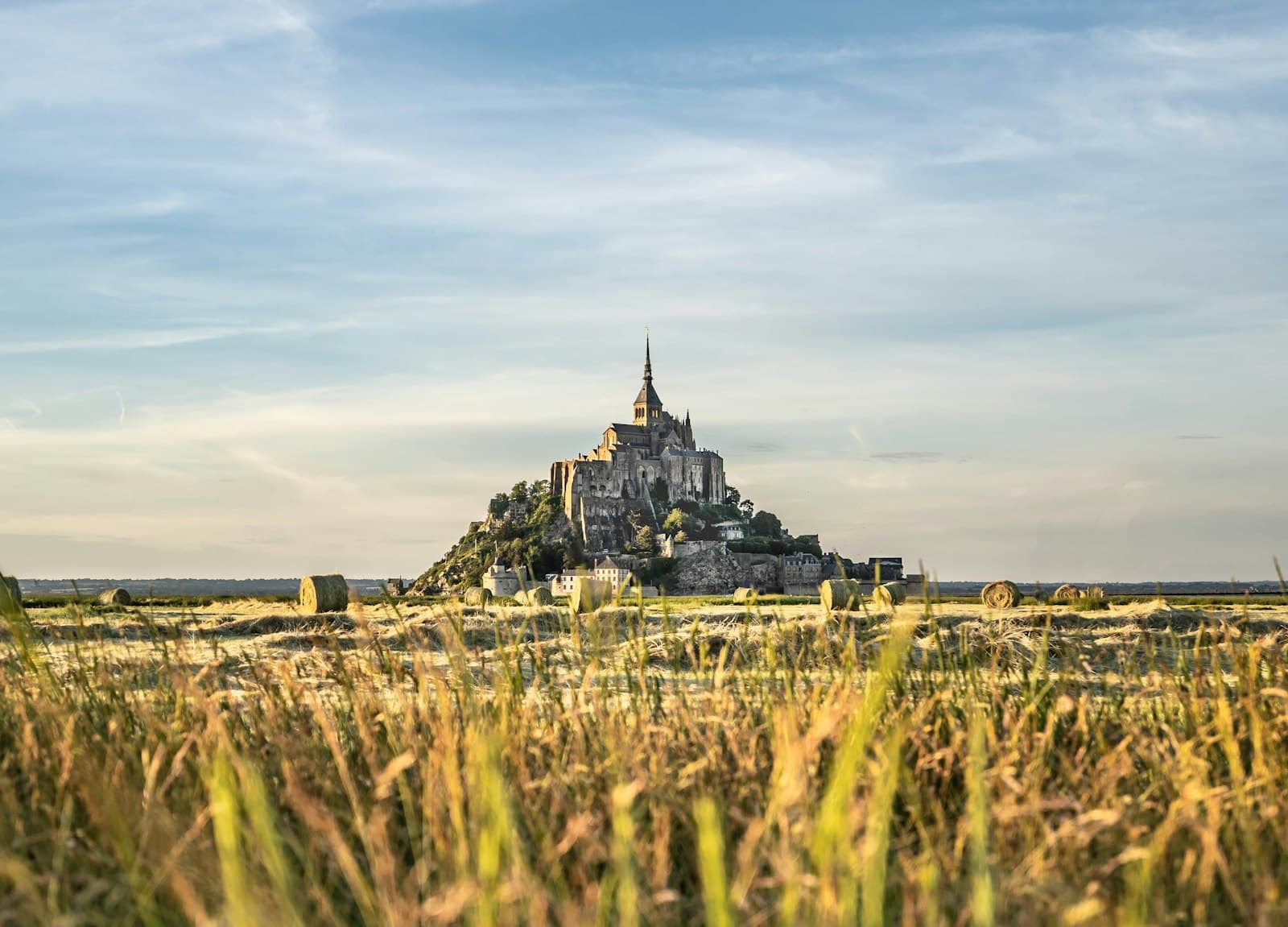
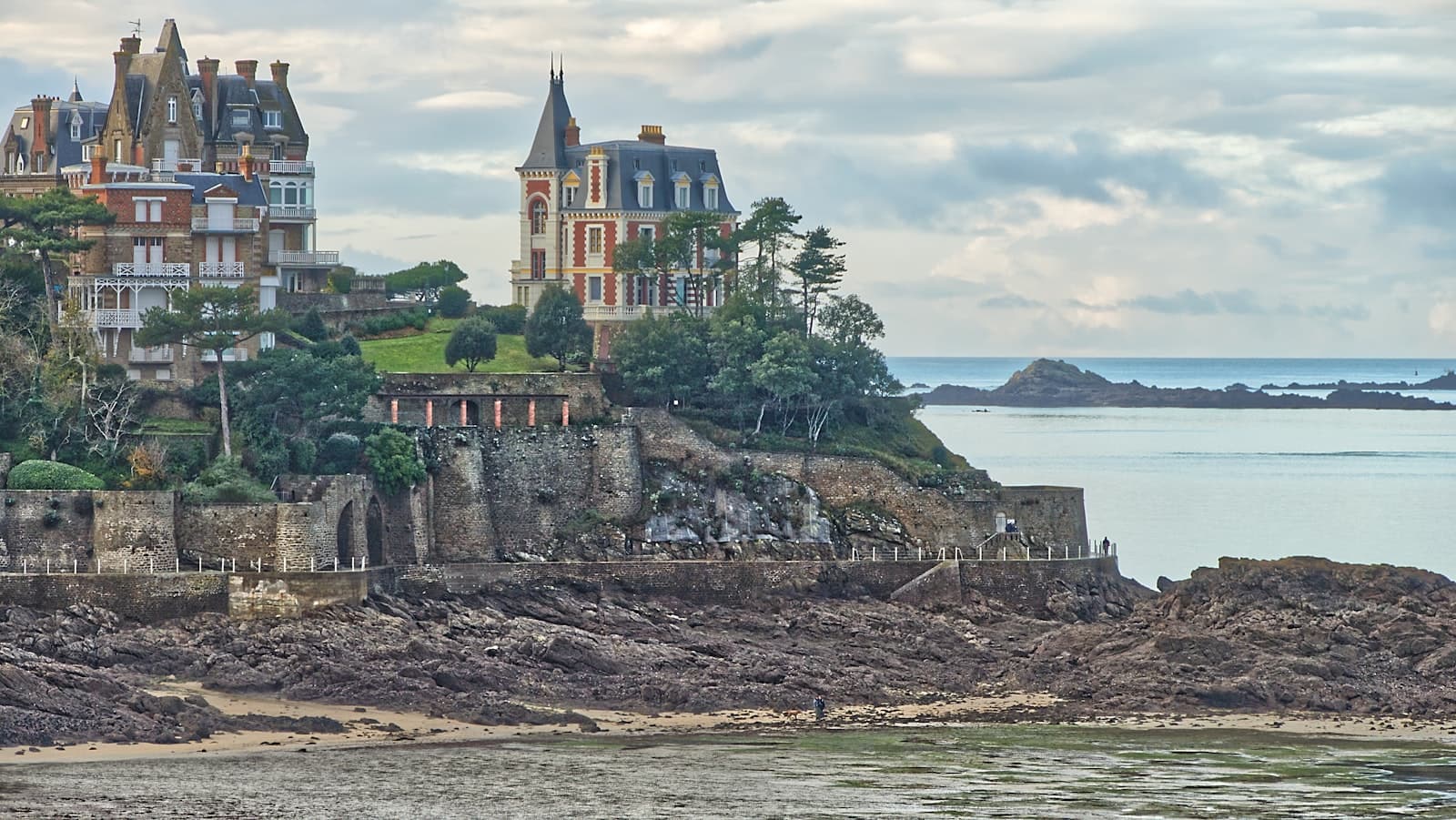
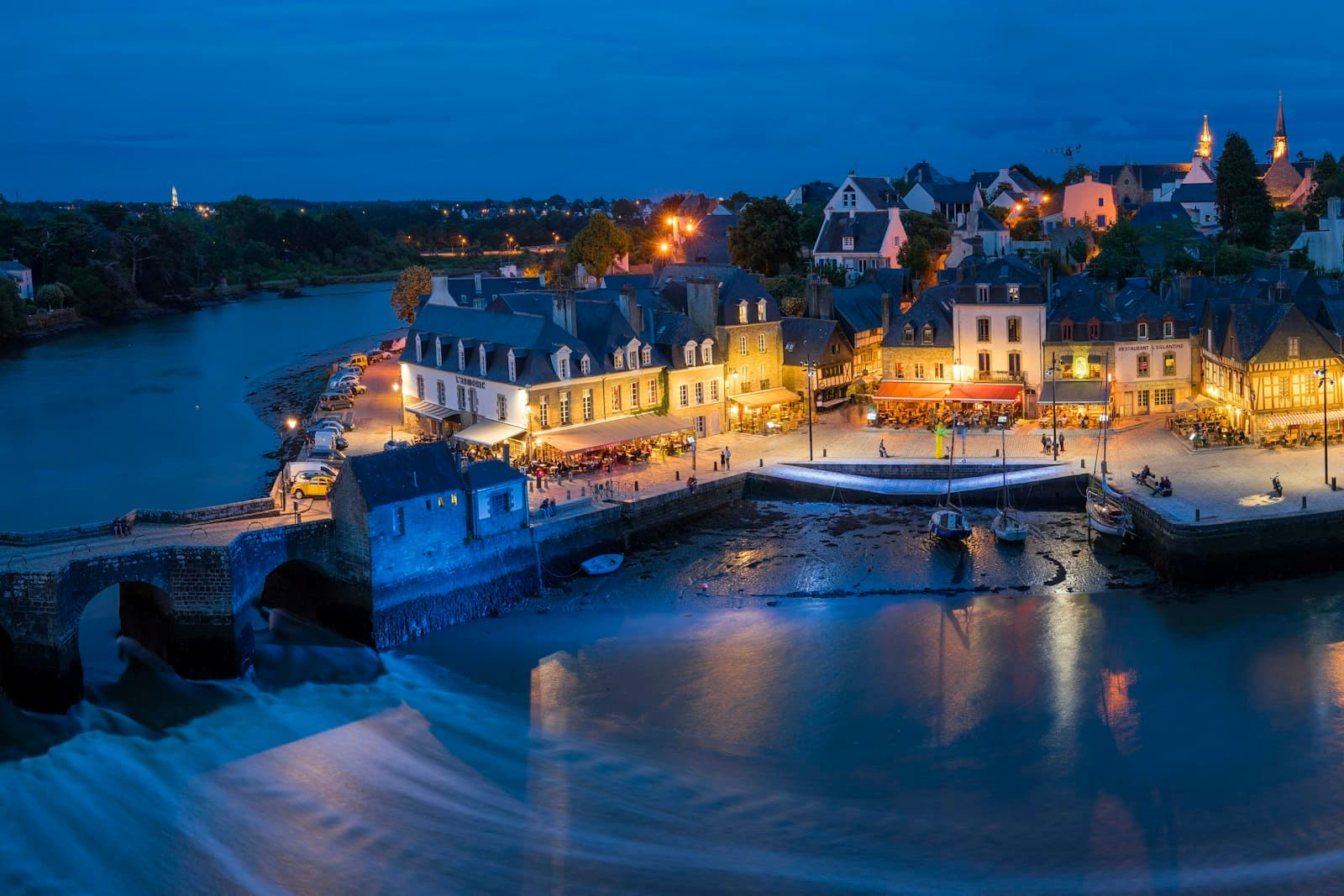
Votre visite audioguidée de Béhuard vous attend — choisissez vos lieux, votre langue, et lancez-vous dès votre arrivée.
AcheterLume intègre un guide en réalité augmentée. Levez votre téléphone : sa caméra montre la rue devant vous, avec une flèche lumineuse posée sur l'image réelle qui pointe toujours vers votre prochain arrêt — aucune carte à déchiffrer, aucun mauvais virage. Comme tout dans Lume, ça fonctionne entièrement hors-ligne.
Béhuard, une "Petite Cité de Caractère", est une commune insulaire du département de Maine-et-Loire, en France, située de manière unique au cœur de la Loire. Ce village, qui abrite environ 115 à 120 habitants, est la seule municipalité de France entièrement située sur une île de la Loire. Reconnu comme site du patrimoine mondial de l'UNESCO, Béhuard offre un aperçu d'un mode de vie profondément lié aux rythmes du fleuve.
Le caractère distinct de l'île est façonné par son environnement naturel et des siècles de présence humaine. Les visiteurs peuvent flâner dans des rues étroites et fleuries, admirer des maisons médiévales et explorer les berges, qui offrent un refuge à diverses espèces d'oiseaux et à la flore locale. L'atmosphère sereine et l'attrait authentique de Béhuard en font une étape incontournable pour ceux qui recherchent un mélange de nature, d'histoire et de spiritualité le long de la Loire.
La vie à Béhuard est dictée par les niveaux d'eau de la Loire, les crues de décembre à mai influençant le paysage et l'architecture de l'île. Les maisons médiévales surélevées et les repères sur les bâtiments du village rappellent discrètement les crues passées.
L'histoire de Béhuard remonte bien avant le Moyen Âge, des preuves géologiques suggérant que l'affleurement rocheux en son cœur a des centaines de millions d'années. L'île était initialement un lieu de culte gaulois, avec une statue d'une déesse-mère ou d'une divinité marine sur le rocher. Au Ve siècle, Saint Maurille, évêque d'Angers, apporta le christianisme sur l'île, la dédiant à la Vierge Marie et à la Nativité, la transformant en un site de pèlerinage chrétien. À cette époque, elle était connue sous le nom d'« Ile Marie ».
L'île reçut son nom actuel au XIe siècle lorsque Geoffroi Martel, comte d'Anjou, l'accorda en fief à un chevalier breton nommé Buhard. Buhard légua plus tard ses biens à l'abbaye de Saint-Nicolas d'Angers.
La notoriété de Béhuard s'accrut considérablement au XVe siècle grâce à la ferveur dévotionnelle du roi Louis XI envers la Vierge du Rocher. Après avoir survécu à un naufrage sur la Charente en 1453, il attribua son sauvetage à Notre-Dame de Béhuard et fit le vœu de construire une chapelle. En 1469, Louis XI ordonna la construction de la chapelle Notre-Dame de Béhuard, remplaçant un oratoire plus petit. Il visita fréquemment Béhuard, supervisant la construction et y priant même en 1470 pour un fils, un souhait exaucé quelques mois plus tard. La construction de l'église actuelle eut lieu entre 1469 et 1472.
Après le décès de Louis XI, la popularité du pèlerinage diminua jusqu'à la fin du XIXe siècle. En 1873, Mgr Charles-Émile Freppel, évêque d'Angers, relança le pèlerinage, attirant 15 000 fidèles. D'importants rassemblements se poursuivirent, notamment le couronnement de la Vierge en 1923 et un pèlerinage en 1932 qui attira des centaines de personnes. Aujourd'hui, l'île reste une destination de pèlerinage importante, en particulier pour la fête mariale du 15 août.
Le principal point d'intérêt de Béhuard est l'église Notre-Dame de Béhuard, une chapelle royale du XVe siècle construite sur une formation rocheuse naturelle. Son architecture unique comprend une double nef formant un L et un chœur s'ouvrant sur une grotte, que l'on croit être le site du culte originel. À l'intérieur, les visiteurs peuvent admirer des vitraux centenaires et des statues historiques.
Au-delà de l'église, Béhuard invite à l'exploration de ses rues étroites et pavées, où de vieilles maisons ornées de fleurs reflètent son passé. L'architecture du village présente des pignons en damier, des lucarnes ornées et des corniches sculptées. Longer le périmètre de l'île sur le sentier de la Loire offre des vues sur les jardins, les berges et l'architecture traditionnelle du Val de Loire, ainsi que des occasions d'observer les oiseaux locaux. Des ateliers d'artisans offrent également la possibilité de rencontrer des artisans locaux.
Pour une perspective différente, envisagez une excursion en bateau traditionnel sur la Loire depuis Angers ou les villes voisines, offrant un aperçu de l'écosystème du fleuve et des vues de Béhuard depuis l'eau.
Béhuard est particulièrement attrayant pendant les mois les plus chauds, de mai à septembre, lorsque le temps est idéal pour se promener et profiter de l'environnement extérieur. Bien que cette période attire plus de visiteurs, Béhuard conserve généralement son charme intact. Le village est particulièrement animé le 15 août, lors de la Fête Mariale (Fête de l'Assomption), un important rassemblement religieux avec des processions. Pendant l'été, des services en plein air sont parfois organisés. Pour l'observation des oiseaux, des visites tôt le matin sont recommandées. Notez que certains chemins peuvent être impraticables pendant les périodes de crue, qui se produisent généralement de décembre à mai.
Béhuard est situé à environ 20 kilomètres au sud-ouest d'Angers. Il est accessible en voiture via la D55 depuis Angers, une route panoramique le long de la Loire, ou la D111. Bien que les voitures ne soient pas autorisées au cœur du village, un parking est disponible à l'entrée. Alternativement, l'itinéraire cyclable "Loire à Vélo" passe près de Béhuard, offrant une approche pittoresque. Les options de transport en commun incluent la ligne de bus suburbaine Irigo n°39 depuis Angers, avec un arrêt directement sur l'île, ou un train jusqu'à la gare de Savennières-Béhuard, suivi d'une marche ou d'une balade à vélo de 30 minutes.
Prévoyez au moins une heure pour explorer le village à pied. Des chaussures de marche confortables sont recommandées pour les rues pavées et les pentes occasionnelles. Des toilettes publiques et des tables de pique-nique sont disponibles au parking des Droits de l'Homme et le long du bras de la Guillemette de la Loire.
Béhuard en coréen, en chinois ou en hébreu — et dans 29 autres langues, chaque étape narrée par une voix native. La plus large gamme de langues de tous les audioguides autoguidés.
Disponible en :