Place d'Armes
Sous la place du marché animée de Belvès, un monde caché témoigne d'un passé plus austère.
L'histoire complète se débloque dans le tour
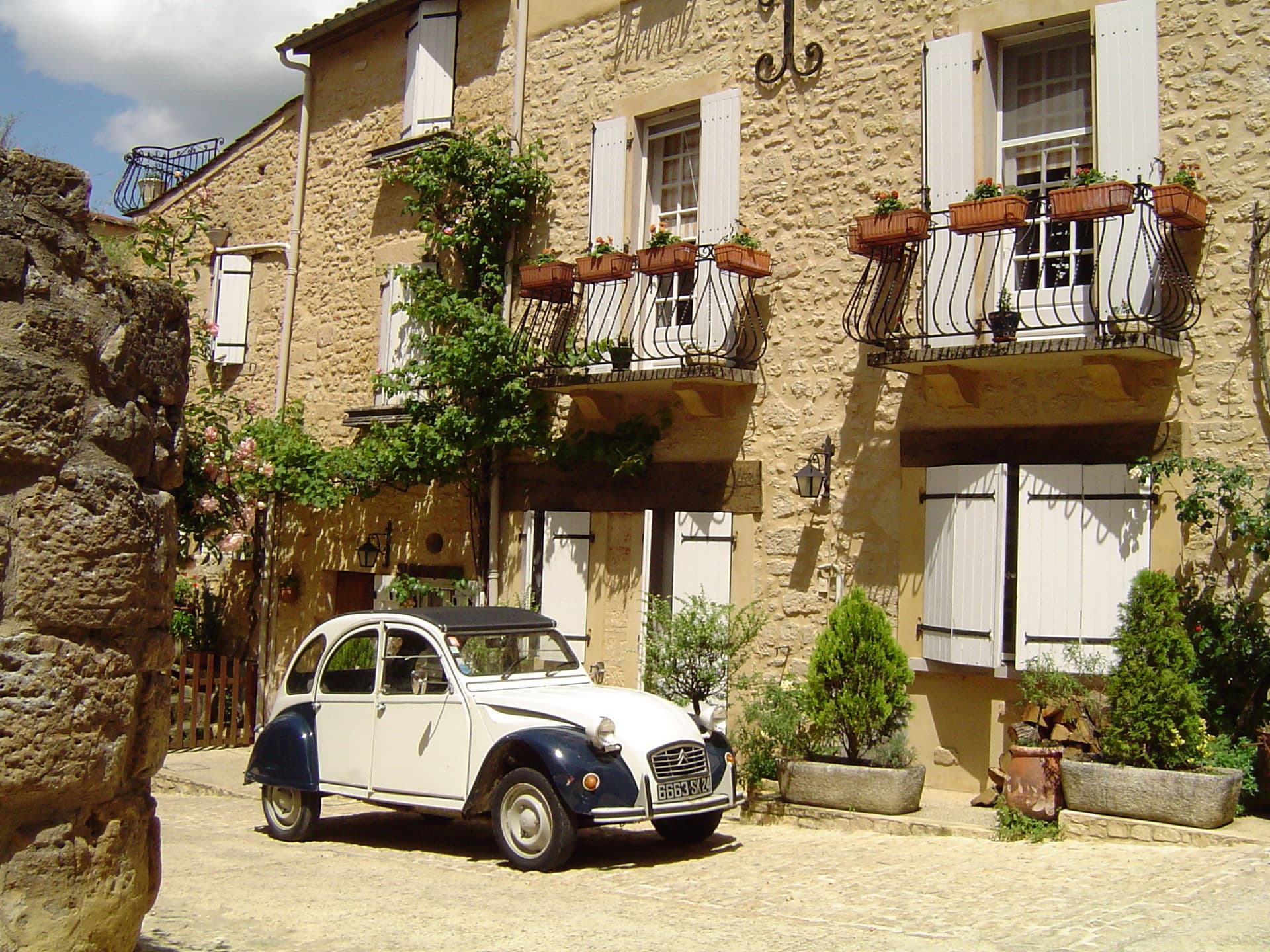 No machine-readable author provided. Patrique~commonswiki assumed (based on copyright claims). / CC BY-SA 3.0, via Wikimedia Commons
Visite audio autoguidée de Belvès — parcours GPS à pied, lecture hors ligne, narration en 32 langues.
“Là où la pierre ancienne garde la mémoire et le rythme des âges perdure.”
Pas les cartes postales. Les histoires que même les habitants ignorent — soufflées à l'oreille, là où elles se sont passées.
Sous la place du marché animée de Belvès, un monde caché témoigne d'un passé plus austère.
En vous promenant dans les ruelles étroites de Belvès, vous pourriez rencontrer un nom de rue qui éveille l'imagination.
Le Château de Belvès abrite des trésors artistiques restés invisibles pendant des siècles.
Découvrez tous les secrets de Belvès
Chaque adresse, chaque révélation en entier — dans ton oreille, là où elle s'est passée.
Tu choisis tes lieux. Tu marches. La voix te révèle ce que les autres ignorent.


Votre visite audioguidée de Belvès vous attend — choisissez vos lieux, votre langue, et lancez-vous dès votre arrivée.
AcheterLume intègre un guide en réalité augmentée. Levez votre téléphone : sa caméra montre la rue devant vous, avec une flèche lumineuse posée sur l'image réelle qui pointe toujours vers votre prochain arrêt — aucune carte à déchiffrer, aucun mauvais virage. Comme tout dans Lume, ça fonctionne entièrement hors-ligne.
Belvès, officiellement reconnu comme l'un des « Plus Beaux Villages de France », est une bastide médiévale au cœur du Périgord Noir, en Dordogne. Son nom, dérivé de l'occitan « bèl ves », signifie « belle vue », une description appropriée pour un village situé sur un éperon rocheux surplombant la vallée de la Nauze. La silhouette distinctive du village est marquée par ses sept clochers, une caractéristique qui lui a valu le surnom de « village aux sept tours ».
Cette ville fortifiée, avec ses bâtiments en pierre dorée, offre un voyage à travers le temps. Son architecture médiévale bien préservée, comprenant une halle du XVe siècle et des rues étroites et sinueuses, invite à l'exploration. Belvès offre un mélange de découverte historique et un rythme de vie détendu, ce qui en fait une destination prisée pour ceux qui cherchent à s'immerger dans le charme authentique de la France rurale.
Belvès est stratégiquement situé entre les villes bien connues de Monpazier et Sarlat, ce qui en fait un point central et accessible pour explorer la région plus vaste de la Dordogne. Le village préserve activement son patrimoine, offrant des visites guidées et une culture de marché animée qui donne vie à ses anciennes places.
L'histoire la plus ancienne connue de Belvès remonte à environ 300 av. J.-C., lorsque la tribu celtique des Bellovaques s'est installée sur ce site. L'emplacement a été choisi pour son climat favorable, son sol fertile et sa défendabilité naturelle. Au Ier siècle, après la conquête romaine de la Gaule, une forteresse a été construite, apportant une période de sécurité et de prospérité à la région. Au cours des siècles suivants, le village est passé entre les mains des Mérovingiens, des Francs et des Vikings.
La position stratégique de Belvès en a fait un point de discorde important, en particulier au Moyen Âge. Au XIe siècle, par mariage, le village est passé sous la propriété anglaise et est ensuite devenu un lieu de première ligne pendant la Guerre de Cent Ans. Le village a subi de multiples sièges et captures tout au long de cette période tumultueuse, ainsi que pendant les Guerres de Religion. Malgré ces conflits, une grande partie du caractère médiéval de Belvès est restée remarquablement intacte.
La construction d'une abbaye au XIe siècle a marqué une période importante dans le développement de Belvès. La légende attribue le surnom du village, « le village aux sept tours », à sept nobles qui ont chacun construit une tour pour défendre cette abbaye. Bien qu'il ne reste aujourd'hui qu'une tour et une porte d'entrée du castrum (fortifications) du XIe siècle, elles témoignent de son passé défensif.
Au XIVe siècle, Belvès a connu une période de paix et de prospérité sous le patronage du pape Clément V, qui résidait à Avignon et était le seigneur de Belvès. Cette influence papale est encore visible dans certaines sculptures et peintures du village, qui présentent des symboles comme des clés ou une triple couronne. La halle du marché couverte du XVe siècle, une caractéristique centrale du village, date également de cette période de floraison médiévale.
Le vaste patrimoine culturel de Belvès s'étend à ses monuments architecturaux, y compris le Château de Belvès, également connu sous le nom d'Hôtel de Commarque. Construit au début du XIVe siècle et agrandi plus tard, il abrite de rares peintures murales des XIVe au XVIe siècles. L'église Notre-Dame-de-l'Assomption, une structure gothique du XIIIe siècle, se dresse également sur le site d'un ancien monastère bénédictin et présente des peintures murales de diverses périodes. La classification du village parmi les « Plus Beaux Villages de France » souligne son succès dans la préservation de ce vaste patrimoine médiéval.
Commencez votre exploration sur la Place d'Armes, la place centrale de Belvès. C'est là que se dresse la halle du marché couverte du XVe siècle, ses 23 piliers témoignant de siècles de commerce. Observez attentivement l'un de ces piliers pour y trouver la « chaîne du pilori », un anneau de fer autrefois utilisé pour exposer publiquement les contrevenants. Sous cette place, vous pouvez faire une visite guidée des Habitations Troglodytiques, huit habitations troglodytes souterraines qui offrent un aperçu unique de la vie des paysans et mendiants médiévaux qui y cherchaient refuge du XIIIe au XVIIIe siècle.
Montez au Château de Belvès, également connu sous le nom d'Hôtel de Commarque, un château du XIVe siècle qui a subi des modifications au XIXe siècle. À l'intérieur, vous pouvez découvrir de rares fresques Renaissance, représentant les « Neuf Preux ». L'église Notre-Dame-de-l'Assomption, une structure gothique du XIIIe siècle, est un autre site important, présentant des peintures murales intérieures récemment restaurées datant du XVIe au XIXe siècle. Ne manquez pas l'occasion de simplement flâner dans les rues étroites du village, certaines portant des noms intrigants comme « Rue du Bout du Monde » et « Rue de l'Oiseau qui chante », en profitant de l'architecture en pierre dorée et des vues imprenables sur la vallée de la Nauze.
La meilleure période pour visiter Belvès et profiter d'un temps agréable s'étend d'avril à octobre. Pendant ces mois, vous pouvez vous attendre à de bonnes températures et moins de pluie, ce qui est idéal pour explorer le village et ses environs. Les mois les plus chauds sont généralement juillet et août, avec des maximales diurnes moyennes d'environ 29°C (84°F). L'été apporte également des événements animés comme les marchés nocturnes les mercredis en juillet et août, proposant des produits locaux, des boissons et souvent de la musique live. Pour ceux qui préfèrent des températures légèrement plus fraîches et moins de foule, mai, juin, septembre et octobre offrent des conditions confortables.
Belvès est situé dans la région du Périgord Noir en Dordogne, à environ 55 minutes en voiture de Bergerac et une heure de Périgueux. Bien que la voiture offre la plus grande flexibilité pour explorer la région, vous pouvez également rejoindre Belvès en train jusqu'à Périgueux ou Bergerac, puis en bus ou en taxi. Un parking est disponible à l'entrée de la ville.
L'Office de Tourisme de Belvès, situé en face du beffroi, est un excellent premier arrêt. Il fournit des informations sur les attractions locales, les événements, les restaurants et propose des visites guidées ou des audioguides avec des cartes pour une exploration autonome. Les billets pour les habitations troglodytiques et le Château de Belvès peuvent également être achetés ici. Le village dispose d'une gamme de boutiques, de bars et de restaurants, en particulier autour de la place centrale du marché. Un marché de producteurs traditionnel a lieu tous les samedis matin sous la halle.
Belvès en coréen, en chinois ou en hébreu — et dans 29 autres langues, chaque étape narrée par une voix native. La plus large gamme de langues de tous les audioguides autoguidés.
Disponible en :