Bir Road
Más allá del animado mercado, un eco silencioso del pasado colonial de Bir se revela a simple vista.
La historia completa se desbloquea en el tour
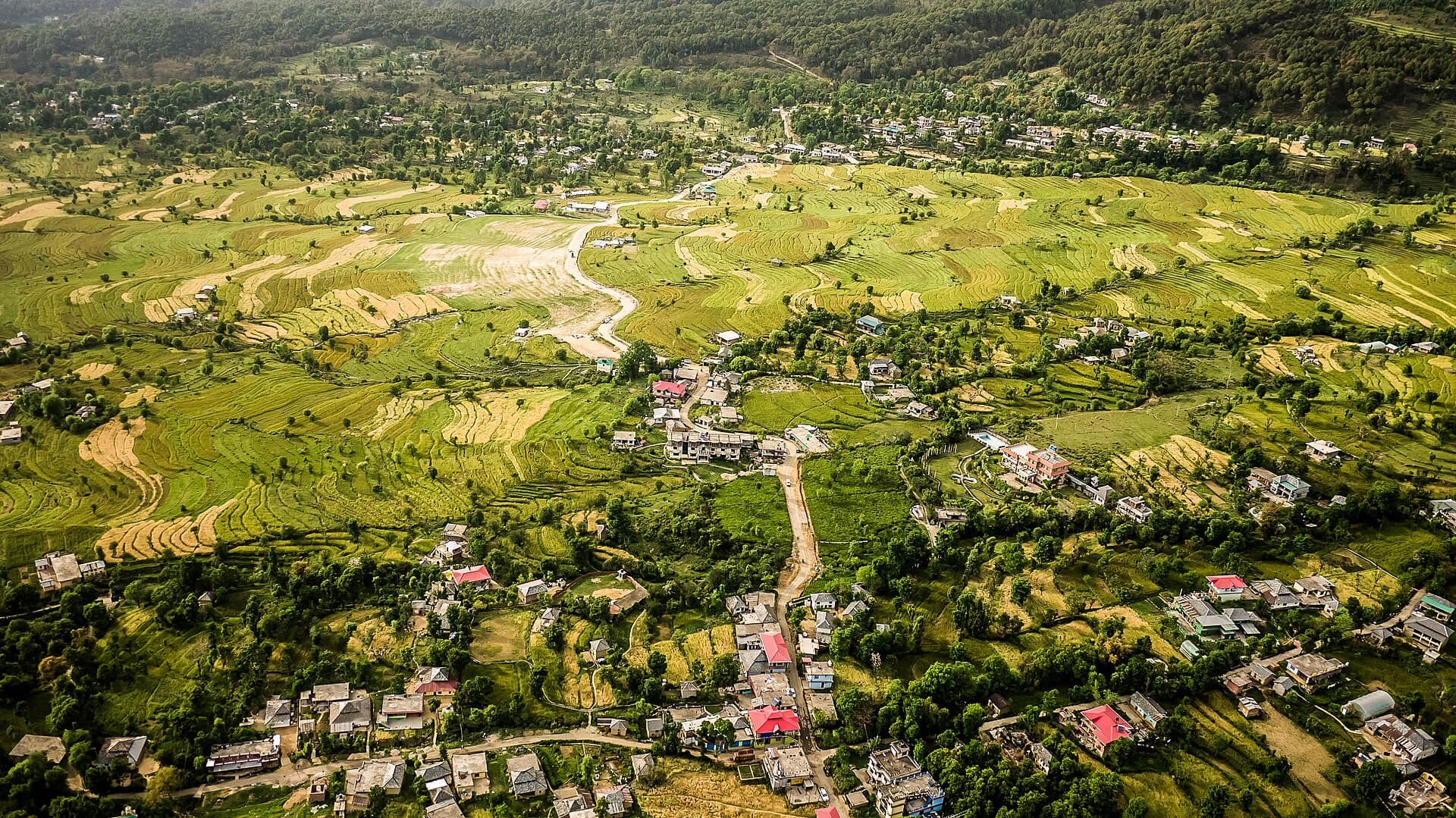 Fredi Bach from Switzerland / CC BY 2.0, via Wikimedia Commons
Tour de audio autoguiado de Bir — ruta GPS a pie, reproducción offline, narración en 32 idiomas.
“Donde el espíritu del Tíbet asciende a los cielos del Himalaya.”
No las postales. Las historias que ni los locales conocen — al oído, justo donde ocurrieron.
Más allá del animado mercado, un eco silencioso del pasado colonial de Bir se revela a simple vista.
Los vívidos murales dentro del Monasterio Chokling narran historias, pero un detalle sutil a menudo pasa desapercibido: un reconocimiento silencioso de un linaje venerado más allá de las deidades habituales.
Este centro de sabiduría clásica india mantiene un vínculo inesperado con un magnate de la tecnología contemporánea.
Descubre todos los secretos de Bir
Cada dirección, cada revelación al completo — a tu oído, justo donde ocurrió.
Eliges tus paradas. Caminas. La voz te revela lo que los demás ignoran.


Tu tour de audioguía por Bir te espera — elige tus lugares, tu idioma y empieza al llegar.
ComprarLume incluye una guía de realidad aumentada. Levanta el móvil y su cámara muestra la calle que tienes delante, con una flecha luminosa sobre la imagen real que siempre apunta a tu próxima parada — sin mapas que descifrar, sin giros equivocados. Como todo en Lume, funciona completamente sin conexión.
Bir, una pequeña ciudad en el Valle de Kangra de Himachal Pradesh, India, ofrece una cautivadora fusión de aventura, espiritualidad y una tranquila vida de montaña. Reconocida mundialmente como un destino principal de parapente, sus cielos están frecuentemente adornados con coloridos planeadores ascendiendo contra el telón de fondo de la cordillera de Dhauladhar. Abajo, el paisaje se despliega con verdes jardines de té, campos en terrazas y densos bosques, creando un entorno pintoresco que invita a la contemplación silenciosa y a la exploración activa.
Más allá de su atractivo aéreo, Bir se erige como un importante centro para el budismo tibetano, hogar de varios monasterios y de un floreciente asentamiento de refugiados tibetanos. Esta convergencia cultural le otorga a la ciudad un carácter singular, donde los cánticos sagrados de los monjes resuenan por los valles y las brillantes banderas de oración ondean con la brisa. El aire aquí lleva una serenidad distintiva, puntuado por el ocasional zumbido de un parapente o el distante tañido de una campana de templo, lo que lo convierte en un santuario ideal para quienes buscan tanto la euforia como la calma interior.
## De Puesto Colonial a Santuario Tibetano La historia documentada de Bir se remonta a la era colonial británica, cuando fue establecida como un acantonamiento para el ejército indio británico. El fértil Valle de Kangra, con su agradable clima, atrajo a los plantadores británicos que introdujeron el cultivo del té en la región en el siglo XIX. Los restos de este período aún son discernibles en algunas estructuras antiguas y en los extensos jardines de té que adornan el paisaje.
Sin embargo, la identidad contemporánea de Bir fue profundamente moldeada por un evento fundamental a mediados del siglo XX: la diáspora tibetana. Tras la ocupación china del Tíbet en 1959, un número sustancial de refugiados tibetanos, incluyendo muchos lamas y eruditos prominentes, encontraron refugio en la India. El gobierno indio asignó tierras en Bir para establecer un asentamiento tibetano, lo que llevó a la creación de lo que ahora se conoce como la Colonia Tibetana de Bir.
Esta afluencia de cultura tibetana transformó Bir. Se fundaron monasterios como el Monasterio Chokling, el Monasterio Palpung Sherabling y el Monasterio Tsering Jong, convirtiéndose en centros vitales para la preservación del budismo, el arte y la filosofía tibetanos. El Instituto Deer Park, establecido más tarde, solidificó aún más la posición de Bir como un punto focal para la sabiduría clásica india. La comunidad tibetana trajo consigo un rico tejido cultural, estableciendo escuelas, centros de artesanía y mercados que se han vuelto esenciales para el carácter de Bir.
En décadas más recientes, Bir ganó reconocimiento internacional por el parapente. Las condiciones favorables del viento y los sitios de lanzamiento en el cercano Billing fueron descubiertos por paracaidistas del ejército, y luego popularizados por entusiastas internacionales, transformando Bir Billing en uno de los mejores destinos de parapente del mundo. Esta mezcla de ecos coloniales, profunda espiritualidad tibetana y espíritu aventurero define la singular narrativa histórica de Bir hoy en día.
Comience su exploración en la Colonia Tibetana de Bir, un vibrante centro de la cultura tibetana. Visite el Monasterio Chokling, célebre por sus coloridos murales y su tranquila sala de oración, que ofrece una ventana a la tradición Nyingma del budismo tibetano. A poca distancia se encuentra el Monasterio Palpung Sherabling, un extenso complejo que sirve como sede del Kenting Tai Situ Rinpoche, proporcionando una comprensión más profunda de la vida monástica y la filosofía budista.
Para aquellos interesados en la sabiduría clásica india, el Instituto Deer Park ofrece un entorno pacífico para el aprendizaje y la contemplación. No pierda la oportunidad de observar el espectáculo de los parapentistas lanzándose desde Billing, un corto trayecto cuesta arriba, o descendiendo en el Sitio de Aterrizaje de Bir, una zona dinámica donde podrá ver a los pilotos descender del cielo. Pasee por los Jardines de Té de Bir para una experiencia serena y quizás una taza de té cultivado localmente. El mercado de Bir Road ofrece una variedad de artesanías tibetanas, productos locales y restaurantes. Considere una corta excursión al antiguo Templo de Baijnath, un notable templo de Shiva del siglo XIII conocido por sus intrincadas tallas, situado aproximadamente a 30 minutos.
El momento ideal para experimentar Bir es durante los meses de primavera (marzo a mayo) y otoño (septiembre a noviembre). Durante estos períodos, el clima es agradablemente templado, con cielos despejados perfectos para el parapente y las actividades al aire libre. La temporada de monzones (julio-agosto) trae fuertes lluvias, lo que dificulta el parapente y hace que algunas carreteras sean difíciles de transitar. Los inviernos (diciembre-febrero) son fríos, con nevadas ocasionales, ofreciendo un encanto diferente y más tranquilo para aquellos que no se centran principalmente en el parapente.
Bir es fácilmente accesible por carretera. La estación de tren principal más cercana es Pathankot, y el aeropuerto más cercano es el Aeropuerto de Gaggal (Dharamshala). Desde estos puntos, los taxis y autobuses están fácilmente disponibles. Las opciones de alojamiento varían desde casas de huéspedes y alojamientos familiares hasta hoteles boutique, adaptándose a diversos presupuestos. Si bien el inglés se entiende en las zonas turísticas, conocer algunas frases básicas en hindi o tibetano puede ser útil. Hay cajeros automáticos, pero es aconsejable llevar algo de efectivo, especialmente para vendedores más pequeños. La cocina local ofrece una mezcla de platos de Himachal y tibetanos; recuerde probar momos y thukpa.
Bir en coreano, en chino o en hebreo — y 29 idiomas más, cada parada narrada por una voz nativa. La mayor variedad de idiomas de cualquier audioguía autoguiada.
Disponible en: