Aldea de Malana
Hay una aldea cerca de Kasol donde los residentes creen descender directamente de Alejandro Magno, siguiendo sus propias leyes distintivas.
La historia completa se desbloquea en el tour
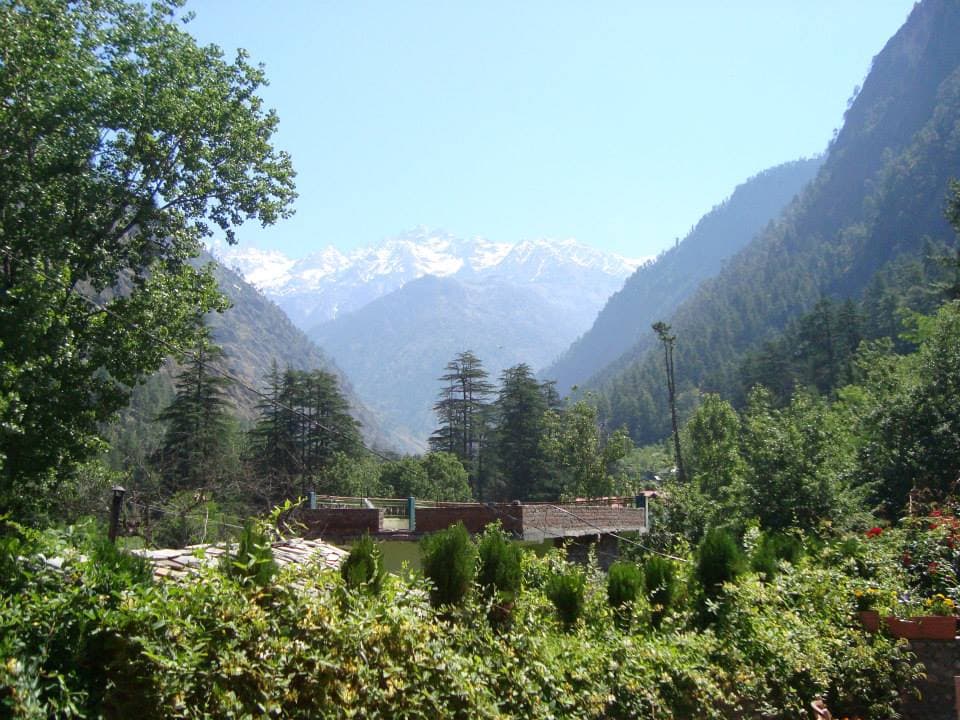 BenSalo / cc by-sa 3.0, via Wikimedia Commons
Tour de audio autoguiado de Kasol — ruta GPS a pie, reproducción offline, narración en 32 idiomas.
“Donde la quietud del Himalaya se encuentra con un inesperado ritmo israelí.”
No las postales. Las historias que ni los locales conocen — al oído, justo donde ocurrieron.
Hay una aldea cerca de Kasol donde los residentes creen descender directamente de Alejandro Magno, siguiendo sus propias leyes distintivas.
El aparentemente tranquilo río Parvati esconde un secreto que atrae a un tipo particular de entusiasta de la naturaleza.
Más allá de la comida típica de montaña, la escena de cafés de Kasol cuenta una historia de sorprendente mezcla cultural.
Descubre todos los secretos de Kasol
Cada dirección, cada revelación al completo — a tu oído, justo donde ocurrió.
Eliges tus paradas. Caminas. La voz te revela lo que los demás ignoran.


Tu tour de audioguía por Kasol te espera — elige tus lugares, tu idioma y empieza al llegar.
ComprarLume incluye una guía de realidad aumentada. Levanta el móvil y su cámara muestra la calle que tienes delante, con una flecha luminosa sobre la imagen real que siempre apunta a tu próxima parada — sin mapas que descifrar, sin giros equivocados. Como todo en Lume, funciona completamente sin conexión.
Kasol, una pequeña aldea en el corazón del Valle de Parvati en Himachal Pradesh, es un destino que desafía la categorización simple. Es un lugar donde el rugiente río Parvati se abre paso a través de densos bosques de pinos, creando un telón de fondo de vasta belleza natural que atrae a mochileros, excursionistas y buscadores de tranquilidad por igual. Sin embargo, en medio de este sereno paisaje himalayo, Kasol pulsa con una energía distinta, casi bohemia, en gran parte moldeada por una inesperada fusión cultural.
Frecuentemente llamada el 'Mini Israel de la India', la identidad singular de Kasol proviene de su significativa población de viajeros israelíes, muchos de los cuales llegan después de completar su servicio militar, buscando consuelo y aventura. Esta mezcla cultural es evidente en los letreros en hebreo junto al hindi, la prevalencia de la cocina israelí en los cafés locales y una atmósfera relajada y de espíritu libre que invita a estancias prolongadas y exploraciones espontáneas. Ya sea que te atraiga la llamada de las montañas, el encanto de una animada escena de cafés o la promesa de una experiencia cultural única, Kasol ofrece un viaje como ningún otro.
Durante siglos, Kasol fue una aldea remota en el Valle de Parvati, su existencia definida en gran medida por los ritmos de la vida montañesa y el poderoso flujo del río Parvati. Sin embargo, a mediados del siglo XX, se produjo un cambio significativo. En los años 60 y 70, Kasol se convirtió en una parada legendaria en el 'Sendero Hippie', una peregrinación terrestre emprendida por jóvenes occidentales en busca de iluminación y una ruptura radical con la sociedad convencional. Se sintieron atraídos por la intensa atmósfera espiritual del valle y el hachís local, conocido como charas, que había sido parte de la cultura regional durante siglos. Esta era se caracterizó por un rechazo de lo convencional, una vida construida alrededor de la comunidad, la música y un tipo diferente de conciencia en medio del Himalaya.
Luego, en la década de 1980, llegó una nueva ola de viajeros: mochileros israelíes. Muchos eran jóvenes recién salidos del servicio militar obligatorio, buscando un lugar para desestresarse y encontrar la paz. Descubrieron un escape perfecto en la atmósfera relajada y el impresionante paisaje de Kasol, llegando en tal número que la aldea pronto se ganó su famoso apodo, 'Mini Israel'. Esta afluencia llevó a una mezcla cultural singular, con letreros en hebreo apareciendo junto al hindi, y platos israelíes como shakshuka y hummus convirtiéndose en elementos básicos en los menús de los cafés junto al tradicional chai indio. Esta mezcla cultural creó algo completamente único, una atmósfera que no se encuentra en ningún otro lugar de la India, o posiblemente, del mundo.
El flujo continuo de visitantes israelíes impactó profundamente la economía y la infraestructura de Kasol. La aldea vio una proliferación de restaurantes, hoteles y tiendas que satisfacían específicamente sus necesidades, generando empleo local y transformando el asentamiento, antes remoto, en un centro próspero. Hoy en día, Kasol se divide en Old Kasol y New Kasol, conectadas por un puente, y continúa recibiendo turistas que aportan importantes contribuciones económicas. Si bien la aldea tiene una escuela secundaria superior, los lugareños a menudo envían a sus hijos a Bhuntar y Kullu para la educación superior. Más allá de su celebrada cultura de cafés y rutas de senderismo, Kasol también ha ganado reputación por su animada contracultura y escena de fiestas, con festivales de música y reuniones al aire libre, particularmente en el cercano Chalal. Esta evolución ha visto a Kasol convertirse en una paradoja: un retiro espiritual y un destino de fiesta, un paraíso natural que lucha con desafíos modernos como la comercialización y la gestión de residuos, pero que aún ofrece una poderosa sensación de libertad y una animada contracultura.
Kasol ofrece una mezcla de belleza natural, experiencias culturales y oportunidades de aventura. Comience con un tranquilo paseo a lo largo del Río Parvati, donde el sonido del agua y las vistas de las montañas circundantes proporcionan un escape sereno. Explore el Mercado de Kasol, un animado centro donde encontrará artesanías locales, recuerdos distintivos y una variedad de cafés que sirven cocina india e israelí.
Para echar un vistazo a la vida del pueblo local, dé un paseo fácil hasta el Pueblo de Chalal, conocido por sus tranquilos senderos junto al río y una atmósfera ligeramente más relajada que el mercado principal de Kasol. Una visita a Manikaran Sahib Gurudwara, a solo 5 km de Kasol, es esencial. Este importante sitio de peregrinación sij se asienta sobre manantiales geotérmicos hirviendo, donde se puede observar cómo se cocinan los alimentos e incluso darse un chapuzón en las sagradas aguas termales.
Los entusiastas de la aventura pueden embarcarse en la popular Caminata a Kheerganga, una pintoresca caminata de 14 km a través de bosques y prados que culmina en manantiales naturales de aguas termales. Otras aldeas cercanas como Tosh, Grahan y la culturalmente distinta Malana ofrecen más oportunidades de senderismo y conocimientos sobre la vida local, aunque Malana tiene costumbres específicas que los visitantes deben respetar. Para un espacio verde tranquilo dentro de Kasol, el Parque Natural de Kasol junto al río es un lugar agradable.
Recuerde llevar suficiente efectivo, ya que los cajeros automáticos pueden ser poco fiables, y respete las costumbres locales, especialmente en las aldeas circundantes.
Las épocas ideales para visitar Kasol son durante los meses de primavera y principios de verano (marzo a junio) y los meses de otoño (septiembre a noviembre).
Marzo a junio: Este período ofrece un clima agradable con temperaturas que oscilan entre 13°C y 30°C, lo que lo hace adecuado para el senderismo, el campamento y las actividades al aire libre. Espere cielos despejados y paisajes verdes, aunque también es la temporada alta de turismo, así que prepárese para más multitudes y tarifas de alojamiento más altas.
Septiembre a noviembre: Estos meses ofrecen cielos despejados, temperaturas agradables y menos multitudes, lo que lo hace excelente para la fotografía y para disfrutar de la belleza escénica del Valle de Parvati con relativa tranquilidad.
Evite de julio a mediados de septiembre debido a la temporada de monzones, que trae fuertes lluvias y riesgo de inundaciones repentinas y deslizamientos de tierra, lo que a menudo lleva al cierre de senderos y carreteras bloqueadas.
Diciembre a febrero ofrece una experiencia invernal tranquila, fría y nevada, particularmente en aldeas más altas como Tosh y Kalga. Si bien las noches bajan de cero, los manantiales termales de Manikaran son especialmente atractivos, pero lleve capas abrigadas si planea una visita en invierno.
Viajar a Kasol generalmente implica un autobús nocturno desde las principales ciudades como Delhi o Chandigarh hasta Bhuntar. Desde Bhuntar, los taxis compartidos o los autobuses locales circulan con frecuencia a Kasol, un pintoresco viaje de una hora a lo largo del río Parvati. Si bien la conectividad de la red móvil generalmente está disponible, puede ser esporádica, especialmente en áreas remotas. Jio y BSNL tienden a ofrecer la cobertura más confiable.
Fundamentalmente, lleve suficiente efectivo. Los cajeros automáticos en Kasol suelen ser poco fiables debido a problemas de red o escasez de efectivo, particularmente durante la temporada alta. Se recomienda encarecidamente retirar suficiente efectivo de Bhuntar o Manali antes de llegar. La mayoría de los lugares aceptan UPI, pero no todas las tiendas o puestos en los senderos de trekking lo harán. El alojamiento varía desde hostales económicos hasta casas de huéspedes y campamentos junto al río, con precios que varían según la temporada y la ubicación. Respete las costumbres locales, especialmente en aldeas como Malana, y evite tirar basura para preservar el medio ambiente natural. Al hacer trekking, es aconsejable no ir solo después del anochecer e informar a su alojamiento de sus planes.
Kasol en coreano, en chino o en hebreo — y 29 idiomas más, cada parada narrada por una voz nativa. La mayor variedad de idiomas de cualquier audioguía autoguiada.
Disponible en: