Aldea Lingti, cerca de Kaza
A poca distancia de Kaza, hay una cafetería como ninguna otra, creada por los aldeanos a partir de la esencia misma del invierno.
La historia completa se desbloquea en el tour
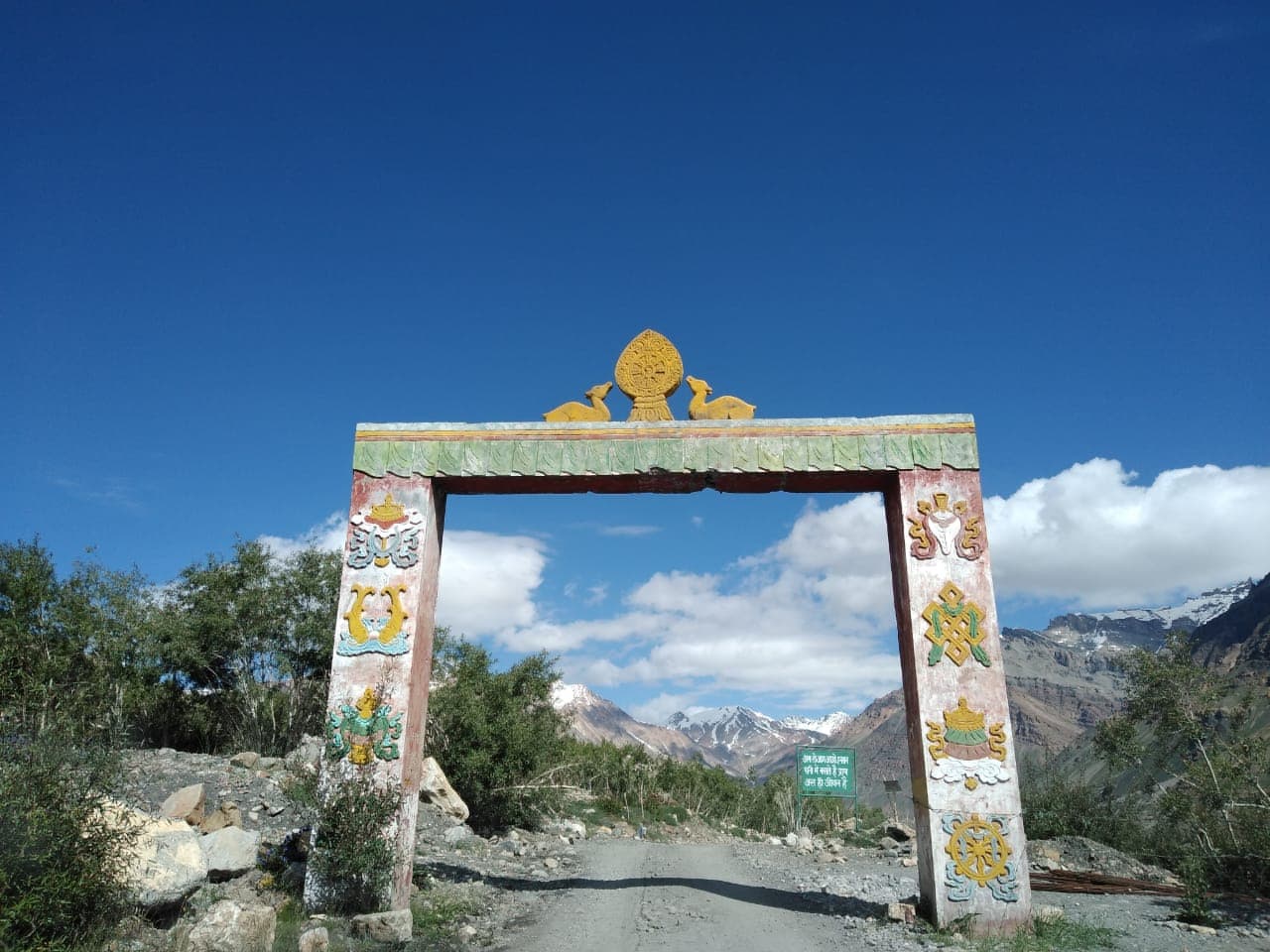 Rodmantyler / CC BY-SA 4.0, via Wikimedia Commons
Tour de audio autoguiado de Kaza — ruta GPS a pie, reproducción offline, narración en 32 idiomas.
“Donde las oraciones ancestrales se mezclan con el aire enrarecido de la montaña y cada vista se siente como un secreto susurrado.”
No las postales. Las historias que ni los locales conocen — al oído, justo donde ocurrieron.
A poca distancia de Kaza, hay una cafetería como ninguna otra, creada por los aldeanos a partir de la esencia misma del invierno.
La mayoría de los viajeros acuden al famoso Monasterio Key para ver el atardecer, pero Kaza guarda un lugar menos conocido que ofrece un panorama inigualable.
En un pueblo conocido por su colosal estatua de Buda, el suelo bajo tus pies cuenta una historia de millones de años.
Descubre todos los secretos de Kaza
Cada dirección, cada revelación al completo — a tu oído, justo donde ocurrió.
Eliges tus paradas. Caminas. La voz te revela lo que los demás ignoran.


Tu tour de audioguía por Kaza te espera — elige tus lugares, tu idioma y empieza al llegar.
ComprarLume incluye una guía de realidad aumentada. Levanta el móvil y su cámara muestra la calle que tienes delante, con una flecha luminosa sobre la imagen real que siempre apunta a tu próxima parada — sin mapas que descifrar, sin giros equivocados. Como todo en Lume, funciona completamente sin conexión.
Kaza, también deletreado Kaze o Karze, sirve como la sede sub-divisional y la ciudad más grande del remoto Valle de Spiti en el distrito de Lahaul y Spiti de Himachal Pradesh, India. Situada a una altitud de aproximadamente 3.800 metros (12.500 pies) sobre el nivel del mar a lo largo del río Spiti, Kaza es una región desértica fría de gran altitud, compartiendo terreno, clima y cultura budista predominante con el Tíbet y Ladakh.
A menudo llamada la "Tierra Media" entre India y el Tíbet, Kaza funciona como un centro administrativo y comercial vital, un centro bullicioso donde los lugareños de Spiti, Ladakh, Kullu y el Tíbet se dedicaban históricamente al comercio de trueque. La ciudad se divide en dos partes distintas: Old Kaza (Kaza Khas), que es la animada zona del mercado con tiendas y restaurantes, y New Kaza (Kaza Soma), una sección más tranquila con alojamientos más nuevos con vistas al río Spiti. A pesar de su ubicación remota, Kaza se ha convertido en un destino para viajeros y aventureros atraídos por sus paisajes únicos, antiguos monasterios y oportunidades para el senderismo y la inmersión cultural.
La vida en Kaza se caracteriza por la resiliencia, con días que pueden ser cálidos y noches que a menudo son gélidas, especialmente en invierno cuando las tuberías pueden congelarse por completo. La ciudad es una base para explorar algunos de los pueblos más altos del mundo, como Hikkim, Komic y Langza, cada uno ofreciendo experiencias y conocimientos únicos sobre el estilo de vida resistente de Spiti.
## Un Cruce de Caminos de Antiguo Comercio y Conflicto La historia de Kaza está profundamente entrelazada con su ubicación estratégica como punto central en el Valle de Spiti, una región a menudo denominada la "Tierra Media" debido a su posición entre la India y el Tíbet. Históricamente, Kaza funcionó como un centro crucial para el comercio de trueque, facilitando el intercambio de bienes entre las comunidades de Spiti, Ladakh, Kullu y el Tíbet. Esta red comercial fue vital para el sustento y el intercambio cultural de estas comunidades de gran altitud.
## La Guerra Sino-India y la Readquisición La ciudad desempeñó un papel significativo, aunque desafiante, durante la Guerra Sino-India de 1962, encontrándose en el centro del conflicto. Tras la guerra, el área fue readquirida por el gobierno de Himachali en la década de 1980, marcando un período de reintegración y desarrollo bajo la administración india. Hoy en día, Kaza se erige como un centro animado, mostrando una fuerte influencia budista tibetana, evidente en su arquitectura y la presencia de varios sitios de refugiados tibetanos.
## Patrimonio Arquitectónico y Espiritual El estilo arquitectónico en Kaza y la región circundante es una hermosa mezcla de influencias tibetanas e himalayas. Esto es particularmente visible en sus monasterios, que no solo son lugares de culto sino también depósitos de sabiduría y arte antiguos. El Monasterio Sakya Tangyud en Kaza, aunque una construcción relativamente nueva de principios de la década de 2000, tiene raíces que se remontan a cientos de años, perteneciendo a la secta Sakya, una de las cuatro escuelas principales del budismo tibetano. Su predecesor estaba ubicado en un lugar diferente llamado Tangyud antes de ser dañado. De manera similar, el icónico Monasterio Key, ubicado cerca de Kaza, es uno de los monasterios más grandes y antiguos del Valle de Spiti, que data del siglo XI y alberga antiguos textos y murales budistas.
## El Espíritu Duradero de Kaza A pesar de su entorno remoto y a menudo duro, Kaza se ha adaptado y prosperado constantemente. Ha servido como campamento base para innumerables excursionistas y montañistas que exploran los terrenos accidentados del Valle de Spiti. La resiliencia de la ciudad también se refleja en la vida diaria de sus habitantes, quienes han conservado su patrimonio cultural y tradiciones únicas en medio de las desafiantes condiciones del alto Himalaya.
Kaza sirve como una base ideal para explorar el paisaje único y los tesoros culturales del Valle de Spiti. Comienza con un paseo por Kaza, que se divide en Old Kaza (Kaza Khas), una animada zona de mercado, y New Kaza (Kaza Soma), que ofrece vistas del río Spiti. No te pierdas el Monasterio Sakya Tangyud en New Kaza, un centro espiritual con paredes encaladas y rayas carmesí, que ofrece una sensación de paz y una visión del budismo tibetano.
Un corto viaje en coche desde Kaza te lleva al icónico Monasterio Key (Kye Gompa), un majestuoso monasterio tibetano en la cima de una colina, que alberga antiguos murales y textos. Más lejos, explora los pueblos de gran altitud. Langza es conocida por su gran estatua de Buda y antiguos fósiles marinos incrustados en las rocas, lo que insinúa un mar prehistórico. Komic tiene la distinción de ser uno de los pueblos transitables más altos del mundo, mientras que Hikkim tiene la oficina de correos más alta del mundo. El Monasterio de Dhankar, otro complejo antiguo, ofrece vistas de la confluencia de los ríos Spiti y Pin. Para los entusiastas de la naturaleza, el Parque Nacional del Valle de Pin es un paraíso para la observación de la vida silvestre. Los viajeros aventureros también pueden embarcarse en caminatas a lugares como el lago Chandratal, conocido por sus aguas cristalinas. Por las noches, considera observar las estrellas desde la azotea de una casa de familia local, ya que la gran altitud de Kaza y la mínima contaminación lumínica ofrecen vistas excepcionales de la Vía Láctea.
El momento óptimo para visitar Kaza es durante los meses de verano, de mayo a octubre. Durante este período, el clima es agradable con temperaturas que oscilan entre 5°C y 20°C, lo que lo hace ideal para hacer turismo y actividades al aire libre. Ambas rutas principales a Kaza, desde Manali y Shimla, suelen estar abiertas, lo que garantiza la accesibilidad. Los paisajes están vivos con flores en flor y cielos azules claros, atrayendo a un número significativo de visitantes.
El otoño, de septiembre a octubre, también ofrece un clima confortable con temperaturas moderadas (5°C a 20°C) y menos multitudes, mostrando llamativos colores otoñales. Sin embargo, la ruta de Manali suele cerrarse a mediados de octubre debido a las nevadas. El invierno, de noviembre a marzo, trae condiciones duras con fuertes nevadas y temperaturas que caen por debajo del punto de congelación, a menudo aislando Kaza debido a las carreteras bloqueadas. Si bien ofrece un paisaje sereno y cubierto de nieve, solo se recomienda para viajeros resistentes que buscan soledad.
Kaza es un destino remoto, por lo que una planificación cuidadosa es esencial. Los aeropuertos más cercanos son Bhuntar (Kullu) y Shimla, y la estación de tren más cercana es Joginder Nagar. Sin embargo, a Kaza se accede principalmente por carretera desde Manali o Shimla. La ruta de Manali, a través del Túnel Atal y el Paso Kunzum, es estacional, generalmente abierta desde mediados de junio hasta mediados de octubre. La ruta de Shimla a través del Valle de Kinnaur suele estar abierta todo el año, aunque sujeta a cierres temporales debido a deslizamientos de tierra o fuertes nevadas.
Para moverse por Kaza y sus pueblos circundantes, los taxis y los jeeps privados están fácilmente disponibles y se recomiendan debido al terreno accidentado. Explorar la ciudad de Kaza a pie también es una excelente manera de experimentar su encanto. Kaza tiene el último cajero automático y gasolinera antes de adentrarse más en el valle, pero los cajeros automáticos pueden ser poco fiables y a menudo se quedan sin efectivo, así que lleva suficiente efectivo desde Shimla, Manali o Reckong Peo. La conectividad de la red móvil es limitada, siendo BSNL el servicio más fiable, y las SIM de prepago de otros estados a menudo no funcionan. Hay un Centro de Salud Comunitario (CHC) en Old Kaza para emergencias médicas básicas, pero los problemas graves requieren evacuación a ciudades distantes.
Kaza en coreano, en chino o en hebreo — y 29 idiomas más, cada parada narrada por una voz nativa. La mayor variedad de idiomas de cualquier audioguía autoguiada.
Disponible en: