Los pasajes subterráneos de la Ciudadela de Blaye
Bajo las murallas en forma de estrella de la formidable ciudadela de Blaye se esconde una red oculta.
La historia completa se desbloquea en el tour
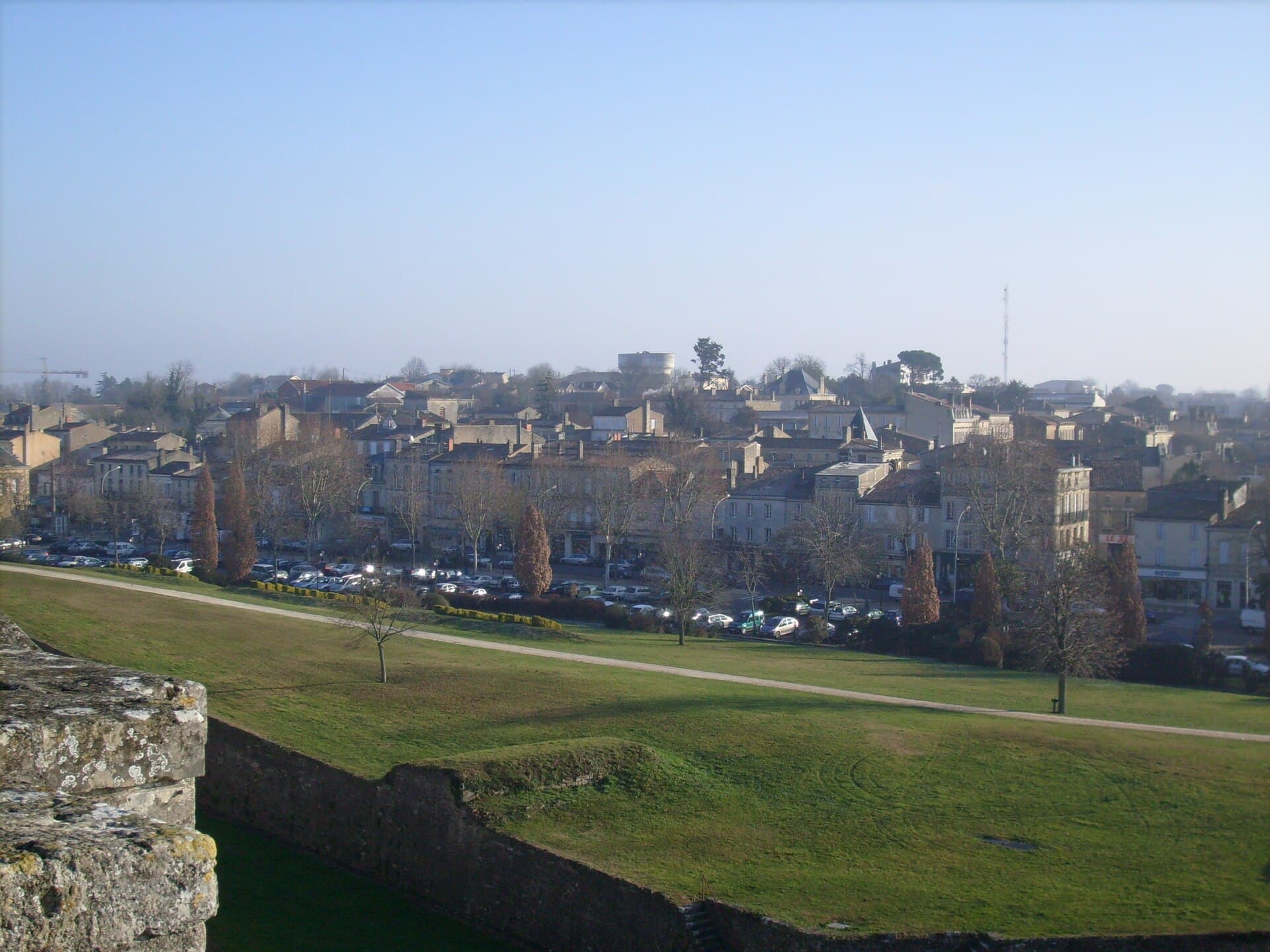 Cobber17 / CC BY-SA 3.0, via Wikimedia Commons
Tour de audio autoguiado de Blaye — ruta GPS a pie, reproducción offline, narración en 32 idiomas.
“Donde la historia vigila el estuario de la Gironda.”
No las postales. Las historias que ni los locales conocen — al oído, justo donde ocurrieron.
Bajo las murallas en forma de estrella de la formidable ciudadela de Blaye se esconde una red oculta.
Aunque la Ribera Izquierda de Burdeos goza de considerable renombre, la región vinícola de Blaye guarda un intrigante secreto sobre su pasado.
Dentro de la imponente Ciudadela de Blaye del siglo XVII, se pueden descubrir los restos de una estructura mucho más antigua.
Descubre todos los secretos de Blaye
Cada dirección, cada revelación al completo — a tu oído, justo donde ocurrió.
Eliges tus paradas. Caminas. La voz te revela lo que los demás ignoran.


Tu tour de audioguía por Blaye te espera — elige tus lugares, tu idioma y empieza al llegar.
ComprarLume incluye una guía de realidad aumentada. Levanta el móvil y su cámara muestra la calle que tienes delante, con una flecha luminosa sobre la imagen real que siempre apunta a tu próxima parada — sin mapas que descifrar, sin giros equivocados. Como todo en Lume, funciona completamente sin conexión.
Blaye, una comuna en el suroeste de Francia, se asienta en la orilla derecha del estuario de la Gironda, donde convergen los ríos Dordoña y Garona. Esta ubicación estratégica la ha convertido en un puerto importante desde la antigüedad, facilitando la exportación de bienes como grano y vino tinto. La ciudad, una vez conocida como Blaye-et-Sainte-Luce, fue oficialmente renombrada Blaye en junio de 1961.
Blaye es reconocida principalmente por su formidable ciudadela del siglo XVII, declarada Patrimonio de la Humanidad por la UNESCO, que se eleva majestuosamente sobre el estuario. Esta estructura fortificada, junto con Fort Paté y Fort Médoc, formó un sistema de defensa crucial que protegía Burdeos de las invasiones navales. Más allá de su pasado militar, Blaye presenta una mezcla de patrimonio, naturaleza y viñedos, lo que la convierte en un destino atractivo en la región de Nueva Aquitania.
La historia de Blaye se remonta a la antigüedad, cuando servía como puerto galo. Su posición elevada en el estuario de la Gironda estableció rápidamente su importancia estratégica. La leyenda incluso sugiere que Roland, sobrino de Carlomagno y héroe militar franco, fue enterrado en una basílica en el sitio de la actual ciudadela alrededor del año 778.
A lo largo de la Edad Media, Blaye desempeñó un papel vital en los conflictos, particularmente durante las guerras contra los ingleses, quienes incendiaron su ciudadela en 1352. Siguió siendo una fortaleza importante durante las Guerras de Religión francesas en el siglo XVI.
El capítulo más definitorio en la historia militar de Blaye comenzó en 1685. El ingeniero militar jefe del rey Luis XIV, Sébastien Le Prestre de Vauban, propuso construir una 'cerradura' en la Gironda para controlar el río y proteger Burdeos de los ataques enemigos. Entre 1685 y 1689, Vauban diseñó y supervisó la construcción de la Ciudadela de Blaye, una fortificación monumental que se convirtió en el elemento central del 'Cerrojo del Estuario'. Este innovador sistema de defensa también incluía Fort Paté, ubicado en una isla en el estuario, y Fort Médoc en la orilla occidental, diseñados para cubrir colectivamente los 3 kilómetros de ancho de la Gironda, una necesidad debido al alcance limitado de los cañones en ese momento.
En 2008, la Ciudadela de Blaye, junto con otros 11 grupos de fortificaciones diseñadas por Vauban, fue reconocida como Patrimonio de la Humanidad por la UNESCO, un testimonio de su influencia global en la arquitectura militar. Hoy, la ciudadela es un monumento vivo, con sus calles y plazas albergando tiendas de artesanos, cafés y comerciantes de vino.
La Ciudadela de Blaye es la pieza central innegable, un sitio del Patrimonio Mundial de la UNESCO que ofrece entrada gratuita a sus murallas. Recorre su diseño en forma de estrella, bastiones, torres de vigilancia y fosos. En su interior, descubre las ruinas del Castillo de Rudel del siglo XII y el sencillo pero elegante Convento de los Mínimos, que continuó ofreciendo sacramentos hasta la Revolución Francesa. Hay visitas guiadas disponibles, incluyendo el acceso a los pasajes subterráneos de la ciudadela.
Más allá de las murallas de la ciudadela, Blaye sirve como capital de la región vinícola de Blayais, célebre por sus vinos tintos Côtes de Blaye, predominantemente a base de Merlot. Visita la Maison du Vin en Cours Vauban para catas, o explora bodegas locales como Château Monconseil-Gazin o Château Nodot. La ciudad alberga animados mercados al aire libre todos los miércoles y sábados frente a la Ciudadela, presentando productos locales, mariscos y especialidades regionales como espárragos e higos.
Considera un viaje en ferry por la Gironda para observar Fort Médoc, completando el sistema de defensa del 'Cerrojo del Estuario'. Para una perspectiva diferente, también hay disponibles cruceros fluviales por el estuario, que ofrecen oportunidades para explorar islas.
Blaye disfruta de aproximadamente 240 días de sol al año. La primavera es particularmente atractiva, con el festival Printemps des Vins de Blaye en abril, que reúne a viticultores para catas y eventos dentro de la ciudadela. De marzo a mayo también es la temporada alta de espárragos, un producto local muy apreciado. Los veranos son cálidos, con julio y agosto presentando un programa de actividades de verano llamado 'Activ'été' y el Jumping International de Blaye, una competición ecuestre. Las Jornadas Europeas del Patrimonio en septiembre ofrecen acceso especial a los sitios.
Blaye se encuentra a aproximadamente 50 kilómetros de Burdeos. La forma más económica de viajar entre Blaye y Burdeos es en autobús, que tarda aproximadamente 1 hora y 22 minutos y cuesta alrededor de 3 €. Los servicios directos de autobús operan cada hora de lunes a sábado. Conducir tarda unos 44 minutos. La Oficina de Turismo de Blaye, ubicada en 1 Place de la Citadelle, ofrece información sobre alojamiento, restaurantes, actividades y visitas guiadas. Abren todos los días durante la temporada alta (del 23 de junio al 21 de septiembre) de 10:00 a 13:00 y de 14:00 a 18:00, con horarios variables durante otras temporadas. Se habla inglés y español. La moneda local es el Euro.
Blaye en coreano, en chino o en hebreo — y 29 idiomas más, cada parada narrada por una voz nativa. La mayor variedad de idiomas de cualquier audioguía autoguiada.
Disponible en: