Basílica de Santa Cristina
Debajo de la Basílica de Santa Cristina, se despliega un extenso mundo subterráneo, mucho más que un simple cementerio.
La historia completa se desbloquea en el tour
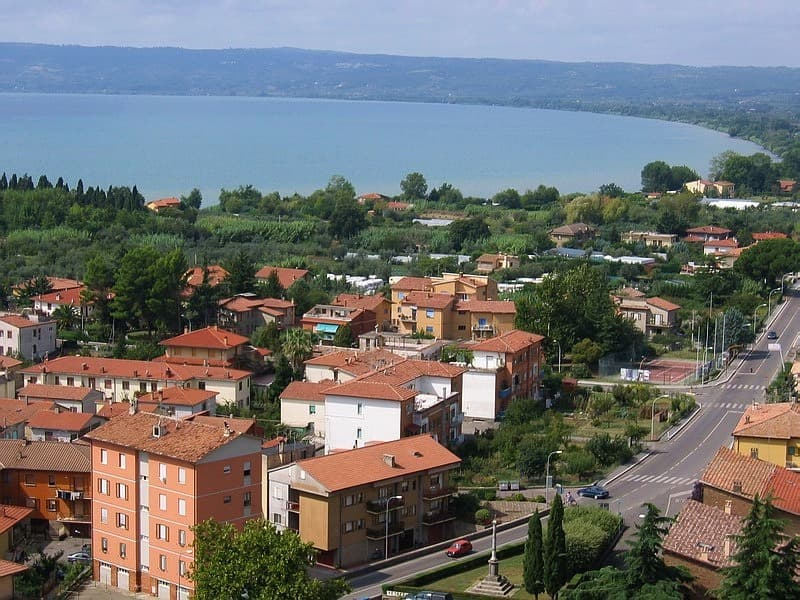 Wikimedia / cc by 2.0, via Wikimedia Commons
Tour de audio autoguiado de Bolsena — ruta GPS a pie, reproducción offline, narración en 32 idiomas.
“Donde los misterios ancestrales se encuentran con el abrazo sereno del lago volcánico más grande de Europa.”
No las postales. Las historias que ni los locales conocen — al oído, justo donde ocurrieron.
Debajo de la Basílica de Santa Cristina, se despliega un extenso mundo subterráneo, mucho más que un simple cementerio.
La misma tierra que ocupa Bolsena guarda un secreto sobre sus orígenes romanos, una narrativa de reubicación forzada y un nuevo comienzo.
Esta serena masa de agua, la más grande de su tipo en Europa, oculta una peculiaridad geológica sorprendente que la hace comportarse de manera similar al mar.
Descubre todos los secretos de Bolsena
Cada dirección, cada revelación al completo — a tu oído, justo donde ocurrió.
Eliges tus paradas. Caminas. La voz te revela lo que los demás ignoran.


Tu tour de audioguía por Bolsena te espera — elige tus lugares, tu idioma y empieza al llegar.
ComprarLume incluye una guía de realidad aumentada. Levanta el móvil y su cámara muestra la calle que tienes delante, con una flecha luminosa sobre la imagen real que siempre apunta a tu próxima parada — sin mapas que descifrar, sin giros equivocados. Como todo en Lume, funciona completamente sin conexión.
Bolsena, una cautivadora ciudad en el norte de Lazio, ofrece un escape sereno en las orillas orientales de su lago homónimo, el lago volcánico más grande de Europa. Este pintoresco destino, aproximadamente a 90 kilómetros al norte de Roma, entrelaza la belleza natural con un rico tejido de historia, desde sus inicios etruscos hasta su carácter medieval.
Conocido por sus aguas excepcionalmente claras y aptas para el baño, y sus playas de arena volcánica oscura, el lago de Bolsena a menudo se describe como 'el lago que se puede beber'. La ciudad misma, con sus serpenteantes callejones y sus centenarios monumentos, invita a la exploración. Bolsena es un lugar donde las historias antiguas resuenan desde las profundidades de las catacumbas y las fortalezas medievales, ofreciendo un profundo sentido de la historia en medio de las tranquilas vistas del lago.
La historia de Bolsena se remonta a la antigüedad, con descubrimientos arqueológicos en el lecho del lago que datan de los períodos Neolítico y Eneolítico, y viviendas lacustres de las Edades del Hierro y del Bronce. Los orígenes de la ciudad están profundamente entrelazados con la civilización etrusca. Si bien la opinión académica varía, Bolsena es ampliamente considerada la sucesora de la antigua ciudad romana de Volsinii (a veces llamada Volsinii Novi). La formidable ciudad etrusca original de Velzna (o Volsinii Veteres), que algunos historiadores identifican con la actual Orvieto, fue destruida por los romanos en el 264 a.C. Los habitantes supervivientes fueron entonces obligados a reconstruir en la orilla oriental del lago de Bolsena, dando origen al asentamiento romano que se convertiría en la Bolsena moderna. Esta nueva Volsinii no fue simplemente una ciudad conquistada, sino una reiniciada, con un nuevo foro, basílica, casas y templos, aunque tardó generaciones en florecer por completo.
El cristianismo comenzó a extenderse rápidamente en Volsinii hacia finales del siglo III d.C., dejando un impresionante legado en las Catacumbas de Santa Cristina. Estas catacumbas, debajo de la Basílica de Santa Cristina, forman un complejo monumental de importancia paleocristiana, que contiene más de 1,600 tumbas desde finales del siglo III hasta principios del siglo VI d.C. Bolsena ganó una importante prominencia religiosa en 1263 con el Milagro Eucarístico. Un sacerdote bohemio, Pedro de Praga, que dudaba de la doctrina de la transubstanciación, presenció cómo una hostia consagrada sangraba sobre el corporal durante la Misa en la Basílica de Santa Cristina. Este milagro convenció al Papa Urbano IV de extender la Fiesta del Corpus Christi a la Iglesia universal en 1264, con la liturgia tradicionalmente atribuida a Tomás de Aquino.
El período medieval vio la construcción del imponente Castello Rocca Monaldeschi della Cervara, una fortaleza de los Orvietani de los siglos XIII-XIV, que aún domina el horizonte de Bolsena. La ubicación estratégica de la ciudad en la Via Cassia, una antigua calzada romana, aseguró su continua importancia como centro cultural y económico a lo largo de estos siglos.
Comience su exploración en el centro histórico de Bolsena, donde antiguos callejones conducen a monumentos centenarios. El Castello Rocca Monaldeschi della Cervara se alza sobre la ciudad, ofreciendo amplias vistas del lago. En su interior, el Museo Territorial del Lago de Bolsena alberga artefactos etruscos, romanos y medievales, junto con el Acuario de Bolsena, que exhibe la vida acuática local.
Una visita a la Basílica de Santa Cristina, dedicada a la santa patrona de Bolsena, es esencial. Aquí, puede descender a las Catacumbas de Santa Cristina, una extensa necrópolis paleocristiana con más de 1,600 tumbas antiguas. La basílica también marca el lugar del Milagro Eucarístico de 1263, un evento fundamental en la historia católica.
Para una visión de los orígenes romanos y posibles etruscos de la ciudad, visite el Área Arqueológica de Poggio Moscini. Aquí, puede explorar las ruinas de la Volsinii romana, incluyendo un foro y viviendas privadas, una de ellas con una intrigante sala subterránea.
Naturalmente, el Lago de Bolsena en sí mismo es un atractivo principal. Disfrute de paseos en bote, ciclismo, pesca y natación en sus aguas claras. Hay excursiones en barco disponibles a las dos islas volcánicas del lago, Isola Bisentina e Isola Martana. Mientras que Martana es privada, Bisentina, con sus capillas renacentistas y senderos, está abierta para visitas guiadas. El paseo junto al lago es perfecto para paseos sin prisas, especialmente al atardecer.
Las épocas más agradables para visitar Bolsena son durante la primavera (de abril a junio) y principios de otoño (de septiembre a octubre). Estas temporadas intermedias ofrecen temperaturas agradables, menos multitudes y hermosos paisajes con flores silvestres floreciendo en primavera. El lago se vuelve lo suficientemente cálido para nadar a finales de mayo o junio. Junio es especialmente atractivo por el festival floral Bolsena Infiorata, que se celebra alrededor de la festividad del Corpus Christi. El verano (julio y agosto) es temporada alta, con temperaturas cálidas ideales para actividades acuáticas, pero también atrae a más visitantes y precios más altos. Los inviernos son más tranquilos y serenos, adecuados para quienes buscan un descanso contemplativo centrado en la historia y el paisaje.
Bolsena está situada en la provincia de Viterbo, aproximadamente a 90 kilómetros al norte de Roma. La forma más conveniente de explorar todo el circuito del lago y las ciudades de las colinas circundantes es en coche. El transporte público desde Roma conecta a través del autobús COTRAL por Viterbo o en tren a Orvieto, seguido de un autobús de conexión a Bolsena. El estacionamiento generalmente está disponible en las ciudades junto al lago, aunque puede estar más concurrido durante la temporada alta.
Para actividades acuáticas, se pueden alquilar barcos en Capodimonte o Bolsena. La pesca requiere un permiso, que se puede obtener a través de la oficina de turismo de la ciudad. Andar en bicicleta alrededor del lago es una actividad popular, con alquiler de bicicletas disponible junto al lago. Los costos diarios para los viajeros varían, con opciones económicas entre 70 y 110 € por persona, de gama media entre 115 y 180 €, y de lujo entre 195 y 310 €, todo por persona por día con alojamiento compartido entre dos.
Bolsena en coreano, en chino o en hebreo — y 29 idiomas más, cada parada narrada por una voz nativa. La mayor variedad de idiomas de cualquier audioguía autoguiada.
Disponible en: