Estación de tren de Buriram
En la estación de tren de Buriram, un aperitivo local encarna más que solo comida; es una tradición arraigada con un ingrediente sorprendente.
La historia completa se desbloquea en el tour
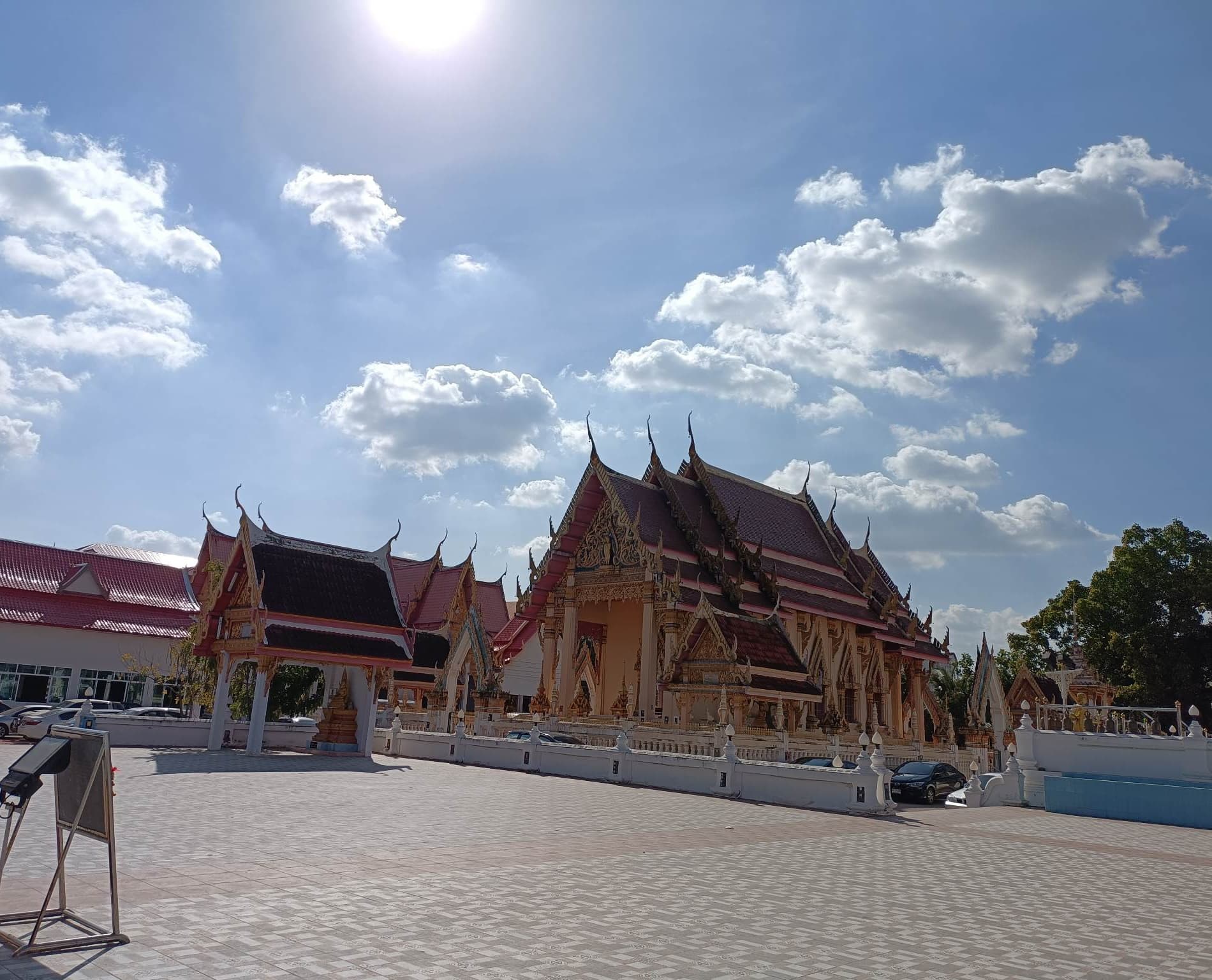 Photo of Khon Kaen, via Wikimedia Commons
Tour de audio autoguiado de Buriram — ruta GPS a pie, reproducción offline, narración en 32 idiomas.
“Donde los ecos del antiguo Khmer se encuentran con el rugido de los campeones modernos.”
No las postales. Las historias que ni los locales conocen — al oído, justo donde ocurrieron.
En la estación de tren de Buriram, un aperitivo local encarna más que solo comida; es una tradición arraigada con un ingrediente sorprendente.
Este antiguo complejo de templos jemer, construido sobre un volcán extinto, presenta una maravilla arquitectónica que se alinea con el sol solo dos veces al año.
El estadio de fútbol local, conocido como 'Castillo del Trueno', tiene un apodo que une los deportes contemporáneos con el pasado antiguo de la región.
Descubre todos los secretos de Buriram
Cada dirección, cada revelación al completo — a tu oído, justo donde ocurrió.
Eliges tus paradas. Caminas. La voz te revela lo que los demás ignoran.

Tu tour de audioguía por Buriram te espera — elige tus lugares, tu idioma y empieza al llegar.
ComprarLume incluye una guía de realidad aumentada. Levanta el móvil y su cámara muestra la calle que tienes delante, con una flecha luminosa sobre la imagen real que siempre apunta a tu próxima parada — sin mapas que descifrar, sin giros equivocados. Como todo en Lume, funciona completamente sin conexión.
Buriram, que significa 'Ciudad de la Felicidad' en sánscrito, se erige como un destino cautivador en la región nororiental inferior (Isan) de Tailandia. Antaño un centro agrícola, se ha reinventado notablemente como un punto focal nacional para el deporte y la herencia jemer antigua. Esta transformación ofrece a los visitantes una mezcla singular de experiencias, desde explorar complejos de templos milenarios construidos sobre volcanes extintos hasta presenciar la ferviente energía de eventos deportivos de clase mundial.
Más allá de los grandes estadios y parques históricos, Buriram ofrece una ventana a la auténtica cultura Isan. Es un lugar donde las tradiciones de los antiguos jemeres, laosianos y tailandeses se entrelazan, evidente en su cocina local, artesanías y la genuina hospitalidad de sus residentes. Aunque puede que no posea el bullicio de Bangkok o Phuket, Buriram ofrece un viaje distinto y enriquecedor para aquellos que buscan una conexión más profunda con el pasado diverso y el presente dinámico de Tailandia.
## Raíces Antiguas e Influencia Jemer La historia de Buriram se extiende por más de mil años, profundamente entrelazada con el formidable Imperio Jemer, que dominó gran parte del sudeste asiático entre los siglos IX y XV. La evidencia arqueológica confirma la habitación humana en la región desde tiempos prehistóricos, con descubrimientos significativos del período Dvaravati. Durante el apogeo del Imperio Jemer, se erigieron numerosos complejos de templos, dejando una marca duradera en la identidad cultural local. El más prominente de ellos, el Parque Histórico de Phanom Rung, se eleva majestuosamente sobre un volcán extinto, un testimonio de la brillantez arquitectónica de los antiguos jemeres.
## De Muang Pae a Buriram Antes del ascenso de Bangkok, poco se documentó extensamente sobre Buriram. A principios del siglo XIX, durante el incipiente Período de Bangkok, la ciudad, originalmente conocida como Muang Pae, fue rebautizada como Buriram y reconoció oficialmente la soberanía tailandesa. La región se incorporó formalmente a Siam como provincia tras las reformas administrativas de finales del siglo XIX bajo el rey Rama V. La economía de los primeros Buriram era principalmente agraria, con suelos volcánicos fértiles que sustentaban el cultivo de arroz y otros productos.
## Transformación Moderna e Identidad Deportiva Un punto de inflexión significativo en la historia moderna de Buriram llegó con la construcción del estadio Chang Arena en 2011. Este estadio de fútbol de clase mundial, que cumple con los estándares de la FIFA, inició un cambio de marca estratégico de la ciudad, transformándola de un área provincial en una 'Ciudad del Deporte'. Esta visión fue impulsada en gran medida por el político local Newin Chidchob, quien defendió la inversión en deportes, estableciendo Buriram United como el club de fútbol más exitoso de Tailandia y construyendo el Circuito Internacional de Chang, una importante pista de carreras de deportes de motor. Hoy en día, Buriram es celebrada por su distintiva mezcla de herencia jemer antigua e instalaciones deportivas ultramodernas, ofreciendo una fusión cultural única.
Buriram presenta una fascinante combinación de maravillas antiguas y modernas. La atracción principal es el Parque Histórico de Phanom Rung, un impresionante complejo de templos jemeres de los siglos X al XIII construido sobre un volcán extinto. Sus intrincadas tallas, bajorrelieves y su singular alineación con el sol durante los equinoccios lo convierten en un sitio verdaderamente notable. Cerca de allí, explore el igualmente impresionante y bien conservado Prasat Muang Tam, que se distingue por sus estanques en forma de L.
Para una vista panorámica de la ciudad, ascienda Khao Kradong, otro volcán extinto cerca del centro de la ciudad. En su cima, encontrará la imagen de Buda de la ciudad, Phra Suphatthra Bophit, y un cráter visible. Los entusiastas del deporte querrán visitar el Chang Arena, sede del dominante club de fútbol Buriram United, o el Circuito Internacional de Chang, de clase mundial, que alberga importantes eventos de deportes de motor. Por las noches, sumérjase en la vida local en So Krao Walking Street, un animado mercado nocturno que ofrece deliciosa comida callejera y artesanías locales.
El período ideal para visitar Buriram es durante la estación fresca y seca, de noviembre a febrero. Durante estos meses, las temperaturas son agradables, oscilando entre los 20°C y los 30°C, y las precipitaciones son mínimas, lo que lo hace perfecto para actividades al aire libre y para explorar las ruinas antiguas. Marzo y abril pueden ser intensamente calurosos, con temperaturas que a menudo superan los 35°C, mientras que la estación lluviosa de mayo a octubre trae un aumento de las precipitaciones, alcanzando su punto máximo en agosto y septiembre.
Llegar a Buriram es sencillo, con el Aeropuerto de Buriram (BFV) que ofrece vuelos diarios desde el Aeropuerto Don Mueang de Bangkok. Los autobuses y trenes también conectan Buriram con Bangkok y las provincias vecinas. Una vez en la ciudad, Buriram es transitable a pie, y puede usar aplicaciones de transporte como GRAB para distancias más largas. El transporte público dentro de la provincia puede ser limitado, por lo que a menudo es aconsejable alquilar un coche o una motocicleta para explorar sitios fuera del centro de la ciudad. Hay opciones de alojamiento disponibles, con varios hoteles y casas de huéspedes alrededor de la estación de tren. Empaque ropa ligera y transpirable debido al clima tropical, y recuerde vestirse con respeto al visitar templos.
Buriram en coreano, en chino o en hebreo — y 29 idiomas más, cada parada narrada por una voz nativa. La mayor variedad de idiomas de cualquier audioguía autoguiada.
Disponible en: