Chiesa dei Novelli Innocenti (Iglesia de los Santos Nuevos Inocentes)
Esta iglesia guarda un secreto sombrío, casi mítico, ligado a una tragedia medieval.
La historia completa se desbloquea en el tour
 User:Yoruno / public domain, via Wikimedia Commons
Tour de audio autoguiado de Carloforte — ruta GPS a pie, reproducción offline, narración en 32 idiomas.
“Donde los ecos ligures se encuentran con las costas sardas, y el atún cuenta una historia atemporal.”
No las postales. Las historias que ni los locales conocen — al oído, justo donde ocurrieron.
Esta iglesia guarda un secreto sombrío, casi mítico, ligado a una tragedia medieval.
Observe de cerca el arco de esta antigua puerta para ver un poderoso símbolo de resiliencia.
Esta iglesia alberga una estatua con un viaje notable, nacida de un período de cautiverio.
Descubre todos los secretos de Carloforte
Cada dirección, cada revelación al completo — a tu oído, justo donde ocurrió.
Eliges tus paradas. Caminas. La voz te revela lo que los demás ignoran.

Tu tour de audioguía por Carloforte te espera — elige tus lugares, tu idioma y empieza al llegar.
ComprarLume incluye una guía de realidad aumentada. Levanta el móvil y su cámara muestra la calle que tienes delante, con una flecha luminosa sobre la imagen real que siempre apunta a tu próxima parada — sin mapas que descifrar, sin giros equivocados. Como todo en Lume, funciona completamente sin conexión.
Frente a la costa suroeste de Cerdeña, la isla de San Pietro guarda un tesoro singular: la ciudad de Carloforte. Este no es solo otro pueblo costero italiano; es un testimonio vivo de una historia notable, un lugar donde las tradiciones, el idioma y la cocina ligures han florecido durante siglos, lejos de su hogar ancestral. A medida que su ferry se acerca, sentirá inmediatamente la diferencia: casas de colores pastel trepan por una ladera, y el aire lleva el aroma de atún y alcaparras, insinuando una herencia profundamente entrelazada con el mar.
Carloforte, la única ciudad de la isla, es una cautivadora mezcla de culturas, una porción única de Italia que se siente remota y acogedora. Su identidad fue forjada por una comunidad de pescadores de coral que, después de generaciones en una isla tunecina, buscaron un nuevo comienzo en estas costas. El resultado es una ciudad que ha conservado su distintivo dialecto tabarkino, una tradición culinaria influenciada tanto por Liguria como por el norte de África, y una profunda conexión con el antiguo arte de la pesca del atún.
La historia de Carloforte no comienza en Cerdeña, sino en la ciudad ligur de Pegli, cerca de Génova, en 1541. Un grupo de pescadores y comerciantes de coral se embarcó en un viaje que definiría generaciones, asentándose en la isla tunecina de Tabarka para recolectar el preciado 'oro rojo del mar'. Durante casi dos siglos, prosperaron, pero a medida que los suministros de coral disminuían y las relaciones con los gobernantes locales se volvían cada vez más desafiantes, una nueva migración fue necesaria.
En 1738, estos descendientes de Tabarka buscaron refugio y un nuevo hogar. El Rey Carlos Manuel III de Saboya, gobernante de Piamonte, Liguria y Cerdeña, les concedió permiso para colonizar la entonces deshabitada Isola di San Pietro. En su honor, nombraron a su nuevo asentamiento Carloforte, que significa 'Carlos el Fuerte' o 'Fuerte de Carlos'. El trazado de la ciudad, con sus calles estrechas y sinuosas conocidas como carrugi, refleja la planificación urbana de su tierra natal ligur.
Sin embargo, la incipiente comunidad enfrentó desafíos significativos. En 1793, las fuerzas francesas ocuparon brevemente la isla, y en un incidente notable, el revolucionario Filippo Buonarroti, inspirado en Rousseau, ayudó a los carlofortinos a redactar la primera constitución republicana en suelo italiano. Solo cinco años después, en 1798, una devastadora incursión de piratas berberiscos vio a más de 900 carlofortinos esclavizados en Túnez durante cinco años. Este traumático evento impulsó la construcción de extensas fortificaciones, incluyendo murallas defensivas, siete fuertes y la icónica Porta Leone, a partir de 1806, para proteger la ciudad de futuros ataques.
El siglo XIX trajo un período de prosperidad a medida que el puerto de Carloforte se convirtió en un centro para el transporte marítimo de minerales extraídos de las cercanas minas de Sulcis. Sin embargo, el corazón de la ciudad permaneció ligado al mar, particularmente a la antigua tradición de la pesca del atún. La 'tonnara', un complejo sistema de redes y una captura ritual conocida como la 'mattanza', se ha practicado aquí durante siglos, un legado que se remonta a la época fenicia. El atún rojo capturado aquí es reconocido por su calidad, y gran parte de él se enviaba históricamente a Japón para sushi.
Hoy, Carloforte continúa celebrando su herencia única. El dialecto tabarkino, una variante del genovés con influencias árabes y sardas, todavía se habla ampliamente e incluso se enseña en las escuelas, un testimonio de la determinación de la comunidad de preservar sus raíces lingüísticas. Esta mezcla de historia, idioma y tradición marinera ha valido a Carloforte el reconocimiento como uno de los pueblos más bellos de Italia, un destino cautivador donde el pasado está vívidamente vivo en sus calles, sus sabores y su gente.
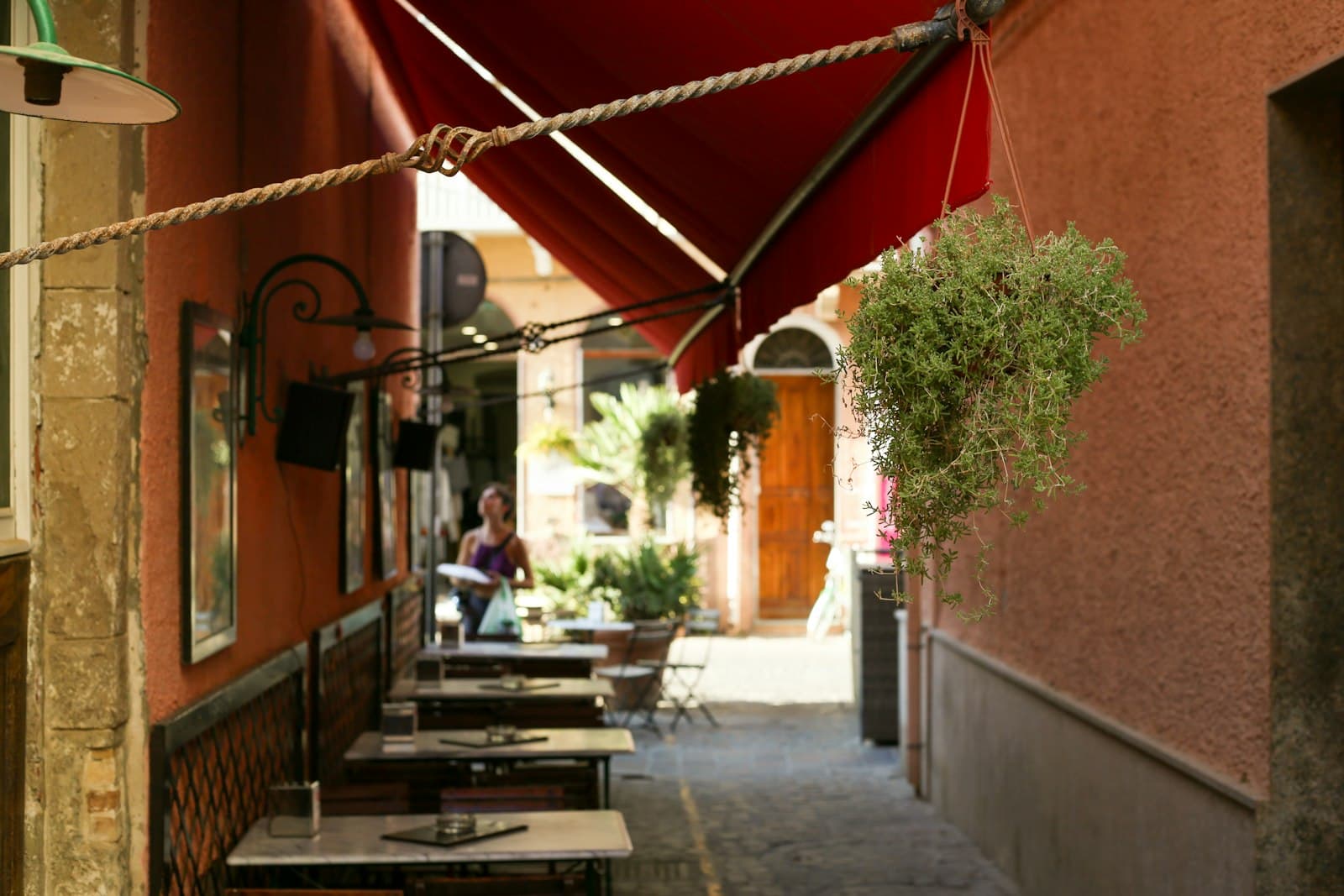
Carloforte ofrece un centro compacto y transitable con mucho que explorar. Comience su viaje en el puerto, donde una estatua de mármol del Rey Carlo Emanuele III se erige como un tributo al fundador de la ciudad. Desde allí, pasee por los carrugi, los callejones estrechos y de colores pastel que serpentean cuesta arriba, revelando encantadoras plazas y arquitectura tradicional ligur.
No pase por alto la Iglesia Parroquial de San Carlo Borromeo, una iglesia neoclásica construida en 1775, que refleja el estilo arquitectónico de Pegli, el hogar ligur original de los colonos. Cerca, la Chiesa della Madonna dello Schiavo guarda una conmovedora historia de la resiliencia de la ciudad frente a las incursiones piratas. Para echar un vistazo al pasado defensivo de la ciudad, explore los restos de las fortificaciones, incluida la Porta Leone con su cabeza de león tallada, y el Forte San Vittorio, que ahora alberga un museo multimedia que detalla la historia de la isla.
Más allá de la ciudad, la isla de San Pietro ofrece una costa escarpada con belleza natural. Diríjase al punto más occidental de Italia, al Faro de Capo Sandalo, para disfrutar de amplias vistas. Descubra los dramáticos farallones conocidos como Le Colonne, esculpidos por millones de años de erosión marina. Para una relajación tranquila, visite playas como Spiaggia La Bobba con sus aguas cristalinas y telón de fondo rocoso, o la serena Cala Fico, una cala protegida ideal para hacer snorkel. Las Saline di Carloforte, antiguas salinas, son ahora un refugio para la observación de aves, donde podrá avistar flamencos rosados.
Carloforte es más atractiva a finales de primavera y principios de otoño. Mayo, junio, septiembre y octubre ofrecen un clima cálido, temperaturas suaves y menos multitudes que los meses pico de verano. Estos períodos son ideales para hacer turismo, explorar la ciudad y disfrutar de la belleza natural de la isla. Julio y agosto son los meses más concurridos y calurosos, con temperaturas promedio que alcanzan hasta 33°C (91°F), lo que lo hace perfecto para actividades de playa, pero también conlleva precios más altos y más visitantes. Si desea experimentar el famoso festival del atún Girotonno, planifique su visita para finales de mayo o principios de junio.
Carloforte se encuentra en la Isola di San Pietro, aproximadamente a 7 kilómetros de la costa suroeste de Cerdeña. La isla es accesible solo en ferry. Los ferries salen con frecuencia desde Portovesme (un viaje de 40 minutos) y Calasetta en la isla de Sant'Antioco (un viaje de 30 minutos). Es recomendable reservar los billetes con antelación, especialmente durante la temporada alta. El aeropuerto más cercano es Cagliari-Elmas (CAG), a unos 90 km de la terminal de ferry de Portovesme. Desde Cagliari, puede llegar a los puertos de ferry en coche, autobús (ARST) o servicio de transporte. Una vez en la isla, el centro de Carloforte es compacto y muy transitable a pie. Para explorar el resto de San Pietro, considere alquilar una bicicleta, scooter o coche, o utilice el servicio de autobús local ARST.
Carloforte en coreano, en chino o en hebreo — y 29 idiomas más, cada parada narrada por una voz nativa. La mayor variedad de idiomas de cualquier audioguía autoguiada.
Disponible en: