Cattedrale di Santa Chiara
Cette cathédrale détient une distinction surprenante, une 'première' qui pourrait vous faire reconsidérer sa façade discrète.
L'histoire complète se débloque dans le tour
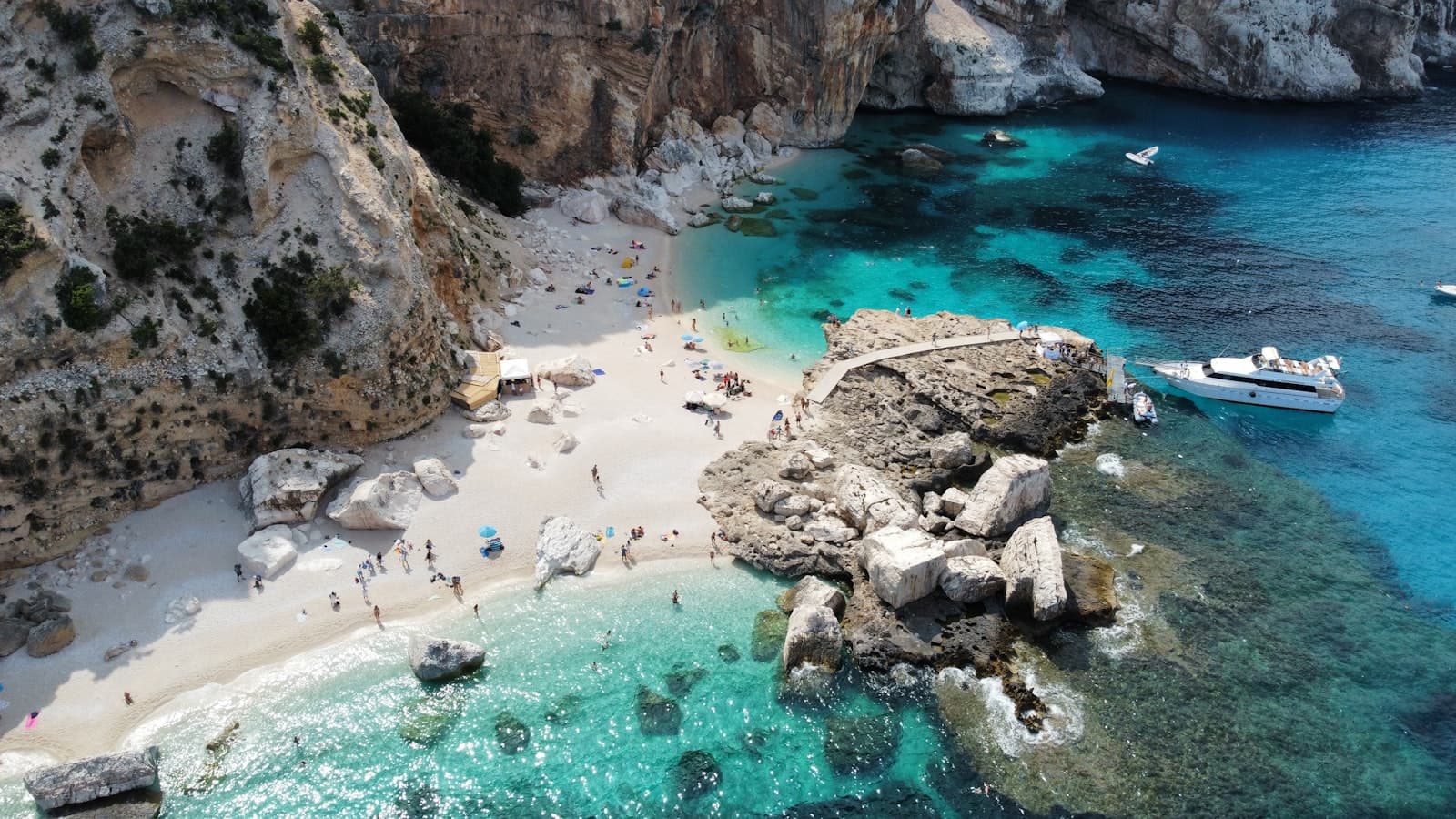 Photo: Alexandra Cozmei / Unsplash
Visite audio autoguidée de Iglesias — parcours GPS à pied, lecture hors ligne, narration en 32 langues.
“Sous une ville d'églises, un monde d'argent et de secrets vous attend.”
Pas les cartes postales. Les histoires que même les habitants ignorent — soufflées à l'oreille, là où elles se sont passées.
Cette cathédrale détient une distinction surprenante, une 'première' qui pourrait vous faire reconsidérer sa façade discrète.
Au-delà de son architecture romane et gothique, un trésor particulier à l'intérieur de la cathédrale est vénéré par les habitants et les pèlerins.
Parmi les nombreuses églises, l'une abrite une représentation unique de la Vierge Marie, un détail que vous pourriez manquer si vous ne regardez pas attentivement, à l'intérieur comme à l'extérieur.
Découvrez tous les secrets de Iglesias
Chaque adresse, chaque révélation en entier — dans ton oreille, là où elle s'est passée.
Tu choisis tes lieux. Tu marches. La voix te révèle ce que les autres ignorent.


Votre visite audioguidée de Iglesias vous attend — choisissez vos lieux, votre langue, et lancez-vous dès votre arrivée.
AcheterLume intègre un guide en réalité augmentée. Levez votre téléphone : sa caméra montre la rue devant vous, avec une flèche lumineuse posée sur l'image réelle qui pointe toujours vers votre prochain arrêt — aucune carte à déchiffrer, aucun mauvais virage. Comme tout dans Lume, ça fonctionne entièrement hors-ligne.
Iglesias, une ville nichée dans les collines du sud-ouest de la Sardaigne, évoque les civilisations anciennes et un formidable passé industriel. Son nom, signifiant 'églises' en espagnol, fait allusion à un profond héritage religieux, mais ce sont les échos de l'exploitation minière qui définissent véritablement son caractère. Cette ville historique, autrefois un centre vital pour l'extraction du plomb, du zinc et de l'argent, offre un mélange captivant d'attrait médiéval et d'archéologie industrielle.
Au-delà de ses trésors architecturaux et historiques, Iglesias sert de porte d'entrée à la beauté sauvage de la côte du Sulcis Iglesiente. Des falaises spectaculaires, des plages immaculées et des formations géologiques uniques ne sont qu'à une courte distance en voiture, invitant à l'exploration. Que vous soyez attiré par les merveilles souterraines, les vues côtières étendues ou les couches complexes de l'histoire sarde, Iglesias offre une expérience authentique et profondément engageante qui transcende les sentiers touristiques habituels.
Le territoire entourant Iglesias est habité depuis la préhistoire, avec des preuves d'activité humaine remontant au Néolithique et à l'âge du cuivre. Phéniciens, Carthaginois et Romains furent attirés par les abondantes ressources minérales de la région, établissant des colonies le long de la côte.
Iglesias commença véritablement à prospérer au 13e siècle. Après la chute du Judicat de Cagliari, la partie sud-ouest de la Sardaigne fut attribuée à la famille pisane Della Gherardesca. C'est le comte Ugolino della Gherardesca, figure immortalisée dans la Divine Comédie de Dante, qui fonda la ville, la nommant initialement 'Villa di Chiesa' (Ville de l'Église) vers 1272. Cette période pisane fut un âge d'or pour Iglesias, qui devint rapidement le centre le plus important du sud de la Sardaigne après Cagliari, en grande partie grâce à ses abondantes mines de plomb et d'argent. À son apogée au début du 14e siècle, ces mines fournissaient environ 10 % de l'argent européen. La ville développa même son propre code juridique, le Breve di Villa di Chiesa, pour réglementer la vie civique et les activités minières.
En 1324, après un long siège, Villa di Chiesa se rendit aux forces catalano-aragonaises, marquant le début d'une longue domination ibérique. Pendant cette période, le nom de la ville changea officiellement pour Iglesias. Cependant, le 17e siècle apporta des difficultés avec une domination espagnole inepte et des fléaux dévastateurs, entraînant l'abandon de nombreuses mines. Ce n'est qu'au 18e siècle, lorsque la Sardaigne devint partie du Royaume de Sardaigne sous la Maison de Savoie, que l'intérêt pour l'exploitation minière renaquit. Le milieu du 19e siècle inaugura une nouvelle ère de prospérité alors que les mines rouvraient et que de nouvelles entreprises émergaient. Iglesias devint un important district minier, attirant des travailleurs et des techniciens de toute l'Italie et de l'Europe, et sa population augmenta considérablement.
Les 19e et 20e siècles furent cruciaux pour l'industrie minière d'Iglesias, avec l'extraction de minéraux précieux comme le plomb, le zinc et l'argent qui façonnèrent l'économie et l'identité de la ville. La ville abrita une école minière renommée, formant des ingénieurs et des experts. Cependant, après la Seconde Guerre mondiale, le secteur minier sarde connut une crise, entraînant la fermeture éventuelle de nombreuses mines dans la région d'Iglesiente. Aujourd'hui, Iglesias embrasse son passé, préservant son patrimoine industriel à travers des musées et des sites miniers accessibles, tout en se développant comme un pôle touristique, offrant un mélange unique d'histoire, de culture et de beauté naturelle.
Commencez votre exploration dans le centre historique, un labyrinthe de rues étroites encadrées par l'architecture médiévale. La Cattedrale di Santa Chiara, datant de la fin du 13e siècle, est un point central avec ses éléments romans et gothiques et un clocher offrant des vues étendues. Ne manquez pas la Chiesa di San Francesco du 15e siècle et l'architecture d'influence espagnole de la Chiesa della Madonna delle Grazie.
Plongez dans le passé industriel d'Iglesias au Museo dell'Arte Mineraria (Musée de l'Art Minier), abrité dans l'ancien Institut Minier, qui offre un aperçu complet du patrimoine minier de la région. Pour une expérience plus immersive, aventurez-vous sur les sites miniers voisins. Porto Flavia est une étonnante prouesse d'ingénierie, un port creusé directement dans une falaise qui a autrefois rationalisé le chargement des minéraux. La Grotta di Santa Barbara, une grotte spectaculaire découverte par des mineurs, révèle des formations géologiques uniques. Explorez les ruines évocatrices de la Laveria Lamarmora à Nebida, une ancienne usine de traitement des minéraux avec un cadre côtier spectaculaire, ou le vaste complexe de la Mine de Monteponi.
Au-dessus de la ville, le Castello di Salvaterra offre un aperçu des fortifications médiévales et accueille des expositions. Promenez-vous sur la Piazza Sella, un centre névralgique pour les habitants, et admirez les bâtiments de style Liberty sur la Via Lamarmora, témoignage de la prospérité de la ville au début du 20e siècle.
Les meilleures périodes pour visiter Iglesias sont le printemps (mars, avril, mai, juin) et le début de l'automne (septembre, octobre, novembre). Pendant ces mois, les températures sont confortables, allant de 18°C à 30°C (65°F à 86°F), ce qui est idéal pour explorer le centre historique et les sites miniers extérieurs. La saison sèche de juin à septembre offre un ciel dégagé, juillet étant le mois le plus ensoleillé. Bien que juillet et août soient chauds, ils peuvent être assez caniculaires, surtout dans le sud de l'Italie, et correspondent également à la haute saison touristique. Les mois d'hiver sont plus doux, offrant une expérience plus calme pour visiter les musées et les églises.
Iglesias est facilement accessible. Vous pouvez rejoindre la ville en voiture depuis Cagliari via la route SS130 en environ une heure, ou par des services de train directs depuis Cagliari. Une fois à Iglesias, le centre historique est mieux exploré à pied. Pour vous aventurer sur les sites miniers et les zones côtières, une voiture offre la plus grande flexibilité. Les transports en commun dans la région sont disponibles mais peuvent être moins fréquents.
Des options d'hébergement sont disponibles à Iglesias et dans les environs, répondant à différentes préférences. L'italien est la langue dominante, mais l'anglais peut être parlé dans les établissements orientés vers le tourisme. Les paiements par carte sont largement acceptés, mais il est conseillé d'avoir de l'argent liquide pour les petits magasins ou les zones rurales. Le pourboire n'est pas strictement obligatoire, mais arrondir l'addition ou laisser quelques euros est apprécié. L'eau du robinet est potable.
Iglesias en coréen, en chinois ou en hébreu — et dans 29 autres langues, chaque étape narrée par une voix native. La plus large gamme de langues de tous les audioguides autoguidés.
Disponible en :