Muelle de las Almas (Dock of Souls)
There is a pier on Chiloé not for boats, but for something far more ethereal.
Full story unlocks in the tour
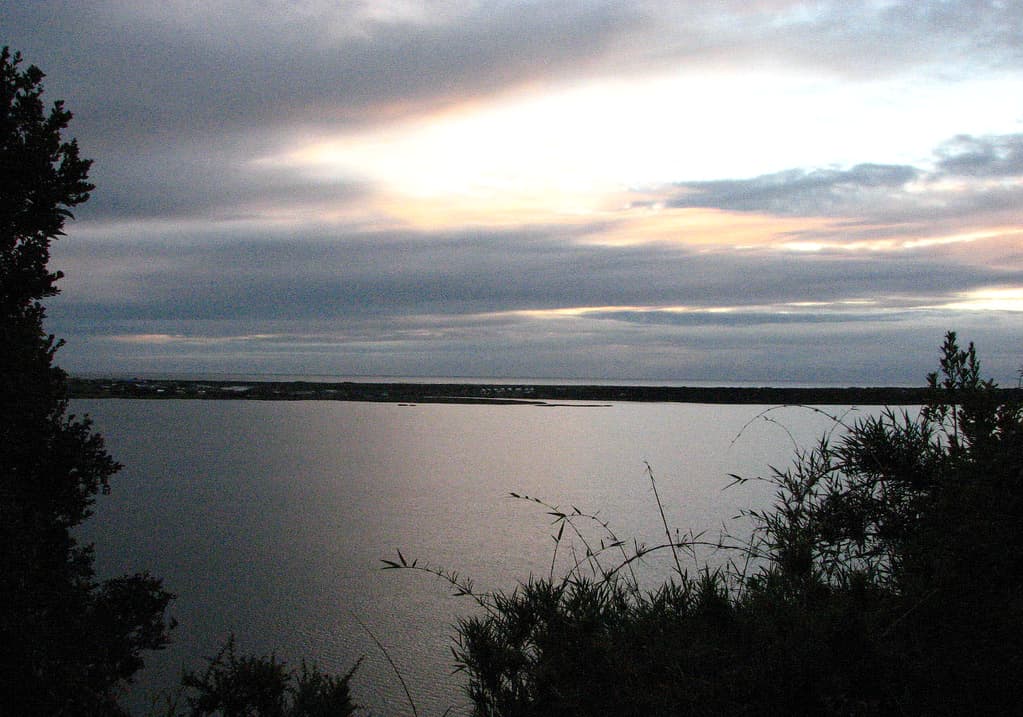 Photo of Cucao, via Wikimedia Commons
Self-guided audio walking tour of Chonchi — GPS route, offline playback, story-driven narration in 32 languages.
“Where wooden churches meet mythical shores on Chiloé Island.”
Not the postcards. The stories even locals don't know — whispered in your ear, right where they happened.
There is a pier on Chiloé not for boats, but for something far more ethereal.
Before its UNESCO recognition, this wooden church held a secret that might surprise you, especially if you visited as a child.
Chonchi is known as the "City of Three Floors," but it is not about buildings with multiple levels.
Discover every secret of Chonchi
Every address, every reveal in full — in your ear, right where it happened.
You pick your stops. You walk. The voice reveals what the others miss.

Your self-guided audio tour of Chonchi is ready — pick your landmarks, choose your language, and start the moment you arrive.
BuyLume has a built-in augmented-reality guide. Hold your phone up and its camera shows the street ahead of you, with a glowing arrow laid over the real view that always points to your next stop — no map to puzzle over, no wrong turns. Like everything in Lume, it works fully offline.
Chonchi, often called the "City of Three Floors," is a captivating town on Chiloé Island in Chile's Los Lagos region. Its distinctive terraced layout, where the town descends from a central plaza with a UNESCO-listed church to a lively waterfront, offers expansive views of the bay and surrounding islands. This inviting destination blends natural beauty with a rich cultural heritage, drawing visitors seeking an authentic Chilote experience.
The town is characterized by its traditional wooden houses and a tranquil atmosphere, reflecting the island's unique identity. Chonchi serves as a gateway to explore the wider Chiloé archipelago, with its serene lakes, green hills, and the wild expanse of Chiloé National Park nearby. It is a place where time seems to slow, inviting a deeper connection with the local traditions and the rhythms of island life.
Chonchi's local residents, known as Chonchino, are proud of their origin and uphold a traditional way of life, with over 60% of the commune's population residing in rural areas. The town's connection to maritime traditions is palpable, from its bustling market by the sea to the stories preserved in its museums.
## Origins and Colonial Foundations Chonchi's story begins long before its official founding, with the indigenous Huilliche people inhabiting the territory. Their traditions are still evident in the local culture. The town was officially established in 1767 by order of Don Guil y Gonzaga, the Governor of Chiloé. Initially, it served as a Jesuit mission station with a school, dating back to 1755. During the Spanish colonial era, Chonchi was an important outpost for the empire, part of a network of fortified points to manage the local population and protect against external threats.
## Growth and Economic Significance By 1787, Chonchi had a population of 315 people. Its strategic location on the eastern coast of Chiloé Island provided convenient access to sea routes, which was crucial for its economic development. When Chiloé joined Chile in 1826, Chonchi's economic importance grew, leading to population growth. The town thrived as a port, connecting communities across Chiloé and beyond. By 1833, a census revealed Chonchi to be the most important town in the south of Chiloé Island, becoming a church parish in 1836, which underscored its religious significance.
## The Timber Boom and European Influence The timber industry, particularly the cutting and selling of wood, transformed Chonchi into a bustling center. This economic prosperity led to a lively social life in the early 1900s, with European ideas influencing the town's style and culture. The town's unique wooden architecture, including its UNESCO World Heritage church, reflects the craftsmanship of Chilean carpenters who utilized local timber.
## Modern Day Chonchi Today, Chonchi maintains its administrative status and is a significant tourist destination in the Los Lagos region. Its history is preserved in its landmarks and traditions, offering a glimpse into the past of this captivating island. The town's layout, known as the "City of Three Floors," with its harbor, urban center, and main square, continues to tell the story of a community shaped by its geography and heritage.
Chonchi offers a blend of cultural heritage and natural beauty. The Church of San Carlos de Borromeo, a UNESCO World Heritage site, is a central landmark, notable for its monumental wooden structure and bright facade. Its craftsmanship, using local timber without a single nail, is a testament to Chilote carpentry.
For a deeper dive into local life, the Museo de las Tradiciones Chonchinas (Museum of Chonchi Traditions), housed in a restored wooden home, showcases household items, tools, and photographs that narrate the lives of early settlers and indigenous inhabitants. Another unique cultural stop is the Accordion Museum, displaying instruments vital to Chiloé's folk music.
The Chonchi Waterfront (Costanera) is a favored spot for walks, offering views of the ocean and coastal islands, where fishing boats can be observed. Beyond the town, Chiloé National Park provides opportunities for hiking, kayaking, and bird watching amidst forests and sandy trails leading to the Pacific. The Muelle de las Almas (Dock of Souls) is a captivating art installation that draws on indigenous mythology, offering a unique viewpoint and connection to the island's folklore. For a less crowded scenic experience, the Muelle del Tiempo Lookout provides views of offshore islands. You can also find local crafts and souvenirs at the Mercado Municipal de Chonchi, known for its handicrafts, including knitted goods.
The most favorable time to visit Chonchi is during the summer months, from December to February. During this period, the weather is warm and comfortable, with daytime temperatures ranging from 20°C to 24°C (68°F to 75°F), occasionally reaching 26°C (79°F). Rainfall is also at its lowest, with February being the driest month. This season is ideal for outdoor activities like hiking, kayaking, and exploring the coastline. While the summer offers the clearest skies, Chonchi's temperate oceanic climate means mild temperatures and high humidity persist year-round, with frequent mists adding a mystical atmosphere to the landscapes.
To reach Chonchi, travelers typically fly into El Tepual Airport in Puerto Montt. From there, you can take a bus or rent a car for the approximately 2.5-hour drive to Chonchi. Ferries connect Chiloé Island with the mainland, offering a scenic journey. Once in Chonchi, walking is the most convenient way to navigate the town.
Chiloé's climate can be unpredictable, so dressing in layers is advisable, along with bringing a quality waterproof windbreaker and comfortable, non-slip shoes. While basic Spanish phrases are helpful, many in the tourism industry speak some English; a translation app can also be useful. Accommodation options in Chonchi range from budget hostels to mid-range hotels and charming bed and breakfasts. The local currency is the Chilean Peso. Chonchi is generally considered safe, but standard precautions like avoiding isolated areas at night and securing belongings are always recommended.
Chonchi in Korean, in Chinese or in Hebrew — and 29 more languages, every stop narrated by a native voice. The widest language range of any self-guided audio tour.
Available in: