Muelle de las Almas
Un muelle de madera se extiende sobre un acantilado dramático, aparentemente hacia la nada, pero su propósito trasciende las meras vistas panorámicas.
La historia completa se desbloquea en el tour
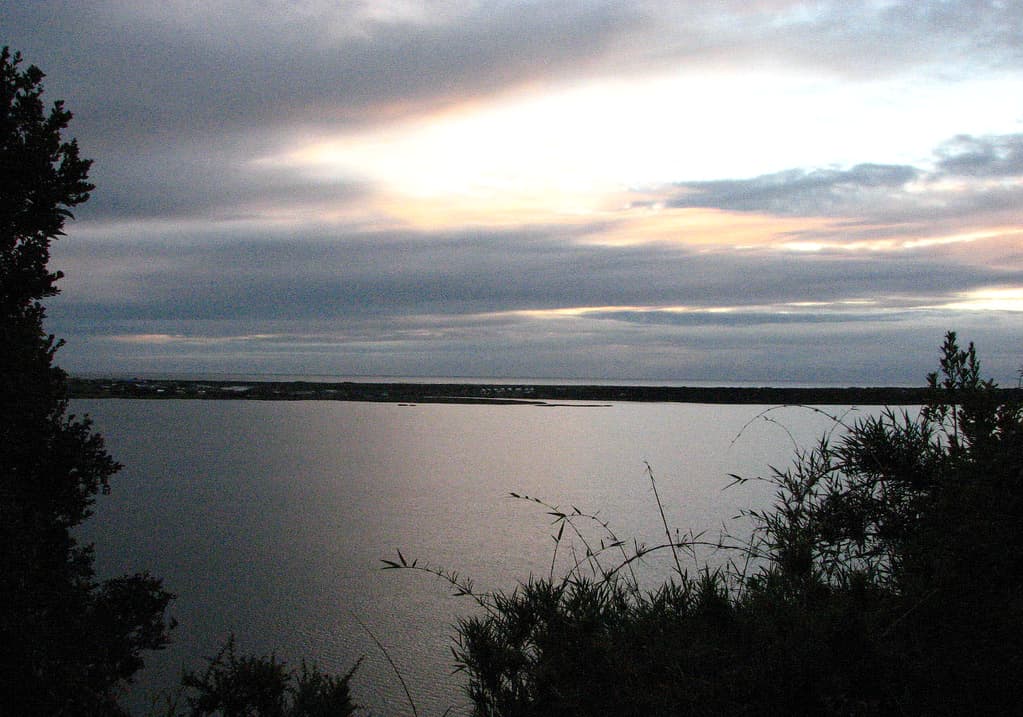 Loreto Gatica Figueroa / CC BY 2.0, via Wikimedia Commons
Tour de audio autoguiado de Cucao — ruta GPS a pie, reproducción offline, narración en 32 idiomas.
“Donde el Pacífico susurra cuentos ancestrales y la tierra contiene el aliento.”
No las postales. Las historias que ni los locales conocen — al oído, justo donde ocurrieron.
Un muelle de madera se extiende sobre un acantilado dramático, aparentemente hacia la nada, pero su propósito trasciende las meras vistas panorámicas.
Los densos y antiguos bosques aquí son más que hermosos; algunos creen que la propia tierra puede traer desgracia.
El nombre del pueblo podría evocar la imagen de un dulce pájaro, pero sus orígenes son mucho más inquietantes.
Descubre todos los secretos de Cucao
Cada dirección, cada revelación al completo — a tu oído, justo donde ocurrió.
Eliges tus paradas. Caminas. La voz te revela lo que los demás ignoran.


Tu tour de audioguía por Cucao te espera — elige tus lugares, tu idioma y empieza al llegar.
ComprarLume incluye una guía de realidad aumentada. Levanta el móvil y su cámara muestra la calle que tienes delante, con una flecha luminosa sobre la imagen real que siempre apunta a tu próxima parada — sin mapas que descifrar, sin giros equivocados. Como todo en Lume, funciona completamente sin conexión.
Cucao es un pequeño pueblo en la costa occidental de la Isla de Chiloé, Chile, un lugar donde el salvaje Océano Pacífico se encuentra con los paisajes místicos del Parque Nacional Chiloé. Es un refugio tranquilo, reconocido por su larga y extensa playa y como puerta de entrada principal a los diversos ecosistemas del parque. El pueblo en sí es modesto, una colección de casas que alguna vez enfrentaron la fuerza devastadora de un maremoto en 1960.
Este rincón de Chiloé es donde la cultura indígena huilliche y la historia colonial española se entrelazan con un complejo sistema de mitos y leyendas locales. El esplendor natural, desde la selva valdiviana templada hasta las dunas costeras y los interconectados lagos Cucao y Huillinco, ofrece una mezcla única de aventura y serena reflexión.
La Isla de Chiloé, incluyendo el área alrededor de Cucao, tiene un pasado moldeado por sus comunidades indígenas mapuches huilliches y, posteriormente, por la colonización española. El pueblo huilliche ha mantenido durante mucho tiempo técnicas de navegación tradicionales, conocimiento de plantas medicinales y un rico sistema mitológico que define la cultura popular chilota.
La presencia española en Chiloé data de 1567, cuando el Capitán Martín Ruiz de Gamboa y Avendaño fundó la ciudad de Santiago de Castro. La ubicación remota de la isla y su tardía incorporación al territorio chileno, que no ocurrió hasta 1826, permitieron que una cultura colonial distinta evolucionara en relativo aislamiento. Este período vio la construcción de más de 150 iglesias de madera en todo el archipiélago por misioneros jesuitas en los siglos XVII y XVIII, una tradición que luego continuaron los franciscanos. Estas iglesias, 16 de las cuales son Patrimonio de la Humanidad por la UNESCO, representan una fusión única del diseño europeo con las tradiciones constructivas mapuche-huilliches.
La geografía de Chiloé, con su cordillera de la costa dividida y sus tierras fértiles, jugó un papel importante en su desarrollo. Los lagos Cucao y Huillinco, por ejemplo, son dos cuerpos de agua conectados que atraviesan la isla, influyendo en la topografía local. Históricamente, gran parte del sur de Chile, incluyendo Chiloé, estaba cubierta de bosques nativos abundantes en biodiversidad, aunque muchos fueron talados a lo largo de los siglos debido al desarrollo económico y social.
El papel de Cucao como puerta de entrada al Parque Nacional Chiloé resalta su importancia natural. El parque, establecido en 1982, protege una parte sustancial de la selva valdiviana templada. Si bien la isla se ha abierto más al mundo desde la década de 1960, transformando algunas tradiciones, el arraigado sistema de creencias en el mundo mítico persiste junto con las prácticas católicas. Hoy en día, Cucao sigue siendo un lugar donde la belleza salvaje de la costa del Pacífico y el antiguo folclore de Chiloé continúan dando forma a su identidad.
Cucao ofrece una mezcla de belleza natural e intriga cultural. El Muelle de las Almas es una impactante escultura de madera que se extiende sobre un acantilado y evoca la leyenda chilota de las almas que esperan el paso al más allá. La caminata hasta el muelle ofrece amplias vistas del Pacífico.
Como punto de entrada principal al Parque Nacional Chiloé, Cucao ofrece acceso a diversos senderos a través de la selva valdiviana templada. El centro de visitantes y el museo del parque brindan información sobre la historia natural de la región y las leyanzas locales. Explore los Senderos de la Selva Valdiviana para descubrir flora y fauna únicas, o tome el Sendero de la Playa de Cucao para un paseo por la salvaje costa del Pacífico. El parque también cuenta con dunas costeras y los interconectados Lagos Cucao y Huillinco. Para una inmersión más profunda en la mitología única de la isla, considere visitar otros sitios como el Muelle del Tiempo, otra creación del artista detrás del Muelle de las Almas, ubicado dentro del Parque Tepuhueico cerca de Cucao.
La mejor época para visitar Cucao, y Chiloé en general, es durante los meses más cálidos del hemisferio sur, de diciembre a marzo. Enero y febrero suelen ofrecer el clima más agradable, con temperaturas diurnas cómodas que oscilan entre 18°C y 19°C (64-66°F) y menos precipitaciones. Marzo también ofrece un clima agradable con menos multitudes. Si bien la región experimenta lluvias significativas durante todo el año, siendo junio el mes más húmedo, el verano ofrece las mejores condiciones para explorar el parque nacional y las zonas costeras.
Los autobuses a Cucao parten regularmente desde la terminal regional de Castro, con un viaje que dura aproximadamente dos horas. El autobús deja a los visitantes directamente frente al Parque Nacional Chiloé. Para aquellos que viajan al Muelle de las Almas, hay servicios de autobús específicos desde Castro hasta la boletería en Rahue, al sur de Cucao. Tenga en cuenta que los horarios de los autobuses pueden ser poco frecuentes, por lo que es aconsejable consultar con antelación.
La entrada al Parque Nacional Chiloé suele costar alrededor de $4000 CLP para extranjeros. También hay una tarifa de entrada para acceder al Muelle de las Almas, que se paga a los propietarios de las tierras. Al explorar los senderos del parque, especialmente después de la lluvia, use calzado resistente e impermeable, ya que algunas áreas pueden estar embarradas y el acceso a la playa podría implicar cruzar cursos de agua. Algunas opciones de alojamiento, incluyendo hostales y cabañas, están disponibles en Cucao para aquellos que buscan una estancia más larga.
Cucao en coreano, en chino o en hebreo — y 29 idiomas más, cada parada narrada por una voz nativa. La mayor variedad de idiomas de cualquier audioguía autoguiada.
Disponible en: