Parc du Cadron Settlement
Avant qu'Arkansas ne devienne un État, une réunion décisive s'est déroulée ici, façonnant son avenir, pourtant peu connaissent l'histoire complète de son importance stratégique.
L'histoire complète se débloque dans le tour
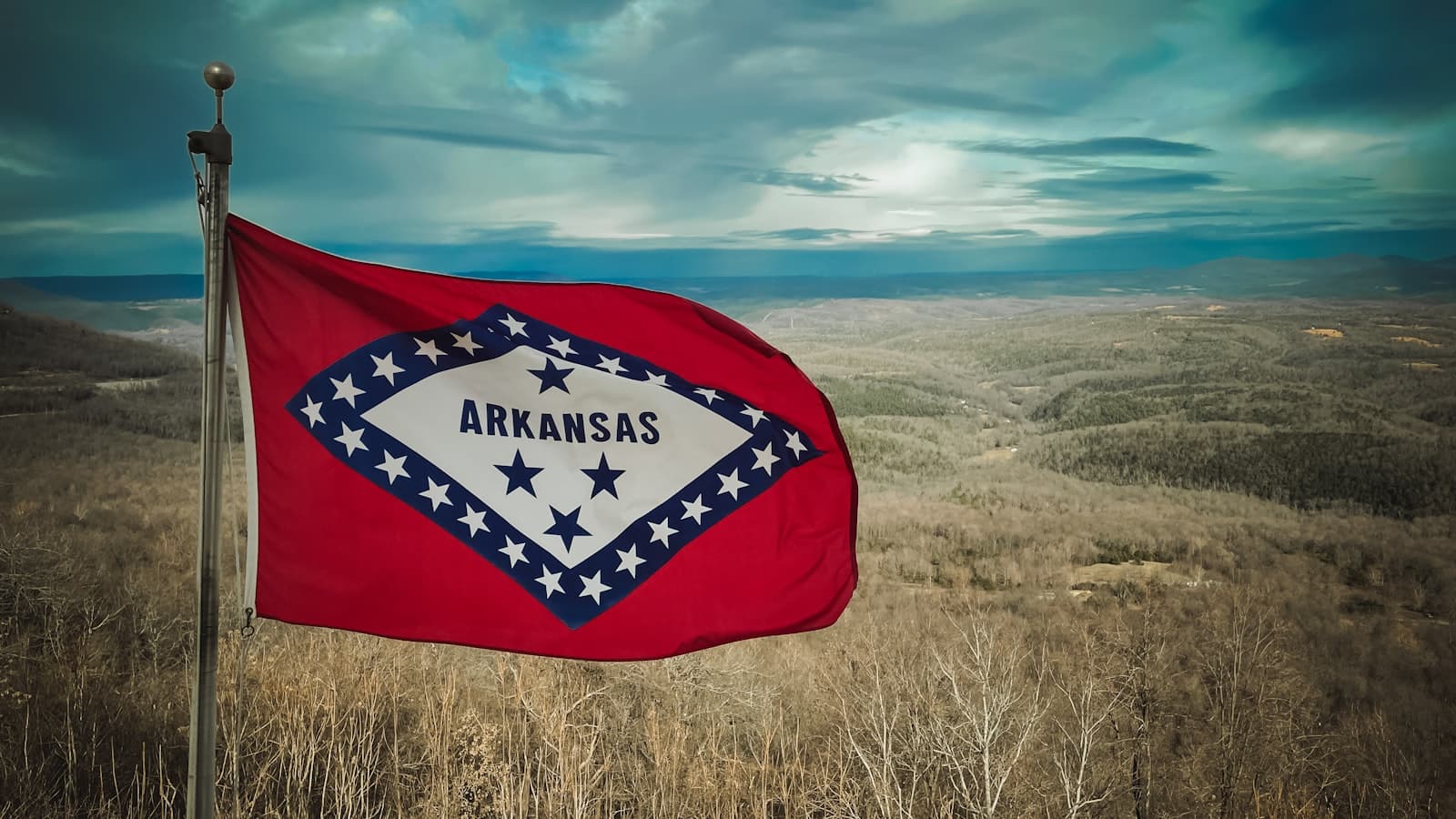 Photo: Jametlene Reskp / Unsplash
Visite audio autoguidée de Conway — parcours GPS à pied, lecture hors ligne, narration en 32 langues.
“Là où le passé résonne à travers les chênes et l'innovation fleurit au bord du lac.”
Pas les cartes postales. Les histoires que même les habitants ignorent — soufflées à l'oreille, là où elles se sont passées.
Avant qu'Arkansas ne devienne un État, une réunion décisive s'est déroulée ici, façonnant son avenir, pourtant peu connaissent l'histoire complète de son importance stratégique.
Ce vaste lac, un favori local pour la pêche, n'a pas toujours existé. Sa création a impliqué un travail colossal et un nombre surprenant d'arbres.
Beaucoup de bâtiments du centre-ville de Conway recèlent des histoires de leur vocation originelle, certaines bien plus grandioses ou singulières que leurs façades actuelles ne le suggèrent.
Découvrez tous les secrets de Conway
Chaque adresse, chaque révélation en entier — dans ton oreille, là où elle s'est passée.
Tu choisis tes lieux. Tu marches. La voix te révèle ce que les autres ignorent.


Votre visite audioguidée de Conway vous attend — choisissez vos lieux, votre langue, et lancez-vous dès votre arrivée.
AcheterConway, Arkansas, est une ville tissée dans le paysage du centre de l'Arkansas, définie par ses environs verdoyants et l'étendue scintillante du lac Conway. Connue comme la « Ville des Collèges », elle vibre d'une énergie jeune grâce à l'Université de Central Arkansas, au Hendrix College et au Central Baptist College. Cet esprit académique insuffle à la ville une scène culturelle diversifiée, des sports universitaires aux productions théâtrales et expositions d'art.
Au-delà de son cœur éducatif, Conway offre un mélange de beauté naturelle et d'attrait de petite ville. Les amateurs de plein air trouvent leur bonheur dans les opportunités de pêche et de navigation sur le lac Conway, tandis que les parcs et sentiers offrent amplement d'espace pour les loisirs. Le centre-ville, avec son architecture historique et ses commerces locaux, invite à l'exploration, révélant les couches du passé de Conway et son esprit communautaire actuel.
## D'arrêt ferroviaire à Ville des Collèges L'histoire de Conway commence avec le chemin de fer. En 1872, Asa P. Robinson, ingénieur en chef du chemin de fer Little Rock et Fort Smith, a tracé la ville, la positionnant stratégiquement le long de la nouvelle ligne ferroviaire. Cet acte délibéré a jeté les bases de la croissance de Conway, la transformant d'un simple arrêt en une communauté florissante. Le chemin de fer a fourni des liens essentiels pour le commerce et les voyages, attirant colons et entreprises dans la région.
Le Conway des débuts témoignait d'un esprit entrepreneurial. Le général Asa P. Robinson lui-même a ouvert le premier magasin général, et la ville a rapidement mis en place des services essentiels comme un bureau de poste et une école. La fin du XIXe siècle a vu la construction de nombreux bâtiments du centre-ville qui subsistent encore aujourd'hui, reflétant les styles architecturaux et les ambitions commerciales de l'époque. Le palais de justice du comté de Faulkner, reconstruit après un incendie dévastateur en 1890, est devenu un symbole de la résilience de la communauté et de son engagement envers la vie civique.
Le tournant du XXe siècle a marqué un changement décisif alors que Conway commençait sa transformation en un centre éducatif de premier plan. La création de l'Arkansas State Teachers College (aujourd'hui l'Université de Central Arkansas) en 1907, suivie par le Central Baptist College et le déménagement du Hendrix College, a solidifié l'identité de Conway en tant que « Ville des Collèges ». Cet afflux d'institutions universitaires a apporté une énergie intellectuelle, des populations diverses et un flux constant de croissance, façonnant le paysage social et économique de la ville pour les décennies à venir.
Au milieu du siècle, la création du lac Conway en 1948 a encore diversifié l'attrait de la ville, ajoutant d'importantes opportunités de loisirs et attirant le tourisme. Le lac, une merveille d'ingénierie pour son époque, est devenu une caractéristique centrale du mode de vie local. Tout au long de la seconde moitié du XXe siècle et jusqu'au XXIe, Conway a continué à se développer, équilibrant ses racines historiques avec le développement moderne, tout en conservant sa réputation de ville accueillante, axée sur la communauté et dotée d'une solide base éducative.
Commencez votre exploration au centre-ville de Conway, où des bâtiments historiques abritent un mélange de boutiques, de restaurants et de commerces locaux. Cherchez le palais de justice du comté de Faulkner, une grande structure reconstruite après un incendie en 1890, et imaginez l'activité trépidante dont il a été témoin au fil des décennies. À proximité, le Conway Arts Center, autrefois la poste de la ville, présente désormais le talent artistique local.
Pour une dose de nature, dirigez-vous vers le lac Conway, un vaste lac artificiel réputé pour la pêche. Vous pouvez louer un bateau ou simplement profiter des vues depuis divers points d'accès. Le parc du Cadron Settlement offre un aperçu de l'histoire ancienne de l'Arkansas avec des sentiers de randonnée et des panneaux d'interprétation détaillant son passé en tant que candidat au statut de capitale territoriale et d'étape sur la Piste des Larmes.
Explorez les campus des « Villes des Collèges » de Conway. L'Université de Central Arkansas présente une architecture saisissante et accueille souvent des événements publics, tandis que le campus pittoresque du Hendrix College comprend le clocher réaménagé, un charmant morceau de l'histoire locale. Le Central Baptist College offre également un cadre serein.
Les meilleures périodes pour visiter Conway sont le printemps (avril-mai) et l'automne (septembre-octobre). Pendant ces mois, le temps est doux et agréable, idéal pour explorer le centre-ville, profiter des activités de plein air au lac Conway et assister aux festivals locaux. Les étés peuvent être chauds et humides, tandis que les hivers sont généralement doux mais peuvent avoir des coups de froid occasionnels.
Conway est facilement accessible en voiture, située directement sur l'Interstate 40. L'aéroport principal le plus proche est l'aéroport national Bill et Hillary Clinton (LIT) à Little Rock, à environ 30 miles au sud. Bien que le centre-ville de Conway soit accessible à pied, une voiture est recommandée pour explorer la région plus vaste, y compris le lac Conway et le parc du Cadron Settlement. Les options de transport en commun à Conway sont limitées. Les hébergements vont des chaînes d'hôtels bien connues aux auberges locales. Les options de restauration sont diverses, des restaurants décontractés aux établissements plus haut de gamme, avec un accent sur la cuisine réconfortante du Sud et diverses cuisines internationales.
Conway en coréen, en chinois ou en hébreu — et dans 29 autres langues, chaque étape narrée par une voix native. La plus large gamme de langues de tous les audioguides autoguidés.
Disponible en :