Centro de Jonesboro
El lugar elegido para el primer juzgado de Jonesboro no se construyó de inmediato. ¿Por qué la demora?
La historia completa se desbloquea en el tour
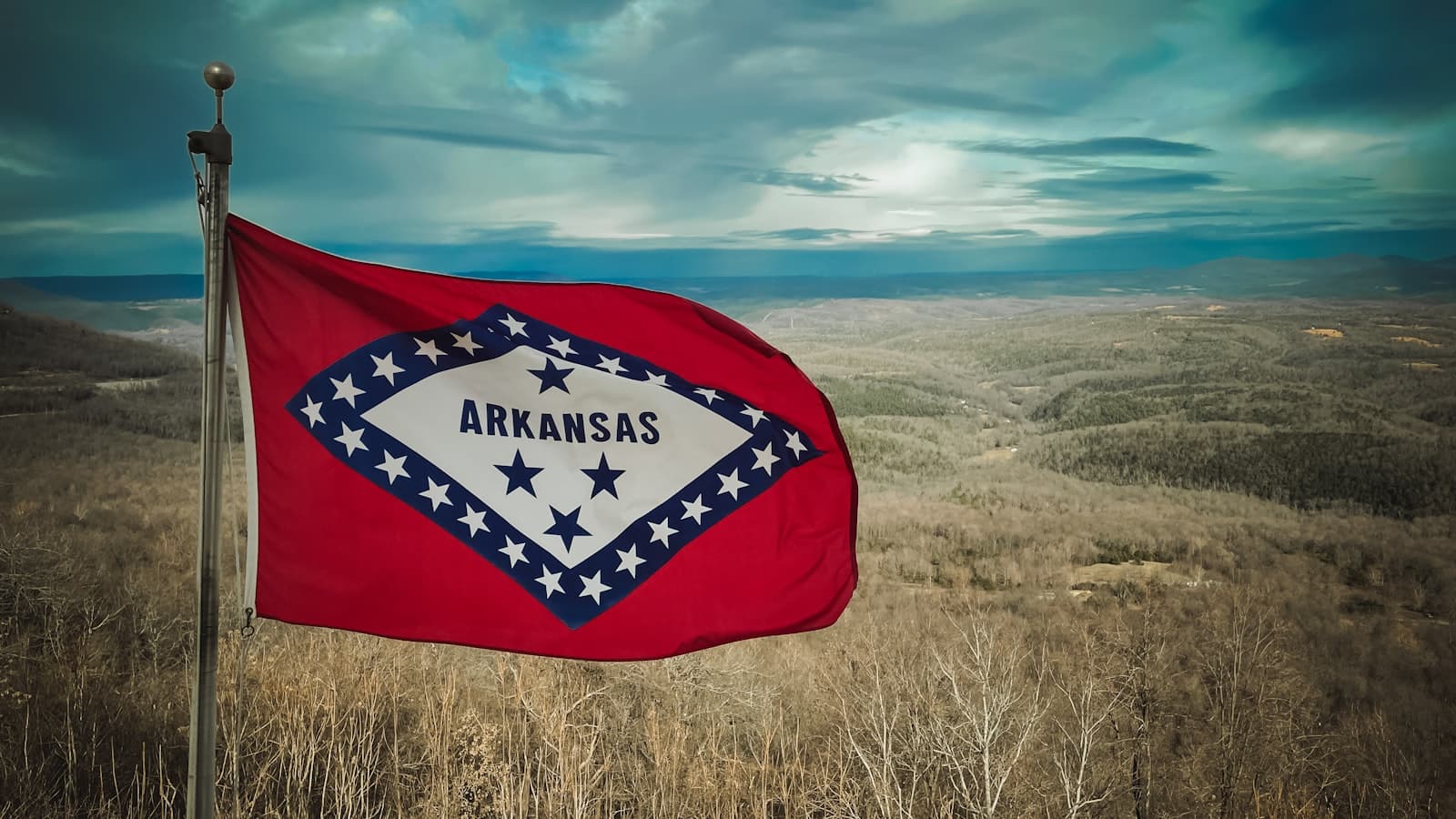 Photo: Jametlene Reskp / Unsplash
Tour de audio autoguiado de Jonesboro — ruta GPS a pie, reproducción offline, narración en 32 idiomas.
“Donde las fértiles tierras del delta se encuentran con las actividades académicas y las historias inesperadas.”
No las postales. Las historias que ni los locales conocen — al oído, justo donde ocurrieron.
El lugar elegido para el primer juzgado de Jonesboro no se construyó de inmediato. ¿Por qué la demora?
Jonesboro lleva el nombre del Senador William A. Jones, pero el condado en el que se encuentra tiene una historia de origen más traviesa.
Jonesboro es el hogar de lo que alguna vez fue el molino de arroz más grande del mundo.
Descubre todos los secretos de Jonesboro
Cada dirección, cada revelación al completo — a tu oído, justo donde ocurrió.
Eliges tus paradas. Caminas. La voz te revela lo que los demás ignoran.
Tu tour de audioguía por Jonesboro te espera — elige tus lugares, tu idioma y empieza al llegar.
ComprarJonesboro, la comunidad más grande del noreste de Arkansas y la quinta ciudad más poblada del estado, ofrece una mezcla de encanto de pueblo pequeño y creciente energía urbana. La ciudad se asienta sobre Crowley's Ridge, una formación geológica distintiva que históricamente la protegió de las inundaciones del Delta del Misisipi. Sirve como centro cultural y económico de la región. Este es un lugar donde la herencia agrícola, particularmente en arroz, algodón y soja, se entrelaza con un dinámico panorama educativo, anclado por la Universidad Estatal de Arkansas.
Más allá de sus raíces agrícolas y su influencia académica, Jonesboro presenta una animada mezcla de experiencias culturales, compras y aventuras al aire libre. El centro de la ciudad, transitable a pie, invita a la exploración con tiendas locales y diversas opciones gastronómicas. Desde los deportes de los Red Wolves hasta las actuaciones en el Fowler Center y las exhibiciones en el Bradbury Art Museum, el calendario de la ciudad a menudo está lleno de eventos que reflejan su espíritu comunitario y sus inclinaciones artísticas. Jonesboro realmente encarna un sentido de 'Gente, Orgullo, Progreso', su lema oficial.
El área de Jonesboro ha estado habitada durante miles de años, con pueblos indígenas como las tribus Osage, Caddo y Quapaw viviendo aquí en el momento del encuentro europeo. El nombre 'Arkansas' en sí mismo se deriva del idioma Quapaw. Después de la Compra de Luisiana en 1803, los colonos americanos comenzaron a llegar, dedicándose a la exploración, la caza, la captura y el comercio con las tribus locales. Un asentamiento permanente se estableció poco después de 1815.
La fundación oficial de Jonesboro data del 19 de febrero de 1859, cuando fue designada sede del condado para el recién formado Condado de Craighead. La ciudad fue nombrada en honor al Senador Estatal William A. Jones, quien defendió la creación del condado. El agricultor Fergus Snoddy donó quince acres para el sitio original de la ciudad en lo que ahora es el centro de Jonesboro. Inicialmente, la economía de la región dependía en gran medida de la tala de árboles, un recurso que se agotó en gran parte para 1910.
La llegada del ferrocarril Cotton Belt en 1881 marcó un momento crucial, transformando a Jonesboro en un centro vital de transporte y comercio, conectándola con mercados más grandes y atrayendo a nuevos residentes. La ciudad fue incorporada oficialmente como ciudad en 1883. A principios del siglo XX, la agricultura, particularmente el algodón y la floreciente industria del arroz, se convirtió en el centro de la economía de Jonesboro. El éxito de los agricultores locales en el cultivo de arroz llevó al establecimiento de Riceland Foods, Inc. en 1930, que operaba lo que entonces era el molino de arroz más grande del mundo.
La educación también experimentó un desarrollo significativo con la fundación de la Primera Escuela Agrícola del Distrito en 1909, que más tarde se convertiría en la Universidad Estatal de Arkansas. Jonesboro también ha desempeñado un papel en la historia nacional, siendo el hogar de Hattie Caraway, la primera mujer elegida para el Senado de los Estados Unidos en 1932. La ciudad ha experimentado períodos de crecimiento dinámico, particularmente después de la Segunda Guerra Mundial, con el establecimiento de varias empresas manufactureras. Hoy en día, Jonesboro continúa prosperando como un centro regional para la agricultura, el procesamiento de alimentos, la fabricación y la atención médica.
Jonesboro ofrece una variedad de atracciones que reflejan su historia, cultura y entorno natural. Comience su exploración en el centro, donde una Main Street transitable a pie cuenta con tiendas y restaurantes de propiedad local. El Distrito Histórico de West Washington Avenue ofrece una visión del pasado arquitectónico de la ciudad, mostrando estilos de finales del siglo XIX y principios del XX. Para una inmersión más profunda en la historia local, visite el A-State Museum en la Universidad Estatal de Arkansas, que da vida al pasado del noreste de Arkansas a través de atractivas exhibiciones.
La Universidad Estatal de Arkansas en sí misma es un punto de interés significativo, ofreciendo deportes de los Red Wolves, conciertos y espectáculos itinerantes en el Fowler Center, así como exhibiciones rotativas en el Bradbury Art Museum, destacando artistas regionales y contemporáneos. Para los entusiastas del aire libre, Craighead Forest Park es un favorito local, con millas de senderos para caminar y andar en bicicleta, rutas dedicadas para ciclismo de montaña, acceso a la pesca y un popular campo de disc golf. El cercano Lake Frierson State Park ofrece un entorno tranquilo para remar, hacer picnics y pescar. Jonesboro también sirve como un excelente campamento base para explorar Crowley's Ridge State Park y otras atracciones naturales de la región.
Jonesboro experimenta un clima subtropical húmedo con estaciones distintas. Los veranos son calurosos y húmedos, con máximas promedio en julio alrededor de 32-33°C. Los inviernos son húmedos y fríos, con mínimas promedio en enero de -0.5°C. Para actividades cómodas en climas cálidos, los mejores momentos para visitar son desde mediados de mayo hasta mediados de junio y desde mediados de agosto hasta principios de octubre. La primavera (abril a mayo) y el otoño (septiembre a octubre) ofrecen temperaturas agradables y humedad moderada, lo que los hace ideales para explorar.
Jonesboro es principalmente una ciudad dependiente del automóvil, con una red de carreteras bien mantenida que hace que conducir sea la forma más práctica de navegar y llegar a la mayoría de los destinos. El estacionamiento es generalmente accesible. Si bien el transporte público está disponible a través de GOJO (anteriormente Jonesboro Economical Transit System o JETS), con rutas de autobús que conectan varias partes de la ciudad y servicio a la Universidad Estatal de Arkansas, la cobertura puede no extenderse a todas las áreas y los horarios requieren planificación. Las distancias entre algunos destinos pueden hacer que caminar o andar en bicicleta sea menos conveniente como modo de transporte principal, especialmente dados los veranos calurosos. El Aeropuerto Municipal de Jonesboro (JBR) ofrece vuelos comerciales a St. Louis y Nashville. Para opciones de viajes aéreos más amplias, el Aeropuerto Internacional de Memphis (MEM) está aproximadamente a 74 millas de distancia.
Jonesboro en coreano, en chino o en hebreo — y 29 idiomas más, cada parada narrada por una voz nativa. La mayor variedad de idiomas de cualquier audioguía autoguiada.
Disponible en: