Torreón de Fernán González
Esta imponente torre del siglo X guarda un secreto sobre una infanta castellana y un amor prohibido.
La historia completa se desbloquea en el tour
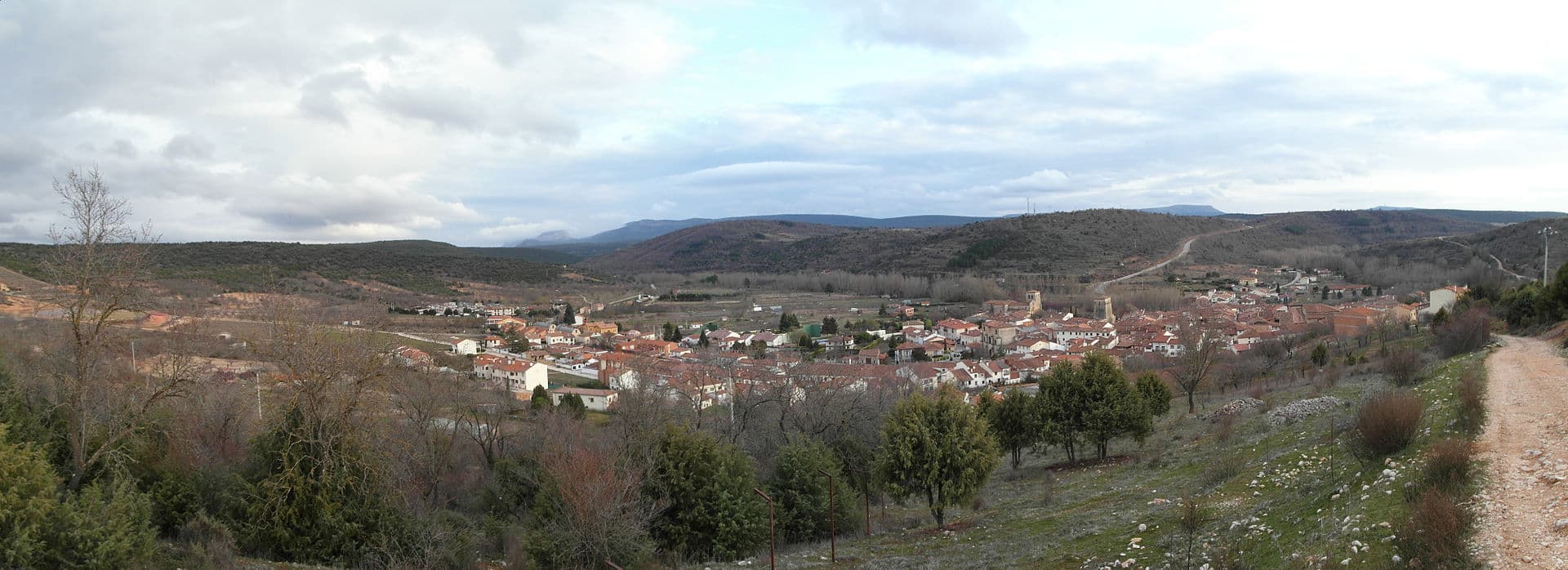 Rowanwindwhistler / CC BY-SA 3.0, via Wikimedia Commons
Tour de audio autoguiado de Covarrubias — ruta GPS a pie, reproducción offline, narración en 32 idiomas.
“Donde la historia castellana y la leyenda vikinga se entrelazan.”
No las postales. Las historias que ni los locales conocen — al oído, justo donde ocurrieron.
Esta imponente torre del siglo X guarda un secreto sobre una infanta castellana y un amor prohibido.
Dentro de esta iglesia gótica yace una tumba que conecta este pueblo español con un lejano reino nórdico.
Las antiguas murallas defensivas del pueblo fueron destruidas deliberadamente, pero no por un ejército invasor.
Descubre todos los secretos de Covarrubias
Cada dirección, cada revelación al completo — a tu oído, justo donde ocurrió.
Eliges tus paradas. Caminas. La voz te revela lo que los demás ignoran.
Tu tour de audioguía por Covarrubias te espera — elige tus lugares, tu idioma y empieza al llegar.
ComprarLume incluye una guía de realidad aumentada. Levanta el móvil y su cámara muestra la calle que tienes delante, con una flecha luminosa sobre la imagen real que siempre apunta a tu próxima parada — sin mapas que descifrar, sin giros equivocados. Como todo en Lume, funciona completamente sin conexión.
Covarrubias, un cautivador pueblo en la provincia de Burgos, es a menudo llamado la "cuna de Castilla" por su papel fundamental en la historia temprana de la región. Situado en el valle del río Arlanza, el pueblo cautiva con su arquitectura medieval bien conservada, donde casas con entramado de madera se inclinan sobre calles empedradas y plazas porticadas invitan a una exploración tranquila.
Declarado Conjunto Histórico-Artístico en 1965, Covarrubias ofrece un viaje tangible al pasado, con su distintivo urbanismo castellano y un sereno entorno junto al río. El sonido de las campanas de la iglesia que se extiende sobre los tejados de teja y las leyendas grabadas en sus piedras contribuyen a su atmósfera atemporal. Es un lugar donde convergen la cultura auténtica, la historia fundacional y la deliciosa gastronomía local, convirtiéndolo en una parada memorable para los viajeros.
La historia de Covarrubias se remonta a tiempos prerromanos, con la tribu ibérica de los Turmódigos habitando la zona. Los orígenes más definidos del pueblo se remontan a mediados del siglo VII, cuando el rey visigodo Chindasvinto fundó y fortificó un asentamiento primitivo aquí. Tras la conquista musulmana de 737, Covarrubias se convirtió en una zona fronteriza disputada, con el río Arlanza sirviendo como frontera natural entre Castilla y los territorios musulmanes.
A principios del siglo X, Covarrubias ganó una prominencia significativa con la construcción del Torreón de Fernán González, una torre defensiva crucial para proteger la incipiente frontera castellana. El Conde Fernán González, una figura legendaria en la historia de Castilla, está estrechamente asociado con el pueblo, sentando las bases para la eventual independencia de Castilla. Su hijo, el Conde García Fernández, consolidó aún más la importancia de Covarrubias en 972 al establecer el Infantado de Covarrubias, convirtiéndolo en un poderoso señorío monástico gobernado por infantas (princesas reales) durante dos siglos.
Uno de los capítulos más singulares en la historia de Covarrubias involucra a la Princesa Kristina de Noruega. A mediados del siglo XIII, viajó desde su tierra natal para casarse con el Infante Felipe de Castilla, hermano del Rey Alfonso X 'el Sabio'. Su vida en España fue breve, ya que murió en 1262 a la edad de 28 años, y su tumba se puede encontrar en la Colegiata de San Cosme y San Damián. Esta conexión inesperada llevó a Covarrubias a hermanarse con Tønsberg, Noruega, en 2004, y a la construcción de la moderna Capilla de San Olav cerca en 2011, en honor al santo patrón de Noruega.
El pueblo experimentó prosperidad en los siglos XV y XVI, pero una epidemia a finales del siglo XVI llevó a la demolición parcial de sus murallas por consejo del médico del Rey Felipe II, para mejorar la higiene y la circulación del aire. Hoy en día, Covarrubias mantiene su encanto medieval, habiendo conservado con éxito su patrimonio histórico y artístico.
Comience su exploración en el Torreón de Fernán González, una torre defensiva mozárabe del siglo X, una de las fortalezas conservadas más antiguas de Castilla. Su forma de pirámide truncada e imponente silueta insinúan su significado medieval.
A continuación, visite la Colegiata de San Cosme y San Damián, un edificio gótico tardío terminado a principios del siglo XVI. En su interior, encontrará las tumbas de piedra del Conde Fernán González y su esposa Sancha, así como la tumba de la Princesa Kristina de Noruega en el claustro. El museo de la iglesia alberga un notable tríptico de los Reyes Magos del siglo XV, atribuido al Maestro de Covarrubias.
Pasee por la Plaza de Doña Urraca, la plaza central del pueblo, y la adyacente Plaza de Doña Sancha, de forma triangular. Admire las casas tradicionales castellanas con sus plantas bajas de piedra, celosías de madera y balcones. Busque el Archivo del Adelantamiento de Castilla, un arco del siglo XVI que sirve como entrada al casco antiguo, luciendo el escudo de armas de Felipe II.
Justo a las afueras del pueblo, a unos 3 kilómetros, se encuentra la moderna Capilla de San Olav, una llamativa ermita de estilo nórdico construida en honor al santo patrón de Noruega, que refleja la conexión única del pueblo con la Princesa Kristina.
La mejor época para visitar Covarrubias para disfrutar de un clima agradable y actividades al aire libre es desde finales de junio hasta principios de septiembre, siendo julio el mes que ofrece los cielos más despejados y las temperaturas más cálidas. La primavera y principios de otoño ofrecen un clima más suave y menos multitudes, lo que los hace ideales para explorar la arquitectura del pueblo y disfrutar de los festivales locales. Las tardes de verano son conocidas por su luz dorada. Considere visitar en julio para el tradicional Festival Medieval y de la Cereza, o a finales de agosto para la Fiesta de San Bartolomé, que presenta desfiles, música y gastronomía local.
Covarrubias se explora mejor a pie, ya que sus principales atracciones están al aire libre y a poca distancia. Dedique 2-3 horas para ver el pueblo en sí, añadiendo más tiempo si planea visitar la Capilla de San Olav o los monasterios cercanos. Las iglesias y museos a menudo cierran al mediodía, por lo que es aconsejable confirmar los horarios de apertura, especialmente para la Colegiata.
La forma más fácil de llegar a Covarrubias es en coche, a unos 40 minutos de Burgos. El pueblo forma parte del "Triángulo del Arlanza", una zona cultural que también incluye Santo Domingo de Silos y Lerma, lo que lo convierte en una buena parada para una exploración regional más larga. La gastronomía local incluye cordero asado (lechazo asado) y vinos tintos locales de la DO Arlanza, así como morcilla y cerezas.
Para emergencias, se puede contactar con la policía local marcando el 112. La Oficina de Turismo de Covarrubias puede proporcionar más información y asistencia.
Covarrubias en coreano, en chino o en hebreo — y 29 idiomas más, cada parada narrada por una voz nativa. La mayor variedad de idiomas de cualquier audioguía autoguiada.
Disponible en: