Château des Plas
L'un des châteaux de Curemonte est lié à un géant de la littérature, mais pas de la manière attendue.
L'histoire complète se débloque dans le tour
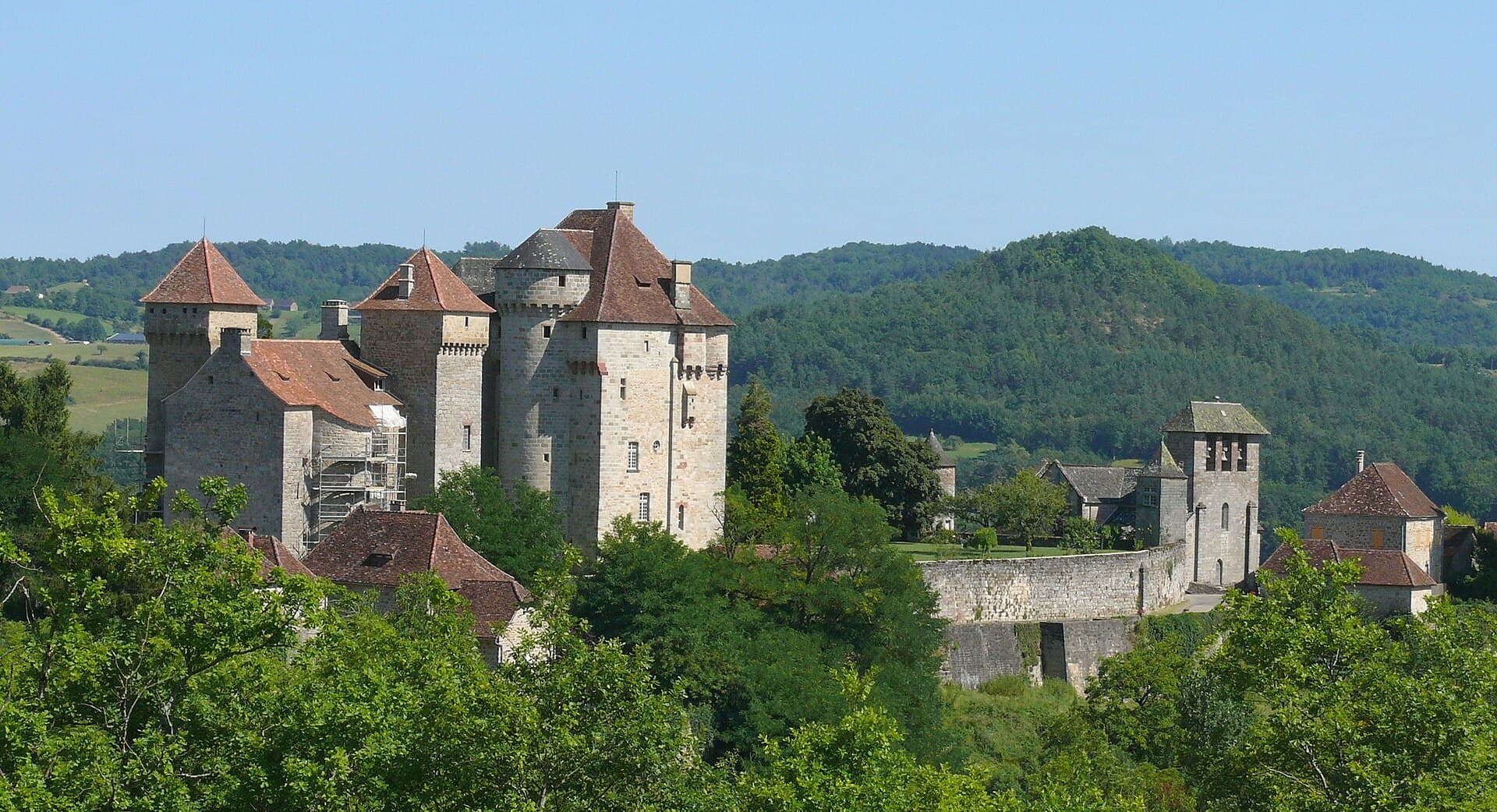 MOSSOT / CC BY-SA 3.0, via Wikimedia Commons
Visite audio autoguidée de Curemonte — parcours GPS à pied, lecture hors ligne, narration en 32 langues.
“Trois châteaux, trois églises, trois fontaines : une trinité médiévale sur une crête.”
Pas les cartes postales. Les histoires que même les habitants ignorent — soufflées à l'oreille, là où elles se sont passées.
L'un des châteaux de Curemonte est lié à un géant de la littérature, mais pas de la manière attendue.
Le passé de Curemonte est profondément lié à d'influentes familles nobles, dont l'une a dépêché un ambassadeur dans des lieux inattendus.
Parmi les trois églises de Curemonte, l'une présente une collaboration artistique insolite qui relie les continents.
Découvrez tous les secrets de Curemonte
Chaque adresse, chaque révélation en entier — dans ton oreille, là où elle s'est passée.
Tu choisis tes lieux. Tu marches. La voix te révèle ce que les autres ignorent.


Votre visite audioguidée de Curemonte vous attend — choisissez vos lieux, votre langue, et lancez-vous dès votre arrivée.
AcheterLume intègre un guide en réalité augmentée. Levez votre téléphone : sa caméra montre la rue devant vous, avec une flèche lumineuse posée sur l'image réelle qui pointe toujours vers votre prochain arrêt — aucune carte à déchiffrer, aucun mauvais virage. Comme tout dans Lume, ça fonctionne entièrement hors-ligne.
Curemonte, un village médiéval du département de la Corrèze en Nouvelle-Aquitaine, est officiellement reconnu comme l'un des « Plus Beaux Villages de France ». Cette petite agglomération est souvent surnommée le « village des trois » en raison de sa collection distinctive de trois châteaux, trois églises et trois fontaines. Sa position élevée sur une crête rocheuse offre des vues imprenables sur les vallées de la Sourdoire et du Maumont, révélant la campagne vallonnée du sud du Limousin et du nord du Quercy.
Curemonte offre un aperçu authentique d'une époque révolue, où maisons nobles, remparts anciens et rues étroites fleuries racontent des histoires de siècles passés. L'architecture du village se caractérise par la pierre dorée, un mélange de toits en tuiles et en ardoise, et des détails complexes tels que des portes sculptées et des tourelles, créant une atmosphère médiévale remarquablement préservée. Une visite à Curemonte est un voyage à travers l'histoire militaire, la tradition religieuse et même des liens littéraires, en faisant une destination invitante pour ceux qui recherchent la quiétude et un profond sentiment d'appartenance.
L'histoire de Curemonte remonte au moins à la période gallo-romaine, avec des preuves d'un peuplement organisé dès 860 de notre ère. Sa position élevée sur une crête en a fait un lieu stratégiquement important, notamment comme lien défensif au sein de la Vicomté de Turenne, un royaume indépendant qui a perduré jusqu'au XVIIIe siècle. La famille de Curemonte a commencé à établir son influence dans la région au IXe siècle, avec un membre notable, Raymond de Curemonte, rejoignant la Première Croisade en 1096 en tant que vassal du Vicomte de Turenne.
Au fil des siècles, d'autres familles nobles, dont les Aymar, Astorg, Cardaillac et Plas, ont également affirmé leur contrôle, contribuant à la croissance du village. Ces familles ont construit de nombreuses maisons nobles et fortifications, menant à la remarquable concentration de trois châteaux qui définissent Curemonte aujourd'hui. Malgré la Guerre de Cent Ans et les conflits ultérieurs, ces trois châteaux — le Château de Saint-Hilaire, le Château des Plas et le Château de la Johannie — ont perduré, façonnant le caractère distinctif du village.
Le Château de Saint-Hilaire, le plus ancien, a été érigé au XIIIe siècle, tandis que le Château de la Johannie date du XIVe siècle. Le Château des Plas a été ajouté au XVIe siècle, partageant un mur avec le plus ancien château de Saint-Hilaire. Ces histoires entrelacées sont encore enrichies par un lien littéraire du XXe siècle : Colette de Jouvenel, fille de la célèbre écrivaine française Colette, a hérité des châteaux de Saint-Hilaire et des Plas en 1940. Sa mère, Colette, a résidé dans le village pendant la Seconde Guerre mondiale, y trouvant l'inspiration pour son autobiographie.
Le patrimoine médiéval de Curemonte s'étend au-delà de ses châteaux pour inclure trois églises romanes. L'église Saint-Barthélemy du XIIe siècle, avec son retable en bois peint, se dresse au centre du village. L'église Saint-Hilaire de la Combe du XIe siècle, parmi les plus anciennes de la vallée de la Dordogne, et l'église Saint-Genest, aujourd'hui un musée d'art religieux, complètent ce trio. À l'époque moderne, Curemonte a fait l'objet d'efforts de restauration, contribuant à sa classification comme l'un des « Plus Beaux Villages de France » et assurant la préservation de son dense héritage historique et architectural.
Les dimensions compactes de Curemonte en font un lieu idéal à explorer à pied, ses rues médiévales étroites révélant des trésors architecturaux à chaque tournant. La caractéristique principale du village est son trio de châteaux : le Château de Saint-Hilaire, le Château des Plas et le Château de la Johannie. Bien que généralement privés et non ouverts au public pour des visites intérieures, leurs formes imposantes peuvent être admirées depuis la place publique et partout dans le village.
Au-delà des châteaux, découvrez les trois églises romanes. L'église Saint-Barthélemy, au centre du village, présente un remarquable retable en bois peint. L'église Saint-Hilaire de la Combe, une structure du XIe siècle, accueille désormais des expositions d'art et expose des vitraux contemporains. L'église Saint-Genest a été transformée en musée d'art religieux.
Promenez-vous le long de la rue principale pour observer les maisons nobles des XIVe au XVIIe siècles, dont beaucoup sont ornées de tourelles, de portes ouvragées et de blasons. La halle aux grains du XIXe siècle abrite une croix du XVIe siècle et offre des informations historiques sur la restauration du village. Ne manquez pas la Maison Perne, avec son jardin contemporain, et les anciennes fontaines. Pour des vues imprenables sur les vallées environnantes, dirigez-vous vers la table d'orientation au point culminant du village.
Le printemps et l'automne offrent l'expérience la plus agréable à Curemonte, avec un temps généralement favorable et moins de visiteurs. La campagne apparaît particulièrement luxuriante avec les floraisons printanières et les couleurs changeantes des arbres caducs en automne. L'été apporte des villages plus animés, un temps constant et des horaires d'ouverture prolongés pour les attractions, bien que les zones populaires comme la Dordogne puissent être très fréquentées par les vacanciers européens. En juillet, les villes et villages sont ornés de fleurs. Curemonte organise également un marché nocturne le mercredi soir pendant l'été, offrant l'occasion de déguster des plats locaux en plein air. Bien que les voyages en hiver soient possibles, de nombreux petits villages comme Curemonte peuvent avoir des activités touristiques limitées et des heures d'ouverture plus courtes pour les sites.
Curemonte est situé dans le département de la Corrèze, près de la frontière avec le Lot, et se trouve à environ 40 minutes en voiture de Brive-la-Gaillarde. Le village est une zone piétonne, avec un parking payant disponible pour les voitures et les camping-cars à La Cabrolle, juste à l'extérieur du village. Depuis le parking, vous serez accueilli par des vues impressionnantes en approchant du village.
Bien qu'il n'y ait pas d'office de tourisme officiel à Curemonte, un personnel serviable peut être trouvé à la Mairie. Des visites guidées du village sont proposées pendant l'été par des associations locales et l'Office de Tourisme de la Vallée de la Dordogne. Pour ceux qui aiment marcher, un sentier balisé de 7 kilomètres, « Autour des Châteaux », part du centre du village, offrant des vues panoramiques. L'hébergement à Curemonte est limité, mais des options existent dans les environs, comme le Moulin de Lassalle, à quelques minutes en voiture au nord.
Curemonte en coréen, en chinois ou en hébreu — et dans 29 autres langues, chaque étape narrée par une voix native. La plus large gamme de langues de tous les audioguides autoguidés.
Disponible en :