Schöner Turm
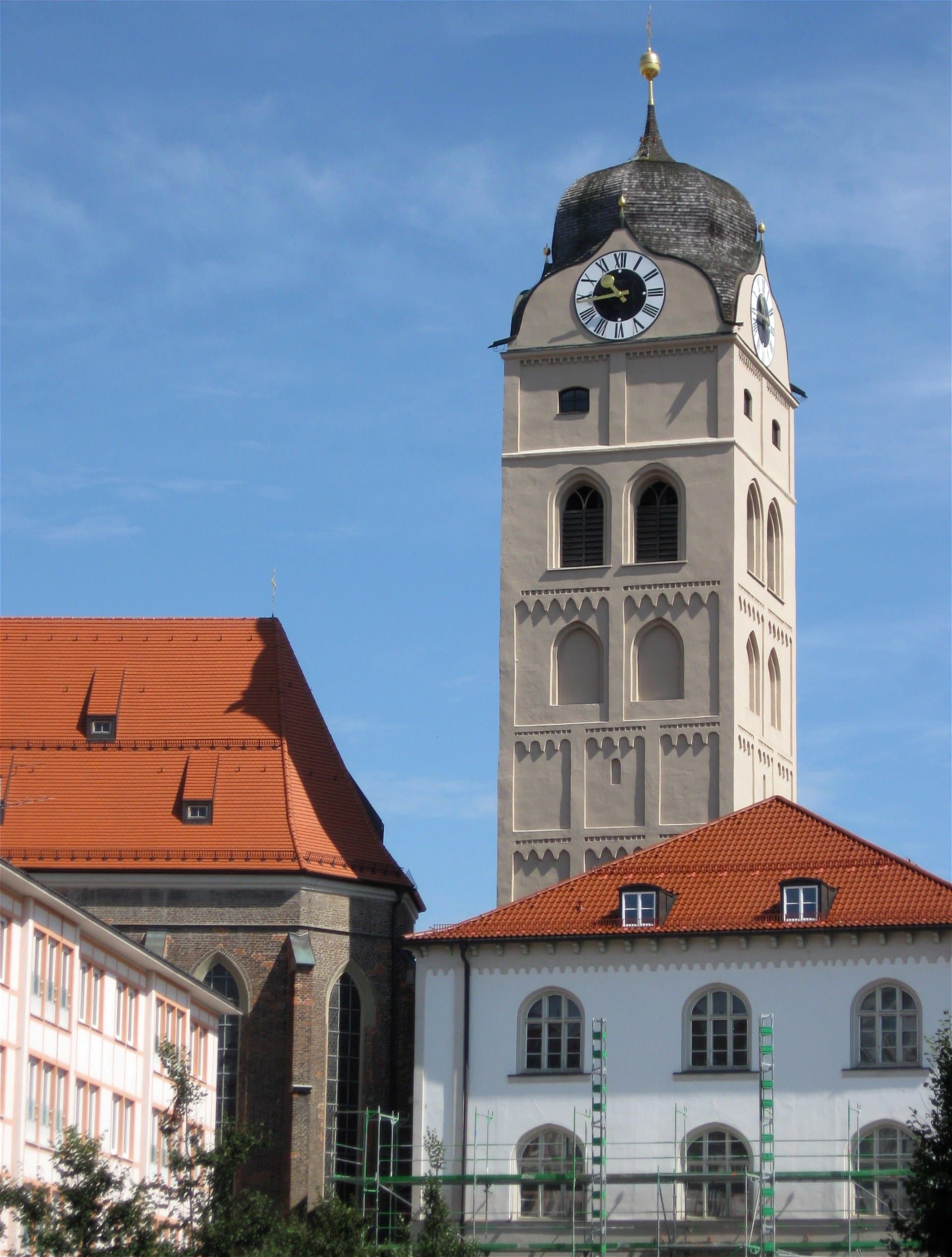
Erding's most recognizable landmark, the Schöner Turm, stands as a testament to medieval defense. Yet, the structure visible today is not its initial form.
Full story unlocks in the tour
 Rufus46 / CC BY-SA 3.0, via Wikimedia Commons
Self-guided audio walking tour of Erding — GPS route, offline playback, story-driven narration in 32 languages.
“Beyond the famous brew, a town shaped by water, conflict, and Bavarian ingenuity.”
Not the postcards. The stories even locals don't know — whispered in your ear, right where they happened.
Erding's most recognizable landmark, the Schöner Turm, stands as a testament to medieval defense. Yet, the structure visible today is not its initial form.
The flat, marshy landscape just north of Erding now hosts a major international hub. For centuries, this area was a vast, ecologically sensitive wetland.
Erding is globally synonymous with its renowned wheat beer. However, the brewery did not always carry the name 'Erdinger Weißbräu.'
Discover every secret of Erding
Every address, every reveal in full — in your ear, right where it happened.
You pick your stops. You walk. The voice reveals what the others miss.
Your self-guided audio tour of Erding is ready — pick your landmarks, choose your language, and start the moment you arrive.
BuyLume has a built-in augmented-reality guide. Hold your phone up and its camera shows the street ahead of you, with a glowing arrow laid over the real view that always points to your next stop — no map to puzzle over, no wrong turns. Like everything in Lume, it works fully offline.
Erding, a town in Upper Bavaria, Germany, presents a captivating blend of historical depth and modern leisure. Just 36 kilometers northeast of Munich, it offers the tranquility of a smaller Bavarian town while remaining easily accessible to the bustling capital. Situated on the banks of the River Sempt, Erding is surrounded by verdant meadows that gently roll into the scenic Alpine foothills.
With a population of around 36,000, Erding maintains a welcoming atmosphere, serving as an important administrative center for its district. Its historic core is a living museum, where remnants of ancient town walls and historic towers coexist with contemporary cafes and shops. Erding is celebrated globally for two distinct attractions: the world-renowned Erdinger Weißbräu brewery, producing its famous wheat beer, and Therme Erding, Europe's largest thermal spa complex.
## From Ancient Settlements to Ducal City Evidence of prehistoric hunter-gatherers in the Erding area dates back to approximately 6000 BC, with findings such as an axe made of deer antler. Permanent agricultural settlements emerged around 2500 BC, and early Bronze Age graveyards from around 1800 BC have been discovered in Langenpreising. The first historical mention of a settlement named 'Ardeoingas,' the predecessor of modern Erding, appears in documents from the 8th century, specifically around 742 or 788 AD.
Erding officially gained city status between 1228 and 1230, granted by Bavarian Duke Ludwig I. This transformation into a fortified city was strategically driven by the Wittelsbach dynasty to counterbalance the influence of the Bishopric of Freising and to control vital trade routes between Landshut and Munich. Its geographical position on the River Sempt offered natural protection and resources, further solidifying its importance. The construction of city walls and fortifications, including the iconic Schöner Turm, made Erding a secure hub for trade and crafts.
## Medieval Prosperity and Wartime Scars From its inception as a city, Erding flourished as a trade center, particularly for grain, thanks to the fertile surrounding lands. Craft production also thrived, with loden, a thick woolen fabric, gaining renown far beyond the city limits. The Schöner Turm, a Gothic gate tower completed in 1408, became a symbol of the city and the only surviving gate of its fortress wall.
The Thirty Years' War brought immense hardship, with Swedish troops plundering and burning Erding to the ground on three separate occasions. The citizens, however, rebuilt the city, partly financed by a newly implemented tax on beer. In the final weeks of World War II, Erding suffered damage from Allied air raids in April 1945, resulting in numerous casualties before the city surrendered to American troops without further conflict.
## Post-War Revival and Modern Growth Following World War II, Erding experienced continuous growth. A unique incident in 1950 saw three hijacked Czechoslovakian Douglas DC-3s land in Erding, with 26 of the 85 passengers choosing to remain in West Germany to escape the Communist regime. This contributed to the town's expanding population. In 1972, Erding was integrated into Munich's S-Bahn network, further connecting it to the capital region.
A significant economic boost arrived in 1992 with the opening of Munich Airport in the nearby Erdinger Moos, despite earlier controversies regarding its ecological impact. This development attracted new businesses and residents, cementing Erding's role as a strategic logistics hub. In 1999, the Therme Erding complex opened, transforming the town into one of Europe's most popular wellness resorts. In 2013, Erding was granted the status of "Große Kreisstadt" (Large District City), affirming its importance as an administrative center.
Erding offers a diverse range of attractions, blending its enduring history with modern leisure. The Schöner Turm (Beautiful Tower), a Gothic gate tower from the 15th century, is the city's landmark and a significant historical site, representing the last remaining part of the old city wall. Wander through Erding's Old Town, where medieval architecture and narrow lanes evoke a sense of the past, harmonizing with contemporary life. The Stadtpfarrkirche St. Johann (Parish Church of St. John) is a classic example of Bavarian brick Gothic architecture from the 14th-15th centuries, featuring a freestanding bell tower.
For an immersive experience, take a tour of the Erdinger Weißbräu brewery, the world's largest wheat beer brewery. Witness the brewing process and conclude with a traditional Bavarian snack and beer tasting. For relaxation and aquatic fun, Therme Erding is Europe's largest thermal spa, offering numerous pools with thermal water, diverse saunas, and thrilling water slides in its Galaxy Erding area. The Museum Erding provides fascinating insights into the town's history, with collections spanning prehistoric times to modern history. For outdoor enjoyment, Erding City Park offers well-kept paths, ponds, and green spaces ideal for leisurely strolls and picnics.
The most pleasant times to visit Erding for agreeable weather and outdoor activities are during spring (April to June) and fall (September to October). During these months, temperatures are comfortable, and there are generally fewer tourists. The popular Erdinger Herbstfest, a local beer festival, takes place from late August to early September. For warm-weather activities, late June to early September is ideal, with July being the warmest month, averaging 75°F (24°C). If you are primarily visiting Therme Erding, arriving when it opens (10:00 AM on weekdays, 9:00 AM on weekends) allows you to enjoy the pools and saunas with minimal crowds. Visiting after 6:00 PM also offers a calmer atmosphere and a magical ambiance with evening lighting.
Erding is easily accessible, particularly from Munich. You can take the S-Bahn (S2 line) from Munich, a journey that typically takes about 50 minutes. Alternatively, driving from Munich takes approximately 30-40 minutes, depending on traffic. Munich Airport (Franz Josef Strauss Airport) is also conveniently close, just 10 kilometers north of Erding, with bus line 512 connecting the airport to the city center in about 20 minutes.
Within Erding, the city center is compact and enjoyable to explore on foot. For longer distances, local buses are available, and the S-Bahn (line S2) connects the city's two stations, Erding and Altenerding. Taxis are an option, though they can be expensive. The official currency is the Euro (€), and while credit and debit cards are widely accepted in hotels, restaurants, and major stores, it's advisable to carry some cash for smaller purchases or local markets. Erding is generally considered very safe for visitors.
Erding in Korean, in Chinese or in Hebrew — and 29 more languages, every stop narrated by a native voice. The widest language range of any self-guided audio tour.
Available in: