Pink Lake
Esperance tiene un famoso 'Lago Rosa', pero su homónimo no siempre está a la altura de su animada reputación.
La historia completa se desbloquea en el tour
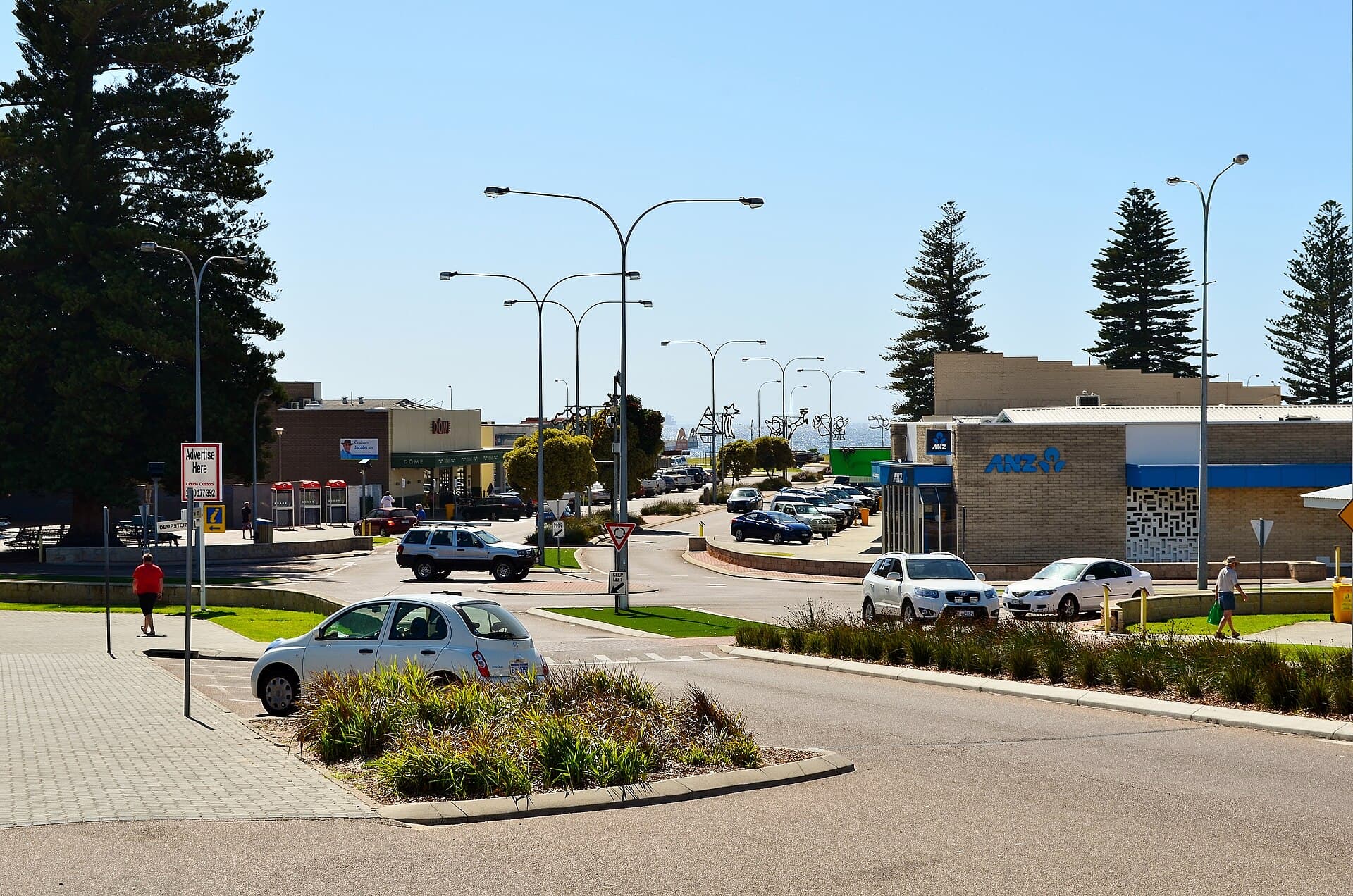 Bahnfrend / CC BY-SA 3.0, via Wikimedia Commons
Tour de audio autoguiado de Esperance — ruta GPS a pie, reproducción offline, narración en 32 idiomas.
“Donde el océano Austral se encuentra con un lienzo de arenas blancas y rosas cambiantes.”
No las postales. Las historias que ni los locales conocen — al oído, justo donde ocurrieron.
Esperance tiene un famoso 'Lago Rosa', pero su homónimo no siempre está a la altura de su animada reputación.
En 1979, la ciudad de Esperance envió una factura a un destinatario muy inesperado por una infracción bastante inusual.
Imagina una playa donde parte de la vida silvestre más icónica de Australia comparte casualmente la arena con los bañistas.
Descubre todos los secretos de Esperance
Cada dirección, cada revelación al completo — a tu oído, justo donde ocurrió.
Eliges tus paradas. Caminas. La voz te revela lo que los demás ignoran.


Tu tour de audioguía por Esperance te espera — elige tus lugares, tu idioma y empieza al llegar.
ComprarLume incluye una guía de realidad aumentada. Levanta el móvil y su cámara muestra la calle que tienes delante, con una flecha luminosa sobre la imagen real que siempre apunta a tu próxima parada — sin mapas que descifrar, sin giros equivocados. Como todo en Lume, funciona completamente sin conexión.
Esperance, o Kepa Kurl en el idioma aborigen Wudjari, que significa "donde el agua yace como un bumerán", es una ciudad costera en la costa del Océano Austral de Australia Occidental. Situada a unos 700 kilómetros al sureste de Perth, es celebrada por sus prístinas playas de arena blanca, sus claras aguas turquesas y sus escarpados paisajes de granito. La región es un paraíso para los entusiastas del aire libre, ofreciendo oportunidades para nadar, surfear, pescar y hacer senderismo, todo ello con un telón de fondo de esplendor natural.
La ciudad sirve como puerta de entrada a varios parques nacionales, incluido el extenso Parque Nacional Cape Le Grand, y está rodeada por el Archipiélago de la Recherche, una colección de más de 100 islas. La mezcla única de Esperance de costas impresionantes, vida silvestre diversa y una atmósfera relajada la convierte en un destino atractivo para aquellos que buscan conectar con la naturaleza en un paisaje verdaderamente memorable.
La tierra alrededor de Esperance ha sido el hogar del pueblo Wudjari, también conocido como Esperance Nyungar, durante miles de años. El nombre aborigen local para el área, Kepa Kurl, se traduce como "donde el agua yace como un bumerán", haciendo referencia a la forma de las dos bahías más cercanas a la ciudad. Las tierras ancestrales del pueblo Wudjari Nyungar abarcan más de 30,000 kilómetros cuadrados del sur de Australia Occidental, con sus derechos de Título Nativo formalmente reconocidos en 2014.
El primer avistamiento europeo registrado de esta costa ocurrió en 1627 por el barco holandés Gulden Zeepaert. Casi dos siglos después, en diciembre de 1792, el explorador francés Bruni d'Entrecasteaux buscó refugio en la bahía durante una tormenta y la nombró Esperance, que significa "esperanza" en francés, en honor a uno de sus barcos. El navegante británico Matthew Flinders cartografió la costa en 1802, nombrando puntos de referencia como Lucky Bay y Thistle Cove.
El asentamiento europeo comenzó en la década de 1860 con los hermanos Dempster, a quienes se les concedieron 123,000 hectáreas de tierra y establecieron la Estación Pastoral de Esperance Bay en 1864. Trajeron ganado por tierra desde Northam y construyeron el primer desembarcadero de Esperance. Una estación de telégrafos abrió en 1876, y el sitio de la ciudad fue formalmente publicado en 1893. El descubrimiento de oro en los campos de oro del este en la década de 1890 transformó Esperance en la "puerta de entrada a los campos de oro". El muelle de la ciudad fue construido en 1895 para manejar el aumento del tráfico, y la población creció a 985 en 1898.
El crecimiento de Esperance se vio inicialmente frenado por la construcción tardía de un ferrocarril a los campos de oro. En la década de 1960, la región se había convertido en un importante centro agrícola. Hoy en día, Esperance continúa prosperando con importantes industrias en turismo, agricultura y pesca. La ciudad también ha tenido su cuota de momentos históricos únicos, incluido el ser el lugar de aterrizaje de los escombros de la estación espacial Skylab de la NASA en 1979, un evento que llevó al ayuntamiento local a multar humorísticamente a la NASA por tirar basura.
Esperance ofrece una diversa gama de atracciones, principalmente centradas en su impresionante entorno natural. El Great Ocean Drive es un circuito de 40 kilómetros que muestra muchos de los puntos destacados costeros de la región, incluyendo hermosas playas, formaciones de granito y miradores.
El Parque Nacional Cape Le Grand es un destino notable, famoso por sus playas de arena increíblemente blanca y aguas turquesas. Aquí, puedes encontrar Lucky Bay, conocida por sus canguros residentes que a menudo se relajan en la arena. Otras playas notables dentro del parque incluyen Hellfire Bay, conocida por su arena blanca chirriante, y Thistle Cove, con su única 'Whistling Rock'. Para vistas expansivas del parque y el Archipiélago de la Recherche, considera hacer senderismo por el Frenchman Peak.
Más allá de los parques nacionales, Twilight Beach es un lugar popular cerca de la ciudad, reconocido por sus aguas tranquilas y claras y sus distintivas formaciones rocosas que crean piscinas naturales. Aunque el famoso "Pink Lake" cerca de la ciudad a menudo no es rosa, los vuelos panorámicos ofrecen la mejor oportunidad para ver otros lagos rosados radiantes en la región, como el Lake Hillier en Middle Island. Para una réplica histórica única, visita Esperance Stonehenge, una reconstrucción a tamaño real hecha de granito rosa local, alineada con los solsticios. El Museo de Esperance ofrece información sobre la historia local, incluyendo artefactos del accidente del Skylab. También puedes explorar Woody Island, la única isla en el Archipiélago de la Recherche accesible para excursiones de un día y pernoctaciones, que ofrece snorkel, rutas de senderismo y avistamiento de vida silvestre.
Esperance disfruta de un clima moderado tipo mediterráneo, con un tiempo templado y muchos días soleados durante todo el año. La mejor época para actividades de clima cálido y nadar en las aguas azules es de diciembre a marzo (verano), cuando las temperaturas son cálidas y los cielos están despejados. Sin embargo, el agua aún puede estar fresca, por lo que un traje de neopreno podría ser útil.
Para una experiencia más tranquila con menos multitudes y temperaturas agradables para hacer senderismo y explorar, considera visitar durante el otoño (marzo a mayo) o la primavera (septiembre a noviembre). La primavera también es ideal para experimentar las flores silvestres de la región en flor. El invierno (junio a agosto) trae condiciones más frías y lluviosas, pero ofrece oportunidades para el avistamiento de ballenas a lo largo de la costa.
Esperance está aproximadamente a 700 kilómetros al sureste de Perth, un viaje que toma alrededor de 7.5 horas en coche o un vuelo de 90 minutos. Aunque la ciudad en sí es pequeña y se puede recorrer a pie, un coche es esencial para explorar la región más amplia, incluyendo los parques nacionales y las playas. No hay servicios de transporte compartido ni taxis en Esperance, por lo que se recomienda alquilar un coche a la llegada.
Al planificar una visita a parques nacionales como Cape Le Grand, se requiere un Pase de Parques, y a menudo es más rentable comprarlo con antelación, especialmente si planeas visitar varios parques. Hay sitios de camping limitados disponibles dentro de los parques nacionales, pero son muy populares, especialmente durante la temporada alta, por lo que es crucial reservar con mucha antelación (hasta 180 días). También es aconsejable llevar tu propia comida, agua y combustible extra cuando te aventures a los parques nacionales, ya que las opciones de suministros son limitadas. Esperance ofrece una variedad de opciones de alojamiento, incluyendo moteles, hoteles, campings y estancias en granjas. El Centro de Visitantes de Esperance, ubicado en el histórico Museum Village, ofrece Wi-Fi gratuito e información local.
Esperance en coreano, en chino o en hebreo — y 29 idiomas más, cada parada narrada por una voz nativa. La mayor variedad de idiomas de cualquier audioguía autoguiada.
Disponible en: