Mercato Dehkan di Fergana
Il bazar centrale di Fergana offre una vivace esposizione di prodotti locali, ma una sezione rivela un'inaspettata convergenza culturale.
La storia completa si sblocca nel tour
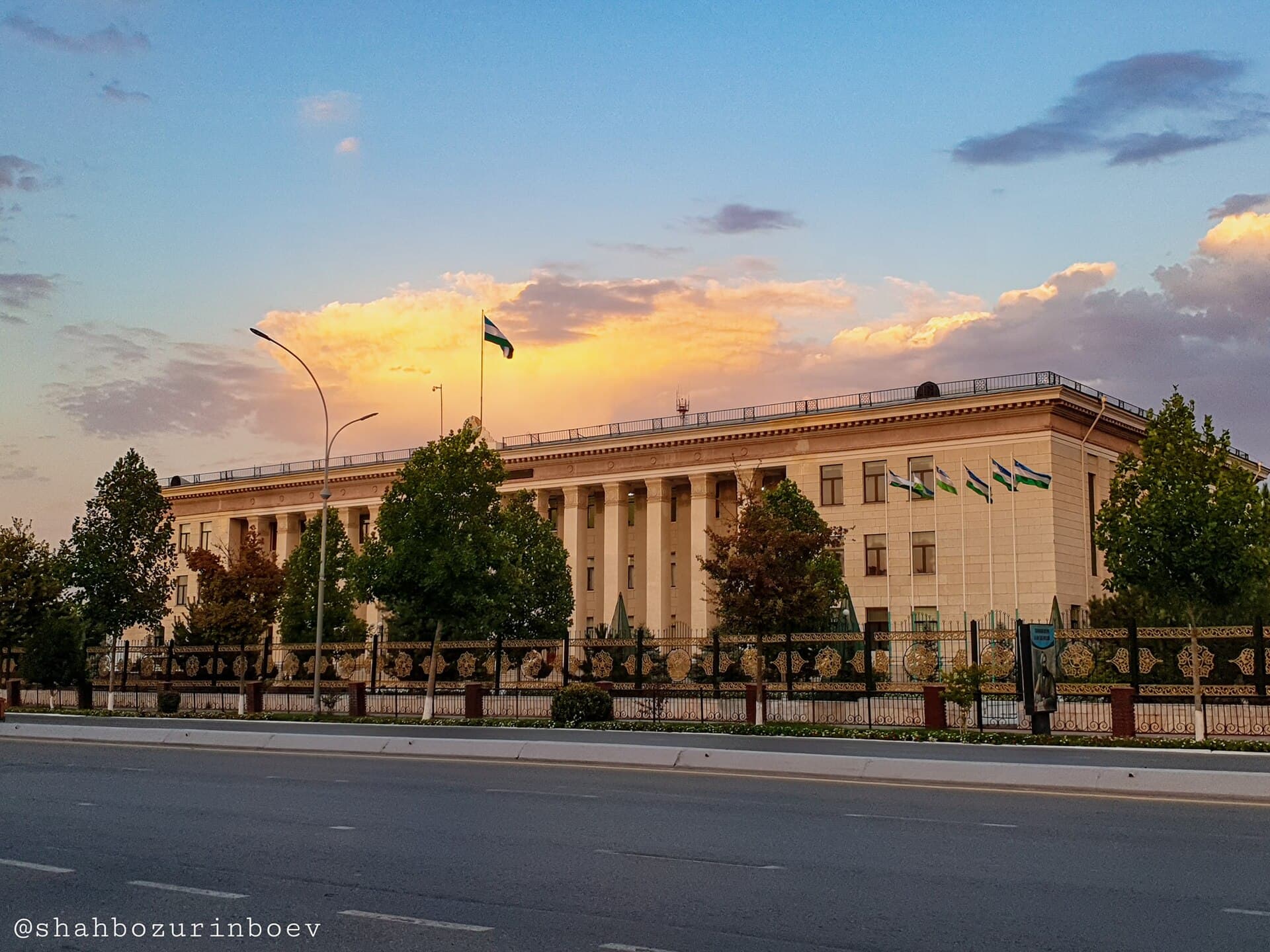 Shakhboz Urinboev / CC BY-SA 4.0, via Wikimedia Commons
Tour audio autoguidato di Fergana — percorso GPS a piedi, riproduzione offline, narrazione coinvolgente in 32 lingue.
“Fergana: Dove il design sovietico incontra lo spirito duraturo della Via della Seta.”
Non le cartoline. Le storie che nemmeno i locali conoscono — sussurrate nel tuo orecchio, proprio dove sono accadute.
Il bazar centrale di Fergana offre una vivace esposizione di prodotti locali, ma una sezione rivela un'inaspettata convergenza culturale.
Questo museo custodisce un elemento che ritrae vividamente la geografia della regione in modo inaspettato.
Questo vivace mercato è celebrato per i suoi brillanti tessuti, ma il momento della tua visita può svelare un aspetto più profondo e ritmico della vita locale.
Scopri ogni segreto di Fergana
Ogni indirizzo, ogni rivelazione completa — nel tuo orecchio, proprio dove è accaduta.
Scegli le tue tappe. Cammini. La voce rivela ciò che gli altri perdono.

Il tuo tour audio autoguidato di Fergana è pronto — scegli i tuoi punti di interesse, seleziona la tua lingua e inizia nel momento in cui arrivi.
AcquistaLume include una guida in realtà aumentata. Alza il telefono: la fotocamera mostra la strada davanti a te, con una freccia luminosa sovrapposta all'immagine reale che punta sempre verso la tua prossima tappa — nessuna mappa da decifrare, nessuna svolta sbagliata. Come tutto in Lume, funziona completamente offline.
Fergana, una città nell'Uzbekistan orientale, testimonia una pianificazione deliberata e una terra fertile. A differenza delle sue antiche controparti della Via della Seta, Fergana è una città relativamente giovane, fondata nel 1876 come centro militare-amministrativo dall'Impero Russo. Il suo impianto urbano, con ampi viali alberati che si diramano da una fortezza centrale, offre un distinto carattere europeo all'interno di un contesto centroasiatico.
Posizionata nell'espanse meridionale della Valle di Fergana, la città funge da vitale snodo industriale e culturale, riconosciuta per i suoi verdi campi di cotone e frutta, e per la sua duratura esperienza nella tessitura della seta e nella ceramica. Fergana offre una lente unica sulla cultura uzbeka, armonizzando le sue fondamenta dell'era sovietica con l'eredità artigianale profondamente radicata della valle più ampia. È un luogo dove gli sviluppi contemporanei coesistono con l'artigianato secolare, offrendo un tipo diverso di esperienza uzbeka lontano dalle città più visitate.
La storia della città di Fergana è relativamente breve se confrontata con gli antichi insediamenti nella valle circostante. Fu fondata nel 1876 dall'Impero Russo come Nuova Margilan, servendo come punto focale militare e amministrativo dopo la conquista del Khanato di Kokand. Il progetto iniziale della città fu una deliberata deviazione dalla pianificazione urbana tradizionale centroasiatica, caratterizzato da una struttura radiale-anulare con ampie arterie che si estendevano da una fortezza militare centrale. Questa pianificazione di ispirazione europea diede priorità anche agli spazi verdi, stabilendo Fergana come una delle città più verdi della nazione fin dalla sua nascita.
Nel 1907, la città ricevette un nuovo nome, Skobelev, in onore di Mikhail Skobelev, il primo governatore militare russo della Valle di Fergana. Il nome cambiò di nuovo nel 1924 in Fergana, adottando la designazione della fertile valle che abita. Durante l'era sovietica, Fergana conobbe una significativa industrializzazione, evolvendosi in un cruciale centro manifatturiero in Uzbekistan. Questo periodo vide la creazione di fabbriche tessili, una raffineria di petrolio e impianti chimici che producevano fertilizzanti. L'espansione della città fu ulteriormente spinta dalla ricollocazione di industrie durante la Seconda Guerra Mondiale.
Dopo l'indipendenza dell'Uzbekistan nel 1991, Fergana continuò a svilupparsi, con l'emergere di infrastrutture e servizi moderni. Oggi, rimane un importante centro industriale e culturale, bilanciando la sua eredità russa e sovietica pianificata con un'identità uzbeka contemporanea. Sebbene manchino monumenti antichi entro i suoi confini cittadini, la storia di Fergana si riflette nella sua architettura e nel suo ruolo di hub regionale.
Fergana presenta un mix di fascino dell'era sovietica e cultura locale. Inizia la tua esplorazione al Parco Akhmad Al-Fergani, un'ampia area verde centrale intitolata a un astronomo del IX secolo della Valle di Fergana. È un luogo piacevole per una passeggiata, offrendo giostre e un monumento in onore di Al-Fergani.
Per comprendere il passato della regione, visita il Museo Regionale di Storia Locale di Fergana. Questa istituzione del XIX secolo ospita scoperte archeologiche, ceramiche, ricami, gioielli e dipinti, oltre a un'interessante mappa 3D della Valle di Fergana.
Sperimenta il ritmo locale al Bazar Centrale di Fergana, un mercato vivace dove puoi trovare frutta fresca, spezie e pane. Questo bazar è particolarmente coinvolgente per il suo mix di venditori uzbeki, russi e coreani. Sebbene la città di Fergana stessa non contenga monumenti architettonici antichi, puoi ancora osservare edifici rimanenti dell'Impero Russo, come l'ex Casa del Governatore, ora il Teatro Drammatico.
Considera un breve viaggio nella vicina città di Margilan, ampiamente riconosciuta come centro di produzione della seta. Qui, la Fabbrica di Seta Yodgorlik offre tour dove puoi osservare il processo tradizionale della tessitura della seta. Un'altra gita di un giorno essenziale è a Rishton, celebrata per le sue distintive ceramiche blu e i laboratori artigianali.
I periodi più favorevoli per visitare Fergana sono la primavera (da aprile a inizio giugno) e l'autunno (da settembre a novembre). In questi mesi, il clima è mite e gradevole, con temperature che variano dai 15°C ai 25°C (59°F ai 77°F). La primavera porta frutteti in fiore e paesaggi verdi, mentre l'autunno offre la stagione del raccolto, con mercati pieni di frutta fresca come melograni e meloni. Le estati (luglio e agosto) possono essere intensamente calde, con temperature che superano frequentemente i 40°C (104°F), rendendo le attività all'aperto scomode. Gli inverni (da dicembre a febbraio) sono freddi, con temperature che spesso scendono intorno allo zero o al di sotto.
La valuta ufficiale a Fergana, e in Uzbekistan, è il Som Uzbeko (UZS). Gli sportelli bancomat sono disponibili nelle città più grandi della Valle di Fergana e generalmente accettano carte bancarie internazionali, sebbene possano applicarsi limiti di prelievo. È saggio informare la tua banca dei tuoi piani di viaggio per evitare problemi con le carte. Mentre le principali attività commerciali possono accettare carte di credito internazionali, il contante è preferito per le spese quotidiane, lo street food e i negozi più piccoli.
L'uzbeko è la lingua più parlata nella Valle di Fergana, ma molti locali parlano anche russo. Imparare alcune frasi base in entrambe le lingue può arricchire le tue interazioni. L'Uzbekistan è considerato una nazione molto sicura per i viaggiatori, comprese le donne che viaggiano da sole. Si consigliano sempre precauzioni standard contro i borseggi nelle aree affollate come i bazar.
Fergana è moderatamente percorribile a piedi, in particolare nei suoi distretti centrali. I trasporti pubblici includono autobus e taxi condivisi (marshrutkas) che collegano i luoghi chiave. I taxi sono anche facilmente disponibili e a prezzi ragionevoli; accordati sulla tariffa prima di iniziare il viaggio o utilizza le app di ride-hailing. Per i viaggi interurbani all'interno della Valle di Fergana, i taxi condivisi offrono un'opzione comoda ed economica.
Fergana — coreano, cinese, ebraico e altre 29 lingue, ogni tappa narrata da una voce madrelingua. La più ampia scelta di lingue tra i tour audio autoguidati.
Disponibile in: