Vieille ville de Fernandina
Imaginez une ville coloniale espagnole, méticuleusement conçue, mais qui deviendra bientôt un sanctuaire pour une autre forme de liberté.
L'histoire complète se débloque dans le tour
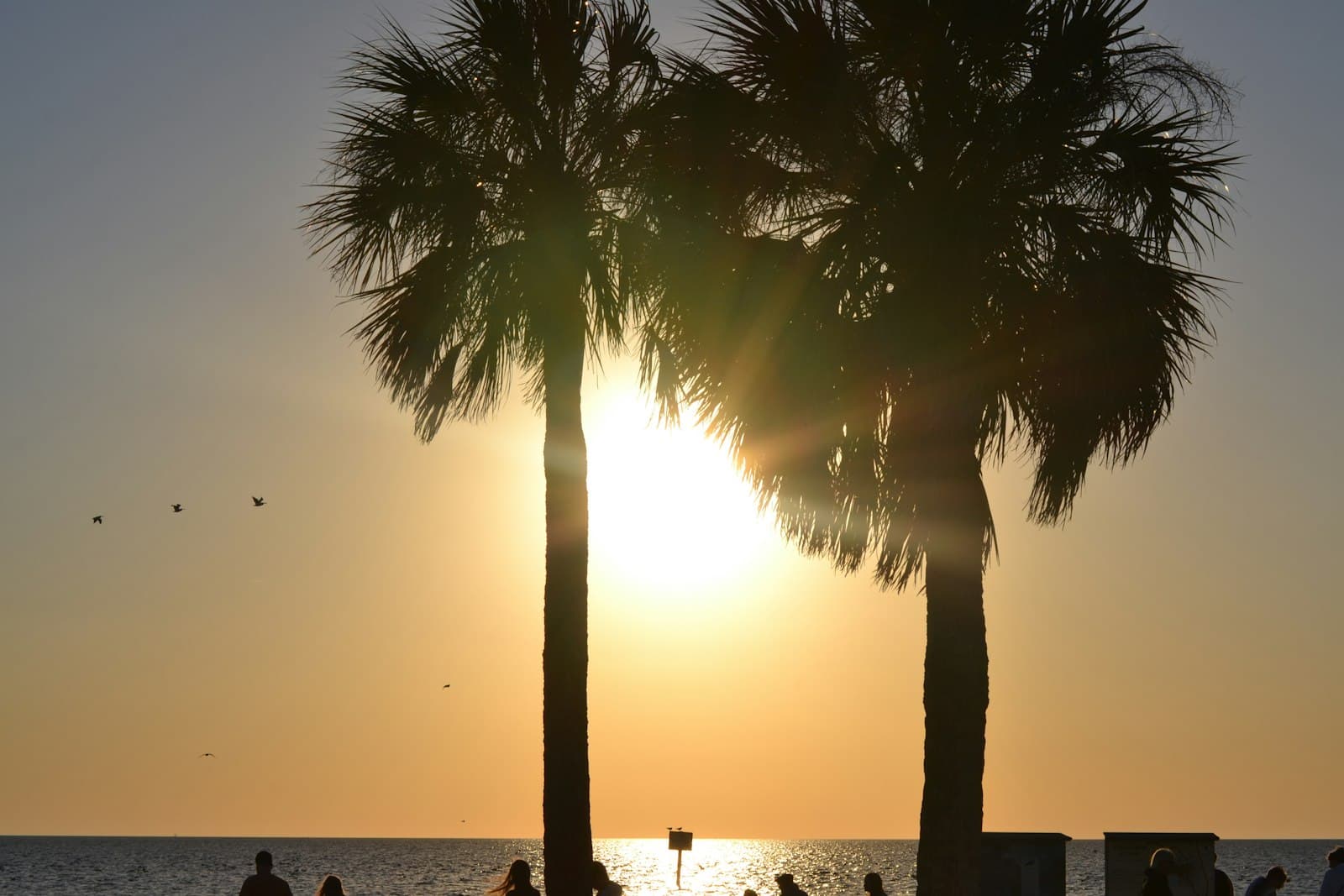 Photo: Meadow Marie / Unsplash
Visite audio autoguidée de Fernandina Beach — parcours GPS à pied, lecture hors ligne, narration en 32 langues.
“Là où huit drapeaux ont flotté, et chaque coin de rue raconte une histoire.”
Pas les cartes postales. Les histoires que même les habitants ignorent — soufflées à l'oreille, là où elles se sont passées.
Imaginez une ville coloniale espagnole, méticuleusement conçue, mais qui deviendra bientôt un sanctuaire pour une autre forme de liberté.
Le plus ancien saloon de Floride en activité continue a vu plus que de simples clients ; il a vu l'histoire se dérouler entre ses murs.
Une grande maison victorienne avec une histoire de conviction locale féroce, impliquant un fusil de chasse et les plans réorientés d'une ville.
Découvrez tous les secrets de Fernandina Beach
Chaque adresse, chaque révélation en entier — dans ton oreille, là où elle s'est passée.
Tu choisis tes lieux. Tu marches. La voix te révèle ce que les autres ignorent.

Votre visite audioguidée de Fernandina Beach vous attend — choisissez vos lieux, votre langue, et lancez-vous dès votre arrivée.
AcheterFernandina Beach, nichée à l'extrémité nord de l'île d'Amelia, est un lieu où l'histoire n'est pas simplement préservée ; elle respire dans l'air salin et les grandes façades victoriennes. Cette ville captivante, la plus septentrionale de la côte atlantique de la Floride, offre un mélange singulier de plages immaculées, d'un passé riche en histoires et d'une atmosphère détendue et accueillante. C'est une destination qui semble lointaine des étendues côtières plus fréquentées de la Floride, encourageant les visiteurs à ralentir leur rythme et à explorer ses nombreuses facettes.
Le centre-ville historique piétonnier de la ville, un quartier historique inscrit au registre national englobant plus de 50 pâtés de maisons, est un trésor de bâtiments du 19e siècle abritant des boutiques locales, des galeries d'art et des restaurants au bord de l'eau. Au-delà de l'attrait architectural, Fernandina Beach est embrassée par une splendeur naturelle, de ses sables couleur cacao idéaux pour le vélo au vaste parc d'État de Fort Clinch. Qu'ils soient attirés par les récits maritimes, les aventures en plein air ou simplement une évasion tranquille, Fernandina Beach offre une expérience captivante à chaque voyageur.
## Le déploiement de huit drapeaux L'île d'Amelia, où se trouve Fernandina Beach, porte fièrement la désignation « L'île aux huit drapeaux », un témoignage de son passé turbulent et varié. Depuis 1562, les bannières de la France, de l'Espagne, de la Grande-Bretagne, de l'Espagne (à nouveau), des Patriotes d'Amelia Island, de la Croix Verte de Floride, du Mexique, des États confédérés d'Amérique et enfin des États-Unis, ont toutes flotté sur cette terre stratégique. Les premiers habitants étaient les Amérindiens Timucuan, qui ont nommé l'île « Napoyca ».
Le contact européen a commencé en 1562 avec l'explorateur huguenot français Jean Ribault. Les forces espagnoles ont rapidement suivi, établissant des missions et déplaçant les Français. La ville de Fernandina elle-même a été officiellement planifiée par les Espagnols en 1811, ce qui en fait la dernière ville espagnole tracée dans l'hémisphère occidental. Cependant, sa position stratégique près de la frontière américaine et son statut de port franc l'ont rapidement transformée en un centre animé, voire illicite, pour les contrebandiers, les pirates et les marchands d'esclaves.
## Une époque dorée et au-delà Les fortunes de l'île ont changé radicalement avec la vision du sénateur américain David Yulee, qui, dans les années 1850, a dirigé la construction du premier chemin de fer trans-État de Floride. Cette entreprise ambitieuse a relié Fernandina à Cedar Key sur le golfe du Mexique, transformant la ville en un centre d'expédition vital et nécessitant son déménagement d'un mile au sud pour accueillir les nouvelles lignes ferroviaires. Cette époque, souvent appelée l'« Âge d'Or » de Fernandina, a vu un afflux de riches Nordistes, arrivant par la Mallory Steamship Line de New York, entraînant un boom de la construction de maisons victoriennes élaborées et valant à Fernandina le titre de « Reine des stations estivales ».
Après la guerre de Sécession, Fernandina a continué de prospérer en tant que port maritime, s'appuyant sur le transport maritime, la pêche à la crevette et le commerce touristique en expansion. Le début du 20e siècle a marqué un autre développement significatif : Fernandina Beach est devenue l'origine de l'industrie moderne de la pêche à la crevette, grâce à l'utilisation inventive de bateaux à moteur par un immigrant sicilien. Aujourd'hui, le passé riche de la ville est évident dans son quartier historique bien préservé, le musée d'histoire d'Amelia Island et le festival annuel de la crevette de l'île aux huit drapeaux, qui célèbre son héritage maritime.
Commencez votre exploration dans le centre-ville historique de Fernandina Beach, un quartier historique inscrit au registre national présentant plus de 400 structures historiques. Promenez-vous le long de Centre Street, bordée de bâtiments de l'époque victorienne abritant des boutiques distinctives, des galeries d'art et des restaurants. Ne manquez pas le Palace Saloon, le plus ancien bar de Floride en activité continue, pour un verre imprégné d'histoire.
À une courte distance en voiture, le parc d'État de Fort Clinch offre un aperçu de l'histoire de la guerre de Sécession avec son fort en briques du 19e siècle préservé, des visites quotidiennes et des événements d'histoire vivante. Le parc propose également des kilomètres de sentiers polyvalents, des plages et des opportunités d'observation de la faune. Pour une compréhension plus approfondie du passé de l'île, visitez le musée d'histoire d'Amelia Island, abrité dans l'ancienne prison du comté de Nassau.
Ceux qui apprécient la nature apprécieront le Main Beach Park, un endroit populaire pour la baignade, les bains de soleil et la recherche de coquillages, avec des commodités comme des aires de jeux et des aires de pique-nique. Le sable ferme près de l'eau le rend idéal pour faire du vélo le long du rivage. Envisagez une visite au phare d'Amelia Island, le plus ancien phare de Floride, accessible via des visites pré-enregistrées. Pour une expérience de plage plus sereine, explorez le parc d'État d'Amelia Island, connu pour ses dunes ondulantes et ses sables étendus. N'oubliez pas de chercher la maison de Fifi Brindacier, un point de repère vert vif avec un lien cinématographique.
La période optimale pour visiter Fernandina Beach est la fin du printemps (fin mars à mi-mai) et le début de l'automne (mi-octobre à mi-novembre). Pendant ces périodes, vous trouverez une eau chaude, des températures confortables allant de 20 à 27 degrés Celsius, des foules gérables et des tarifs d'hébergement plus bas par rapport à la haute saison estivale. L'été (juillet et août) est parfait pour la baignade à la plage, avec des sauveteurs présents, mais c'est aussi la période la plus achalandée et la plus chaude. L'hiver offre des conditions douces et calmes, excellentes pour explorer le centre-ville, faire du vélo et observer les oiseaux, bien qu'il fasse généralement trop frais pour la baignade.
Fernandina Beach est située sur l'île d'Amelia, à environ 56 kilomètres au nord de Jacksonville, en Floride. Le centre-ville historique est très accessible à pied, ce qui facilite l'exploration à pied. Pour traverser l'île, les vélos sont une option privilégiée, avec des locations disponibles qui peuvent être livrées à votre emplacement. Des toilettes publiques et des douches extérieures sont accessibles au Main Beach Park.
Le stationnement dans la zone de stationnement payant du centre-ville, qui s'étend de Ash Street à Alachua Street et de Front Street à 8th Street, a des tarifs horaires. Les titulaires de permis bénéficient d'un stationnement gratuit pendant un certain nombre d'heures par jour. Si vous prévoyez de visiter le parc d'État de Fort Clinch, soyez conscient des frais d'entrée et des heures d'ouverture spécifiques pour le parc, le poste de garde forestier et le fort. Les chiens sont les bienvenus sur la plage mais doivent être tenus en laisse en tout temps. Les objets personnels laissés sur les plages de la ville entre 20h00 et 6h00 sont considérés comme abandonnés et seront retirés.
Fernandina Beach en coréen, en chinois ou en hébreu — et dans 29 autres langues, chaque étape narrée par une voix native. La plus large gamme de langues de tous les audioguides autoguidés.
Disponible en :