Castillo de Santa Catalina
Esta modesta ruina desempeñó un papel crucial en la defensa de Inglaterra, pero sus orígenes tienen más que ver con la paranoia real que con una gran estrategia.
La historia completa se desbloquea en el tour
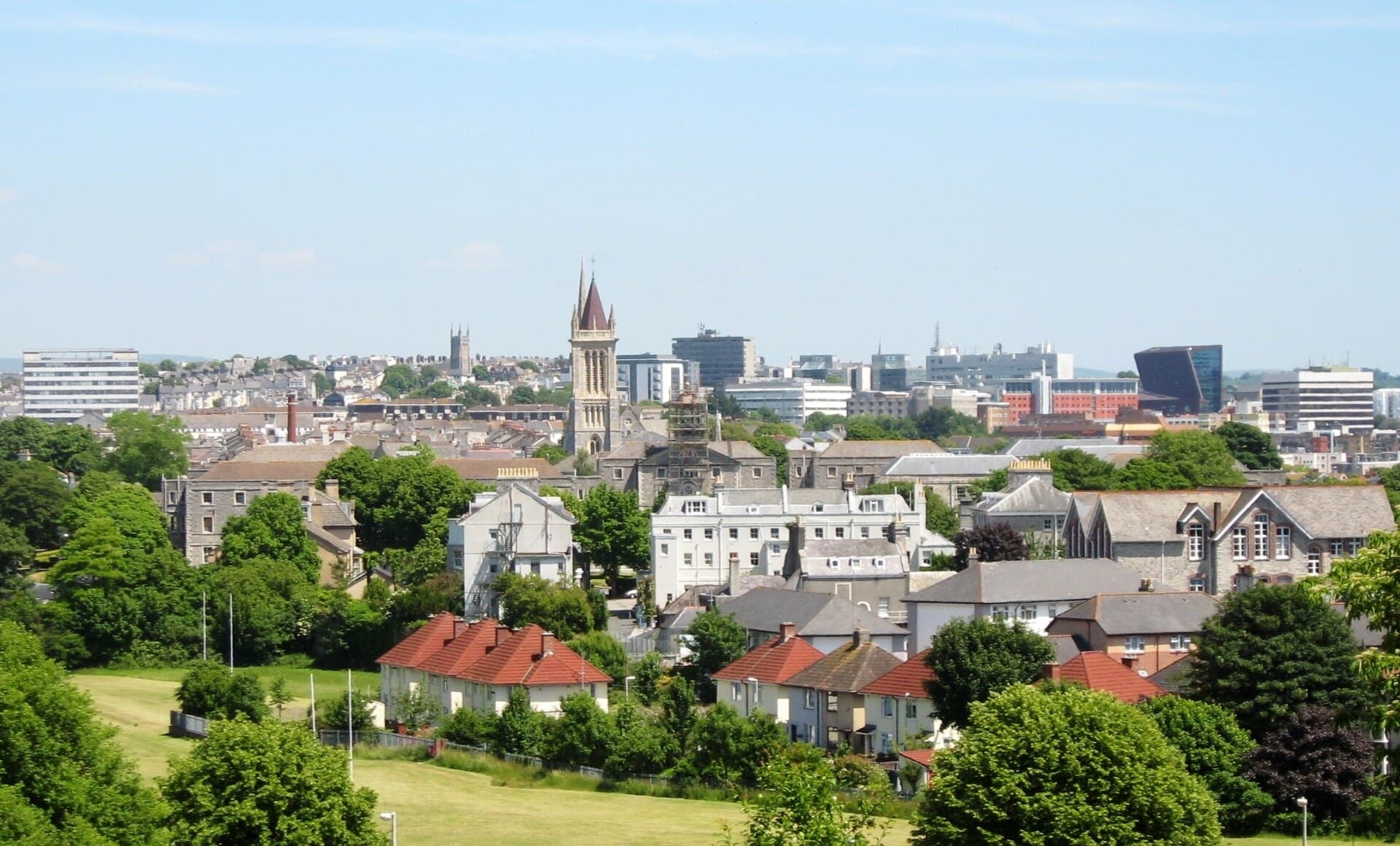 Photo of Plymouth, via Wikimedia Commons
Tour de audio autoguiado de Fowey — ruta GPS a pie, reproducción offline, narración en 32 idiomas.
“Donde los cuentos antiguos flotan en el aire salado.”
No las postales. Las historias que ni los locales conocen — al oído, justo donde ocurrieron.
Esta modesta ruina desempeñó un papel crucial en la defensa de Inglaterra, pero sus orígenes tienen más que ver con la paranoia real que con una gran estrategia.
Antes de que Fowey se convirtiera en un destino encantador, sus marineros eran conocidos en toda Europa por una actividad secundaria bastante audaz y rentable.
En el corazón de Fowey se alza una gran casa con torretas, una residencia privada que guarda un secreto de una época en que la ciudad enfrentaba una seria amenaza.
Descubre todos los secretos de Fowey
Cada dirección, cada revelación al completo — a tu oído, justo donde ocurrió.
Eliges tus paradas. Caminas. La voz te revela lo que los demás ignoran.


Tu tour de audioguía por Fowey te espera — elige tus lugares, tu idioma y empieza al llegar.
ComprarLume incluye una guía de realidad aumentada. Levanta el móvil y su cámara muestra la calle que tienes delante, con una flecha luminosa sobre la imagen real que siempre apunta a tu próxima parada — sin mapas que descifrar, sin giros equivocados. Como todo en Lume, funciona completamente sin conexión.
Fowey (pronunciado 'Foy') es una ciudad portuaria en la costa sur de Cornualles, Inglaterra, situada en la desembocadura del río Fowey. Esta atractiva ciudad es conocida por su profundo puerto natural, que ha moldeado su identidad como un importante centro comercial a lo largo de los siglos. Sus calles estrechas y sinuosas, bordeadas de edificios que descienden hacia la orilla del agua, ofrecen vistas panorámicas del estuario y la constante actividad de los barcos.
El atractivo de Fowey reside en su mezcla de belleza natural y un palpable sentido del pasado. Se encuentra dentro de un Área de Excepcional Belleza Natural, bordeada por tierras de cultivo, una costa escarpada y playas, con serpenteantes arroyos fluviales que atraviesan antiguos bosques de robles. La ciudad también ha servido de inspiración y hogar para escritores, sobre todo Daphne du Maurier, cuyo legado se celebra aquí.
## De Puerto Antiguo a Refugio Literario Los orígenes de Fowey son anteriores a la invasión normanda, con una iglesia local establecida ya en el siglo VII. El estuario del río Fowey proporcionó un puerto natural de aguas profundas, convirtiéndolo en un importante centro comercial durante siglos. Inicialmente, Lostwithiel, río arriba, era el puerto principal para el estaño de Cornualles, un metal que se comerciaba con el Cercano Oriente ya en el 2000 a.C. Sin embargo, a finales del siglo XIII, Fowey comenzó a ganar prominencia a medida que la necesidad de barcos y marineros de Inglaterra aumentaba debido a las hostilidades continuas con Francia y Escocia.
Durante la Guerra de los Cien Años (1337-1453), Fowey ganó el favor de la Corte inglesa por su apoyo en conflictos como el Sitio de Calais y la Batalla de Agincourt. Esta época vio el ascenso de los 'Gallardos de Fowey', un notorio grupo de corsarios que, con licencias reales, atacaron y capturaron buques franceses, convirtiendo la ciudad en una base para esta empresa altamente rentable. Las capacidades defensivas de la ciudad se reforzaron aún más en la década de 1530 con la construcción del Castillo de Santa Catalina por orden de Enrique VIII, destinado a proteger el puerto de la invasión francesa y española.
Para el siglo XIV, Fowey era uno de los puertos más activos de Inglaterra, exportando estaño de Cornualles y caolín, e importando vino de Burdeos. El caolín sigue exportándose desde la zona hoy en día. En siglos posteriores, el puerto bullició con barcos de la Royal Navy durante las Guerras Napoleónicas. La herencia marítima de la ciudad sigue siendo evidente, con su puerto que sigue siendo un refugio para embarcos de todo tipo, desde yates hasta cruceros.
Fowey también está profundamente conectada con la literatura, particularmente a través de la autora Daphne du Maurier, quien vivió aquí en la década de 1940 y escribió varias de sus novelas con vistas al agua. La ciudad celebra sus conexiones literarias a través de eventos como el Festival de Artes y Literatura de Fowey.
Comience su exploración a lo largo de Fore Street, una estrecha vía llena de tiendas independientes, galerías de arte y cafeterías. Esta calle finalmente conduce a Town Quay, ofreciendo vistas de barcos de pesca, yates y el ferry que cruza a Polruan. Desde el puerto, considere un viaje en barco río arriba por el estuario para contemplar las orillas salvajes y boscosas y los arroyos de marea, o un safari marítimo para tener la oportunidad de avistar focas y delfines.
Para una perspectiva histórica, tome el empinado sendero boscoso desde Readymoney Cove hasta el Castillo de Santa Catalina. Esta fortaleza de artillería del siglo XVI, construida por Enrique VIII, ofrece vistas panorámicas hacia Polruan y el Canal de la Mancha. Readymoney Cove en sí es una cala protegida, ideal para nadar, con una cafetería en la playa y servicios públicos. Otro sitio histórico significativo es la Iglesia de San Fimbarrus, la iglesia parroquial de Fowey, que data de principios del siglo XIV.
Caminar es una actividad popular, siendo el Hall Walk una ruta circular de 4 millas muy recomendada que ofrece vistas del estuario de Fowey y el Área de Excepcional Belleza Natural circundante. Fowey también se encuentra en el South West Coast Path y el Saints Way, lo que ofrece numerosas opciones para caminatas más largas. Para echar un vistazo al pasado industrial de Cornualles, el Wheal Martyn Clay Works se encuentra a poca distancia en coche.
La mejor época para visitar Fowey para actividades de clima cálido es desde finales de junio hasta principios de septiembre. Durante estos meses, la ciudad está en su punto más animado y todas las atracciones estacionales están abiertas. Agosto es un punto culminante, con la Regata Real de Fowey que presenta regatas de vela, música en vivo y fuegos artificiales. Mayo trae el Festival de Artes y Literatura de Fowey. Para una experiencia más tranquila con un clima más suave, considere las temporadas intermedias de abril, mayo, septiembre y octubre. Muchos restaurantes y el acuario abren a partir de Semana Santa.
Fowey es principalmente una ciudad para caminar y explorar a pie, con sus calles estrechas. Un servicio de minibús lanzadera circula entre el aparcamiento principal y el centro de la ciudad cada 15 minutos. Los servicios de autobús público conectan Fowey con ciudades cercanas como Par, St Austell y Mevagissey. Para viajes más lejanos, hay servicios de taxi locales disponibles.
El alojamiento en Fowey a menudo consiste en casas de vacaciones con cocina, muchas de las cuales ofrecen vistas al puerto o al río. Se recomienda reservar con mucha antelación, especialmente para el verano y durante la semana de la Regata de agosto. El cambio de moneda está disponible en la Oficina de Correos. Para necesidades médicas, el Fowey River Practice es el consultorio médico local, con lesiones menores tratadas en el Hospital Penrice en St Austell y servicios de Urgencias en el Hospital Treliske en Truro.
Fowey en coreano, en chino o en hebreo — y 29 idiomas más, cada parada narrada por una voz nativa. La mayor variedad de idiomas de cualquier audioguía autoguiada.
Disponible en: