Castillo de Frías
El castillo de Frías, una formidable fortaleza medieval, tiene una sorprendente conexión con una fortaleza más antigua y desmantelada.
La historia completa se desbloquea en el tour
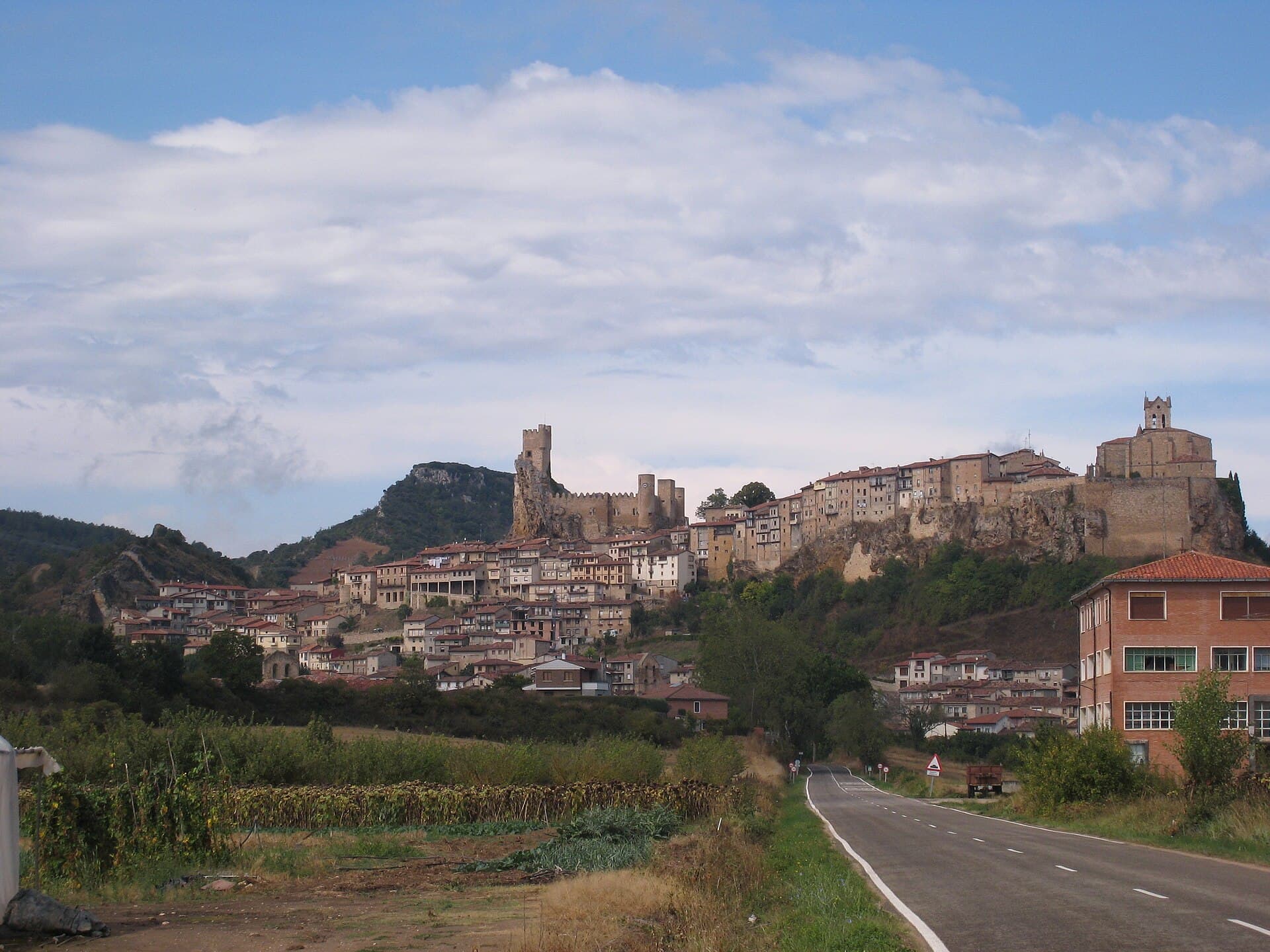 Rowanwindwhistler / CC BY-SA 3.0, via Wikimedia Commons
Tour de audio autoguiado de Frías — ruta GPS a pie, reproducción offline, narración en 32 idiomas.
“Donde la piedra medieval se aferra al acantilado y la historia respira en cada callejuela.”
No las postales. Las historias que ni los locales conocen — al oído, justo donde ocurrieron.
El castillo de Frías, una formidable fortaleza medieval, tiene una sorprendente conexión con una fortaleza más antigua y desmantelada.
Una pieza significativa del patrimonio religioso de Frías, la fachada románica de la Iglesia de San Vicente Mártir, ya no se encuentra en España.
Este antiguo puente sobre el río Ebro tuvo una doble función más allá del simple paso.
Descubre todos los secretos de Frías
Cada dirección, cada revelación al completo — a tu oído, justo donde ocurrió.
Eliges tus paradas. Caminas. La voz te revela lo que los demás ignoran.


Tu tour de audioguía por Frías te espera — elige tus lugares, tu idioma y empieza al llegar.
ComprarLume incluye una guía de realidad aumentada. Levanta el móvil y su cámara muestra la calle que tienes delante, con una flecha luminosa sobre la imagen real que siempre apunta a tu próxima parada — sin mapas que descifrar, sin giros equivocados. Como todo en Lume, funciona completamente sin conexión.
Frías, una ciudad grabada en la roca sobre el río Ebro, ofrece un viaje a través del tiempo. Sus casas, construidas de piedra pálida, parecen emerger directamente del acantilado, creando una silueta dramática contra el cielo. Este pequeño y antiguo asentamiento, oficialmente la ciudad más pequeña de España, invita a los visitantes a pasear por sus callejuelas estrechas y sinuosas, donde cada giro revela una nueva perspectiva de su encanto perdurable. El aire aquí transporta el aroma de la piedra antigua y el agua del río, una tranquila invitación a explorar.
El carácter de la ciudad se define por su escala íntima y su notable conservación. Caminar por Frías se siente como entrar en un diorama viviente de la vida medieval, donde el pasado es palpable en la textura de las paredes y la quietud de sus plazas. Es un lugar que recompensa la exploración lenta, animando a los visitantes a absorber la atmósfera y los detalles que la hacen tan distinta. Frías no es simplemente una colección de edificios antiguos; es un testimonio de siglos de esfuerzo humano, una comunidad que se ha adaptado y perdurado, manteniendo su identidad única.
La historia de Frías comienza mucho antes de su designación oficial como ciudad. La evidencia sugiere la presencia humana en la zona desde la Edad del Bronce, atraída por la posición estratégica con vistas al río Ebro y las fértiles tierras de abajo. Los romanos también reconocieron la importancia de esta ubicación, estableciendo una presencia que sentaría las bases para futuras fortificaciones. Sin embargo, fue durante el período medieval cuando Frías realmente comenzó a tomar su forma perdurable.
Durante la Reconquista, Frías se convirtió en un punto defensivo crucial, custodiando la frontera castellana contra las incursiones de Navarra y Vizcaya. La construcción de su formidable castillo, iniciada en el siglo XII, solidificó su papel como bastión militar. El rey Alfonso VIII de Castilla, en 1201, ordenó el desmantelamiento del cercano castillo de Petralata, reutilizando sus materiales para fortalecer la nueva fortaleza en Frías. Este acto subraya el valor estratégico que se le otorgó a la ciudad. El puente medieval también fue fortificado en el siglo XIV con una torre defensiva, sirviendo no solo como cruce sino también como punto de cobro de peaje.
Frías recibió su título de ciudad del rey Juan II de Castilla en 1435. Esto no se debió a su tamaño, que incluso entonces era modesto, sino como recompensa por su lealtad durante un período de disturbios civiles y conflictos con la poderosa familia Velasco, que tenía una influencia significativa en la región. A pesar de su pequeña población, el título perduró, convirtiendo a Frías en una entrada única en la lista de ciudades españolas. La resiliencia de la ciudad fue puesta a prueba a través de varios conflictos y cambios en el poder regional, sin embargo, mantuvo consistentemente su identidad y su integridad arquitectónica.
En tiempos más recientes, Frías ha abrazado su patrimonio, preservando cuidadosamente su arquitectura medieval y su trazado urbano. A principios del siglo XX se produjo el desafortunado derrumbe de la torre de la Iglesia de San Vicente Mártir, lo que llevó a la reubicación de su fachada románica al Museo The Cloisters de Nueva York. Sin embargo, los esfuerzos continúan para mantener el carácter de la ciudad, asegurando que sus estrechas callejuelas, antiguas murallas y el imponente castillo permanezcan para que las experimenten las generaciones futuras. Frías es un testimonio de siglos de historia, un lugar donde el pasado no solo se recuerda sino que se vive activamente dentro de sus confines de piedra.
El Castillo de Frías, una robusta fortaleza medieval, domina el punto más alto, ofreciendo amplias vistas del valle del Ebro. Su torre del homenaje y sus almenas cuentan historias de antiguas defensas. Abajo, las Casas Colgadas se aferran precariamente al borde del acantilado, con sus balcones de madera extendiéndose sobre el vacío, un testimonio de la ingeniosa construcción medieval. La Iglesia de San Vicente Mártir, aunque carece de su fachada románica original, aún presenta una estructura impresionante con una torre barroca posterior. Camine por el Puente Medieval de Frías, un arco de piedra que cruza el Ebro, completo con su torre defensiva y sus saeteras. Explore la Plaza Mayor, una modesta plaza enmarcada por casas tradicionales, y deambule por las laberínticas callejuelas que serpentean por la ciudad, revelando patios íntimos y detalles de piedra a cada paso.
La primavera y el otoño son ideales para visitar Frías. El clima es templado, perfecto para caminar por las calles empinadas y explorar el castillo sin el intenso calor del verano. Las flores silvestres florecen en el paisaje en primavera, añadiendo color a la piedra antigua, mientras que el otoño trae un suave frescor y el cambio de follaje a lo largo de las orillas del río. El verano puede ser cálido, y el invierno, aunque tranquilo, puede ser bastante frío.
El acceso a Frías es principalmente en coche, ya que las opciones de transporte público son limitadas. Hay aparcamiento disponible en la base de la ciudad, desde donde un corto paseo cuesta arriba conduce al centro histórico. Use zapatos cómodos adecuados para superficies irregulares y pendientes. Las estrechas calles de la ciudad son en su mayoría peatonales. Los servicios son modestos; hay algunos pequeños restaurantes y cafeterías que ofrecen comida local, y alojamiento limitado. Es aconsejable reservar el alojamiento con antelación, especialmente durante las temporadas altas. Los cajeros automáticos y otras comodidades modernas son escasos, así que planifique en consecuencia.
Frías en coreano, en chino o en hebreo — y 29 idiomas más, cada parada narrada por una voz nativa. La mayor variedad de idiomas de cualquier audioguía autoguiada.
Disponible en: