Furano Cheese Factory
Beyond the familiar cheddar and mozzarella, Furano's cheese factory presents surprisingly bold flavors.
Full story unlocks in the tour
 wakimasa / Public domain, via Wikimedia Commons
Self-guided audio walking tour of Furano — GPS route, offline playback, story-driven narration in 32 languages.
“Where fragrant lavender fields meet exceptional powder, Furano offers a taste of Hokkaido's authentic character.”
Not the postcards. The stories even locals don't know — whispered in your ear, right where they happened.
Beyond the familiar cheddar and mozzarella, Furano's cheese factory presents surprisingly bold flavors.
The name 'Furano' might suggest fragrant blossoms, but its true etymology carries a far more… pungent note.
While Farm Tomita is celebrated for its lavender, its continued existence as a lavender farm was once uncertain.
Discover every secret of Furano
Every address, every reveal in full — in your ear, right where it happened.
You pick your stops. You walk. The voice reveals what the others miss.


Your self-guided audio tour of Furano is ready — pick your landmarks, choose your language, and start the moment you arrive.
BuyLume has a built-in augmented-reality guide. Hold your phone up and its camera shows the street ahead of you, with a glowing arrow laid over the real view that always points to your next stop — no map to puzzle over, no wrong turns. Like everything in Lume, it works fully offline.
Furano, situated in the very center of Hokkaido, Japan's northernmost island, is a place that captivates throughout the year. Affectionately known as the "navel town" due to its central position, it offers a distinct character that contrasts with the bustling metropolises of Honshu. The city is framed by the Tokachi Mountain Range to the east and the Yubari Mountains to the west, creating a microclimate that nurtures both flourishing agricultural landscapes and exceptional winter sports conditions.
In summer, Furano transforms into a kaleidoscope of colors, with its renowned lavender fields drawing visitors from across the globe. When winter arrives, the region becomes a sanctuary for skiers and snowboarders, offering some of the finest, driest powder snow on the planet. Beyond its scenic allure, Furano is celebrated for its agricultural produce, including carrots, melons, and unique dairy products, providing a genuine taste of rural Japan.
The story of Furano is deeply intertwined with the development of Hokkaido and the heritage of its indigenous Ainu people. The city's name originates from the Ainu term "Fura-nui," meaning "stinking flame" or "smelly place," a reference to the sulfuric fumes emanating from the fumaroles of the nearby volcanic Peak Tokachi.
Modern settlement commenced in the late 1800s during the Meiji era, as the Japanese government actively encouraged the colonization and development of Hokkaido. The first homesteaders arrived in 1897 from Mie Prefecture, undertaking the arduous task of clearing land for agriculture. By 1899, Furano village was officially established, and a vital railway connection in 1900 linked the valley to major ports and cities, fostering rapid population growth and trade. The early economy primarily relied on logging and transforming the wilderness into farmland, with settlers successfully cultivating rice and vegetables despite the challenging climate.
Furano's status was elevated to a town in 1919 and then to a city in 1966, following an administrative merger with Yamabe. Agriculture remained the foundational industry, with Furano becoming a leading producer of carrots and onions. The cultivation of lavender, now an enduring symbol of Furano, began in the early 20th century, initially as a raw material for Japan's perfume and cosmetic industries. The 1960s saw the establishment of the first ski lifts, marking the beginning of Furano's emergence as a winter sports destination.
In the 1970s, despite a decline in the lavender industry due to synthetic alternatives, Farm Tomita's fields gained national recognition through a Japan National Railways calendar, sparking a new era of tourism focused on flower viewing. The city further diversified its economy in the 1970s and 80s, with the opening of the Furano Wine winery in 1972 and the Furano Cheese Factory in 1983, utilizing local produce to create distinctive gastronomic brands. The Hokkaido Belly Button Festival, first held in 1969, symbolizes Furano's geographical centrality and communal spirit. Today, Furano continues to flourish as both an agricultural powerhouse and a dual-season tourist destination, offering authentic Japanese experiences throughout the year.
Furano offers a varied collection of attractions for every season. In summer, the rolling hills burst into life with brilliant flowers, most notably the iconic lavender fields. Farm Tomita is the most renowned, featuring expansive lavender plantations and other colorful blossoms, alongside shops selling lavender-infused products and a distinctive lavender soft serve. Other notable flower farms include Flower Land Kamifurano and Choei Lavender Garden.
Beyond the flowers, explore the Furano Cheese Factory, where you can observe cheese production, sample local dairy products, and even try your hand at making cheese or butter. The Furano Winery, situated on a hill overlooking the town, provides free wine tastings of locally produced wines. For a touch of local craftsmanship, Ningle Terrace, a collection of artisan cottages near the New Furano Prince Hotel, offers handmade goods in a captivating forest setting. Outdoor enthusiasts can enjoy cycling through Biei's patchwork fields, hiking in Daisetsuzan National Park, or experiencing river rafting on the Sorachi River. The ethereal Shirogane Blue Pond and Shirahige Falls are also popular scenic locations.
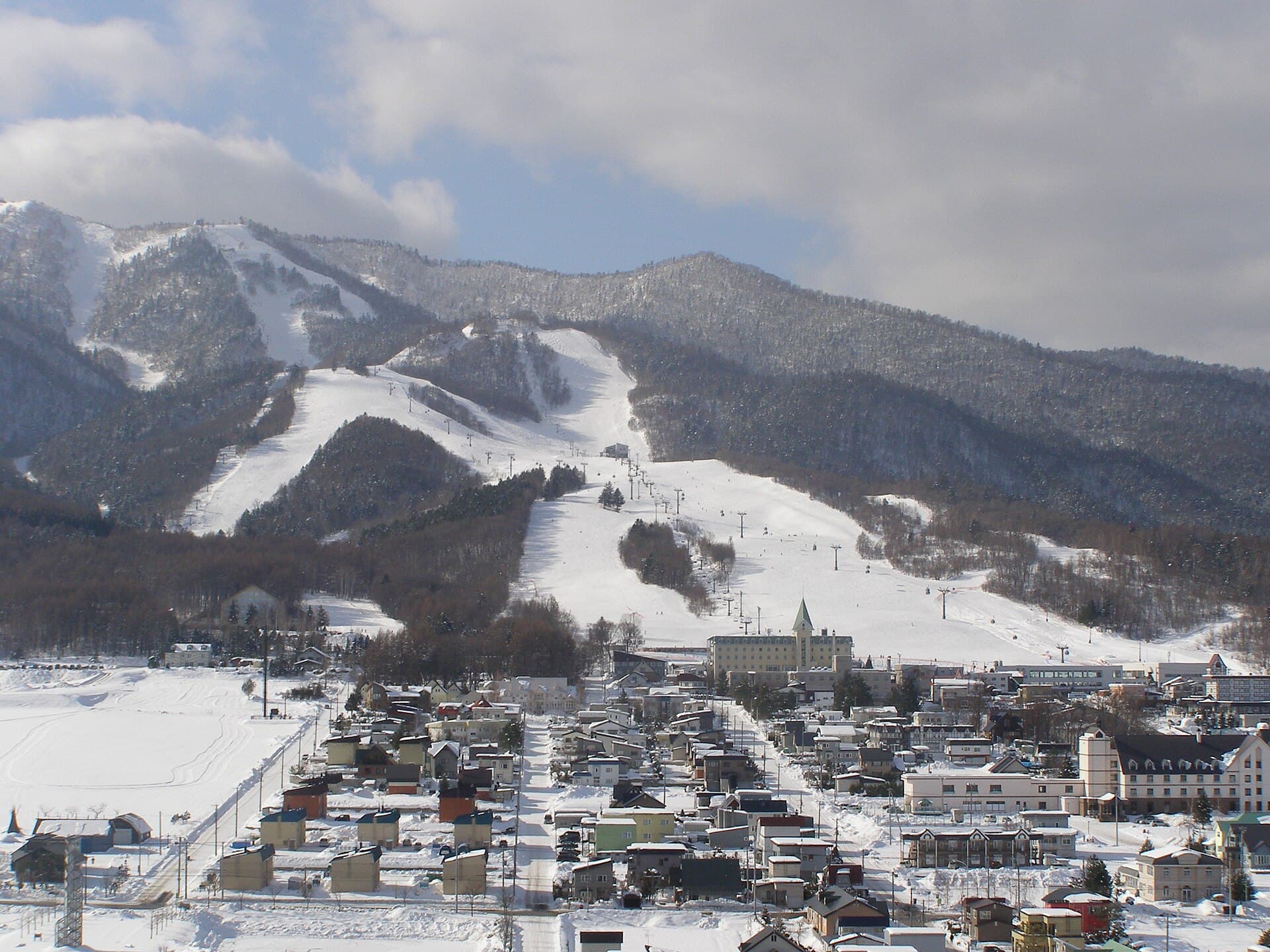
In winter, Furano Ski Resort takes center stage, offering exceptional powder snow and a variety of runs for all skill levels across its Kitanomine and Furano zones. Beyond skiing, winter activities include snowmobiling, snowshoeing, and family-friendly options at Furano Snow Land.
Furano welcomes visitors year-round, with each season presenting a distinct experience. The most popular time for admiring the flowers is summer, particularly July, when the lavender fields are in full bloom. Late June and early August also offer beautiful blooms with fewer crowds. For winter sports, the ski season extends from late November to early May, with peak powder conditions typically from December to February. May, June, August, and October provide pleasant weather and a more relaxed atmosphere for exploring the countryside.
The closest international airport to Furano is New Chitose Airport (CTS) near Sapporo, approximately 125 kilometers away. From there, you can reach Furano by train (around 2 hours with one transfer from Sapporo Station) or bus (about 2.5 hours). During summer, a special Furano Lavender Express train also operates. While a local bus network exists, renting a car is often the most convenient way to explore Furano and the wider Biei area, especially during warmer months. However, driving in winter is not advisable due to deep snow and icy roads. Many hotels, restaurants, and attractions may have limited English-speaking staff, so some basic Japanese phrases can be helpful. The Furano Visitor Centre at the train and bus station may offer English assistance. It is easy to spend 3-4 days in Furano, allowing ample time to explore both summer and winter attractions.
Furano in Korean, in Chinese or in Hebrew — and 29 more languages, every stop narrated by a native voice. The widest language range of any self-guided audio tour.
Available in: