Site mégalithique de Pakri-Barwadih
Imaginez un calendrier gravé non pas sur du papier ou des tablettes de pierre, mais dans des mégalithes imposants, précisément alignés avec le cosmos.
L'histoire complète se débloque dans le tour
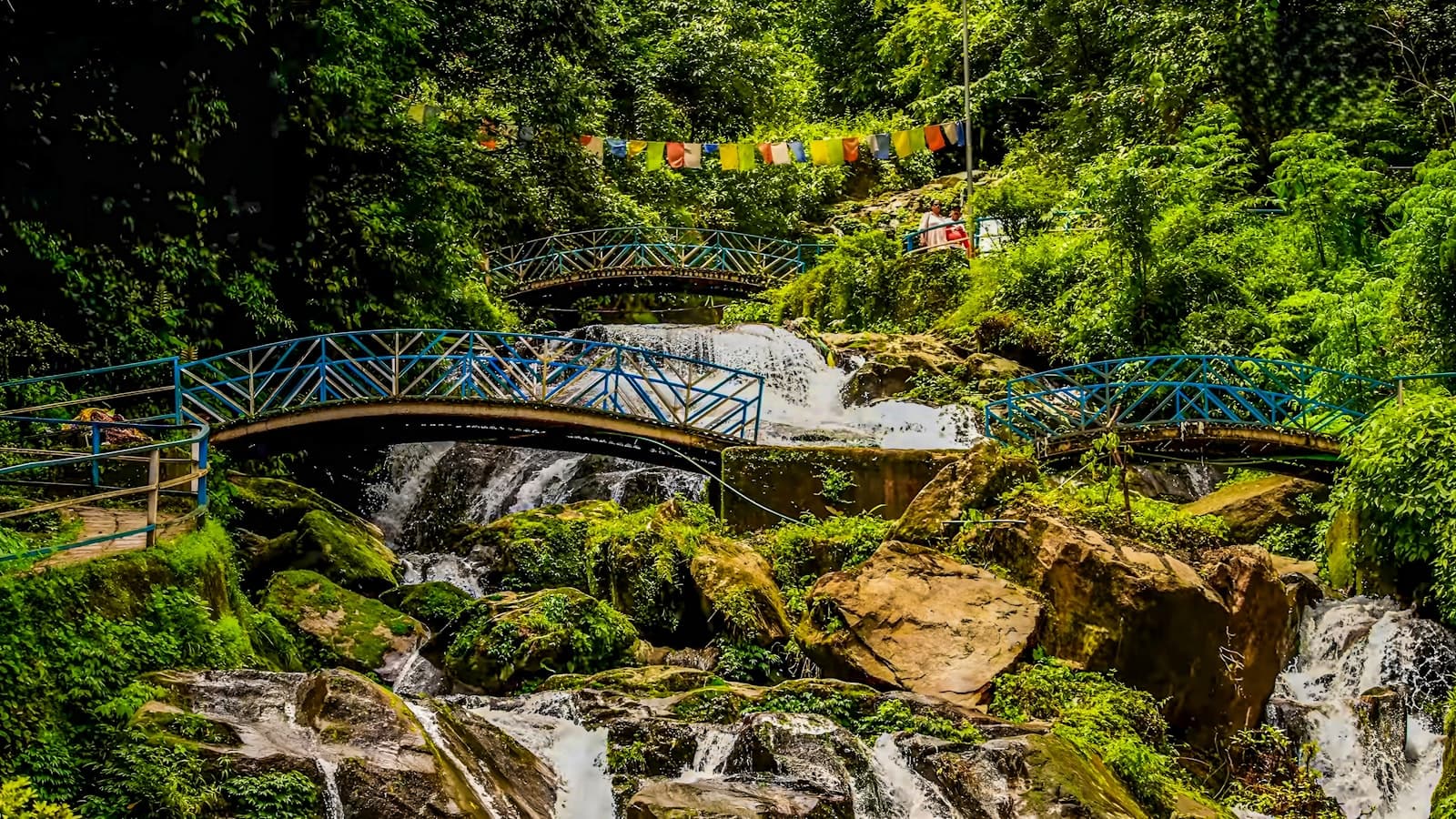 Photo: Abhijit Biswas / Unsplash
Visite audio autoguidée de Hazaribagh — parcours GPS à pied, lecture hors ligne, narration en 32 langues.
“Là où les pierres ancestrales murmurent au soleil, et les forêts profondes gardent d'anciens récits.”
Pas les cartes postales. Les histoires que même les habitants ignorent — soufflées à l'oreille, là où elles se sont passées.
Imaginez un calendrier gravé non pas sur du papier ou des tablettes de pierre, mais dans des mégalithes imposants, précisément alignés avec le cosmos.
On dit qu'une grotte près de Hazaribagh invoque le ciel si une phrase spécifique y est prononcée.
Le nom de la ville suggère un passé verdoyant, mais sa traduction littérale pourrait vous surprendre.
Découvrez tous les secrets de Hazaribagh
Chaque adresse, chaque révélation en entier — dans ton oreille, là où elle s'est passée.
Tu choisis tes lieux. Tu marches. La voix te révèle ce que les autres ignorent.


Votre visite audioguidée de Hazaribagh vous attend — choisissez vos lieux, votre langue, et lancez-vous dès votre arrivée.
AcheterLume intègre un guide en réalité augmentée. Levez votre téléphone : sa caméra montre la rue devant vous, avec une flèche lumineuse posée sur l'image réelle qui pointe toujours vers votre prochain arrêt — aucune carte à déchiffrer, aucun mauvais virage. Comme tout dans Lume, ça fonctionne entièrement hors-ligne.
Hazaribagh, une ville du Jharkhand, en Inde, offre une évasion rafraîchissante dans la nature et un aperçu des traditions anciennes. Le nom lui-même, signifiant 'mille jardins', fait allusion à la verdure abondante qui caractérise cette région. De ses collines ondulantes à ses lacs sereins, Hazaribagh invite à l'exploration et à la contemplation.
La ville sert de porte d'entrée vers des merveilles naturelles et des expériences culturelles. Ses paysages sont un mélange de forêts denses, de plaines ouvertes et de cours d'eau doux, offrant un cadre tranquille à ceux qui cherchent un répit du tumulte urbain. Le rythme de vie ici semble paisible, permettant aux visiteurs de se connecter avec l'environnement et le mode de vie local.
La région autour de Hazaribagh a un passé profond, avec des preuves d'activité humaine remontant à la préhistoire. Des découvertes archéologiques, telles que les sites mégalithiques de Pakri-Barwadih, suggèrent une compréhension astronomique avancée chez les premières sociétés tribales. Ces anciens alignements de pierres servaient de calendriers, aidant les communautés à suivre les saisons et le temps, essentiels pour l'agriculture et les cérémonies.
Pendant les périodes médiévales, la région a été influencée par diverses puissances régionales, bien qu'elle soit souvent restée une zone frontalière. Les forêts denses et le terrain difficile ont constitué une barrière naturelle, permettant aux cultures tribales locales de maintenir largement leurs identités et pratiques distinctes.
L'arrivée de la Compagnie britannique des Indes orientales au XVIIIe siècle a marqué un changement significatif. Hazaribagh est devenue un important centre administratif et militaire sous la domination coloniale. Les Britanniques ont établi des cantonnements et des infrastructures, façonnant l'aménagement et l'architecture de la ville. Elle a servi de sanatorium en raison de son climat agréable et de son environnement naturel. De nombreux bâtiments de l'époque coloniale subsistent encore, offrant un lien tangible avec cette période de son passé.
Après l'indépendance, Hazaribagh a continué d'évoluer, conciliant son patrimoine naturel et son développement. Des efforts ont été faits pour préserver ses sites culturels et sa beauté naturelle, tout en s'adaptant aux besoins modernes. L'histoire de la ville est un récit superposé de sagesse indigène, d'influence coloniale et de croissance contemporaine.
Explorez les richesses naturelles et culturelles de Hazaribagh. Le Parc National de Hazaribagh offre une chance d'observer une faune diverse dans son habitat naturel. Pour un moment de tranquillité, visitez le Lac Hazaribagh, dont la troisième section est particulièrement réputée pour ses vues sur le lever et le coucher du soleil. Le Musée et Galerie d'Art Sanskriti présente l'art tribal local, y compris les peintures murales distinctives Khovar et Sohrai. Découvrez l'ancien Site Mégalithique de Pakri-Barwadih, une merveille archéo-astronomique où les pierres s'alignent avec les événements célestes. La Source chaude de Surajkund, l'une des plus chaudes de l'Inde, est réputée posséder des propriétés curatives. Pour une curiosité architecturale unique, visitez Panchmandir, un temple construit avec des matériaux comestibles. La Colline Canary offre des vues panoramiques sur le paysage environnant et la ville.
Le meilleur moment pour visiter Hazaribagh est pendant les mois plus frais et plus secs, d'octobre à mars. Le temps pendant cette période est agréable, ce qui le rend idéal pour les activités de plein air, l'observation de la faune et l'exploration des environs naturels. Les étés, d'avril à juin, peuvent être assez chauds, tandis que la saison de la mousson, de juillet à septembre, apporte de fortes pluies.
Hazaribagh est accessible par la route et le rail. La gare principale la plus proche est Hazaribagh Road, et l'aéroport le plus proche est l'aéroport Birsa Munda à Ranchi. Dans la ville, les auto-rickshaws et les taxis sont facilement disponibles pour le transport local. Les options d'hébergement vont des hôtels économiques aux maisons d'hôtes. Il est conseillé de porter des vêtements légers en coton pendant les mois les plus chauds et des lainages légers pour la saison plus fraîche. Restez toujours hydraté et emportez des fournitures de premiers secours de base, surtout lorsque vous vous aventurez dans des zones naturelles.
Hazaribagh en coréen, en chinois ou en hébreu — et dans 29 autres langues, chaque étape narrée par une voix native. La plus large gamme de langues de tous les audioguides autoguidés.
Disponible en :