Kefken Pink Rocks
A geological marvel near Izmit defies expectation, a rock formation that shapeshifts with water.
Full story unlocks in the tour
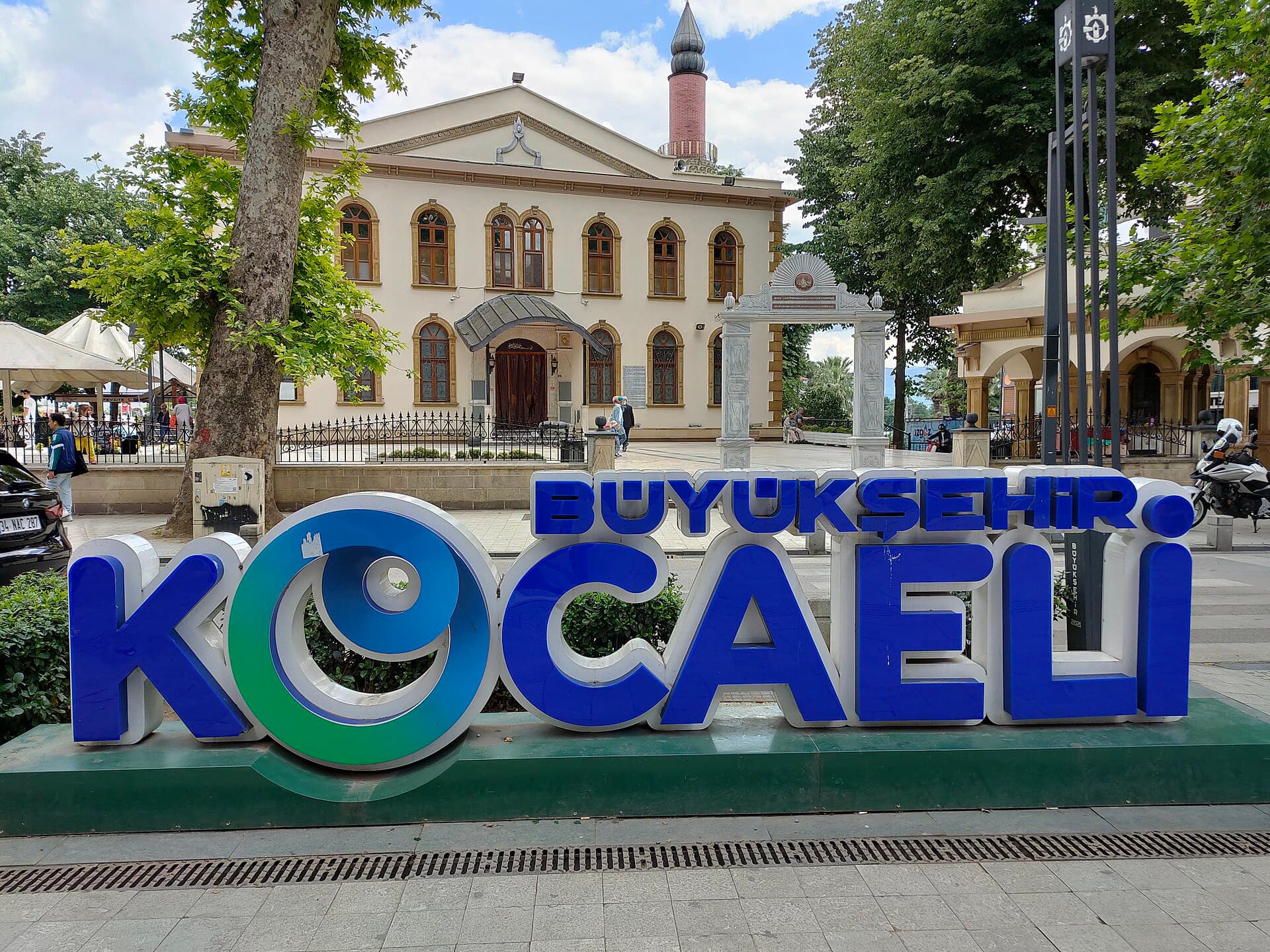 Wiki leylek / CC BY 4.0, via Wikimedia Commons
Self-guided audio walking tour of Izmit — GPS route, offline playback, story-driven narration in 32 languages.
“Where Roman grandeur meets Ottoman grace on the Gulf of Izmit.”
Not the postcards. The stories even locals don't know — whispered in your ear, right where they happened.
A geological marvel near Izmit defies expectation, a rock formation that shapeshifts with water.
Before it was Izmit, this city held a title few others in Anatolia can claim: a Roman imperial capital.
A legendary Carthaginian general, a sworn enemy of Rome, is said to have spent his last days and died near ancient Nicomedia.
Discover every secret of Izmit
Every address, every reveal in full — in your ear, right where it happened.
You pick your stops. You walk. The voice reveals what the others miss.


Your self-guided audio tour of Izmit is ready — pick your landmarks, choose your language, and start the moment you arrive.
BuyLume has a built-in augmented-reality guide. Hold your phone up and its camera shows the street ahead of you, with a glowing arrow laid over the real view that always points to your next stop — no map to puzzle over, no wrong turns. Like everything in Lume, it works fully offline.
Izmit, the capital of Kocaeli Province, is a city where layers of history meet the active pulse of modern industry, all set against the Gulf of Izmit. Once the ancient city of Nicomedia, it served as a crucial center in both the Bithynian Kingdom and the Roman Empire, even briefly holding the esteemed title of an Eastern Roman capital. This deep past is still visible in scattered ruins and historical monuments that dot the urban landscape.
Today, Izmit is a bustling hub, a significant industrial and commercial crossroads connecting Europe with the Middle East and Asia. Yet, amidst its dynamic energy, it offers travelers a blend of historical exploration, natural beauty, and a distinct local culture. From peaceful seaside promenades to museums filled with millennia-old artifacts, and a culinary scene with unique regional flavors, Izmit invites a deeper look beyond its industrial facade.
## From Ancient Capitals to Ottoman Sanjak Izmit's story begins long before its current name. Originally a Megarian city founded in the 8th century BCE, it was known as Astacus or Olbia. Its true prominence, however, came around 264 BCE when Nicomedes I of Bithynia rebuilt and renamed it Nicomedia, establishing it as the capital of the Kingdom of Bithynia. Under Roman rule, Nicomedia flourished, frequently serving as an imperial residence. Its most significant period was arguably between 286 and 324 AD, when Emperor Diocletian designated it as the eastern and most senior capital of the Roman Empire, a pivotal city during the Tetrarchy. Even after Constantine the Great's victory over Licinius in 324 AD, Nicomedia served as his interim capital until Constantinople's official proclamation as the new Roman capital in 330 AD.
Following a period of decline under the Byzantines, Izmit fell to the Ottomans in 1326. During the Ottoman Empire, it became the capital of the Sanjak of Kocaeli. The city's historical monuments reflect this layered past, including remnants of ancient walls, a Byzantine fortress, and a 16th-century mosque designed by the renowned Ottoman architect Sinan. In modern times, Izmit's growth has been driven by its strategic location on the main road and rail lines between Istanbul and Ankara, leading to rapid industrialization. However, this progress has also brought challenges, notably the devastating earthquake of August 17, 1999, which had its epicenter near the city, causing immense loss of life and widespread destruction.
Begin your exploration at the Izmit Clock Tower, a Neoclassical structure built in 1901 to commemorate Sultan Abdulhamid II's ascension to the throne. Standing 24 meters tall, it offers wide views of the city and the Gulf of Izmit. Nearby, the Yeni Cuma Mosque and Fevziye Mosque are significant religious sites showcasing Ottoman-era architecture.
For a breath of fresh air, head to Seka Park, a sprawling green space along the coast, perfect for leisurely strolls and enjoying views of the Gulf. History enthusiasts will appreciate the Kocaeli Archeology and Ethnography Museum, which houses a remarkable collection of artifacts from the Hellenistic, Byzantine, and Ottoman periods, tracing Izmit's 5000-year history. Another unique historical site is the Gayret Naval Museum, a former US Navy ship transformed into a museum, offering insights into naval history.
Consider a day trip to Kefken, a coastal town known for its unique Pink Rocks, which are soft underwater but harden upon exposure to air, and were historically used in construction. For those interested in art and history, the Osman Hamdi Bey House and Museum, though a bit further out, provides a fascinating glimpse into the life and work of a pivotal Turkish painter and museologist.
The best time to visit Izmit is during May, June, September, and October. During these periods, the weather is most favorable, offering comfortable temperatures for exploring historical sites and enjoying outdoor activities. Summers (July and August) are warm, with average highs around 85°F (29°C), and offer the most sunshine and fewest rainy days, making them suitable for hot-weather activities. Winters (January and February) are cold, with average lows around 35°F (1°C), and can bring snow, particularly in January, which might appeal to those seeking a quieter, cooler experience.
Izmit is well-connected and easily accessible. High-speed trains offer efficient travel from Istanbul (Pendik) in about 45 minutes and from Ankara in approximately 3 hours. Numerous private coach companies also operate regular services from Istanbul's main bus terminals. Within the city, public transportation is affordable and comprehensive, with buses, dolmuş (shared minibuses), and a tram line covering key areas. Taxis are also readily available. For exploring the wider region, renting a car provides flexibility, though be prepared for potentially heavy traffic.
Turkish hospitality is warm and welcoming; a simple 'Merhaba' (hello) and a handshake are customary greetings. When visiting mosques, dress modestly, covering shoulders and knees, and remember to remove your shoes before entering. Tipping around 10% is appreciated in restaurants. While tap water is generally chlorinated, it's advisable to stick to bottled water to avoid potential stomach upset. Izmit is considered safe for tourists, but like any crowded area, be mindful of your belongings in busy markets and on public transport.
Izmit in Korean, in Chinese or in Hebrew — and 29 more languages, every stop narrated by a native voice. The widest language range of any self-guided audio tour.
Available in: