Museo de la Casa del Armisticio de Mudanya
Esta casa del siglo XIX, aparentemente ordinaria, guarda un secreto que reconfiguró el mapa de la Turquía moderna.
La historia completa se desbloquea en el tour
 The Emirr / CC BY 3.0, via Wikimedia Commons
Tour de audio autoguiado de Mudanya — ruta GPS a pie, reproducción offline, narración en 32 idiomas.
“Donde los ecos de imperios se encuentran con la calma del mar de Mármara.”
No las postales. Las historias que ni los locales conocen — al oído, justo donde ocurrieron.
Esta casa del siglo XIX, aparentemente ordinaria, guarda un secreto que reconfiguró el mapa de la Turquía moderna.
Observe de cerca las coloridas casas de madera y los callejones estrechos; cuentan una historia de desplazamiento y nuevos comienzos.
Este pueblo cercano, conocido por sus olivos, fue predominantemente griego y su nombre refleja una capa histórica más profunda.
Descubre todos los secretos de Mudanya
Cada dirección, cada revelación al completo — a tu oído, justo donde ocurrió.
Eliges tus paradas. Caminas. La voz te revela lo que los demás ignoran.


Tu tour de audioguía por Mudanya te espera — elige tus lugares, tu idioma y empieza al llegar.
ComprarLume incluye una guía de realidad aumentada. Levanta el móvil y su cámara muestra la calle que tienes delante, con una flecha luminosa sobre la imagen real que siempre apunta a tu próxima parada — sin mapas que descifrar, sin giros equivocados. Como todo en Lume, funciona completamente sin conexión.
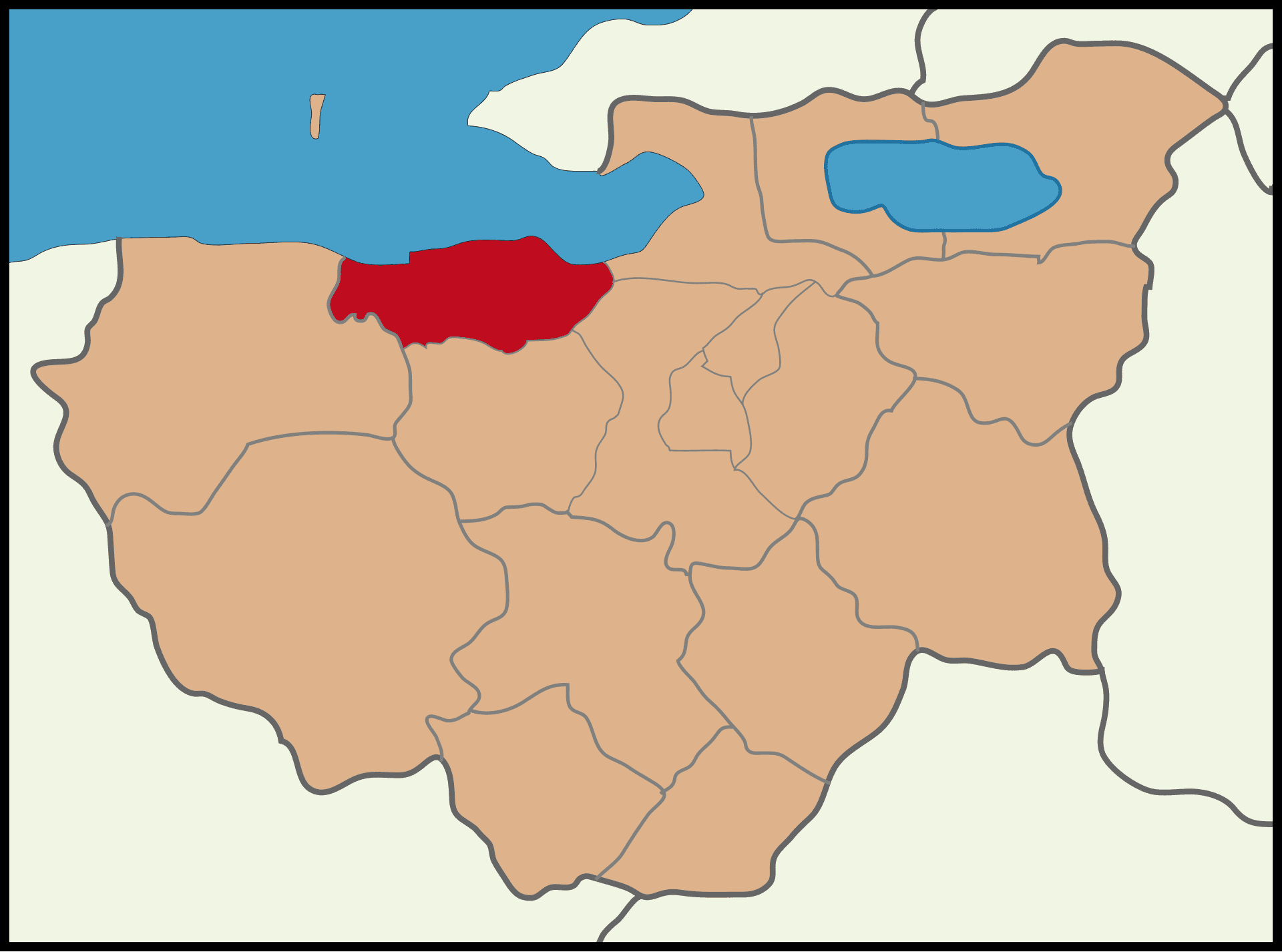
Mudanya, una cautivadora ciudad costera en la costa sur del mar de Mármara, ofrece un escape tranquilo a un corto viaje en ferry desde Estambul y un rápido viaje desde Bursa. Este atractivo distrito, parte de la provincia de Bursa, combina bellamente la profundidad histórica con una atmósfera relajada junto al mar. Desde sus antiguas raíces como Myrleia hasta su papel fundamental en la historia turca moderna, Mudanya te invita a pasear por su pasado en capas.
La ciudad se caracteriza por su pintoresco paseo marítimo, barrios históricos como el Barrio Girit con sus coloridas casas de madera y una omnipresente sensación de calma. Más allá de su importancia histórica, Mudanya es célebre por su producción de aceite de oliva y ofrece amplias vistas del mar de Mármara, lo que la convierte en un destino encantador para quienes buscan tanto la exploración cultural como la serenidad costera.
## De puertos antiguos a la prosperidad otomana La historia de Mudanya se remonta al siglo VII a.C., cuando fue fundada como Myrleia por colonos de Colofón, una de las doce ciudades-estado jonias. El nombre 'Myrleai' incluso puede ser anterior a las migraciones helenísticas, lo que potencialmente significa 'estrecho/paso de la gran diosa madre'. A principios del siglo III a.C., Myrleia fue devastada por el rey Prusias de Bitinia y el rey Filipo de Macedonia. Filipo luego concedió la región a su yerno, quien fundó una nueva ciudad llamada Apameia en honor a la hija de Filipo. Apameia más tarde se convirtió en la primera colonia romana en Anatolia, conocida como 'Colonia Julia Concordia Augusta Apameia'.
Durante la era bizantina, después de la división del Imperio Romano, Apameia cayó bajo el dominio romano oriental. La ciudad cobró importancia durante las Cruzadas, e incluso los cruzados franceses la rebautizaron como 'Montaneia', un nombre que se cree que es el origen de la Mudanya moderna.
Mudanya fue anexionada por el Imperio Otomano en 1321 por Orhan Ghazi. Aunque inicialmente perdió algo de importancia, se recuperó significativamente en el siglo XIX, convirtiéndose en un puerto de exportación crucial para la seda cruda de Bursa y la región circundante. Incluso se estableció una línea ferroviaria que conectaba Mudanya y Bursa en 1873-1874 por una compañía francesa para facilitar este comercio. A finales de la era otomana, Mudanya también ganó prominencia por su producción de aceitunas y aceite de oliva de renombre mundial.
## Un momento crucial en la Turquía moderna Mudanya ocupa un lugar profundo en la historia turca moderna. Durante la Guerra de Independencia turca, la ciudad sufrió bombardeos y ocupaciones, primero por los británicos y luego por las fuerzas griegas. Sin embargo, fue liberada por las fuerzas turcas el 12 de septiembre de 1922. Lo más significativo es que Mudanya fue el lugar del Armisticio de Mudanya, firmado el 11 de octubre de 1922, entre Turquía, Italia, Francia y Gran Bretaña. Este armisticio puso fin formalmente a la fase militar de la Guerra de Independencia turca y fue un paso crítico en la configuración de la nueva República Turca. Tras el Tratado de Lausana y el intercambio de población greco-turca, la población griega de Mudanya emigró a Grecia, estableciendo 'Nea Moudania' (Nueva Mudanya), mientras que los turcos cretenses fueron reasentados en Mudanya.
Comience su exploración en el Museo de la Casa del Armisticio de Mudanya (Mütareke Evi), un edificio del siglo XIX bellamente conservado donde se firmó el armisticio fundamental. Sus salas de época y documentos históricos ofrecen una conexión tangible con la era fundacional de Turquía.
Pasee por el Barrio Girit (Cretense), a pocos pasos del paseo marítimo. Este barrio histórico es una delicia con sus coloridas casas de madera, callejones estrechos y acogedores cafés, que reflejan la herencia greco-cretense que surgió de los intercambios de población. No se pierda la Mudanya Mübadele Anı ve Kültür Evi (Casa Memorial y Cultural del Intercambio de Población) dentro de este barrio, que ofrece una comprensión más profunda de las historias humanas detrás del intercambio de población.
Para saborear la vida local y disfrutar de amplias vistas al mar, pasee por la Costa de Mudanya y su paseo marítimo. También puede visitar el Puerto deportivo de Mudanya para observar los barcos de pesca y de carga locales. A poca distancia en coche, el pueblo de Zeytinbağı (Trilye) ofrece una visión de un pasado más tranquilo y rico en olivos con sus históricas casas de la época griega y su ambiente tranquilo. Mientras esté en Zeytinbağı, busque la Taş Mektep ('escuela de piedra'), un edificio restaurado del período otomano que ahora funciona como centro cultural.
Las mejores épocas para visitar Mudanya son durante la primavera (abril a junio) y el otoño (septiembre a noviembre). Estas estaciones ofrecen un clima suave y agradable, ideal para explorar sitios históricos y disfrutar de paseos costeros sin el intenso calor del verano o las mayores multitudes. Los veranos (julio y agosto) son cálidos y secos, perfectos para la relajación junto al mar, pero pueden ser más concurridos. Los inviernos (diciembre a febrero) son más frescos y lluviosos.
Mudanya es de fácil acceso. Desde Estambul, la opción más rápida y cómoda es un ferry rápido (autobús marítimo) desde Eminönü o Kabataş, que tarda aproximadamente de 1 hora y 50 minutos a 2 horas. Si viaja desde el centro de la ciudad de Bursa, puede tomar el metro Bursaray hasta la estación de Emek, luego un autobús frecuente (1/M) hasta el muelle del ferry. También hay autobuses directos desde la terminal de autobuses interurbanos de Bursa.
La moneda local es la lira turca (TRY). Las tarjetas de crédito son ampliamente aceptadas, pero es aconsejable llevar algo de efectivo para establecimientos más pequeños. Vístase con modestia, especialmente al visitar sitios religiosos, y tenga en cuenta que quitarse los zapatos antes de entrar en las casas es una costumbre turca común. Para moverse por la ciudad, caminar suele ser la mejor manera de explorar el compacto centro antiguo, aunque los minibuses cubren áreas residenciales más dispersas.
Considere reservar los billetes de ferry con antelación, especialmente durante el verano, los viernes por la noche y los domingos, ya que el volumen de pasajeros puede ser alto. Tenga en cuenta que los fuertes vientos 'Lodos' en invierno y primavera a veces pueden afectar los horarios de los autobuses marítimos.
Mudanya en coreano, en chino o en hebreo — y 29 idiomas más, cada parada narrada por una voz nativa. La mayor variedad de idiomas de cualquier audioguía autoguiada.
Disponible en: