Iglesia de San Nicolás
Los intrincados altares de madera de la Iglesia de San Nicolás guardan un secreto que habla de la dedicación y paciencia de sus creadores.
La historia completa se desbloquea en el tour
 Michielverbeek / CC BY-SA 3.0, via Wikimedia Commons
Tour de audio autoguiado de Kalkar — ruta GPS a pie, reproducción offline, narración en 32 idiomas.
“Donde el arte medieval se encuentra con la diversión moderna inesperada.”
No las postales. Las historias que ni los locales conocen — al oído, justo donde ocurrieron.
Los intrincados altares de madera de la Iglesia de San Nicolás guardan un secreto que habla de la dedicación y paciencia de sus creadores.
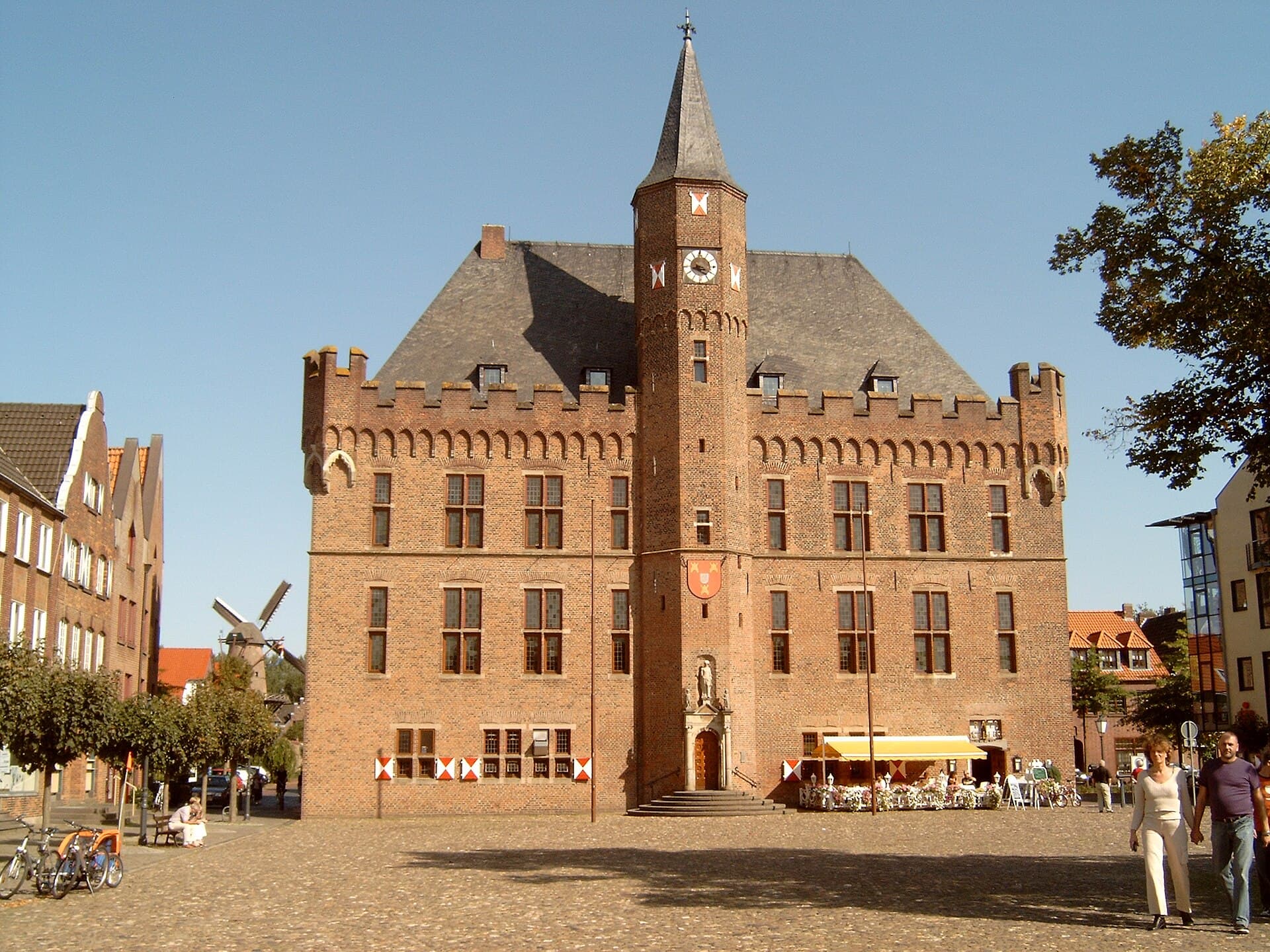
Este impresionante edificio gótico de ladrillo, símbolo de la prosperidad medieval de Kalkar, sirvió en su día para múltiples funciones cívicas más allá de la administración.
El parque de atracciones, Wunderland Kalkar, tiene un pasado inusual y costoso que pocos visitantes podrían sospechar.
Descubre todos los secretos de Kalkar
Cada dirección, cada revelación al completo — a tu oído, justo donde ocurrió.
Eliges tus paradas. Caminas. La voz te revela lo que los demás ignoran.


Tu tour de audioguía por Kalkar te espera — elige tus lugares, tu idioma y empieza al llegar.
ComprarLume incluye una guía de realidad aumentada. Levanta el móvil y su cámara muestra la calle que tienes delante, con una flecha luminosa sobre la imagen real que siempre apunta a tu próxima parada — sin mapas que descifrar, sin giros equivocados. Como todo en Lume, funciona completamente sin conexión.
Kalkar, una pequeña ciudad en el Bajo Rin, ofrece una mezcla distintiva de preservación histórica y diversión contemporánea. Su horizonte está salpicado por las agujas de iglesias medievales y la silueta inesperada de una central nuclear reconvertida. Esta comunidad, que una vez fue un floreciente centro de comercio y arte durante la Baja Edad Media, ahora invita a explorar su patrimonio arquitectónico cuidadosamente mantenido junto con la energía lúdica de un moderno parque temático. Los visitantes pueden pasear por calles tranquilas donde los edificios góticos de ladrillo se erigen como testimonios de siglos pasados, para luego cambiar completamente de ritmo y experimentar las atracciones de un complejo de entretenimiento único construido sobre una base extraordinaria. Kalkar ofrece un viaje a través del tiempo, desde la solemne belleza de su legado artístico hasta el alegre bullicio de sus diversiones actuales.
El carácter de la ciudad se define por esta sorprendente dualidad. Por un lado, están los profundos logros artísticos de la Escuela de Talla de Kalkar, evidentes en los detallados retablos y esculturas que adornan sus espacios sagrados. Por otro, está la intrigante historia de Wunderland Kalkar, un parque de atracciones que transformó un símbolo de ambición tecnológica en un lugar de diversión familiar. Esta yuxtaposición inesperada crea una experiencia memorable, invitando a la contemplación sobre la evolución de la ciudad y su capacidad de reinvención. Desde la tranquila contemplación que ofrecen sus sitios históricos hasta el animado ambiente de sus áreas recreativas, Kalkar presenta un destino multifacético para aquellos que buscan tanto profundidad cultural como disfrute desenfadado.
Los orígenes de Kalkar se remontan al siglo XIII, cuando fue establecida como un asentamiento planificado por Dietrich VI, Conde de Cleves. Su ubicación estratégica cerca del río Rin y las importantes rutas comerciales fomentó rápidamente su crecimiento hasta convertirse en un importante centro comercial. En los siglos XIV y XV, Kalkar se había convertido en un miembro prominente de la Liga Hanseática, una alianza de ciudades comerciales que dominaba el comercio en el norte de Europa. Este período de prosperidad vio la construcción de muchas de las maravillas arquitectónicas perdurables de la ciudad, incluyendo el impresionante Ayuntamiento de Kalkar y la Iglesia de San Nicolás.
La Baja Edad Media marcó el apogeo de Kalkar como centro de arte, particularmente la escultura y la talla de madera. La ciudad cultivó un movimiento artístico distintivo conocido como la Escuela de Kalkar. Maestros talladores como Jan van Halderen y Hendrik Douverman produjeron exquisitos retablos, sillerías de coro y estatuas que adornaban las iglesias de la ciudad y eran buscados en toda la región. Estas obras, caracterizadas por su intrincado detalle y figuras expresivas, utilizaban roble local, a menudo preparado mediante un largo proceso de inmersión y secado para asegurar su longevidad. La Iglesia de San Nicolás, en particular, se convirtió en un repositorio de estos logros artísticos, albergando una colección de altares medievales que siguen siendo un profundo testimonio de la habilidad y devoción de estos artesanos.
A medida que las rutas comerciales cambiaron y los paisajes políticos se transformaron en siglos posteriores, la prominencia económica de Kalkar disminuyó gradualmente. La ciudad experimentó períodos de conflicto y ocupación, incluso durante la Guerra de los Ochenta Años y las Guerras Napoleónicas, que dejaron sus marcas pero no borraron su carácter medieval fundamental. A pesar de estos desafíos, gran parte del núcleo histórico de Kalkar se conservó, permitiendo que su legado arquitectónico perdurara.
El siglo XX trajo un capítulo dramático e inesperado a la historia de Kalkar con la construcción del reactor nuclear de neutrones rápidos SNR-300 en la década de 1970. Este ambicioso proyecto, destinado a ser una piedra angular del futuro energético de Alemania, se convirtió en un punto focal de debate público y protesta sobre la seguridad nuclear. A pesar de su finalización, el reactor nunca fue puesto en marcha debido a decisiones políticas y preocupaciones de seguridad, erigiéndose como un monumento silencioso a un sueño tecnológico incumplido. En un notable acto de transformación, todo el sitio fue adquirido en la década de 1990 y reimaginado como Wunderland Kalkar, un parque de atracciones. Esta conversión reutilizó la infraestructura industrial en un entorno lúdico, convirtiendo un símbolo de controversia en un destino para el entretenimiento familiar. Hoy en día, Kalkar continúa equilibrando su profunda identidad histórica con esta atracción moderna única, ofreciendo una narrativa convincente de adaptación y atractivo perdurable.
Comience su exploración en la Iglesia de San Nicolás, un gran ejemplo de arquitectura gótica. En su interior, descubra una notable colección de retablos medievales, incluyendo el Altar de San Jorge y el Altar de Santiago, elaborados por maestros de la Escuela de Kalkar. Estas intrincadas tallas de madera ofrecen una profunda visión de los logros artísticos de la Baja Edad Media. Cerca, el Ayuntamiento de Kalkar, un impresionante edificio gótico de ladrillo, se erige como testimonio de la prosperidad de la ciudad durante su período hanseático. Su elegante fachada y su significado histórico lo convierten en un punto de interés central.
Para un cambio de ritmo, visite Wunderland Kalkar, un parque de atracciones construido en el antiguo emplazamiento de una central nuclear. Este parque único ofrece una variedad de atracciones, desde carruseles hasta norias, todo dentro del distintivo entorno de arquitectura industrial reutilizada. La torre de refrigeración, ahora pintada y adornada, sirve como un hito prominente e incluso alberga un rocódromo. Pasee por las encantadoras calles del casco antiguo, donde casas de ladrillo bien conservadas y tranquilas plazas invitan a una exploración pausada. Considere un paseo por el dique del Rin para disfrutar de las vistas del paisaje fluvial, que conecta Kalkar con la región más amplia del Bajo Rin.
Kalkar es particularmente atractiva durante los meses de primavera y verano (de abril a septiembre), cuando el clima es templado y propicio para explorar tanto la ciudad histórica como las atracciones al aire libre de Wunderland Kalkar. Las estaciones más cálidas permiten paseos cómodos por el casco antiguo y a lo largo del Rin. El otoño también ofrece condiciones agradables con menos multitudes y un follaje colorido. Aunque algunas atracciones pueden tener horarios reducidos en invierno, los sitios históricos de la ciudad permanecen accesibles, proporcionando una experiencia más tranquila y reflexiva.
Kalkar es accesible en coche, con conexiones a las principales autopistas alemanas. Generalmente hay aparcamiento disponible, especialmente cerca de Wunderland Kalkar y en áreas designadas dentro del centro de la ciudad. Para aquellos que utilizan el transporte público, los trenes conectan con ciudades más grandes cercanas como Kleve o Emmerich, desde donde los autobuses locales o taxis pueden completar el viaje a Kalkar. El centro de la ciudad es compacto y fácil de recorrer a pie, lo que permite a los visitantes apreciar su arquitectura medieval a un ritmo pausado. Wunderland Kalkar se encuentra justo a las afueras de la ciudad principal, a un corto trayecto en coche o autobús. Muchos establecimientos aceptan las principales tarjetas de crédito, pero siempre es aconsejable llevar algo de efectivo para compras más pequeñas o mercados locales.
Kalkar en coreano, en chino o en hebreo — y 29 idiomas más, cada parada narrada por una voz nativa. La mayor variedad de idiomas de cualquier audioguía autoguiada.
Disponible en: