Старый город Кашгара
Старый город Кашгара с его лабиринтами переулков и традиционными домами хранит удивительную тайну о своем недавнем прошлом.
Полная история открывается в туре
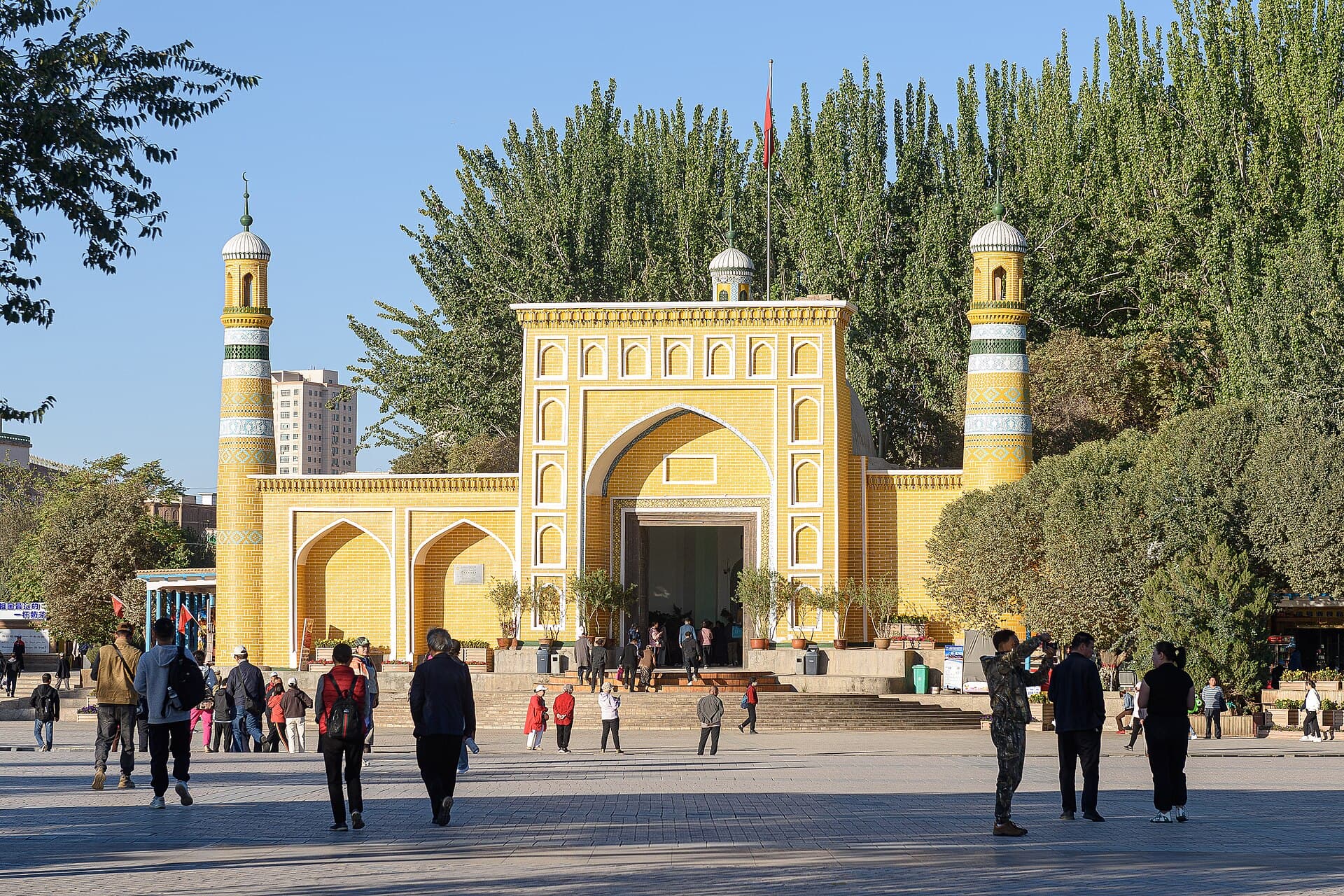 N509FZ / CC BY-SA 4.0, via Wikimedia Commons
Самостоятельная аудиопрогулка по Кашгар — GPS-маршрут, офлайн-воспроизведение, увлекательное повествование на 32 языках.
“Где отголоски древнего Шелкового пути встречаются с ритмом живой культуры.”
Не открытки. Истории, которые не знают даже местные жители — шепотом в вашем ухе, прямо там, где они произошли.
Старый город Кашгара с его лабиринтами переулков и традиционными домами хранит удивительную тайну о своем недавнем прошлом.
Эта величественная мечеть, часто описываемая как крупнейшая в Китае и центральное место уйгурской жизни, недавно изменила свою основную функцию, о чем многие посетители могут не догадываться.
Историческая роль Кашгара как центра чеканки монет раскрывает уникальную денежную деталь, свидетельствующую о его разнообразном культурном влиянии.
Откройте для себя каждый секрет Кашгар
Каждый адрес, каждое полное раскрытие — в вашем ухе, прямо там, где это произошло.
Вы выбираете остановки. Вы гуляете. Голос раскрывает то, что упускают другие.


Ваш самостоятельный аудиотур по Кашгар готов — выберите свои достопримечательности, выберите свой язык и начните в момент прибытия.
КупитьВ Lume встроен гид дополненной реальности. Поднимите телефон: камера показывает улицу перед вами, а поверх реального изображения светится стрелка, всегда указывающая на вашу следующую остановку — не нужно разбираться с картой и сворачивать не туда. Как и всё в Lume, это работает полностью офлайн.
Кашгар, также известный как Каши, раскинулся как оазис в Таримской впадине на юге Синьцзяна, Китай, являясь одним из самых западных городских центров страны. Более двух тысячелетий он служил стратегически важным оазисом на Великом Шелковом пути, устанавливая связи между Китаем и Центральной Азией, Ближним Востоком и Европой. Этот древний город, насчитывающий около 711 300 жителей по состоянию на 2019 год, является одним из старейших непрерывно населенных городских районов мира.
На перекрестке различных культур и империй Кашгар формировался под властью китайцев, тюрков, монголов и тибетцев, и был свидетелем многочисленных исторических конфликтов. Сегодня Кашгар остается важным узлом, его география и культура сближают его с центральноазиатскими соседями, такими как Пакистан, Кыргызстан и Таджикистан, больше, чем с Пекином. Он служит конечной точкой Каракорумского шоссе, важного участка Китайско-Пакистанского экономического коридора, и излюбленного маршрута через Каракорумские горы.
История Кашгара восходит к первому тысячелетию до нашей эры, когда кочевые племена, такие как юэчжи, усуни и саки, пересекали обширные земли вокруг пустыни Такла-Макан и предгорий Памира. Эти группы в конечном итоге основали скромные поселения, которые развились в города вдоль Великого Шелкового пути. Первое китайское упоминание Кашгара, тогда известного как Сулей, датируется 76 г. до н.э., когда династия Хань установила контроль над несколькими государствами в Таримской впадине. К I веку н.э. население Кашгара значительно выросло, а к середине III века в записях указывалось 21 000 домохозяйств.
Стратегическое положение Кашгара у подножия Памирских гор, где сходятся Тянь-Шань и Куньлунь, делало его ценным активом, что приводило к многократным оккупациям на протяжении его долгого существования. Контроль переходил от различных групп, включая китайцев, юэчжи, тюрок, уйгуров, каракитаев и монголов. X и XI века ознаменовали расцвет Кашгара, когда он стал столицей государства Караханидов. В эту эпоху султан Сатук Бугра-хан принял ислам, и Кашгар превратился в выдающийся центр этой веры.
В XVIII веке китайские войска вновь оккупировали Восточный Туркестан, включив его в состав Китайской империи, и Кашгар снова стал центром борьбы уйгуров за региональную независимость. Значительное восстание под предводительством Якуб-бека в 1864 году привело к созданию Кашгарского ханства, которое сохраняло свою автономию в течение 13 лет, прежде чем было вновь аннексировано Китаем после смерти Якуб-бека в 1877 году. Кашгар был включен в состав Китайской Народной Республики в 1949 году. В 1986 году китайское правительство признало Кашгар «городом исторического и культурного значения». С 1990-х годов город и его окрестности переживали периоды беспорядков. Несмотря на усилия по модернизации, Кашгар стремится сохранить свое культурное наследие, а местные ремесла, оживленные рынки и традиционная торговля продолжают формировать повседневную жизнь.
Суть привлекательности Кашгара заключается в его Старом городе, городе из глинобитных домов, который, несмотря на обширную реконструкцию с 2009 года, по-прежнему открывает окно в уйгурские традиции и архитектуру. Посетители могут бродить по его замысловатым переулкам, любоваться резными деревянными дверями и открывать для себя традиционные чайханы. Ежедневная церемония открытия ворот на площади Ист-Гейт включает песни и танцы.
В центре Кашгара находится мечеть Ид Ках, крупнейшая мечеть Китая, построенная в 1442 году. Хотя сегодня это в основном туристический объект, ее желтокирпичные ворота и тенистые дворы демонстрируют многовековой уйгурский и исламский дизайн. Мавзолей Апак Ходжи является еще одним важным местом, дающим представление о значимой местной исторической личности.
Ни один визит в Кашгар не обходится без посещения его оживленных рынков. Кашгарский Гранд-базар, один из крупнейших в Центральной Азии, предлагает широкий ассортимент товаров, от специй и ковров до местных деликатесов. Воскресенья особенно оживленны, особенно на Воскресном рынке скота, оживленном мероприятии, где пастухи и торговцы собираются для покупки, продажи и обмена животными. За пределами города Каракорумское шоссе предлагает захватывающие виды на Памирские горы, Белое озеро и озеро Каракуль.
В Кашгаре преобладает континентальный пустынный климат со значительными колебаниями температуры между днем и ночью, а также между сезонами. Наиболее комфортное время для посещения — весна (март-май) и осень (август-ноябрь), чтобы избежать экстремальных температур. Весна приносит мягкую солнечную погоду со средними температурами от 2°C до 14°C и цветением абрикосовых, персиковых и миндальных деревьев. Осень предлагает приятные температуры, обычно колеблющиеся от 14°C до 29°C в сентябре, а также сезон спелых фруктов. Лето (июнь-август) жаркое и сухое, с июльскими максимумами около 30°C, а зимы (декабрь-февраль) холодные, с январскими днями около 0°C.
До Кашгара можно добраться по воздуху, железной дороге и автобусу. Аэропорт Кашгара (Аэропорт Каши) предлагает прямые рейсы в крупные китайские города, такие как Урумчи, Пекин, Шанхай и Гуанчжоу, а также международные рейсы в Исламабад, Ош и Андижан. Аэропорт находится примерно в 9-11 км от центра города, такси стоит около 30 юаней, также доступны шаттл-автобусы. Железнодорожный вокзал находится примерно в 6 км от центра города, до него можно добраться на автобусе или такси. В пределах города большинство достопримечательностей находятся в шаговой доступности, а проезд на общественном автобусе стоит 1 юань за поездку. Такси также легко доступны и недороги.
Местная валюта — китайский юань (CNY). Хотя цифровые платежи распространены, в традиционных рынках и небольших магазинах часто предпочитают наличные. Чаевые не являются обычным делом. Рекомендуется скромная одежда, особенно возле мечетей и религиозных объектов, с длинными брюками и рубашками с рукавами. Женщинам следует рассмотреть возможность прикрытия волос в некоторых местах. Всегда спрашивайте разрешения, прежде чем фотографировать людей.
Кашгар: корейский, китайский, иврит и ещё 29 языков — каждую остановку озвучивает носитель языка. Самый широкий выбор языков среди аудиоэкскурсий без гида.
Доступные языки: