Rue de Canterbury
El nombre de esta encantadora calle insinúa una sorprendente conexión entre un tranquilo pueblo normando y el corazón de la iglesia inglesa.
La historia completa se desbloquea en el tour
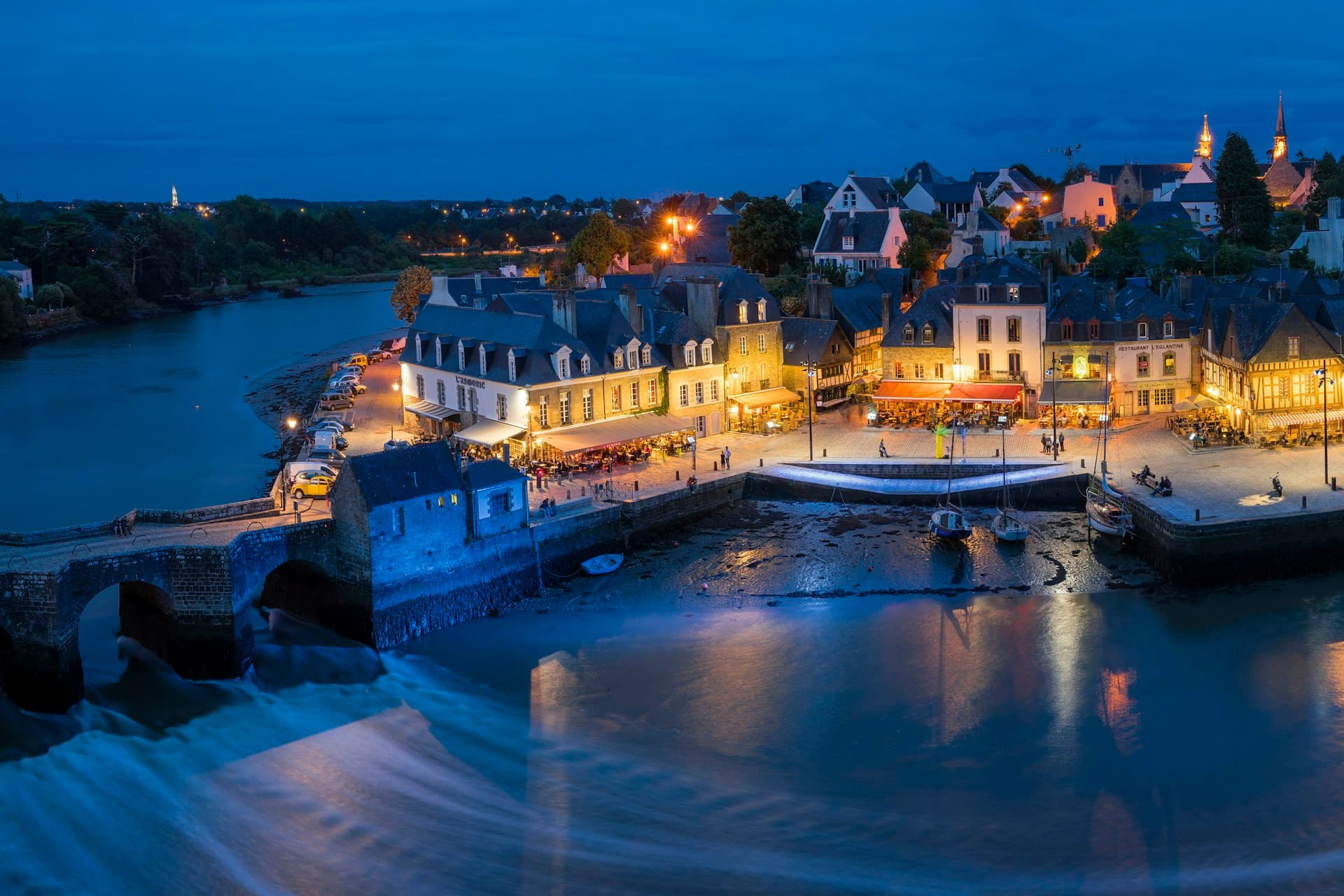 Photo of Trouville-sur-Mer, via Wikimedia Commons
Tour de audio autoguiado de Le Bec-Hellouin — ruta GPS a pie, reproducción offline, narración en 32 idiomas.
“Donde piedras ancestrales y casas con entramado de madera cuentan historias de devoción y desafío.”
No las postales. Las historias que ni los locales conocen — al oído, justo donde ocurrieron.
El nombre de esta encantadora calle insinúa una sorprendente conexión entre un tranquilo pueblo normando y el corazón de la iglesia inglesa.
Este edificio aparentemente ordinario marca el comienzo de un viaje, aunque no uno en tren.
Observa de cerca el piso superior de esta casa en particular y descubrirás un ingenioso detalle arquitectónico con un propósito práctico e histórico.
Descubre todos los secretos de Le Bec-Hellouin
Cada dirección, cada revelación al completo — a tu oído, justo donde ocurrió.
Eliges tus paradas. Caminas. La voz te revela lo que los demás ignoran.


Tu tour de audioguía por Le Bec-Hellouin te espera — elige tus lugares, tu idioma y empieza al llegar.
ComprarLume incluye una guía de realidad aumentada. Levanta el móvil y su cámara muestra la calle que tienes delante, con una flecha luminosa sobre la imagen real que siempre apunta a tu próxima parada — sin mapas que descifrar, sin giros equivocados. Como todo en Lume, funciona completamente sin conexión.
Le Bec-Hellouin, oficialmente reconocido como uno de "Los Pueblos Más Bonitos de Francia", es una comuna en el departamento de Eure en Normandía. El pueblo se define por sus coloridas casas con entramado de madera, calles adornadas con flores y la presencia duradera de su abadía benedictina. El nombre del pueblo en sí es una mezcla de su entorno natural y su fundador: "Bec" proviene de la palabra escandinava para arroyo, refiriéndose al curso de agua que atraviesa el valle, y "Hellouin" honra a Herluin, el caballero que estableció la abadía en el siglo XI.
Este entorno tranquilo, aproximadamente a 40 kilómetros al suroeste de Ruan, ofrece una visión de un profundo pasado religioso y arquitectónico. Le Bec-Hellouin es un lugar donde la historia se siente tangible, desde los orígenes medievales de su abadía hasta la arquitectura vernácula cuidadosamente conservada que caracteriza sus calles.
La historia de Le Bec-Hellouin comienza en 1034 con Herluin, un caballero normando que, a la edad de 40 años, abandonó su vida militar para dedicarse a la existencia monástica. Inicialmente buscó la soledad en Bonneville-Aptot, pero la falta de agua lo llevó a establecerse en 1060 en un pequeño valle con un arroyo, lo que dio nombre a la futura abadía, "Bec". El compromiso de Herluin atrajo a otros, y el monasterio rápidamente se convirtió en un importante centro espiritual.
La reputación de la abadía se disparó con la llegada de dos brillantes eruditos italianos: Lanfranco de Pavía en 1041 y Anselmo de Aosta en 1078. Lanfranco, un renombrado profesor de derecho y gramática, fundó una escuela monástica en Bec que atrajo a estudiantes de toda Europa, incluido el futuro Papa Alejandro II. Tanto Lanfranco como Anselmo se convertirían más tarde en Arzobispos de Canterbury, solidificando un fuerte vínculo entre la abadía normanda y la iglesia inglesa que perdura hasta el día de hoy. La abadía recibió numerosas donaciones de señores normandos y reyes anglo-normandos, acumulando extensas propiedades tanto en Normandía como en Inglaterra.
La historia de Le Bec-Hellouin no estuvo exenta de pruebas. Durante la Guerra de los Cien Años, el pueblo y la abadía sufrieron significativamente. En 1418, las tropas inglesas ocuparon y saquearon la abadía después de un asedio de tres semanas, a pesar de la política de tierra quemada del abad para disuadirlos. La abadía fue fortificada con una guarnición francesa en 1358, y partes de sus estructuras fueron derribadas para albergar a los refugiados. Las Guerras de Religión francesas en el siglo XVI también causaron daños considerables, con los hugonotes saqueando la abadía en 1563.
La Revolución Francesa puso fin a la vida monástica en Bec en 1792, y los edificios de la abadía fueron reutilizados, sirviendo como establo militar, criadero de caballos y depósito militar. La iglesia abacial original fue demolida en gran parte entre 1810 y 1824, y sus materiales se vendieron. Sin embargo, un nuevo capítulo comenzó en 1948 cuando los monjes benedictinos olivetanos restablecieron una comunidad en la Abadía de Bec, convirtiendo el refectorio del siglo XVIII en una nueva iglesia abacial.
El corazón de Le Bec-Hellouin es su pueblo, caracterizado por coloridas casas con entramado de madera y calles adornadas con flores, perfectas para un paseo tranquilo. La Plaza Guillermo el Conquistador, en el centro del pueblo, está rodeada por estos distintivos edificios, incluida la Auberge de l'Abbaye, una antigua casa de postas. Busca la imponente casa del siglo XV con una planta baja de ladrillo y piedra y una planta superior con entramado de madera más abajo en el pueblo.
La Abbaye Notre-Dame du Bec es un monumento nacional y sigue siendo un centro espiritual. Si bien gran parte de la iglesia abacial original fue destruida, la magnífica Torre de Saint-Nicolas, una estructura del siglo XV, aún domina el paisaje. Los visitantes pueden explorar el parque y la actual iglesia abacial, que se encuentra en el refectorio del siglo XVIII y contiene la tumba del fundador, Herluin. Las visitas guiadas ofrecen una visión más profunda de la historia milenaria de la abadía, incluidas las visitas al claustro y la gran escalera.
La Iglesia de Saint-André, con orígenes en el siglo XI, ha sido reconstruida y restaurada a lo largo de los siglos debido a incendios y daños de guerra. En su interior, encontrarás varios elementos transferidos de la iglesia abacial después de su destrucción. Más allá del pueblo, el cercano Monasterio de Santa Francisca de Roma ofrece otro lugar para la contemplación espiritual. Para aquellos que buscan una exploración activa, la "voie verte" (vía verde) de 40 kilómetros comienza en la antigua estación de tren, ofreciendo una ruta escénica para andar en bicicleta o caminar hasta Évreux.
Le Bec-Hellouin es un destino encantador durante todo el año, pero los meses más cálidos, de abril a septiembre, son ideales para disfrutar de las exhibiciones florales del pueblo y las actividades al aire libre. Durante esta temporada alta, la abadía ofrece visitas guiadas más frecuentes. El ambiente tranquilo y las calles bien florecidas son particularmente atractivos en primavera y verano. El otoño trae un tipo diferente de belleza con el cambio de follaje en la campiña normanda circundante.
Le Bec-Hellouin está situado en el departamento de Eure en Normandía, aproximadamente a 40 kilómetros al suroeste de Ruan y a 50 kilómetros de Évreux. Se recomienda un coche para llegar al pueblo, aunque es accesible a través de la autopista A13. El pueblo en sí es fácil de explorar a pie, con suaves pendientes.
La Abadía de Notre-Dame du Bec está abierta todos los días, con visitas guiadas disponibles en horarios específicos (consulta el sitio web oficial para conocer los horarios actuales), y el parque y la iglesia abacial están abiertos para visitas autoguiadas. Hay una tarifa para las visitas guiadas, pero la entrada al parque y a la iglesia abacial para la exploración autoguiada es gratuita. Permite al menos dos horas para recorrer tanto el pueblo como la abadía. Varios restaurantes en el pueblo ofrecen la oportunidad de disfrutar de la cocina local.
Le Bec-Hellouin en coreano, en chino o en hebreo — y 29 idiomas más, cada parada narrada por una voz nativa. La mayor variedad de idiomas de cualquier audioguía autoguiada.
Disponible en: