Mont Lénigo and Mont Esprit
Two hills rise unexpectedly from Le Croisic's flat landscape, offering wide views of the harbor and the Traict. These are not natural formations.
Full story unlocks in the tour
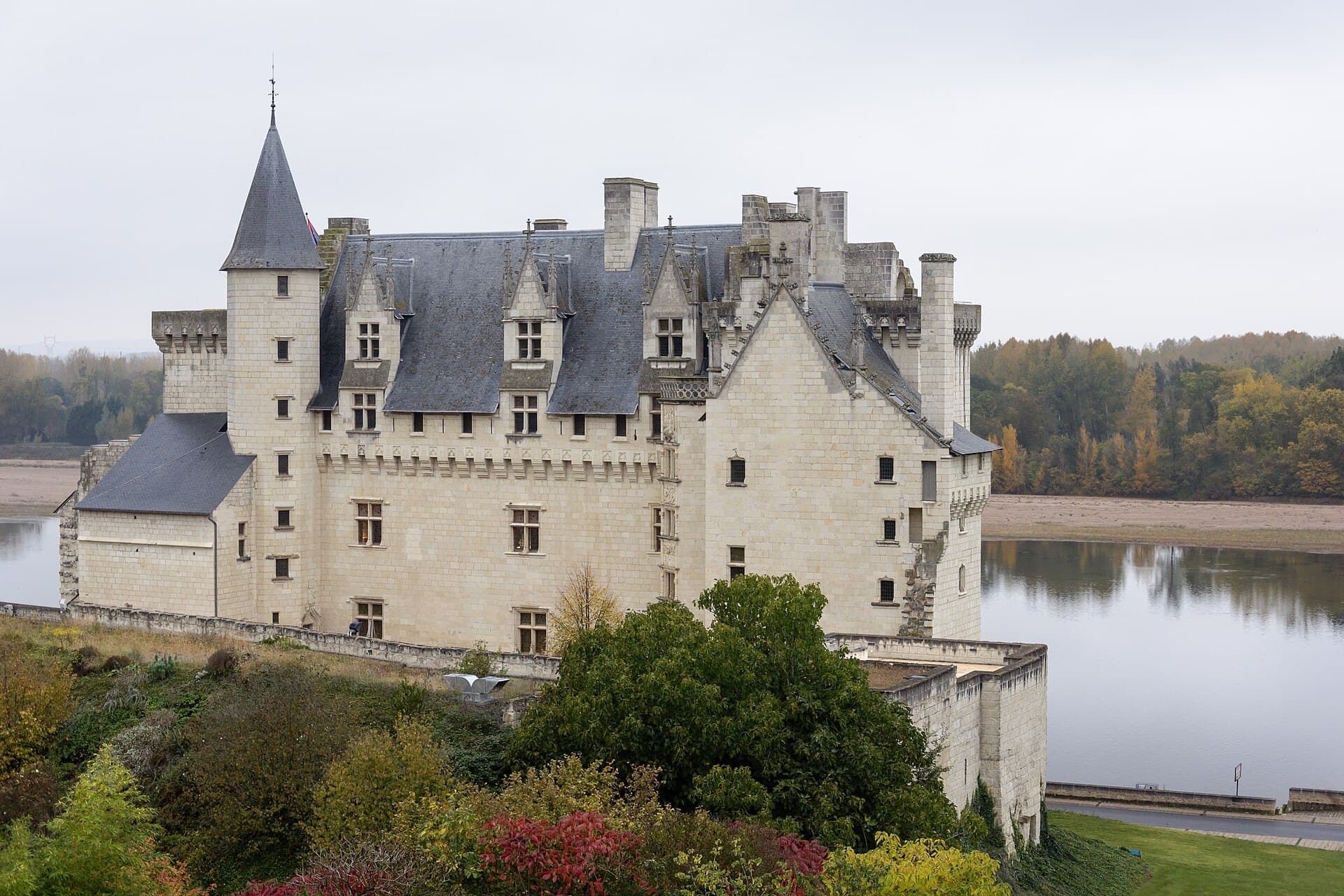 Myrabella / cc by-sa 3.0, via Wikimedia Commons
Self-guided audio walking tour of Le Croisic — GPS route, offline playback, story-driven narration in 32 languages.
“Where granite meets the sea, and history breathes on the wind.”
Not the postcards. The stories even locals don't know — whispered in your ear, right where they happened.
Two hills rise unexpectedly from Le Croisic's flat landscape, offering wide views of the harbor and the Traict. These are not natural formations.
Beyond its impressive collection of marine life, the Océarium holds a surprising connection to a famous historical figure.
This long stone jetty, stretching over 800 meters into the sea, is not merely for leisurely walks.
Discover every secret of Le Croisic
Every address, every reveal in full — in your ear, right where it happened.
You pick your stops. You walk. The voice reveals what the others miss.


Your self-guided audio tour of Le Croisic is ready — pick your landmarks, choose your language, and start the moment you arrive.
BuyLume has a built-in augmented-reality guide. Hold your phone up and its camera shows the street ahead of you, with a glowing arrow laid over the real view that always points to your next stop — no map to puzzle over, no wrong turns. Like everything in Lume, it works fully offline.
Le Croisic, a captivating seaside town on France's Atlantic coast, sits at the tip of the Guérande peninsula. Known for its appealing harbor and granite houses, it presents a blend of maritime heritage, natural splendor, and fine cuisine. The town's enduring identity as one of France's oldest fishing ports is evident in its lively waterfront and seafood-focused dishes.
Beyond the active port, Le Croisic offers a varied landscape, from the rugged cliffs of the Côte Sauvage to the serene expanse of the Guérande Salt Marshes. Its well-preserved architectural heritage, with buildings dating back to the 16th and 17th centuries, recounts stories of prosperous merchants and shipowners. Whether you are drawn to coastal walks, fresh seafood, or exploring historic streets, Le Croisic provides a distinctive escape by the sea.
Le Croisic's story reaches back to the Neolithic period, with evidence of human presence marked by the Menhir de la Pierre Longue. Legend suggests the town's founding dates to the 5th century, with the baptism of its first inhabitants by Saint Félix, Bishop of Nantes. The town's name itself, from the Breton 'Ar Groazig', translates to 'little cross' or 'little beach'.
The 14th century saw Le Croisic truly emerge, with the construction of a fortified castle and ramparts. Its strategic location between the Loire and Vilaine rivers, combined with the expanding salt marshes, fueled its prosperity. By the 16th century, Le Croisic's port was flourishing, exporting salt across Europe to places like Spain and Ireland, and trading goods from Northern European ships. This era of prosperity is reflected in the town's architecture, with many granite houses built by affluent merchants and shipowners.
Le Croisic also diversified its maritime trade, venturing into cod, sardine, and herring fishing, and even privateering. The town's importance as a port led to significant urban and port improvements in the 18th century, driven by figures like the Duke of Aiguillon. The 19th century marked the beginning of Le Croisic as a seaside resort, with the construction of the Tréhic jetty between 1840 and 1844 and the establishment of the first bathhouses. The arrival of the railway in 1879 further boosted its appeal as a tourist destination, though it later faced competition from newer resorts. During World War I, the United States Navy operated a seaplane base here, and in World War II, it housed a Wehrmacht radar station.
Begin your exploration at the Historic Harbour, where colorful boats line the quays and appealing stone houses from the 16th and 17th centuries create a lively atmosphere. Observe fishermen unloading their daily catch and enjoy a meal at one of the many seafood restaurants.
Wander through the Old Town, with its narrow streets and historic granite houses. Notable streets include Rue du Pilori and Rue Saint-Christophe, home to artisan shops and crêperies. Do not miss the impressive Église Notre-Dame-de-Pitié, a Gothic church that dominates the skyline.
For a dramatic natural experience, explore the Côte Sauvage (Wild Coast), characterized by cliffs, secluded coves, and expansive ocean views. The coastal path, part of the GR34, offers opportunities for invigorating walks. Nearby, the Guérande Salt Marshes provide a glimpse into traditional salt production, where you can learn about 'fleur de sel'.
Families will enjoy the Océarium du Croisic, a large aquarium with over 4,000 marine animals, including sharks, turtles, and penguins. The Tréhic Jetty, extending over 800 meters, offers a scenic walk with views of Pen Bron and La Turballe, culminating at the Tréhic Lighthouse. Another notable lighthouse is the Plateau du Four Lighthouse, located offshore.
Le Croisic is enjoyable year-round, but the best time to visit for warm weather activities is from late June to mid-September. During this period, average daytime temperatures range from 20°C to 22°C (68°F to 72°F), with July and August being the warmest months. These months also offer the most sunshine, with approximately 7.6 hours daily in August. While July and August are the busiest, they feature lively festivals and active beaches. Spring and autumn offer milder weather and fewer crowds, ideal for exploration. Winter is quieter, suited for coastal walks and cozy seafood restaurants.
Le Croisic is easily accessible by various means. By train, the TER from Nantes takes about 1 hour and 20 minutes, with the station a short walk from the town center. There is also a direct TGV link from Paris, with a journey time of around 3 hours and 11 minutes. By car, Le Croisic is approximately 90 km from Nantes and 30 km from Saint-Nazaire, accessible via the D213 coastal road. Parking is available throughout the town, with both free and paid options. In summer, ferry services connect Le Croisic to nearby islands and Pen Bron.
Within the town, a shuttle service called Croisi'Bus operates, with tickets available for purchase on board or at the tourist office. This service also allows for transfers between Le Croisic and La Baule-les-Pins by TER train using the same ticket. For cyclists, the town has shared road arrangements and free charging stations for electric bikes at the Tourist Office and SNCF station.
Le Croisic in Korean, in Chinese or in Hebrew — and 29 more languages, every stop narrated by a native voice. The widest language range of any self-guided audio tour.
Available in: