Granja Pionera de 1860 del Museo de Littleton
Imagínese el aroma a leña quemada y tierra recién labrada, un marcado contraste con el zumbido suburbano actual.
La historia completa se desbloquea en el tour
 Chris Light / CC BY-SA 4.0, via Wikimedia Commons
Tour de audio autoguiado de Littleton — ruta GPS a pie, reproducción offline, narración en 32 idiomas.
“Donde el caudal del río Platte esculpió más que un valle.”
No las postales. Las historias que ni los locales conocen — al oído, justo donde ocurrieron.
Imagínese el aroma a leña quemada y tierra recién labrada, un marcado contraste con el zumbido suburbano actual.
Las mismas paredes del Centro de Artes del Antiguo Ayuntamiento podrían contar debates y decisiones que dieron forma a la comunidad naciente.
Un curso de agua aparentemente modesto, la acequia Rough and Ready encierra una narrativa de esfuerzo colectivo y previsión.
Descubre todos los secretos de Littleton
Cada dirección, cada revelación al completo — a tu oído, justo donde ocurrió.
Eliges tus paradas. Caminas. La voz te revela lo que los demás ignoran.


Tu tour de audioguía por Littleton te espera — elige tus lugares, tu idioma y empieza al llegar.
ComprarLittleton, Colorado, se encuentra inmediatamente al sur de Denver, una ciudad que equilibra con gracia su carácter suburbano con una palpable conexión con sus orígenes pioneros. Las Montañas Rocosas forman un impactante horizonte occidental, influyendo en el clima y fomentando un estilo de vida centrado en las actividades al aire libre. El centro de la ciudad, centrado en Main Street, invita a la exploración con sus históricos edificios de ladrillo, que ahora albergan tiendas locales, restaurantes y galerías de arte, todo dentro de una atmósfera relajada y enfocada en la comunidad.
Más allá de su entorno escénico, Littleton sirve como punto focal tanto para la recreación como para la cultura. El Chatfield State Park, con su extenso embalse y senderos sinuosos, atrae a los entusiastas del aire libre, mientras que los numerosos parques y espacios verdes de la ciudad brindan amplias oportunidades para el disfrute tranquilo. Culturalmente, el Museo de Littleton ofrece un viaje inmersivo al pasado de la zona, con granjas de historia viva que transportan a los visitantes al siglo XIX. Esta mezcla de esplendor natural, profundidad histórica y comodidades contemporáneas hace de Littleton un destino distintivo de Colorado.
## De la Fiebre del Oro al Centro Agrícola Los orígenes de Littleton están profundamente entrelazados con la Fiebre del Oro de Colorado de 1859. Mientras muchos buscadores se aventuraban en las montañas, un grupo de primeros colonos, incluido Richard S. Little, reconoció la promesa agrícola de la tierra fértil a lo largo del río South Platte. Little, un ingeniero de New Hampshire, llegó a la zona en 1862 y rápidamente se convirtió en una figura prominente. Él, junto con otros colonos, formó la Rough and Ready Ditch Company en 1860, una empresa crucial que desvió agua del South Platte para irrigar sus cultivos. Este acto de ingeniería colectiva estableció las bases para una próspera comunidad agrícola, distinguiendo a Littleton de los ciclos de auge y caída de las ciudades mineras.
## La Fundación de un Pueblo El éxito de la Acequia Rough and Ready atrajo a más colonos, y para 1867, se había formado una pequeña comunidad. Richard Little, reconociendo la necesidad de un asentamiento más organizado, trazó el plano del pueblo en 1872 y lo llamó Littleton. El ferrocarril Denver & Rio Grande llegó en 1871, consolidando aún más la importancia de Littleton como punto de envío agrícola y conectándolo con la floreciente ciudad de Denver. El pueblo se expandió rápidamente, estableciendo negocios, iglesias y escuelas para servir a su creciente población.
## Un Siglo de Crecimiento y Cambio A lo largo de finales del siglo XIX y principios del XX, Littleton continuó prosperando como centro agrícola, conocido por su trigo, alfalfa y productos lácteos. El establecimiento de la State Home and Training School for Mental Defectives (ahora Ridge Home) en 1909 y la Littleton Creamery diversificaron aún más la economía local. Mediados del siglo XX trajo una significativa suburbanización a medida que Denver se expandía, transformando a Littleton de un pueblo agrícola rural en una creciente comunidad residencial. A pesar de este crecimiento, la ciudad ha realizado esfuerzos concertados para preservar su centro histórico y mantener un fuerte sentido de comunidad, honrando sus raíces agrícolas mientras abraza su identidad moderna.
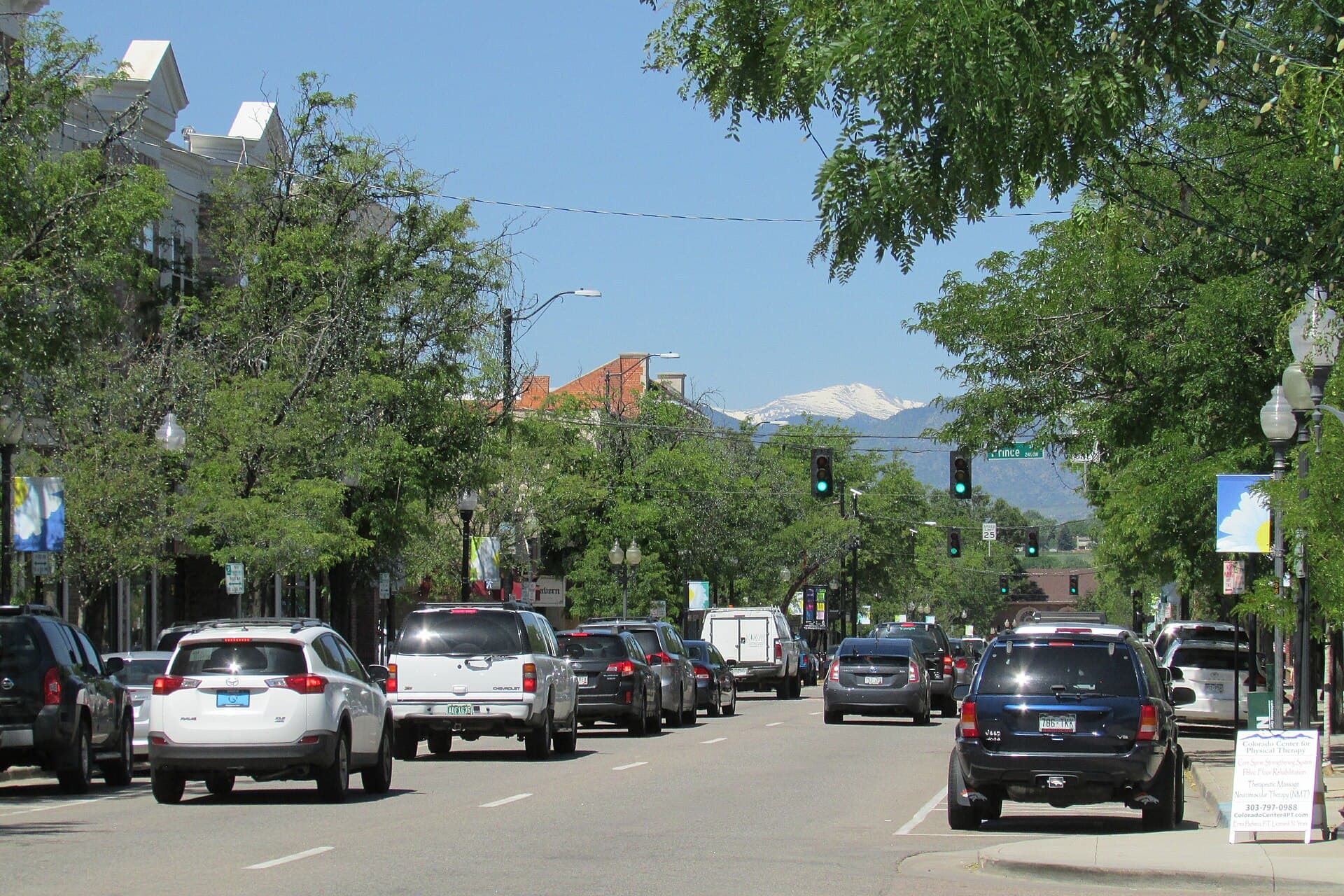
Comience su exploración de Littleton en Main Street, el corazón del centro histórico. Aquí, descubrirá una colección de tiendas de propiedad independiente, galerías de arte y restaurantes ubicados en edificios de ladrillo bien conservados. Asegúrese de visitar el Museo de Littleton, afiliado al Smithsonian, que ofrece un viaje al pasado de la región. El museo presenta exhibiciones interiores, dos granjas de historia viva (una granja pionera de 1860 y una granja en funcionamiento de 1890), y una escuela del siglo XIX, brindando una experiencia histórica inmersiva.
Para pasar tiempo al aire libre, diríjase al Chatfield State Park, una vasta extensión al aire libre centrada alrededor del embalse de Chatfield. El parque ofrece oportunidades para pasear en bote, pescar, nadar, hacer senderismo y andar en bicicleta, con kilómetros de senderos que serpentean a través de variados paisajes. Alternativamente, explore el tranquilo South Platte Park y Carson Nature Center, que ofrece acceso al río South Platte y sus hábitats ribereños, ideal para la observación de aves y paseos suaves.
Littleton revela lo mejor de sí en primavera y otoño. La primavera (abril-mayo) ofrece temperaturas agradables, flores en flor y menos multitudes, ideal para explorar el centro y las actividades al aire libre. El otoño (septiembre-octubre) trae aire fresco, follaje colorido y condiciones cómodas para caminar y disfrutar de los parques de la ciudad. Los veranos son cálidos y soleados, muy adecuados para actividades acuáticas en Chatfield State Park, pero pueden ser bulliciosos. Los inviernos son fríos con nevadas ocasionales, transformando el paisaje en una escena tranquila y pintoresca, aunque algunas opciones al aire libre pueden ser limitadas.
Se puede llegar fácilmente a Littleton en coche desde Denver a través de Santa Fe Drive (US-85) o C-470. El transporte público está disponible a través del tren ligero RTD de Denver (línea D hasta la estación Downtown Littleton) y los servicios de autobús. El estacionamiento en el centro de Littleton generalmente está disponible en estacionamientos públicos y en la calle, aunque puede estar más concurrido los fines de semana. El área del centro es muy transitable, pero se recomienda un coche para explorar atracciones más lejanas, como Chatfield State Park. Muchas empresas en Littleton son de propiedad local, así que considere verificar sus horarios de operación individuales antes de visitar. Las costumbres de propinas son estándar para los Estados Unidos.
Littleton en coreano, en chino o en hebreo — y 29 idiomas más, cada parada narrada por una voz nativa. La mayor variedad de idiomas de cualquier audioguía autoguiada.
Disponible en: