Origen del nombre de Wolfeboro
El nombre del pueblo rinde homenaje a un general británico que nunca pisó Nueva Inglaterra.
La historia completa se desbloquea en el tour
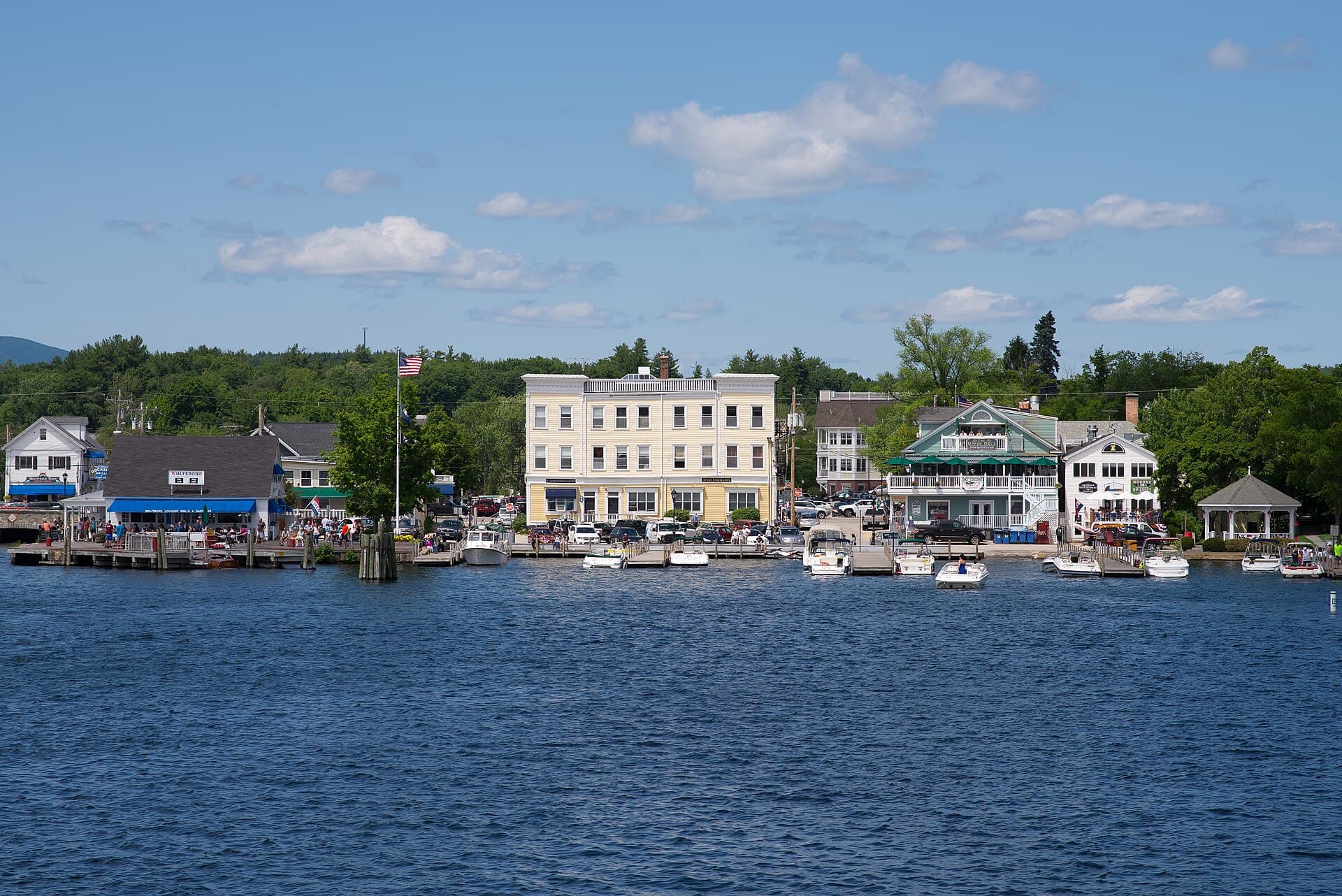 Fletcher / CC BY 4.0, via Wikimedia Commons
Tour de audio autoguiado de Wolfeboro — ruta GPS a pie, reproducción offline, narración en 32 idiomas.
“Donde las vastas aguas del lago Winnipesaukee se encuentran con un pueblo que fue pionero en el veraneo estadounidense.”
No las postales. Las historias que ni los locales conocen — al oído, justo donde ocurrieron.
El nombre del pueblo rinde homenaje a un general británico que nunca pisó Nueva Inglaterra.
Más allá de los museos más prominentes, una institución deliciosamente peculiar ofrece un viaje a través del tiempo.
Mientras que las playas populares atraen multitudes, algunos lugares menos transitados ofrecen serenidad y carácter local.
Descubre todos los secretos de Wolfeboro
Cada dirección, cada revelación al completo — a tu oído, justo donde ocurrió.
Eliges tus paradas. Caminas. La voz te revela lo que los demás ignoran.

Tu tour de audioguía por Wolfeboro te espera — elige tus lugares, tu idioma y empieza al llegar.
ComprarWolfeboro, New Hampshire, se enorgullece de ostentar el título de "El balneario de verano más antiguo de América", un legado que se remonta a 1768. Situado en la orilla este del lago Winnipesaukee, el lago más grande del estado, Wolfeboro presenta una experiencia quintaesencial de Nueva Inglaterra. Su acogedor centro, su histórico paseo marítimo y el acceso a lagos de aguas cristalinas y fondos montañosos crean una atmósfera propicia para la relajación y la recreación.
Más allá de su bien merecida reputación como paraíso veraniego, Wolfeboro es un pueblo que invita a un ritmo pausado, invitando a los visitantes a saborear momentos junto al agua, explorar su historia preservada y descubrir los sutiles detalles que lo hacen único. Con una población durante todo el año de aproximadamente 6.500 habitantes, que se expande considerablemente en los meses más cálidos, Wolfeboro mantiene su carácter de pueblo pequeño mientras ofrece una sorprendente variedad de actividades, desde eventos culturales hasta aventuras al aire libre en su variado paisaje de lagos y colinas boscosas.
Mucho antes de la llegada de los colonos europeos, la región que se convertiría en Wolfeboro fue recorrida por tribus nativas americanas, principalmente los Pennacook y Abenaki. Se sentían atraídos por los abundantes recursos naturales de la zona, siendo lo que hoy es Main Street un sendero muy transitado. Se cree que el nombre "Winnipesaukee" deriva del idioma algonquino, a menudo traducido como "agua hermosa en un lugar alto".
La historia oficial de Wolfeboro comienza en 1759, cuando el gobernador Benning Wentworth otorgó una carta fundacional para el pueblo, nombrándolo "Wolfeborough" en honor al general británico James Wolfe, un héroe de la Guerra Francesa e India. Los primeros colonos permanentes llegaron en 1768. Un momento crucial en la historia del pueblo ocurrió en 1771, cuando el gobernador John Wentworth, sobrino de Benning, estableció su finca de verano, Kingswood, a orillas del lago Wentworth. Este acto consolidó la afirmación de Wolfeboro como "El balneario de verano más antiguo de América", ya que fue el primer lugar en América donde la gente viajó específicamente para unas vacaciones de verano.
Inicialmente, Wolfeboro fue una comunidad agrícola, con su actividad económica centrada alrededor de Dimon's Corner, una parada en la ruta de la diligencia de Dover a Conway. Las primeras industrias giraban en torno a la agricultura, la madera y la manufactura a pequeña escala, con aserraderos, molinos harineros y curtidurías impulsados por el río Smith. Wolfeboro Falls, en particular, se ganó el apodo de "Slab City" debido a sus actividades relacionadas con la madera. Los productos de madera siguieron siendo una importante industria local hasta principios del siglo XX.
Mediados del siglo XIX trajo un cambio significativo con la llegada del ferrocarril en 1872. Esta nueva conexión con ciudades como Boston y Portsmouth hizo de Wolfeboro un escape accesible para los habitantes urbanos, lo que provocó una expansión del turismo. Surgieron grandes hoteles, como el Pavilion Hotel (inaugurado en 1874) y el Wolfeboro Inn (1890), atrayendo a familias adineradas al lago. A principios del siglo XX, Wolfeboro había consolidado su posición como un destino vacacional de primer nivel, con elaboradas casas de veraneo que bordeaban las orillas del lago Winnipesaukee.
Después de la Segunda Guerra Mundial, Wolfeboro experimentó un crecimiento renovado, impulsado por la prosperidad de la posguerra y la promoción activa del turismo. Este período vio una expansión del desarrollo comercial, nuevos centros comerciales y la transición de Brewster Academy a una escuela preparatoria privada. Los esfuerzos para preservar la historia y el encanto distintivos de Wolfeboro se intensificaron, con la Sociedad Histórica de Wolfeboro, fundada en 1959, desempeñando un papel crucial en el mantenimiento del patrimonio del pueblo a través de museos y la preservación de edificios históricos. Hoy en día, Wolfeboro continúa equilibrando su carácter histórico con su estatus de comunidad animada durante todo el año y un querido destino turístico.
Comience su exploración en los Muelles de Wolfeboro, el animado corazón del frente marítimo, que ofrece vistas panorámicas del lago Winnipesaukee y las montañas circundantes. Desde aquí, puede embarcarse en un crucero a bordo del M/S Mount Washington o dar un emocionante paseo en el Millie B., una réplica de una lancha rápida vintage. Adyacente a los muelles, Cate Park alberga conciertos de verano en su notable quiosco de música, perfecto para una tarde relajada.
Pasee por Main Street, bordeada de tiendas, galerías y restaurantes de propiedad local situados en edificios históricos de ladrillo. Para una comprensión más profunda del pasado, visite el Complejo del Museo Clark House, que incluye la Escuela Pleasant Valley y la Estación de Bomberos, ofreciendo información sobre la historia de Wolfeboro. El Museo Wright de la Segunda Guerra Mundial ofrece una visión completa del papel de Estados Unidos en la guerra, con extensas exhibiciones de equipos y recuerdos. No pase por alto el distintivo Museo de Historia Natural Libby, el más antiguo del estado, que exhibe taxidermia, vida silvestre regional y artefactos únicos.
Los entusiastas del aire libre pueden explorar el Cotton Valley Rail Trail para caminar o andar en bicicleta, o tomar el pintoresco desvío del Bridge Falls Path. Para una experiencia más tranquila, diríjase al Área de Conservación Sewall Woods, que ofrece más de 100 acres de senderos a solo minutos del centro. Considere un viaje en coche por el Carry Road Loop para disfrutar de tranquilas vistas al lago alrededor del lago Wentworth. También puede disfrutar de las diversas playas, incluida Carry Beach en el lago Wentworth para un entorno más sereno.
Wolfeboro da la bienvenida a los visitantes durante todo el año, y cada estación ofrece una experiencia distintiva. El verano (junio-agosto) proporciona la experiencia clásica de Wolfeboro, con temperaturas cálidas, muelles activos, atracciones abiertas y actividades lacustres como nadar y pasear en bote. El agua del lago alcanza los 70-75°F a mediados de julio.
El otoño (septiembre-octubre) es un favorito local, con aire fresco, menos multitudes y un espectacular follaje máximo que suele ocurrir entre el 5 y el 15 de octubre. Las actividades de senderismo y en los senderos ferroviarios son excelentes durante esta época. Desde finales de octubre hasta mayo se ofrecen tarifas de alojamiento más bajas, aunque algunas atracciones pueden tener horarios limitados. El invierno ofrece oportunidades para esquiar en Abenaki Ski Area, pescar en el hielo y conducir motos de nieve.
Wolfeboro está situado en el condado de Carroll, New Hampshire. Si bien muchas atracciones son accesibles a pie en el centro, generalmente es necesario un automóvil para llegar a Wolfeboro y explorar la región de los Lagos en general. Durante el apogeo del verano, el tráfico puede ser considerable, especialmente los fines de semana, así que permita tiempo extra para viajar. Hay estacionamientos públicos disponibles en el centro en la estación de tren y el ayuntamiento, aunque muchos lugares en la calle tienen un límite de dos horas. Un tranvía antiguo, Molly the Trolley, ofrece recorridos narrados con paradas libres desde el Centro de Información en la Estación de Tren de Wolfeboro y los Muelles de la Ciudad.
Los baños públicos, incluidos los accesibles, se pueden encontrar en la antigua estación de tren en Railroad Avenue. Para aquellos que planean actividades al aire libre, especialmente en senderos, se recomienda repelente de insectos debido a la presencia de garrapatas de ciervo. Wolfeboro mantiene una baja tasa de pobreza y no tiene desempleo registrado, con industrias primarias que incluyen la construcción, la atención médica y los servicios educativos. New Hampshire no tiene impuesto sobre las ventas.
Wolfeboro en coreano, en chino o en hebreo — y 29 idiomas más, cada parada narrada por una voz nativa. La mayor variedad de idiomas de cualquier audioguía autoguiada.
Disponible en: