Strawbery Banke Museum
Before earning its current name, this settlement bore a sweeter, more natural designation.
Full story unlocks in the tour
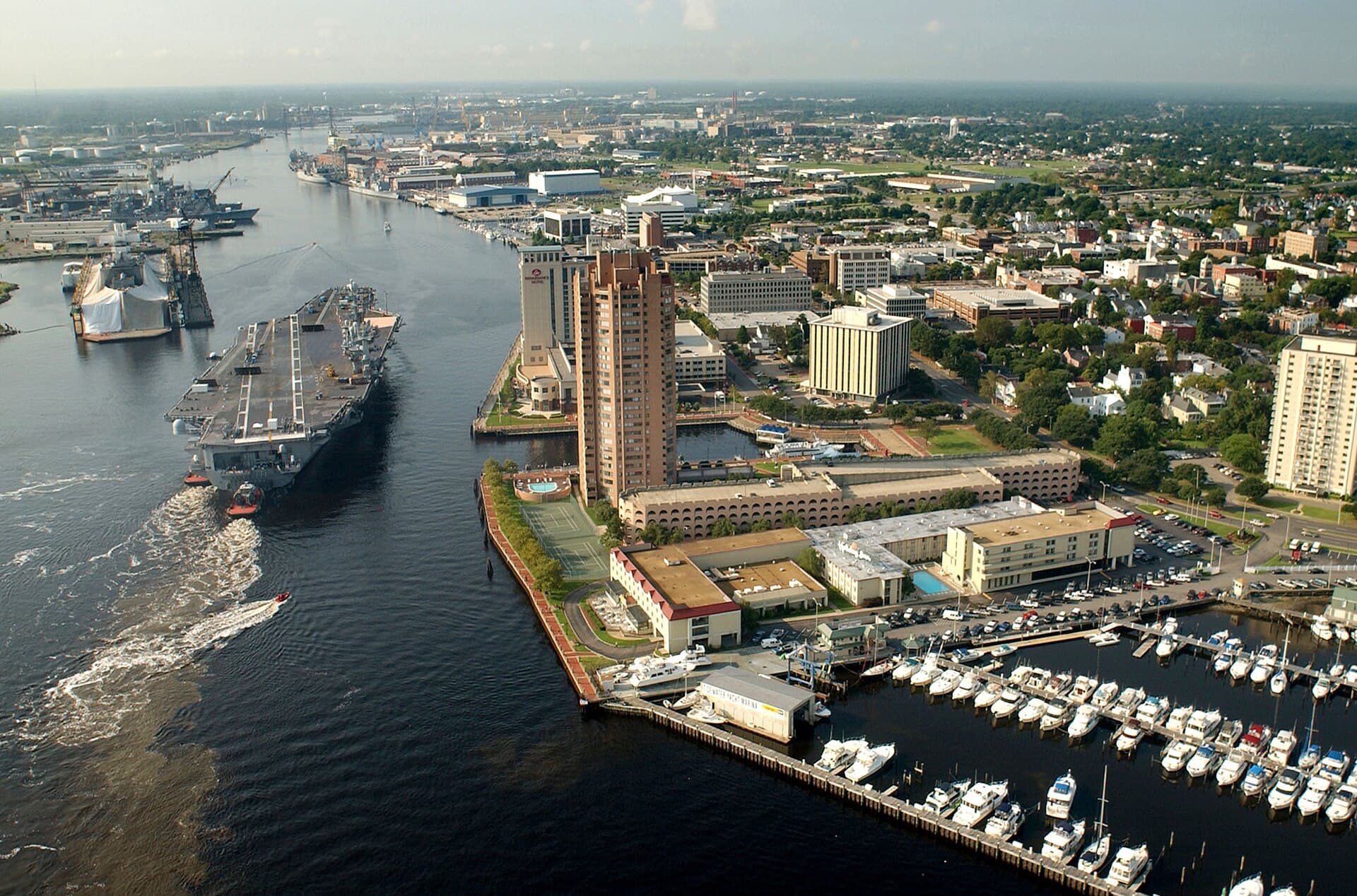 U.S. Navy photo / Public domain, via Wikimedia Commons
Self-guided audio walking tour of Portsmouth — GPS route, offline playback, story-driven narration in 32 languages.
“Where centuries of seafaring tales converge with contemporary life.”
Not the postcards. The stories even locals don't know — whispered in your ear, right where they happened.
Before earning its current name, this settlement bore a sweeter, more natural designation.
This New Hampshire city played an unexpected part in concluding a significant international conflict.
The 'Father of the American Navy' once called Portsmouth home.
Discover every secret of Portsmouth
Every address, every reveal in full — in your ear, right where it happened.
You pick your stops. You walk. The voice reveals what the others miss.
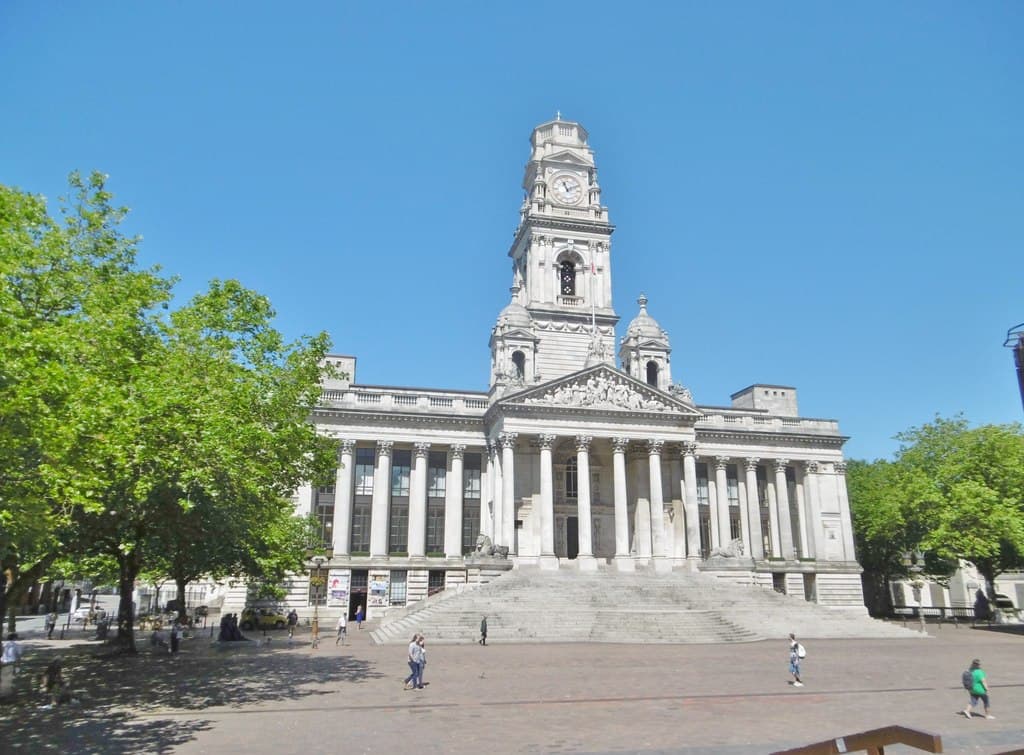
Your self-guided audio tour of Portsmouth is ready — pick your landmarks, choose your language, and start the moment you arrive.
BuyPortsmouth, New Hampshire, is an historic seaport city situated on the Piscataqua River, sharing a border with Maine. With a population just over 20,000, it stands as a cherished destination in New Hampshire and a favored spot for travelers across the country. This appealing coastal city, settled in 1623, holds the distinction of being one of the oldest continuously inhabited cities in the United States, offering a rich narrative of history, culture, and maritime legacy.
Known for its exemplary Colonial, Georgian, and Federal architecture, Portsmouth's downtown features stately brick structures that emerged from the ashes of destructive fires in the early 19th century. Beyond its architectural grace, the city cultivates a lively arts community, diverse culinary experiences, and a profound link to American history, from its role in the Revolutionary War to hosting the treaty that concluded the Russo-Japanese War. Whether drawn to its historical sites, picturesque waterfront, or spirited ambiance, Portsmouth presents a unique blend of old-world charm and contemporary appeal.
Portsmouth's narrative commenced in 1623 when English colonists, led by Captain John Mason and Sir Ferdinando Gorges, established a settlement they named "Strawbery Banke." This moniker arose from the wild strawberries growing in abundance along the Piscataqua River, making it one of the oldest continuously inhabited cities in the United States. By 1653, the community, then comprising about 60 families, petitioned to rename itself Portsmouth, honoring John Mason, who had served as a captain in Portsmouth, England.
As New Hampshire separated from the Massachusetts Bay Colony by royal decree in 1679, Portsmouth was designated the colonial capital, becoming the primary center of settlement, trade, and government. Its deep harbor and strategic location swiftly transformed it into one of the nation's busiest ports and shipbuilding centers, a legacy still apparent in its architecture and maritime presence. The city's prosperity during this era found expression in its impressive Colonial, Georgian, and Federal style houses, many of which now serve as museums.
The Revolutionary War saw Portsmouth assume a significant role. In 1774, local patriots raided Fort William and Mary (now Fort Constitution), seizing gunpowder and arms that would later support the Continental Army. Naval hero John Paul Jones, often recognized as the "Father of the American Navy," resided in Portsmouth while overseeing the construction of the USS Ranger. However, for wartime safety, the colonial capital relocated inland.
The early 19th century brought challenges, with destructive fires reshaping the city. The most severe, in 1813, destroyed 244 buildings. In response, the New Hampshire legislature passed the "Brick Act" in 1814, leading to the construction of the dignified brick Federalist buildings that define much of downtown Portsmouth today. The city's historical importance continued into the 20th century, notably hosting the negotiations for the Treaty of Portsmouth in 1905, which concluded the Russo-Japanese War and earned President Theodore Roosevelt the Nobel Peace Prize. Today, Portsmouth remains a dynamic city that carefully preserves its extensive past while embracing its contemporary identity.
Begin your exploration at the Strawbery Banke Museum, a living history museum where you can journey back in time through beautifully preserved homes and gardens dating to the 17th century. For a deeper dive into maritime history, visit Albacore Park to tour the USS Albacore, a Cold War-era research submarine. The John Paul Jones House, a Georgian-style home from 1758, now functions as a museum dedicated to the Revolutionary War hero.
Walk through Market Square, the core of downtown, encircled by historic brick buildings housing distinctive shops, art galleries, and eateries. Discover the city's four individual neighborhoods, each offering its own character and points of interest. Enjoy the waterfront at Prescott Park, recognized for its lovely gardens and outdoor events during warmer months. For wide-ranging views of the harbor and coastline, take a guided tour of the Portsmouth Harbor Lighthouse at Fort Constitution. Consider a scenic cruise on a traditional Gundalow to experience Portsmouth's maritime history from the water.
The ideal time to visit Portsmouth for warm-weather activities extends from late June to mid-September, with July being the warmest month, averaging 80°F. Autumn, particularly October, brings brilliant foliage and a wide array of seasonal activities, making it a favored period for those seeking fall colors and historical exploration. While winter (December to March) offers colder temperatures, with January being the coldest at an average low of 20°F, it also presents fewer crowds and a serene atmosphere, with opportunities for ice skating at Puddle Dock Pond. Spring sees cloudier skies, but the city begins to awaken with new blooms.
Portsmouth is a city easily navigated on foot, particularly its downtown area. For getting around, public transportation options exist, though they can have limitations. The city provides a free shuttle service on Fridays, Saturdays, and Sundays from a parking lot on Market Street (Exit 7 from I-95) to the Hanover Street bus stop. Parking in Portsmouth includes several garages, such as the Hanover Parking Garage and Foundry Place Garage, which offer hourly rates. On-street metered parking is also available, with varying rates depending on the duration. Handicap parking is free in legal spaces but observes a 3-hour limit in high-occupancy meter zones. For those arriving by air, Portsmouth International Airport at Pease (PSM) offers car rentals, taxis, shuttles, and bus services. Long-term parking at the airport is available in Lots A, B, and C.
Portsmouth in Korean, in Chinese or in Hebrew — and 29 more languages, every stop narrated by a native voice. The widest language range of any self-guided audio tour.
Available in: