Rue d'Enfer (Calle del Infierno)
La encantadora calle donde Maurice Ravel compuso algunas de sus obras más famosas lleva un nombre sorprendentemente infernal.
La historia completa se desbloquea en el tour
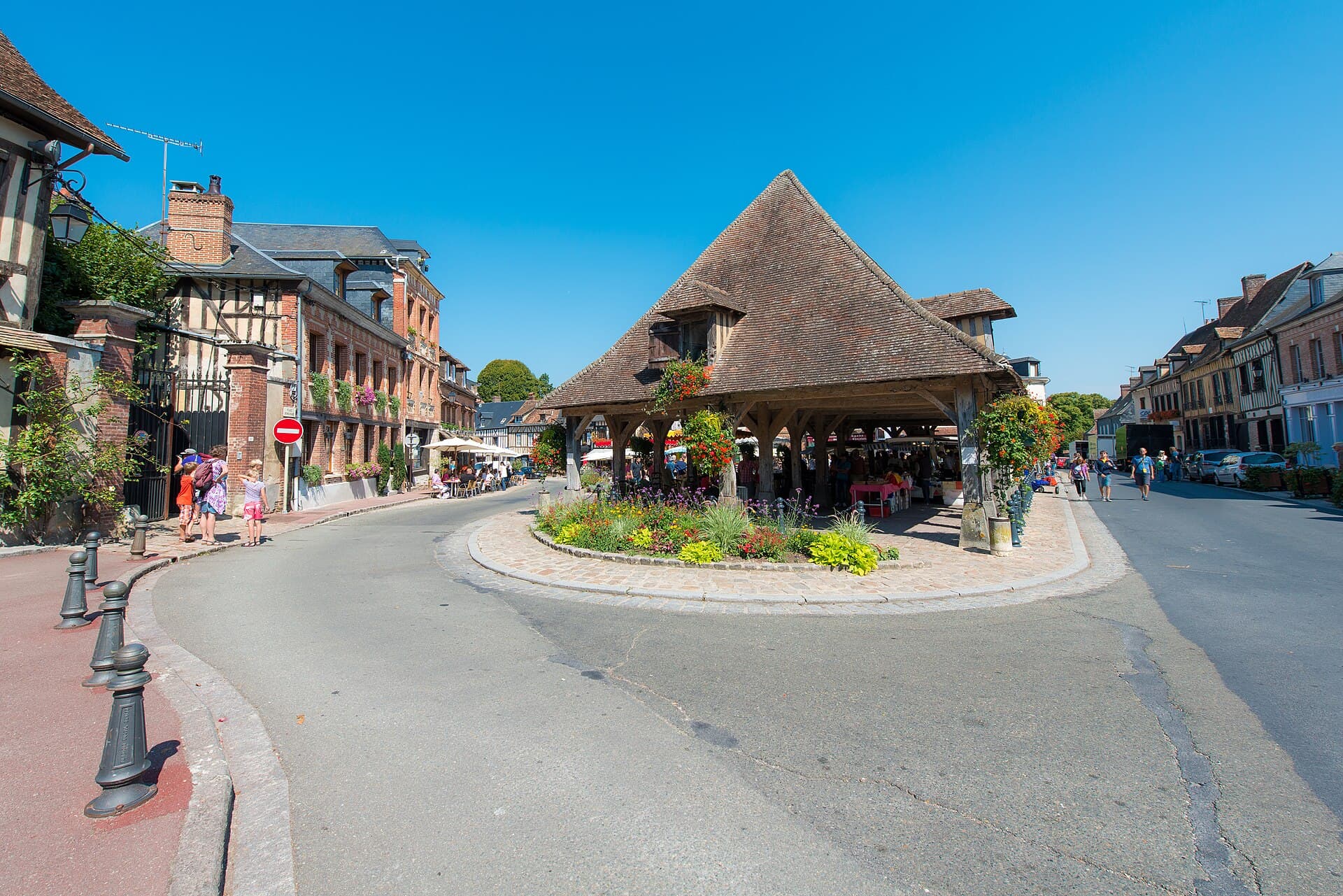 Jordy Meow / CC BY-SA 3.0, via Wikimedia Commons
Tour de audio autoguiado de Lyons-la-Forêt — ruta GPS a pie, reproducción offline, narración en 32 idiomas.
“Donde las casas de entramado de madera se encuentran con los susurros del bosque antiguo.”
No las postales. Las historias que ni los locales conocen — al oído, justo donde ocurrieron.
La encantadora calle donde Maurice Ravel compuso algunas de sus obras más famosas lleva un nombre sorprendentemente infernal.
Un convento histórico en Lyons-la-Forêt tuvo una vez un sorprendente propósito no religioso.
La plaza central de Lyons-la-Forêt, con su pintoresco mercado cubierto, se alza sobre el antiguo emplazamiento de una importante estructura real.
Descubre todos los secretos de Lyons-la-Forêt
Cada dirección, cada revelación al completo — a tu oído, justo donde ocurrió.
Eliges tus paradas. Caminas. La voz te revela lo que los demás ignoran.


Tu tour de audioguía por Lyons-la-Forêt te espera — elige tus lugares, tu idioma y empieza al llegar.
ComprarLume incluye una guía de realidad aumentada. Levanta el móvil y su cámara muestra la calle que tienes delante, con una flecha luminosa sobre la imagen real que siempre apunta a tu próxima parada — sin mapas que descifrar, sin giros equivocados. Como todo en Lume, funciona completamente sin conexión.
Lyons-la-Forêt, oficialmente reconocido como uno de "Les Plus Beaux Villages de France" (Los pueblos más bonitos de Francia), es un pintoresco pueblo normando en el departamento de Eure. Está rodeado por el vasto y antiguo bosque de hayas de Lyons, uno de los más grandes de Europa. El pueblo cautiva a los visitantes con sus casas de entramado de madera cubiertas de rosas, su tradicional mercado cubierto y un ritmo de vida que parece suspendido en el tiempo. Su trazado medieval bien conservado, sus calles empedradas y su arquitectura de los siglos XVII y XVIII ofrecen una visión del corazón histórico de Normandía.
Este atractivo destino es una mezcla de cultura, naturaleza y gastronomía, lo que lo hace ideal para quienes buscan elegancia rústica y tranquilidad. Lyons-la-Forêt ha atraído durante mucho tiempo a artistas, escritores y compositores, incluido Maurice Ravel, quien compuso parte de su Trío para piano aquí. El pueblo también ha servido de telón de fondo para adaptaciones cinematográficas de Madame Bovary, consolidando aún más su atractivo evocador.
Los orígenes de Lyons-la-Forêt se remontan a la época galorromana, con evidencia de un asentamiento cerca del río Lieure en el distrito de Bout-de-Bas. Las excavaciones arqueológicas del siglo XX revelaron un teatro galorromano con capacidad para 2.000 personas, lo que indica una importante presencia temprana. El pueblo, inicialmente conocido como Leons hasta el siglo XI, estaba estratégicamente ubicado en la frontera entre el antiguo Reino de Francia y el Ducado de Normandía.
En 936, se sabía que Guillermo I, Duque de Normandía, se alojaba en Lyons. Guillermo el Conquistador ordenó la construcción de una fortaleza en Lyons en 1060, una posición defensiva estratégica. Este castillo fue completado por su hijo menor, Enrique I de Inglaterra, también conocido como "Henri Beauclerc", quien murió allí en 1135, supuestamente por un 'exceso de lampreas'. El pueblo fue entonces reorganizado alrededor de esta fortaleza. El castillo de Lyons se convirtió en residencia real después de que el rey Felipe Augusto de Francia conquistara la ciudad y el castillo en 1202. Numerosos reyes franceses, incluidos Ricardo Corazón de León, Felipe Augusto, Luis IX (San Luis), Felipe IV el Hermoso y Carlos IX, se alojaron aquí, atraídos por la abundante caza en el bosque. Más de cien cartas reales fueron adoptadas en el castillo entre 1050 y 1298.
Los ingleses capturaron Lyons durante la Guerra de los Cien Años y posteriormente desmantelaron el castillo en 1436. La Place Benserade central ocupa ahora el sitio del antiguo montículo feudal. La mayoría de las distintivas casas de entramado de madera y ladrillo del pueblo, que definen su carácter arquitectónico actual, fueron construidas en los siglos XVII y XVIII, en gran parte debido a un incendio en 1590 que destruyó muchas estructuras más antiguas. En el siglo XVIII, bajo la protección del Duque de Penthièvre, Lyons-la-Forêt sirvió como centro administrativo, como lo demuestra el Tribunal del Bailío en el Ayuntamiento, que conserva su decoración original del siglo XVIII y una auténtica mazmorra.
El pueblo escapó en gran medida de la Revolución Industrial y de los bombardeos de la Primera Guerra Mundial, preservando su integridad histórica. En el siglo XX, Lyons-la-Forêt fue redescubierto por artistas, escritores y compositores que buscaban inspiración cerca de París. Maurice Ravel compuso partes de su obra aquí entre 1917 y 1922, y artistas como Paul-Émile Pissarro (hijo de Camille Pissarro) y el pintor surrealista André Masson también residieron en el pueblo. La belleza atemporal del pueblo también lo ha convertido en un lugar de rodaje favorito, especialmente para dos adaptaciones de Madame Bovary de Gustave Flaubert por Jean Renoir (1933) y Claude Chabrol (1991), y más recientemente para Gemma Bovery de Anne Fontaine.
Comience su exploración en el corazón del pueblo, el Mercado Histórico Cubierto (Les Halles). Este mercado cubierto, que data del siglo XVIII y construido con maderas del bosque circundante, alberga mercados tradicionales los jueves, sábados y domingos. Pasee por las calles del pueblo para admirar las casas de entramado de madera de los siglos XVII y XVIII bien conservadas y las coloridas fachadas.
Visite la Iglesia de Saint-Denis, una estructura con orígenes en el siglo XII, que presenta elementos del siglo XVIII. El Ayuntamiento también merece una visita por su sala de audiencias del siglo XVIII, completa con decoración original y una mazmorra. Aunque la casa de Maurice Ravel, "Le Fresne", es una residencia privada y no está abierta al público, aún puede apreciar su estilo anglo-normando desde el exterior en la Rue d'Enfer. Para una inmersión más profunda en la historia judicial local, el Ayuntamiento también alberga una mazmorra reconstruida.
Más allá del pueblo, la Forêt de Lyons es uno de los bosques de hayas más grandes de Francia, ofreciendo numerosos senderos señalizados para caminar y andar en bicicleta. Puede encontrar árboles antiguos y vida silvestre dentro de sus 10.700 hectáreas. Las atracciones cercanas incluyen la Abadía de Mortemer, un tesoro arquitectónico medieval en un entorno idílico, y el Château de Vascoeuil, un monumento histórico que ahora sirve como centro regional de arte y cultura, con esculturas de artistas como Braque, Cocteau y Dalí.
Lyons-la-Forêt es un destino que ofrece encanto durante todo el año. La primavera es particularmente hermosa, ya que las flores florecen y las terrazas reabren. El otoño transforma el bosque circundante en brillantes tonos de rojo y dorado, lo que lo convierte en un momento ideal para paseos por la naturaleza. Los fines de semana de verano son animados con mercados y eventos. Para un clima confortable, junio, julio, agosto y septiembre son generalmente los meses más agradables, siendo junio el mes con más sol. Diciembre, enero y febrero suelen ser los menos cómodos en cuanto al clima, aunque el invierno trae una atmósfera tranquila y acogedora, especialmente durante la temporada navideña con sus decoraciones y mercado festivo.
Lyons-la-Forêt se encuentra a unos 120 km de París y a 35 km al este de Ruan, lo que lo hace adecuado para una escapada de fin de semana. Aunque no hay estación de tren directamente en el pueblo, puede tomar un tren a las cercanas Ruan o Gisors y luego organizar un taxi o autobús. Para una mayor flexibilidad, especialmente para explorar el bosque y las áreas circundantes, se recomienda viajar en coche. El pueblo ofrece una variedad de opciones gastronómicas, desde restaurantes gourmet como La Licorne hasta acogedores bistrós y cafeterías que sirven productos locales. La Oficina de Turismo, ubicada cerca del mercado cubierto, proporciona un mapa explicativo del pueblo e información sobre rutas de senderismo. También se ofrecen visitas guiadas al centro histórico del pueblo.
Lyons-la-Forêt en coreano, en chino o en hebreo — y 29 idiomas más, cada parada narrada por una voz nativa. La mayor variedad de idiomas de cualquier audioguía autoguiada.
Disponible en: