San Pedro Nolasco de los Molinos Church
Within the historic church, a surprising resident has been kept for centuries.
Full story unlocks in the tour
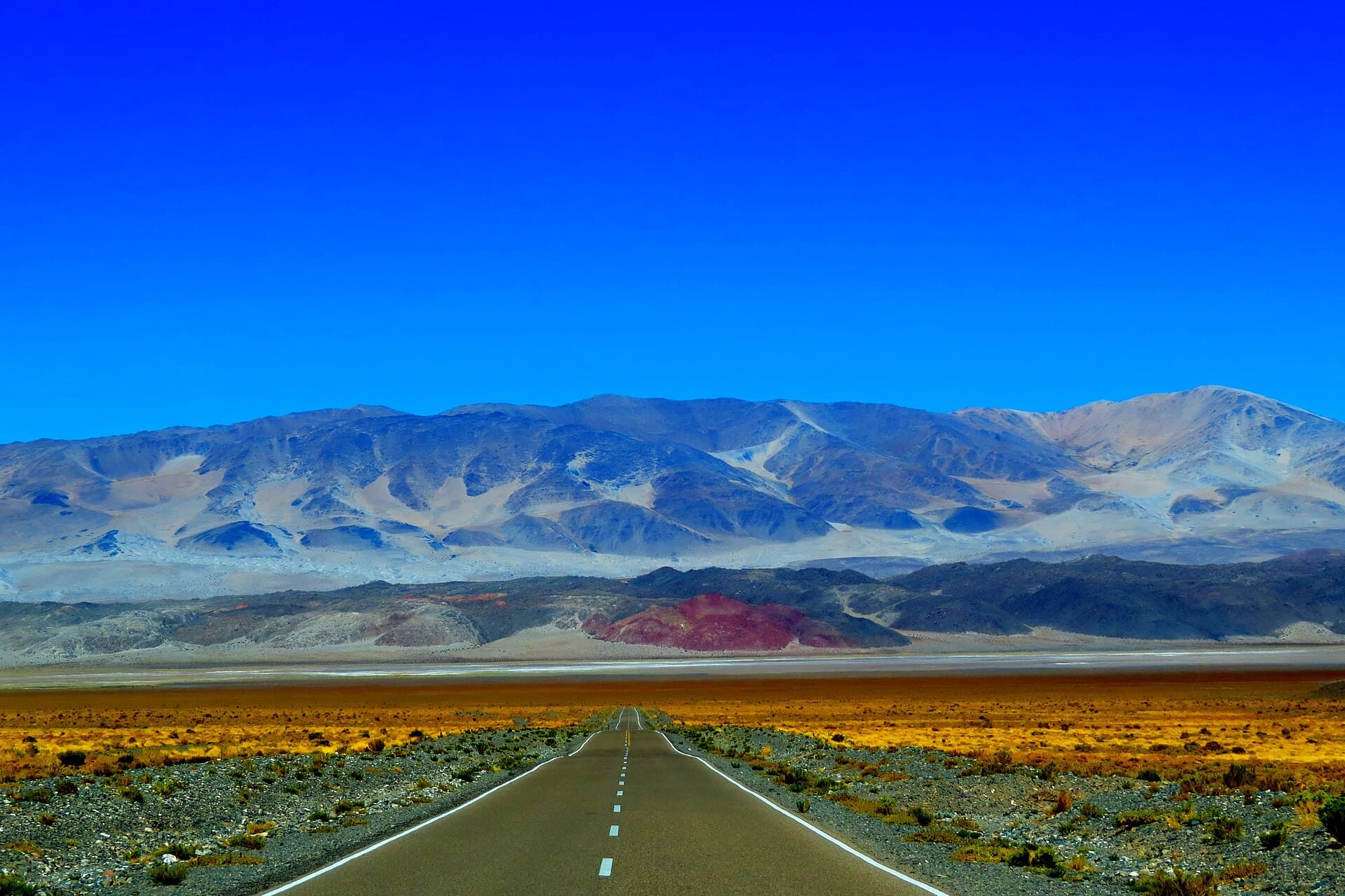 Camino a Campo de Piedra Pomez en Catamarca / cc by-sa 4.0, via Wikimedia Commons
Self-guided audio walking tour of Molinos — GPS route, offline playback, story-driven narration in 32 languages.
“Molinos: Where time slows, and the Andes share their ancient stories.”
Not the postcards. The stories even locals don't know — whispered in your ear, right where they happened.
Within the historic church, a surprising resident has been kept for centuries.
This colonial hacienda-turned-hotel holds a secret about its original purpose and the town's unique layout.
Driving a particular stretch of this iconic highway near Molinos reveals an ancient feat of engineering.
Discover every secret of Molinos
Every address, every reveal in full — in your ear, right where it happened.
You pick your stops. You walk. The voice reveals what the others miss.

Your self-guided audio tour of Molinos is ready — pick your landmarks, choose your language, and start the moment you arrive.
BuyLume has a built-in augmented-reality guide. Hold your phone up and its camera shows the street ahead of you, with a glowing arrow laid over the real view that always points to your next stop — no map to puzzle over, no wrong turns. Like everything in Lume, it works fully offline.
Molinos, a tranquil village in Argentina's Salta Province, offers a journey back in time amidst the dramatic landscapes of the Calchaquí Valleys. Situated at an elevation of 2,499 meters (8,199 feet) above sea level, the air is crisp, and the pace of life unhurried. With its colonial architecture, well-worn paths, and adobe houses, Molinos provides an authentic Argentine experience, far removed from the bustle of modern cities.
This engaging destination is a haven for those seeking a blend of history, culture, and natural beauty. The surrounding region is renowned for its high-altitude vineyards, producing distinctive wines, and its enduring pre-Hispanic heritage, evident in the ancient trade routes that crisscross the landscape. Molinos invites visitors to explore its past, engage with local artisans, and savor the calm offered by the northern Argentine mountains.
The history of Molinos stretches back long before the arrival of the Spanish. The Molinos Valley was once inhabited by the Tiahuanaco people, who developed sophisticated irrigation systems. Later, the Incas established a presence, integrating the region into their vast network of roads. The Inca Road, a military and cultural thoroughfare, passed through Molinos, connecting it to other vital areas, including what is now Chile, Catamarca, and Tucumán.
The Spanish conquest brought a new era, and in the second half of the 17th century, the lands of Molinos were granted to General Diego Diez Gómez for his services to Spain. This marked the beginning of the Hacienda de Molinos, which became the residence of his daughter and son-in-law, General Domingo de Isasi Isasmendi. Unlike many colonial settlements that formed around a central church, Molinos grew and developed around this hacienda, influencing the town's distinctive layout.
One of the most significant figures in Molinos' colonial history was Nicolás Severo de Isasmendi, the last colonial governor of Salta. Born in Molinos, his legacy is preserved within the San Pedro Nolasco de los Molinos Church, where his mummified remains are kept. The church itself, a National Historical Monument, dates back to 1639, though parts were rebuilt later in the 18th century under Isasmendi's orders.
Molinos also played a role in Argentina's industrial development, albeit with a different 'Molinos.' Molinos Río de la Plata, one of Argentina's largest food companies, was founded in 1902 in Buenos Aires and became a major producer of flour, oils, and other food products, contributing to the development of northern Argentina through its milling operations. While distinct from the village of Molinos, this industrial giant shares a name that reflects Argentina's agricultural heritage. Today, the village of Molinos continues to embrace its enduring past, with its adobe architecture and traditional way of life offering a tangible connection to centuries of history.
Begin your exploration at the Church of San Pedro Nolasco de los Molinos, a National Historical Monument dating to the 17th century. Its adobe construction and historical significance make it a focal point of the village. Across from the church stands the Hacienda de Molinos, a beautifully restored 18th-century estate now operating as a boutique hotel, offering a glimpse into colonial life.
Beyond the village, the Quebrada de las Flechas (Gorge of the Arrows) is a geological marvel with dramatic rock formations and striking colors, ideal for photography and exploration. For wine enthusiasts, the surrounding Calchaquí Valleys are home to high-altitude vineyards, including Bodega Colomé, one of Argentina's oldest wineries, where you can enjoy wine tasting.
Discover local culture by visiting loom artisans who share their weaving traditions, and explore cooperatives producing handicrafts from vicuña wool. The nearby Camino de Artesanos in Seclantás offers another opportunity to see weavers creating ponchos and scarves. For those who enjoy scenic drives, the iconic Ruta Nacional 40 passes through Molinos, offering expansive views of the Andean peaks and the unique cardón cactus fields of Parque Nacional Los Cardones.
The best time to visit Molinos is during the dry season, from April to October. During these months, temperatures are pleasant, and there is less rainfall, making it ideal for outdoor activities like hiking and vineyard tours. Spring (September to December) also offers agreeable daytime temperatures, ranging from 23°C to 30°C (74°F to 84°F), with clear skies. While winter (June to August) brings colder nights, it offers clear, sunny days and fewer crowds, providing a serene experience.
Molinos is located in the Salta Province of northwestern Argentina. The nearest major airport is Martín Miguel de Güemes International Airport (SLA) in Salta City. From Salta, you can reach Molinos by bus or by renting a car. The drive typically takes 4-5 hours and involves traveling along Ruta Nacional 33 and then Ruta Nacional 40. Be aware that sections of Ruta Nacional 40 can be gravel, narrow, and have potholes, so drive carefully.
Molinos sits at an altitude of approximately 2,499 meters (8,199 feet), so it's advisable to take it easy upon arrival to acclimatize to the elevation and stay hydrated. The climate is generally dry and windy, with a wide temperature range between day and night. Pack layers, including warm clothes, a windbreaker, and sunscreen, regardless of the season. The local currency is the Argentine Peso (ARS).
Molinos in Korean, in Chinese or in Hebrew — and 29 more languages, every stop narrated by a native voice. The widest language range of any self-guided audio tour.
Available in: