Abra del Infiernillo
El nombre se traduce como 'Paso de la Quebrada del Infierno', pero la realidad es todo menos infernal.
La historia completa se desbloquea en el tour
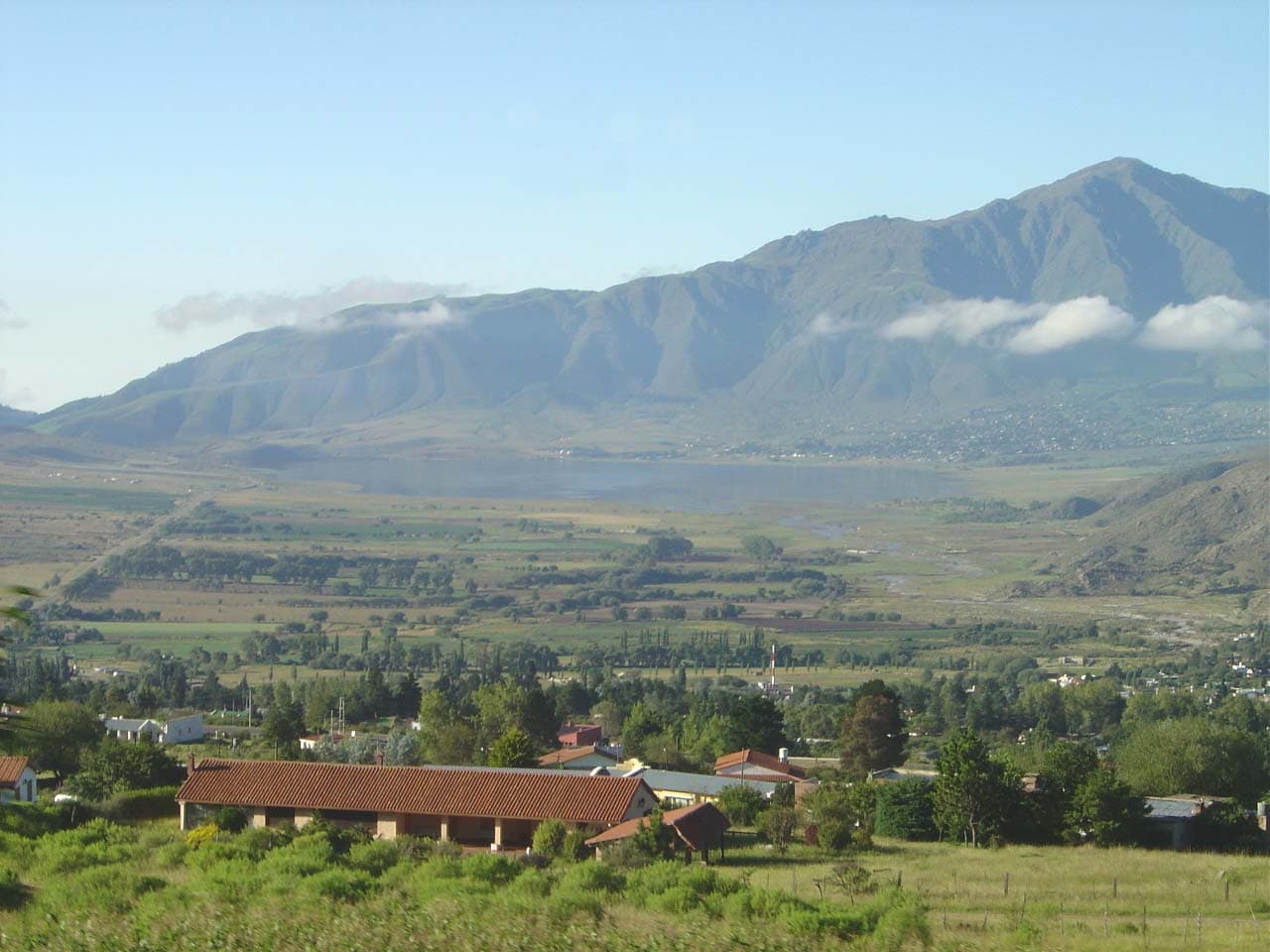 No machine-readable author provided. Jlazarte assumed (based on copyright claims). / Public domain, via Wikimedia Commons
Tour de audio autoguiado de Tafí del Valle — ruta GPS a pie, reproducción offline, narración en 32 idiomas.
“Donde las piedras ancestrales se encuentran con el aire de montaña y las tradiciones artesanales.”
No las postales. Las historias que ni los locales conocen — al oído, justo donde ocurrieron.
El nombre se traduce como 'Paso de la Quebrada del Infierno', pero la realidad es todo menos infernal.
Esta estancia jesuítica del siglo XVIII encierra un ingrediente fundamental en su legado perdurable, más allá de sus artefactos religiosos e históricos.
Estas antiguas piedras erguidas son más que simples restos de una civilización pasada; sugieren una sociedad que desafió las normas de su época.
Descubre todos los secretos de Tafí del Valle
Cada dirección, cada revelación al completo — a tu oído, justo donde ocurrió.
Eliges tus paradas. Caminas. La voz te revela lo que los demás ignoran.


Tu tour de audioguía por Tafí del Valle te espera — elige tus lugares, tu idioma y empieza al llegar.
ComprarLume incluye una guía de realidad aumentada. Levanta el móvil y su cámara muestra la calle que tienes delante, con una flecha luminosa sobre la imagen real que siempre apunta a tu próxima parada — sin mapas que descifrar, sin giros equivocados. Como todo en Lume, funciona completamente sin conexión.
Tafí del Valle, un tranquilo pueblo de montaña en la provincia argentina de Tucumán, presenta una fusión singular de esplendor natural e historia antigua. Situado a una altitud de 2.000 metros (6.562 pies) en el corazón de los Valles Calchaquíes, ofrece un refrescante respiro del calor de las tierras bajas. Se cree que el nombre "Tafí" deriva de la palabra diaguita taktikllakta, que significa "pueblo con una entrada espléndida". Rodeado por las Sierras de Aconquija al sur y las Cumbres Calchaquíes al norte, el valle se caracteriza por suaves colinas verdes, ríos cristalinos y un importante lago, mostrando un paisaje variado que transita de la densa selva a los valles áridos.
Este destino es un santuario para quienes buscan reposo, aventura al aire libre y una profunda inmersión en la cultura local. Los viajeros pueden explorar sitios arqueológicos, fincas tradicionales y animados mercados artesanales. La atmósfera acogedora del pueblo y su clima templado lo establecen como una base ideal para experimentar las estribaciones andinas de Argentina. Tafí del Valle se ha desarrollado como un distinguido centro de turismo de montaña, reconocido por sus atractivos naturales, su profunda herencia cultural y sus servicios de calidad, atrayendo a visitantes nacionales e internacionales durante todo el año.
La historia de Tafí del Valle se remonta a más de 2.500 años, revelando algunas de las culturas más antiguas de la región de Tucumán. La cultura Tafí, un pueblo agrícola y sedentario, cultivaba maíz, papas, calabazas y habas. Sus viviendas sencillas y otros restos arquitectónicos aún se pueden observar en áreas como la reserva La Bolsa. Las creencias religiosas desempeñaron un papel importante en sus vidas, y los estudiosos sugieren una fuerte influencia Diaguita en la región. El museo arqueológico al aire libre, el Parque Provincial Los Menhires, exhibe grandes monolitos de piedra elaborados por estos primeros habitantes del Valle Calchaquí, proporcionando un vínculo tangible con su antiguo pasado.
Alrededor del 900 d.C., la información sobre la cultura Tafí es escasa, atribuyéndose su desaparición del valle a factores políticos, económicos o ambientales desconocidos. Posteriormente, pueblos de valles vecinos, incluidos los Valles de Santa María, del Cajón y Calchaquí, se establecieron en la zona. Estos grupos también eran agricultores y pastores, demostrando un desarrollo tecnológico, social y político más avanzado que sus predecesores.
A fines del siglo XV, los Valles Calchaquíes, incluido Tafí, quedaron bajo el dominio del Imperio Inca. El valle sirvió como una frontera estratégica contra los pueblos guerreros de la región del Chaco y una ruta de comunicación crucial dentro del imperio.
La conquista española trajo una mayor transformación. En 1636, la corona española otorgó el valle como una "merced real" a P. de Leguizamón y Guevara. En 1716, los jesuitas adquirieron estas tierras, estableciendo la primera capilla e iniciando la producción agrícola, lo que dio forma a las distintas áreas conocidas como "Banda de Abajo" y "Banda de Arriba". La presencia jesuítica influyó profundamente en la región, introduciendo nuevas técnicas agrícolas y, notablemente, tradiciones de elaboración de queso. Su estancia, La Banda, ahora un museo, conserva restos arqueológicos de este período colonial.
Tras la expulsión de los jesuitas de América en 1767, sus tierras fueron subastadas y las autoridades gubernamentales locales asumieron la propiedad. Durante un período considerable, el valle permaneció relativamente aislado. No fue hasta mediados del siglo XX, con la apertura de la Ruta Provincial 307 en 1943, que Tafí del Valle comenzó a desarrollarse como un refugio de verano, construyéndose muchas casas de veraneo. La Municipalidad de Tafí del Valle fue creada oficialmente en 1977, coincidiendo con un auge del turismo y una mejora en el acceso por carretera. Hoy en día, Tafí del Valle integra armoniosamente su herencia indígena con su pasado jesuítico, estableciéndose como un destino turístico principal en los Valles Calchaquíes de Tucumán.
Comience su exploración en el Museo Jesuítico La Banda, una estancia conservada del siglo XVIII que ofrece un viaje sensorial a través de la historia colonial y los artefactos arqueológicos. A poca distancia del centro del pueblo, este sitio proporciona una visión del pasado de la región.
Profundice en la historia antigua en la Reserva Arqueológica Los Menhires en El Mollar, un museo al aire libre que exhibe monumentales piedras talladas de culturas precolombinas que datan de más de dos milenios.
Para vistas panorámicas, viaje al Abra del Infiernillo, un paso de montaña a 3.042 metros sobre el nivel del mar que une el Valle de Tafí con los Valles Calchaquíes, revelando un cambio dramático en el paisaje. Otro excelente mirador es el Cerro de la Cruz, que ofrece vistas impresionantes de todo el pueblo. El Monumento del Indio, una escultura de 6 metros de altura conocida como Chasqui, también ofrece vistas impresionantes y oportunidades para comprar artesanías locales.
Los entusiastas de la naturaleza pueden explorar la Reserva Natural de la defensa de El Mollar-Quebrada del Portugués, parte del Parque Nacional Aconquija. Considere una caminata a la Cascada Los Alisos, una caída de agua de 60 metros accesible después de una caminata por paisajes pintorescos.
Experimente la Ruta del Artesano para descubrir talleres que ofrecen productos elaborados con lana, cuero, piedra y cerámica. Para una muestra de mitos y leyendas locales, visite el Museo Casa Duende de Mitos y Leyendas, que ilumina el patrimonio cultural y la cosmovisión de los antiguos habitantes de la zona.
El momento ideal para visitar Tafí del Valle es durante los meses más cálidos, de octubre a abril, cuando las temperaturas son suaves y el valle está en su máximo verdor. Este período es perfecto para actividades al aire libre como senderismo, ciclismo y exploración de atracciones naturales. Si bien enero es el mes más cálido con temperaturas diurnas promedio de 20-22°C (68-72°F), también experimenta las lluvias más intensas. La estación seca, de mayo a septiembre, trae condiciones más frescas y tranquilas, siendo julio el mes más frío, con un promedio de 0°C (32°F) por la noche y 11-14°C (51-57°F) durante el día. Para actividades generales al aire libre, finales de noviembre a mediados de marzo se considera el mejor momento.
Tafí del Valle se encuentra aproximadamente a 107 a 126 kilómetros de San Miguel de Tucumán, la capital provincial. El aeropuerto más cercano es Tucumán (TUC), a unos 58,4 km de distancia. Se puede llegar a Tafí del Valle en autobús desde San Miguel de Tucumán, con un viaje que dura entre 2,5 y 3 horas. Alquilar un coche ofrece más flexibilidad para explorar las rutas escénicas y los miradores, especialmente el recorrido por la Ruta Provincial 307, que serpentea a través de exuberantes bosques subtropicales antes de ascender a los valles altos.
El pueblo se encuentra a una altitud de aproximadamente 2.000 metros (6.562 pies). Si bien generalmente es manejable, es aconsejable tomárselo con calma el primer día si es sensible a la altitud. La moneda local es el Peso Argentino. El español es el idioma oficial. Tafí del Valle ofrece una variedad de opciones de alojamiento y servicios, incluyendo restaurantes, bancos y un hospital las 24 horas.
Tafí del Valle en coreano, en chino o en hebreo — y 29 idiomas más, cada parada narrada por una voz nativa. La mayor variedad de idiomas de cualquier audioguía autoguiada.
Disponible en: