Igreja Matriz de Nossa Senhora do Porto
El reloj del campanario de la iglesia principal de Morretes ha estado marcando el tiempo durante un período inusualmente largo.
La historia completa se desbloquea en el tour
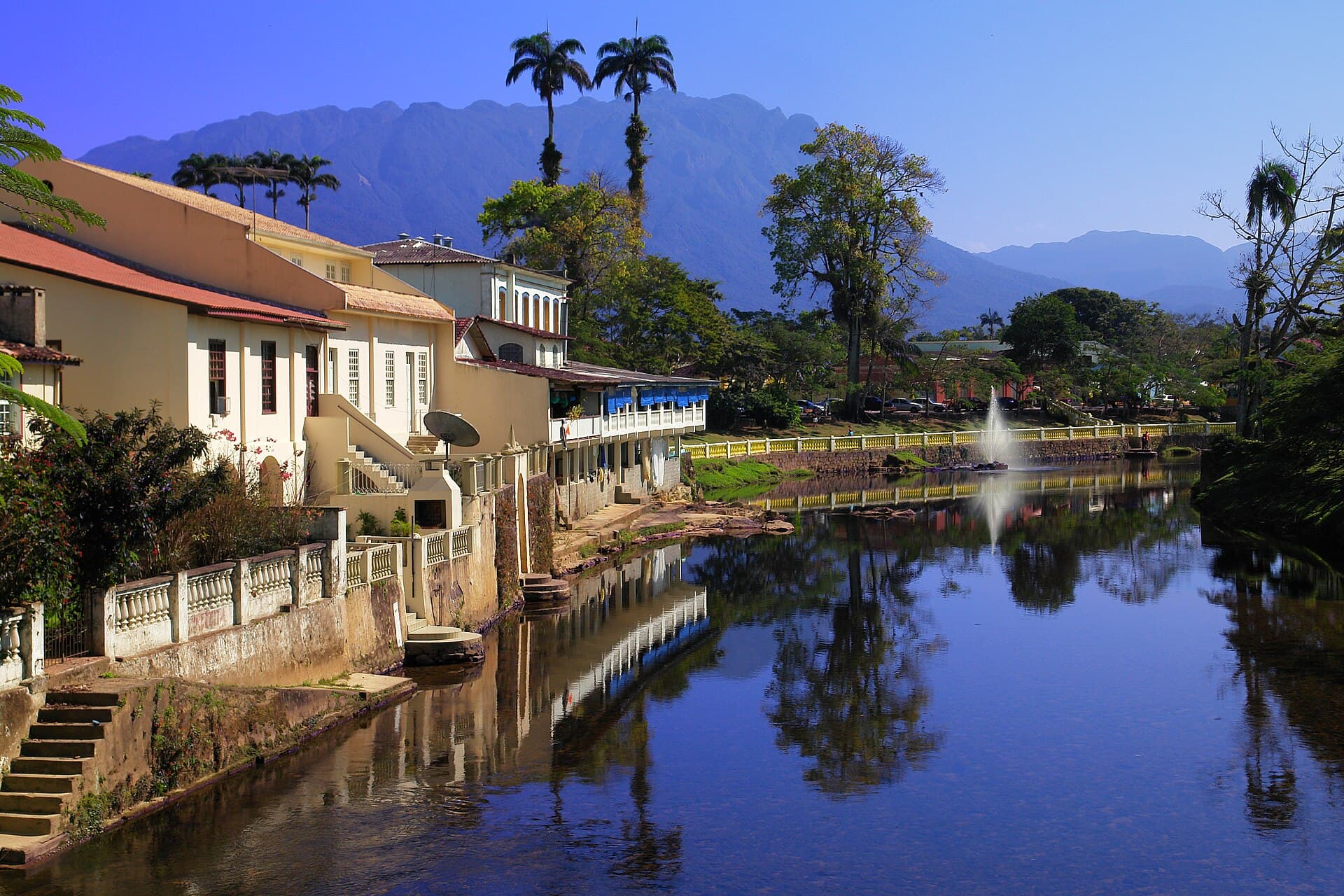 Sidney Schmeiske Men… / CC BY 3.0, via Wikimedia Commons
Tour de audio autoguiado de Morretes — ruta GPS a pie, reproducción offline, narración en 32 idiomas.
“Donde el encanto colonial se encuentra con los susurros de la Selva Atlántica.”
No las postales. Las historias que ni los locales conocen — al oído, justo donde ocurrieron.
El reloj del campanario de la iglesia principal de Morretes ha estado marcando el tiempo durante un período inusualmente largo.
Morretes tuvo una vez la distinción de albergar el primer teatro del estado, aunque su forma actual cuenta una historia de transformación.
Más allá del famoso Barreado, Morretes tiene un legado líquido, con destilerías que preservan un proceso de envejecimiento único.
Descubre todos los secretos de Morretes
Cada dirección, cada revelación al completo — a tu oído, justo donde ocurrió.
Eliges tus paradas. Caminas. La voz te revela lo que los demás ignoran.


Tu tour de audioguía por Morretes te espera — elige tus lugares, tu idioma y empieza al llegar.
ComprarLume incluye una guía de realidad aumentada. Levanta el móvil y su cámara muestra la calle que tienes delante, con una flecha luminosa sobre la imagen real que siempre apunta a tu próxima parada — sin mapas que descifrar, sin giros equivocados. Como todo en Lume, funciona completamente sin conexión.
Morretes, una pequeña ciudad en el estado brasileño de Paraná, ofrece un viaje donde el tiempo parece ralentizarse. Su arquitectura colonial, calles empedradas y el sereno río Nhundiaquara crean una atmósfera cautivadora. Esta histórica ciudad, con una población de alrededor de 16,000 habitantes, es famosa por sus tradiciones culinarias, particularmente el barreado de cocción lenta.
Aproximadamente 70 kilómetros al este de Curitiba, Morretes está abrazada por la verde Selva Atlántica (Mata Atlântica) y las montañas de la Serra do Mar. Muchos viajeros llegan a través del pintoresco tren Serra Verde Express, un viaje a través de exuberantes paisajes, cascadas y puentes históricos. Ya sea para una excursión de un día o una estancia más larga, Morretes combina belleza natural, encanto histórico y cálida hospitalidad.
El nombre de la ciudad, "Morretes", es una referencia geográfica a las colinas circundantes, o morros en portugués. Su ubicación en un valle, rodeada de colinas ricas en cobre, puede intensificar la sensación de calor durante los meses más cálidos.
Los orígenes de Morretes se remontan a 1721, cuando fue trazada, y fundada oficialmente en 1733. Comenzó como un puesto comercial crucial a lo largo del río Nhundiaquara, una vía fluvial cuyo nombre tupí-guaraní significa "lugar de pesca". La prosperidad temprana de la ciudad fue impulsada por la caña de azúcar, el café y el comercio fluvial.
Durante el siglo XIX, Morretes se volvió particularmente importante para el comercio de yerba mate. La ubicación estratégica de la ciudad también hizo de su estación de tren un punto significativo para los arrieros que transportaban ganado vacuno y porcino desde Vacaria en Rio Grande do Sul hasta Sorocaba en São Paulo. Estos arrieros decidían en Morretes si continuar su viaje a Paranaguá o Antonina.
Morretes obtuvo su independencia de la vecina Antonina en 1841. Sin embargo, la prominencia de la ciudad como centro comercial disminuyó después de la construcción del ferrocarril entre Curitiba y Paranaguá en 1885. A pesar de este cambio, Morretes ha conservado su aura colonial, con mansiones del siglo XVIII, puentes antiguos y una arquitectura atractiva que aún definen sus paisajes urbanos hoy en día. El centro histórico, construido a lo largo del río Nhundiaquara, sigue siendo una atracción central.
Entre sus hitos históricos se encuentra la Igreja Matriz de Nossa Senhora do Porto, una iglesia del siglo XVIII que sirve como ancla espiritual y cultural para la comunidad. Otro sitio significativo es la Igreja de São Benedito, construida entre 1865 y 1895, durante un período de declive económico para la región. Hoy, Morretes se erige como un testimonio de su pasado, invitando a los visitantes a experimentar su bien conservada herencia colonial.
Morretes es una ciudad compacta, fácilmente explorable a pie. Un paseo por el centro histórico revela coloridas casas coloniales y calles empedradas, perfectas para la fotografía. El río Nhundiaquara fluye a través de la ciudad, con el Puente Viejo conectando sus orillas, ofreciendo vistas panorámicas. A lo largo de la Rua das Flores, un paseo peatonal que sigue el río, encontrará edificios del siglo XVIII, incluida una mansión colonial donde una vez se hospedó el Emperador Dom Pedro II.
Los principales hitos arquitectónicos incluyen la Igreja Matriz de Nossa Senhora do Porto, una imponente iglesia del siglo XVIII con campanarios gemelos, y la Igreja de São Benedito. Más allá del centro de la ciudad, la Selva Atlántica circundante ofrece oportunidades para la exploración de la naturaleza. El Parque Estatal Marumbi, con sus 8,745 hectáreas, ofrece senderos para caminar hasta el Pico Marumbi y nadar en piscinas naturales bajo cascadas. El Parque Ekôa también cuenta con senderos a través de la vegetación nativa con visitas guiadas. No se pierda el mercado de artesanías locales y las tiendas de textiles únicos y dulces hechos de plátano y jengibre.
El mejor momento para visitar Morretes depende en gran medida de su preferencia por el clima y los niveles de afluencia. Generalmente se recomiendan los meses más secos y frescos de abril a octubre, con junio a septiembre a menudo citados como ideales. Durante este período, la Selva Atlántica está en su punto más verde, y el tren Serra Verde Express opera bajo cielos más despejados, ofreciendo una mejor visibilidad para el pintoresco viaje. Esta época del año también trae menos multitudes, noches más frescas y menos lluvia, lo que la hace adecuada para actividades al aire libre como el senderismo.
El verano de Brasil, de noviembre a marzo, es la temporada de lluvias de Morretes, caracterizada por temperaturas más cálidas y lluvias más intensas, especialmente por las tardes. Aunque Morretes se encuentra en una región de selva tropical y se puede esperar algo de lluvia durante todo el año, agosto suele ofrecer el clima más óptimo. Enero y febrero tienden a tener las condiciones menos cómodas debido al calor y la humedad, con riesgo de inundaciones en el centro de la ciudad.
Morretes está aproximadamente a 60-70 kilómetros de Curitiba, lo que toma alrededor de 1 hora y 15 minutos en coche. La forma más icónica de llegar es a través del tren Serra Verde Express desde Curitiba, un viaje de cuatro horas a través de la Selva Atlántica, cruzando puentes y túneles. Es aconsejable reservar los billetes de tren con antelación, especialmente para las temporadas altas o festivos. Los autobuses también circulan regularmente desde Curitiba, ofreciendo una ruta escénica a través de la Mata Atlântica.
Una vez en Morretes, el casco histórico es compacto y fácilmente navegable a pie. Para aquellos que exploran más allá del centro, los operadores turísticos locales ofrecen alquiler de bicicletas e itinerarios de aventura a lo largo del río Nhundiaquara. Si bien Morretes se considera generalmente segura, particularmente en el centro histórico, siempre es prudente estar atento a su entorno y asegurar sus objetos de valor. Pocos lugareños hablan inglés, ya que Morretes atiende más a turistas nacionales, por lo que aprender algunas frases básicas en portugués puede ser útil. Muchos servicios a bordo del tren pueden aceptar solo efectivo, así que venga preparado.
Morretes en coreano, en chino o en hebreo — y 29 idiomas más, cada parada narrada por una voz nativa. La mayor variedad de idiomas de cualquier audioguía autoguiada.
Disponible en: