Château de Mortagne-sur-Sèvre
The castle's current owners lead intimate tours, alluding to a particular detail shared only with those who walk its grounds.
Full story unlocks in the tour
 Llann Wé² / CC BY-SA 3.0, via Wikimedia Commons
Self-guided audio walking tour of Mortagne-sur-Sèvre — GPS route, offline playback, story-driven narration in 32 languages.
“Where medieval echoes meet riverine tranquility.”
Not the postcards. The stories even locals don't know — whispered in your ear, right where they happened.
The castle's current owners lead intimate tours, alluding to a particular detail shared only with those who walk its grounds.
The Sèvre Nantaise river, winding through Mortagne-sur-Sèvre, carries a curious moniker that speaks to its geological makeup.
A tranquil stretch along the Sèvre Nantaise, the Fleuriais site bears the marks of a past that profoundly shaped the river's environment.
Discover every secret of Mortagne-sur-Sèvre
Every address, every reveal in full — in your ear, right where it happened.
You pick your stops. You walk. The voice reveals what the others miss.
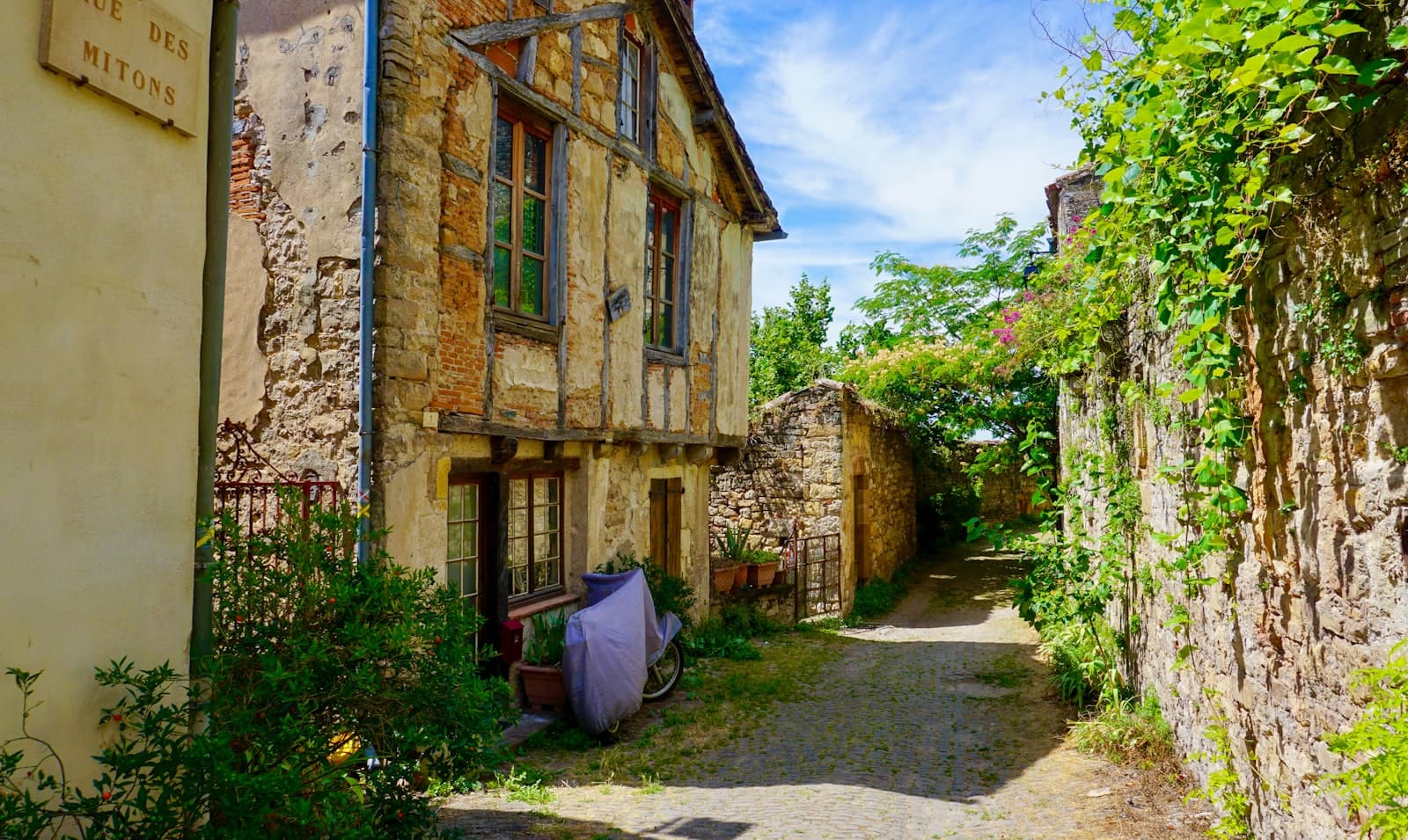

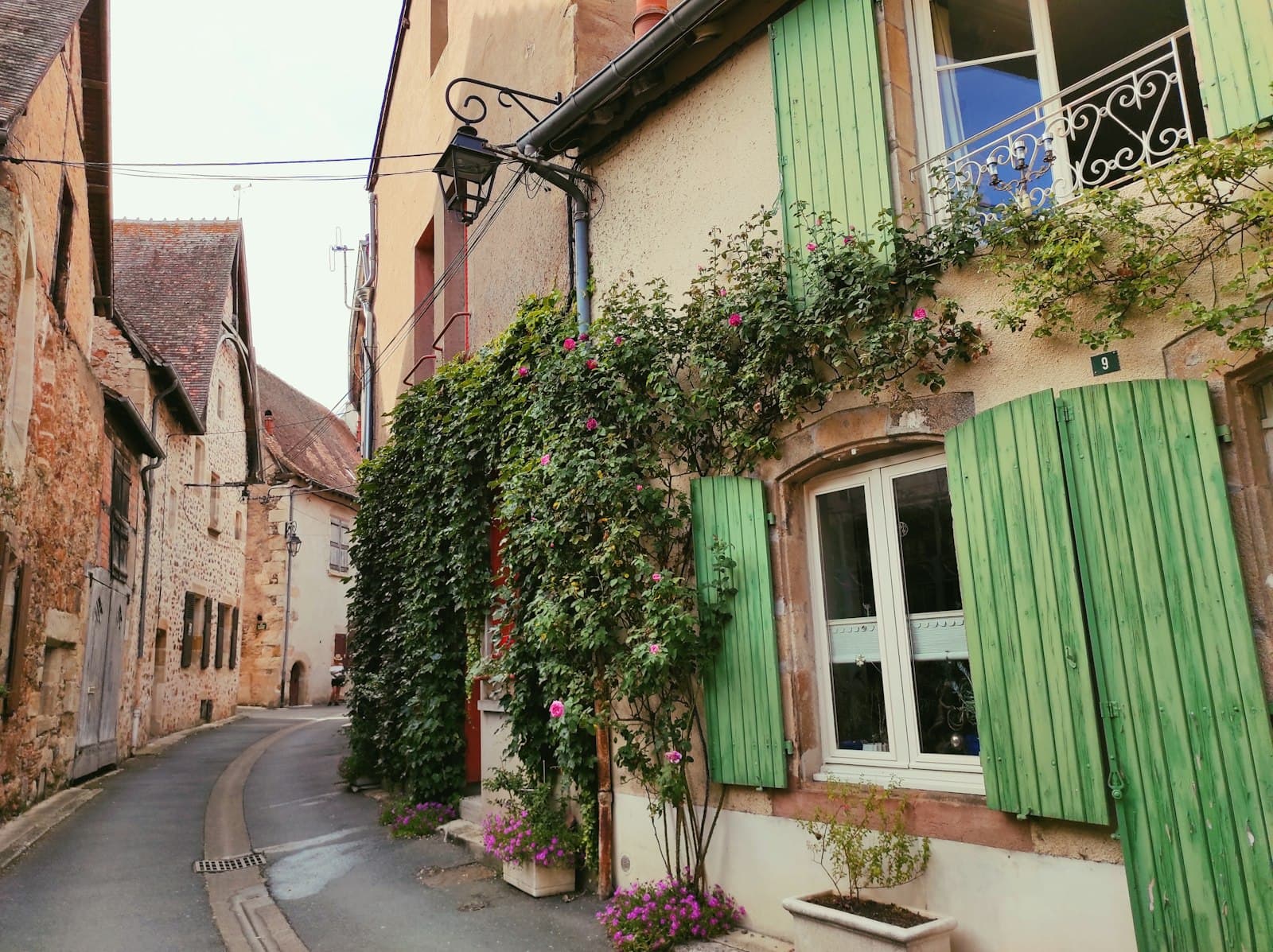
Your self-guided audio tour of Mortagne-sur-Sèvre is ready — pick your landmarks, choose your language, and start the moment you arrive.
BuyLume has a built-in augmented-reality guide. Hold your phone up and its camera shows the street ahead of you, with a glowing arrow laid over the real view that always points to your next stop — no map to puzzle over, no wrong turns. Like everything in Lume, it works fully offline.
Mortagne-sur-Sèvre, a commune in the Vendée department of France, sits where the Sèvre Nantaise river meanders through the landscape. This town, with its enduring structures and natural setting, offers a contemplative experience for those who wander its paths. The river itself, a central feature, has shaped both the geography and the historical narrative of the area.
Visitors will find a sense of quietude here, a place where the passage of time is evident in the stone and water. The town's character is defined by its relationship with the river and its long-standing architectural elements, inviting exploration at a measured pace. It is a location that encourages observation and reflection, rather than hurried sightseeing.
The origins of Mortagne-sur-Sèvre stretch back to antiquity, with evidence suggesting early human settlements in the area. The strategic importance of its location, particularly its proximity to the Sèvre Nantaise river, made it a desirable place for habitation and defense. During the early medieval period, the region began to solidify its identity, with local lords establishing control and laying the groundwork for the structures that would define the town for centuries.
The medieval era saw the construction of significant fortifications, including the Château de Mortagne-sur-Sèvre. This castle, while undergoing numerous transformations over time, served as a vital stronghold, witnessing conflicts and power shifts that shaped the broader region. Its walls could recount tales of sieges, alliances, and the daily lives of those who lived within its protection. The town's layout and early economy were intrinsically linked to the castle and the river, with trade and agriculture forming the backbone of its prosperity.
The Wars of Religion in the 16th century brought considerable upheaval to Mortagne-sur-Sèvre. The town, like many in France, found itself caught between opposing factions, leading to periods of destruction and rebuilding. Churches and other religious sites often bore the brunt of these conflicts, reflecting the intense ideological struggles of the time. Despite the devastation, the community demonstrated resilience, continually working to restore and preserve its cultural and spiritual heritage.
The French Revolution in the late 18th century once again plunged Mortagne-sur-Sèvre into turmoil, particularly during the Vendée Wars. This period was marked by fierce fighting and widespread destruction, as royalist and republican forces clashed across the Vendée region. The town experienced significant losses, both in terms of human life and architectural integrity. The scars of this conflict were deep, and the memory of these events remains a powerful part of the local identity, influencing monuments and historical narratives.
Following the revolutionary period, Mortagne-sur-Sèvre began a slow but steady process of recovery and modernization. The 19th and 20th centuries saw the emergence of various industries, particularly those related to the river, such as mills and tanneries. These enterprises brought new economic opportunities and altered the landscape, as industrial sites like Fleuriais developed along the Sèvre Nantaise. While these industries provided employment and contributed to the local economy, some also left an environmental legacy that required later attention.
In the contemporary era, Mortagne-sur-Sèvre has embraced its natural surroundings and its historical character. Efforts have been made to preserve its architectural heritage and to address the environmental impacts of past industrial activities. The town now balances its agricultural roots with a focus on local tourism and community life, inviting visitors to explore its enduring charm and reflect on its layered past. The Sèvre Nantaise continues to be a defining feature, offering both natural beauty and a connection to the town's long and complex story.
Begin your exploration at the Château de Mortagne-sur-Sèvre, a structure that has witnessed centuries of local history. Its stone walls and grounds invite contemplation of its past roles. Wander along the Sèvre Nantaise riverbanks, where the flow of water provides a serene backdrop for a stroll. The river itself, sometimes called the 'Sèvre of the rolling menhirs' due to its granite riverbed, offers a unique natural feature. Consider visiting the Fleuriais Industrial Site, a location that reveals the town's industrial past and its environmental legacy. The site, once home to various mills and a tannery, now serves as a reminder of the area's economic evolution and the ongoing efforts towards ecological restoration. The local churches and older buildings scattered throughout the town also offer glimpses into its architectural and spiritual heritage, each stone telling a part of Mortagne-sur-Sèvre's enduring narrative.
The most agreeable times to visit Mortagne-sur-Sèvre are during the spring and autumn months. In spring, the landscape awakens with fresh greenery and mild temperatures, ideal for river walks and outdoor exploration. Autumn brings a palette of warm colors to the trees lining the Sèvre Nantaise, offering a peaceful atmosphere for contemplation and photography. Summers are generally pleasant, though can be warmer, while winters are cooler and quieter, providing a different, more subdued experience of the town.
Mortagne-sur-Sèvre is accessible by car, with local roads connecting it to larger towns in the Vendée region. Public transport options are limited, so a personal vehicle is recommended for exploring the town and its surroundings. Accommodation includes a selection of guesthouses and smaller hotels, offering a comfortable stay. Dining options feature local French cuisine, with several restaurants providing traditional dishes. It is advisable to reserve tables, especially during peak seasons. Basic amenities such as grocery stores and pharmacies are available within the town.
Mortagne-sur-Sèvre in Korean, in Chinese or in Hebrew — and 29 more languages, every stop narrated by a native voice. The widest language range of any self-guided audio tour.
Available in: