Lac de Nemi
Sous la surface sereine du lac de Nemi repose une flotte secrète, non pas de navires de guerre, mais d'indulgence impériale.
L'histoire complète se débloque dans le tour
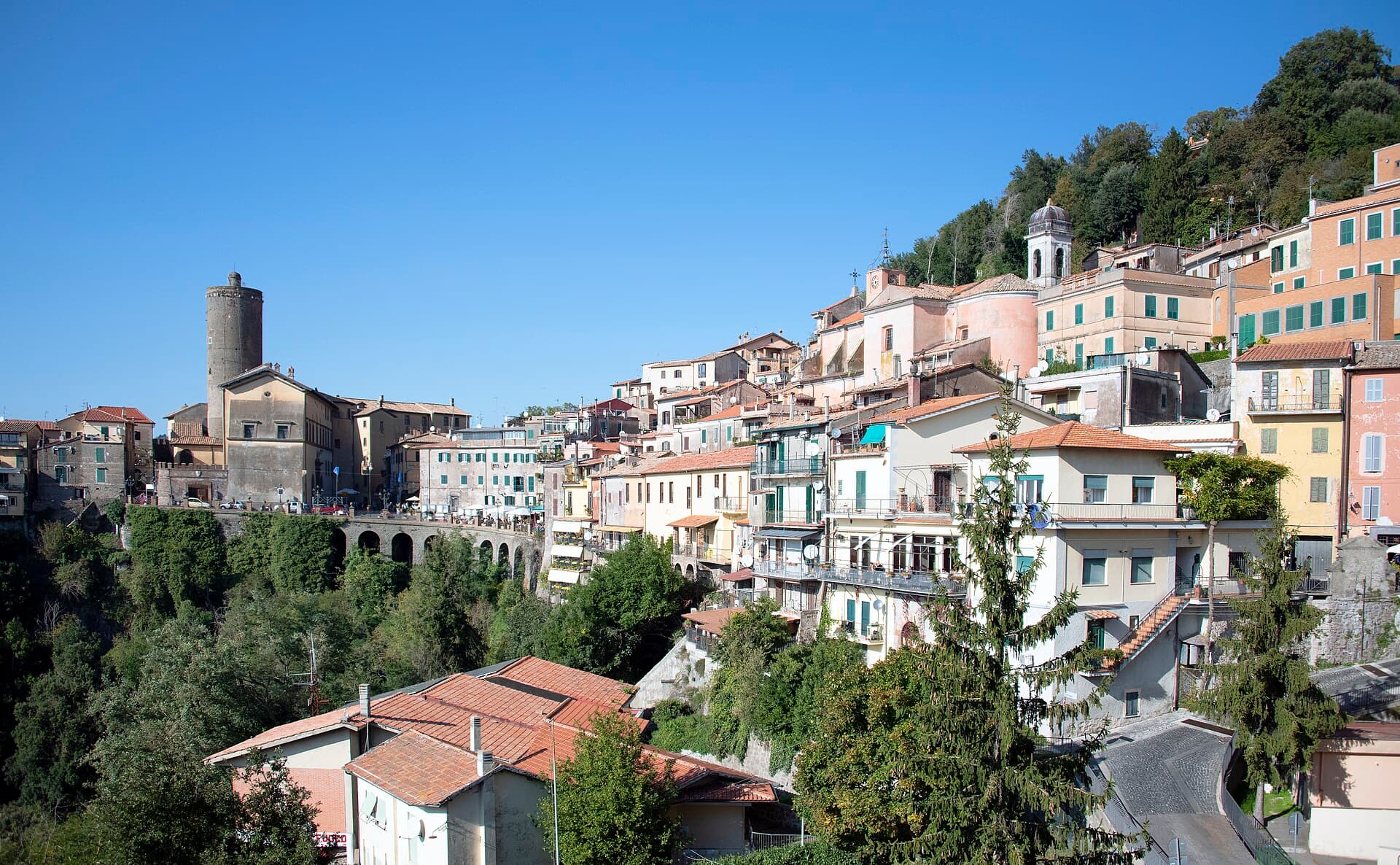 User:New2022 / CC BY-SA 4.0, via Wikimedia Commons
Visite audio autoguidée de Nemi — parcours GPS à pied, lecture hors ligne, narration en 32 langues.
“Là où les mythes anciens persistent et les fraises des bois embaument l'air.”
Pas les cartes postales. Les histoires que même les habitants ignorent — soufflées à l'oreille, là où elles se sont passées.
Sous la surface sereine du lac de Nemi repose une flotte secrète, non pas de navires de guerre, mais d'indulgence impériale.
Le prêtre du bois sacré de Diane occupait une position unique et périlleuse, acquise par un rituel mortel.
Le calme apparemment naturel du lac de Nemi était, en fait, un ancien exploit d'ingénierie.
Découvrez tous les secrets de Nemi
Chaque adresse, chaque révélation en entier — dans ton oreille, là où elle s'est passée.
Tu choisis tes lieux. Tu marches. La voix te révèle ce que les autres ignorent.

Votre visite audioguidée de Nemi vous attend — choisissez vos lieux, votre langue, et lancez-vous dès votre arrivée.
AcheterLume intègre un guide en réalité augmentée. Levez votre téléphone : sa caméra montre la rue devant vous, avec une flèche lumineuse posée sur l'image réelle qui pointe toujours vers votre prochain arrêt — aucune carte à déchiffrer, aucun mauvais virage. Comme tout dans Lume, ça fonctionne entièrement hors-ligne.
Au-dessus du lac de Nemi, serein et presque parfaitement circulaire, ce village médiéval des collines Albaines offre un mélange captivant d'histoire ancienne, de folklore et de beauté naturelle. Souvent appelé le 'Miroir de Diane' en raison de son passé sacré, Nemi est un lieu où les mythes semblent tangibles et l'air est souvent parfumé par l'arôme doux de ses célèbres fraises des bois. À seulement 30 kilomètres au sud de Rome, il offre une évasion tranquille de l'agitation de la ville, invitant les visiteurs à explorer ses rues étroites et ses vues imprenables.
L'attrait de Nemi s'étend au-delà de son cadre pittoresque. C'est une destination qui a attiré poètes, peintres et pèlerins pendant des siècles, tous captivés par son atmosphère unique. Des vestiges d'un ancien culte romain dédié à Diane Némorense à la célébration moderne de ses précieuses fragoline di bosco, Nemi offre une expérience immersive dans la tradition italienne et un avant-goût de la dolce vita.
L'histoire de Nemi est profondément liée à son lac éponyme, un ancien cratère volcanique connu dans l'Antiquité sous le nom de Speculum Dianae, ou 'Miroir de Diane'. Bien avant l'existence de la ville moderne, cette région abritait le vénéré Sanctuaire de Diane Némorense, un centre religieux majeur pour la Ligue latine. Le culte de Diane, déesse de la chasse, de la nature sauvage, de la lune et de l'accouchement, a prospéré ici à partir du 6e siècle av. J.-C. au moins. Le sanctuaire était un complexe énorme, s'étendant sur environ 45 000 mètres carrés, construit sur plusieurs terrasses avec des portiques et des niches pour les statues. Le culte était unique par sa prêtrise, le Rex Nemorensis, un esclave en fuite qui gagnait sa position en tuant son prédécesseur lors d'un combat rituel – une tradition qui a perduré même à l'époque romaine.
Sous la domination romaine, l'importance du Temple de Diane a continué, avec des empereurs comme Caligula organisant même de somptueuses célébrations sur ses énormes navires ancrés dans le lac. Ces deux barges de plaisance colossales, construites au 1er siècle après J.-C., témoignaient de l'extravagance impériale, avec du marbre, des mosaïques et une plomberie avancée. Après la mort de Caligula, les navires ont été coulés et sont restés au fond du lac pendant des siècles jusqu'à leur récupération dans les années 1930, pour être tragiquement détruits par un incendie en 1944.
La ville médiévale de Nemi elle-même a commencé à prendre forme vers le 9e siècle avec la construction d'un château, le Castrum Nemorensis. Cette structure, qui a évolué pour devenir l'actuel Palazzo Ruspoli, a vu une succession de familles puissantes comme propriétaires, y compris les Comtes de Tusculum, les Frangipane, Colonna, Orsini et Ruspoli. La position stratégique de la ville sur une falaise surplombant le lac offrait des défenses naturelles, contribuant à son développement pacifique sous les moines trappistes au 12e siècle. Aux 19e et 20e siècles, Nemi est devenue une étape populaire du Grand Tour, attirant des visiteurs de renom attirés par ses vues pittoresques et son attrait antique.
Aujourd'hui, Nemi est célébrée non seulement pour son importance historique mais aussi pour ses traditions agricoles, en particulier ses petites fraises des bois (fragoline di bosco) intensément sucrées. Ces baies, cultivées dans le sol volcanique autour du lac, sont la pièce maîtresse de la Fête annuelle de la Fraise, une tradition datant de 1922 qui attire des milliers de visiteurs chaque mois de juin.
Le centre médiéval compact de Nemi est parfait pour une promenade tranquille, offrant des ruelles pittoresques et des boutiques d'artisans. Le principal monument de la ville est le Palazzo Ruspoli, un ancien château médiéval transformé en résidence noble, avec sa distinctive 'Tour Sarrasine' de 40 mètres de haut dominant l'horizon et offrant des vues étendues.
Sous la ville, sur la rive nord du lac de Nemi, se trouvent les vestiges archéologiques du Temple de Diane Némorense. Bien qu'une grande partie du vaste sanctuaire reste non excavée, les visiteurs peuvent toujours explorer le site, y compris les vestiges de ses terrasses et de ses substructures, et imaginer les anciens rituels qui s'y déroulaient autrefois.
À une courte distance des ruines du temple se trouve le Musée des Navires Romains (Museo delle Navi Romane). Ce musée unique, construit dans les années 1930, a été conçu pour abriter les deux énormes barges de plaisance de l'empereur Caligula récupérées du lac. Bien que les navires originaux aient été détruits, le musée expose des artefacts fascinants, y compris des raccords en bronze, des ancres et d'impressionnantes maquettes au cinquième qui donnent vie à ces merveilles antiques.
Pour des vues panoramiques, dirigez-vous vers le Belvedere degli Innamorati (Terrasse des Amoureux), qui offre des vues imprenables sur le lac de Nemi. Au-delà du village, des sentiers de randonnée autour du lac offrent des opportunités de promenades dans la nature, vous permettant d'apprécier la beauté sereine du 'Miroir de Diane' et des collines Albaines environnantes.
Le meilleur moment pour visiter Nemi est pendant les mois de printemps et de début d'été, en particulier avril, mai et juin, lorsque le temps est agréablement chaud et confortable pour l'exploration. Mai et juin sont particulièrement attrayants car c'est la haute saison pour les célèbres fraises des bois de Nemi, culminant avec la vivante Sagra delle Fragole (Fête de la Fraise) qui a lieu le premier dimanche de juin. Juillet et août sont également propices aux activités par temps chaud, avec un ciel clair et des températures maximales moyennes quotidiennes supérieures à 24°C (75°F), bien que le milieu de journée puisse être assez chaud. L'automne, en particulier septembre et octobre, offre également un temps agréable avec des températures confortables pour les visites touristiques.
Nemi est facilement accessible depuis Rome, située à environ 30 kilomètres au sud. En voiture, il faut compter environ 50 minutes de trajet. Alternativement, vous pouvez prendre un train depuis la gare de Rome Termini jusqu'à Albano Laziale ou Velletri, puis un bus local vous mènera directement à Nemi. Bien que Nemi soit petite, sa position élevée signifie qu'il peut faire un peu plus frais que les zones environnantes, même en été, alors pensez à apporter des couches. La vie à Nemi, comme dans de nombreuses petites villes italiennes, se déroule à un rythme plus lent ; les restaurants ne pressent pas les convives, et le service peut être plus détendu que ce à quoi certains visiteurs sont habitués. Adoptez la dolce far niente – la douceur de ne rien faire. De nombreux magasins locaux sont spécialisés dans les produits à base de fraises, des liqueurs et confitures aux gâteaux et glaces, offrant de délicieux souvenirs et friandises. Le village est généralement très accueillant pour les touristes.
Nemi en coréen, en chinois ou en hébreu — et dans 29 autres langues, chaque étape narrée par une voix native. La plus large gamme de langues de tous les audioguides autoguidés.
Disponible en :