The Donjon de Niort
This formidable medieval fortress, constructed by English monarchs, safeguards a surprising aspect within its weathered walls, beyond its curated museum displays.
Full story unlocks in the tour
 dynamosquito from France / CC BY 2.0, via Wikimedia Commons
Self-guided audio walking tour of Niort — GPS route, offline playback, story-driven narration in 32 languages.
“Where ancient fortifications meet flowing waters and modern endeavor.”
Not the postcards. The stories even locals don't know — whispered in your ear, right where they happened.
This formidable medieval fortress, constructed by English monarchs, safeguards a surprising aspect within its weathered walls, beyond its curated museum displays.
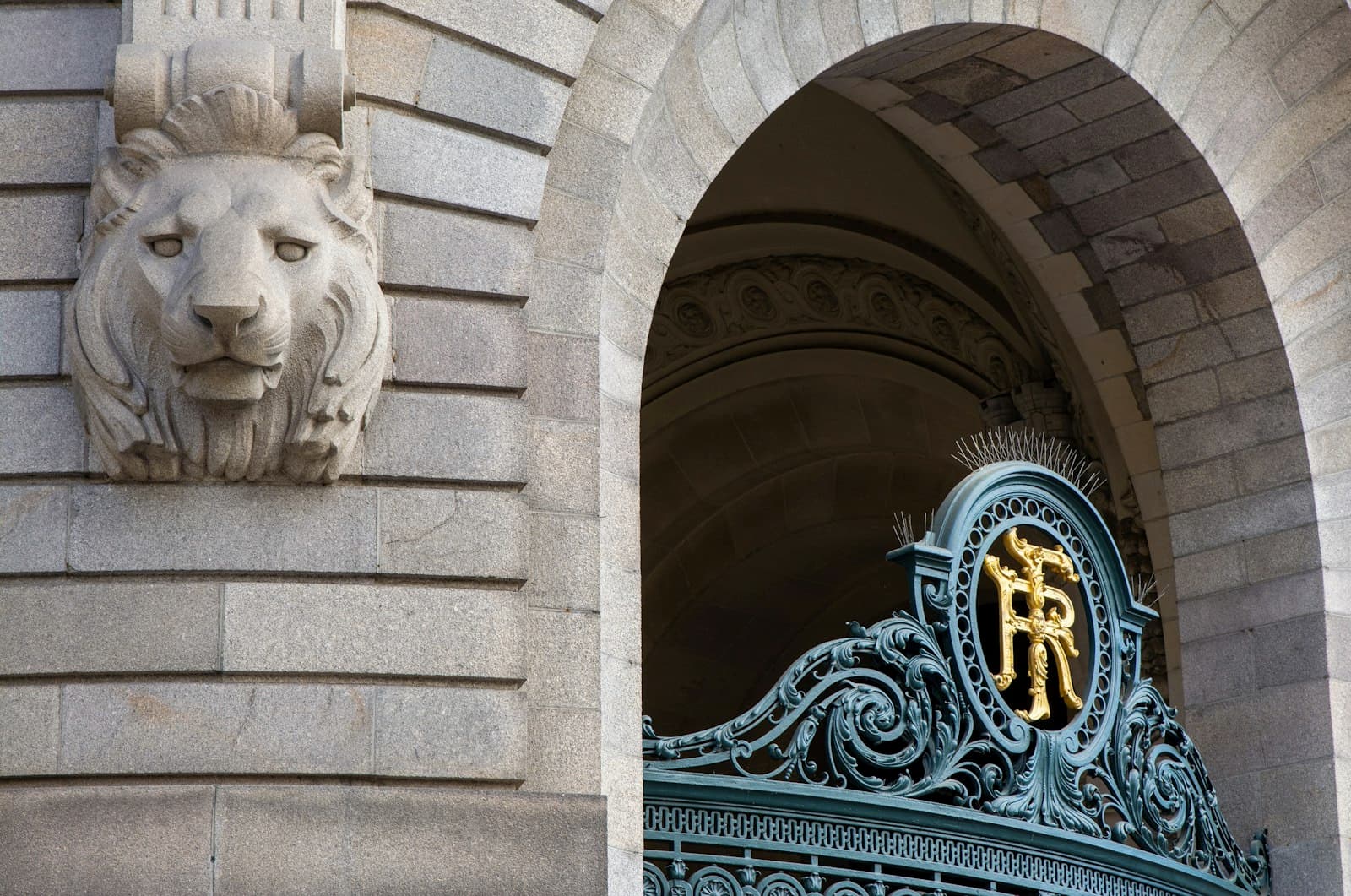
Strolling through Niort's primary shopping thoroughfares, you might encounter some unusual inhabitants that are more than mere adornments.
Niort's lively market hall, a striking example of 19th-century architecture, possesses a distinctive characteristic that mirrors its enduring purpose.
Discover every secret of Niort
Every address, every reveal in full — in your ear, right where it happened.
You pick your stops. You walk. The voice reveals what the others miss.
Your self-guided audio tour of Niort is ready — pick your landmarks, choose your language, and start the moment you arrive.
BuyLume has a built-in augmented-reality guide. Hold your phone up and its camera shows the street ahead of you, with a glowing arrow laid over the real view that always points to your next stop — no map to puzzle over, no wrong turns. Like everything in Lume, it works fully offline.
Niort, a city in western France, rests on the scenic banks of the Sèvre Niortaise River within the Nouvelle-Aquitaine region. It serves as an entryway to the Marais Poitevin Natural Park, often called "Green Venice," a distinctive expanse of marshlands where canals replace thoroughfares. Despite its standing as a significant financial hub, recognized as France's "social economy capital," Niort has maintained a character that interweaves contemporary commerce with medieval avenues.
The city offers a graceful balance of urban comfort and natural allure, with its verdant spaces harmoniously intertwining with historical locations. Niort is acknowledged as one of France's "greenest" cities, featuring the Coulée Verte, a picturesque "green corridor" along the Sèvre Niortaise River, ideal for walks, jogs, or bicycle rides. With a population exceeding 58,000, Niort stands as the principal city of the Deux-Sèvres department.
## From Roman Foundations to Royal Dominion Niort's origins can be traced back to the Gallo-Roman period, experiencing considerable growth during the Middle Ages. The city developed around a 12th-century castle, erected by Henry II of England and his son Richard I (the Lion-Heart). This strategic position on the Sèvre Niortaise River, above its silted estuary, rendered it a vital port town during the 12th and 13th centuries, engaging in trade of salt, wine, cereals, and skins.
## A Nexus of Commerce and Conflict A pivotal moment in Niort's history was the granting of a communal charter by Eleanor of Aquitaine in 1203, which bestowed significant rights and freedoms upon its citizens and fostered the emergence of a merchant class. The city became a center for leatherworking and chamois production, industries that would bring Niort international recognition and underpin its economic strength for centuries. However, Niort also endured periods of conflict, becoming a significant Protestant stronghold in western France during the Wars of Religion in the 16th century and suffering considerably after the revocation of the Edict of Nantes in 1685.
## Industrial Expansion and Modern Identity The 18th century marked an economic zenith for Niort, propelled by a surge in leather production and chamois leather manufacturing. The 19th century introduced urban planning focused on broad avenues and public spaces, alongside industrial advancements. The construction of Les Halles market in the latter half of the 19th century, in the Baltard style with metal, cast iron, and glass, symbolized this industrial era. The arrival of the railway in 1856 further connected Niort to major cities like Paris and Bordeaux, stimulating urban expansion. Today, Niort is recognized as a leading financial center in France, particularly for mutual insurance and banking companies, a role it has maintained since 1934.
Begin your exploration at the Donjon de Niort, a grand 12th-century fortress featuring two substantial square towers. This impressive example of Romanesque military architecture houses a museum with ethnographic and archaeological collections, and its rooftop provides expansive city views. Nearby, the Pilori, a 16th-century former town hall, stands as another architectural highlight.
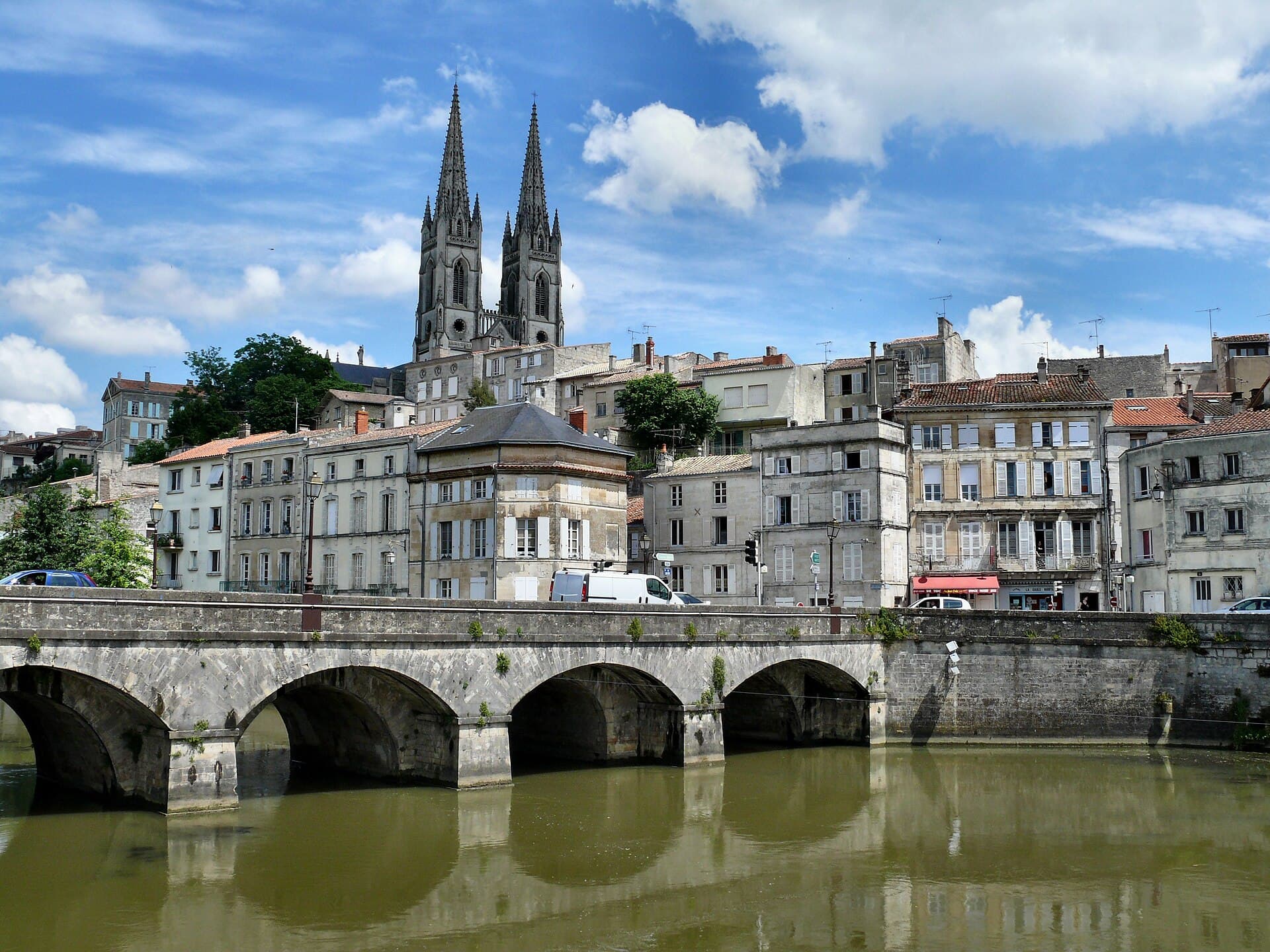
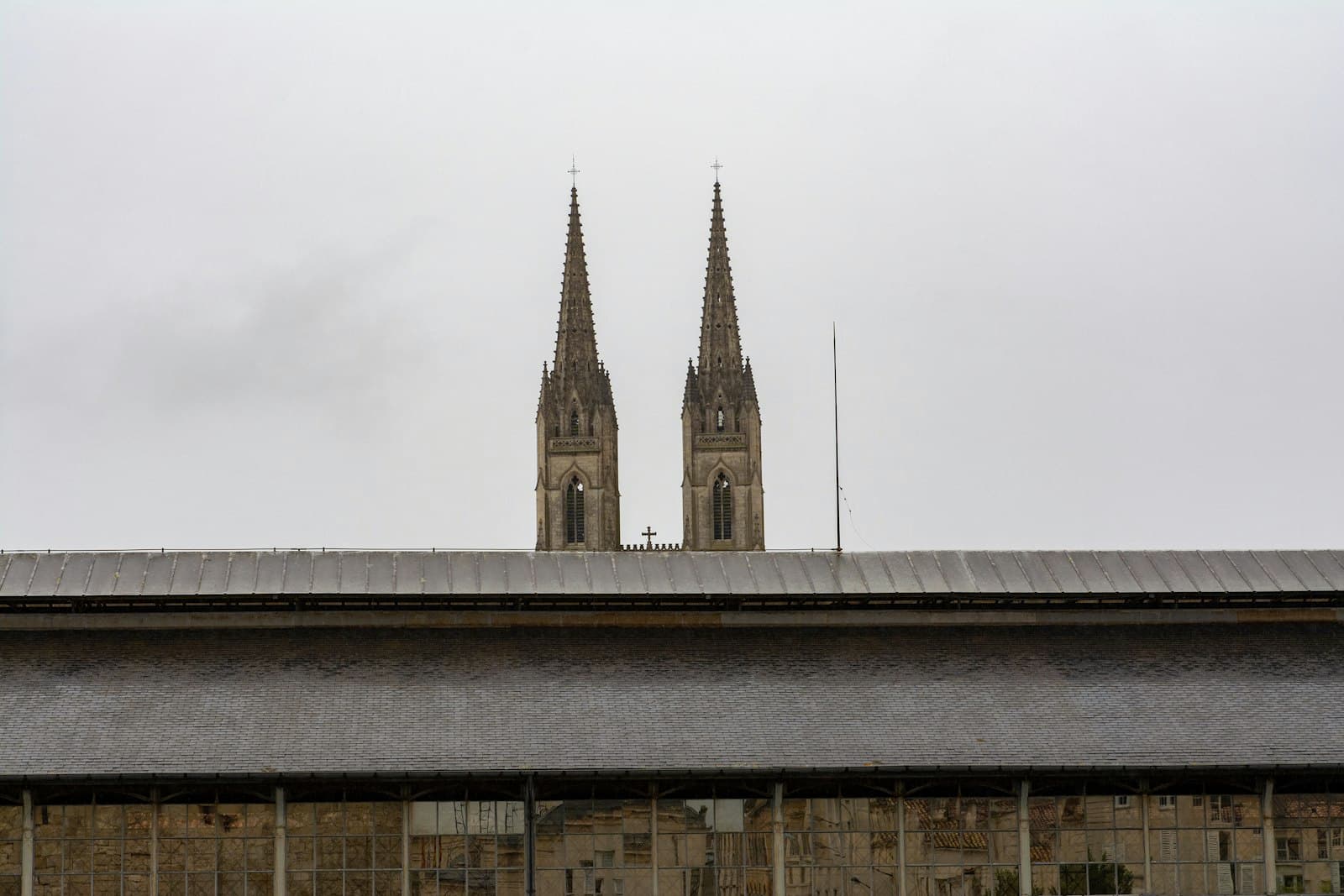
Wander through the pedestrianized old town, where historic structures intermingle with contemporary shops and cafes. The Halles de Niort, a glass and metal market hall constructed in 1869, offers a lively space to discover local gastronomy. Do not overlook the Notre-Dame Church, a 15th-16th century Gothic edifice with a 75-meter high spire. The Église Saint André, rebuilt in the 19th century in Gothic Revival style, features twin spires that reach 70 meters. For a breath of fresh air, the Coulée Verte offers a picturesque "green corridor" along the Sèvre Niortaise River, perfect for a leisurely walk or bicycle ride. The Marais Poitevin Natural Park, often referred to as "Green Venice," is readily accessible from Niort and provides boat excursions through its distinctive marshlands.
The most agreeable weather for visiting Niort generally occurs from May through September. During these months, temperatures are comfortable for exploring, with average highs in July and August reaching approximately 26-27°C (79-81°F). July is also the sunniest month, with about 9.1 hours of daily sunshine. While spring and autumn offer pleasant coolness, they can present a higher incidence of cloudy and rainy days. Winters are cool and damp, with December and January being the wettest months.
Niort is readily accessible by train, with a high-speed TGV railway station connecting it to Paris Montparnasse in about two hours and fifteen minutes. The city is also a significant road nexus, with the A10 motorway linking Paris and Bordeaux, and other routes connecting to Nantes and La Rochelle. The closest major airport is La Rochelle (LRH), approximately 58 kilometers away, requiring a drive of about an hour.
Niort is noteworthy for offering free public transport throughout the city. The city center is largely pedestrianized, making it pleasant to explore on foot. The Tourist Office of Niort - Marais Poitevin, located at 1 rue de la Chamoiserie, Port Boinot, provides helpful information for visitors.
Niort in Korean, in Chinese or in Hebrew — and 29 more languages, every stop narrated by a native voice. The widest language range of any self-guided audio tour.
Available in: