Norwalk River
The Norwalk River witnessed a somber milestone in early American rail travel.
Full story unlocks in the tour
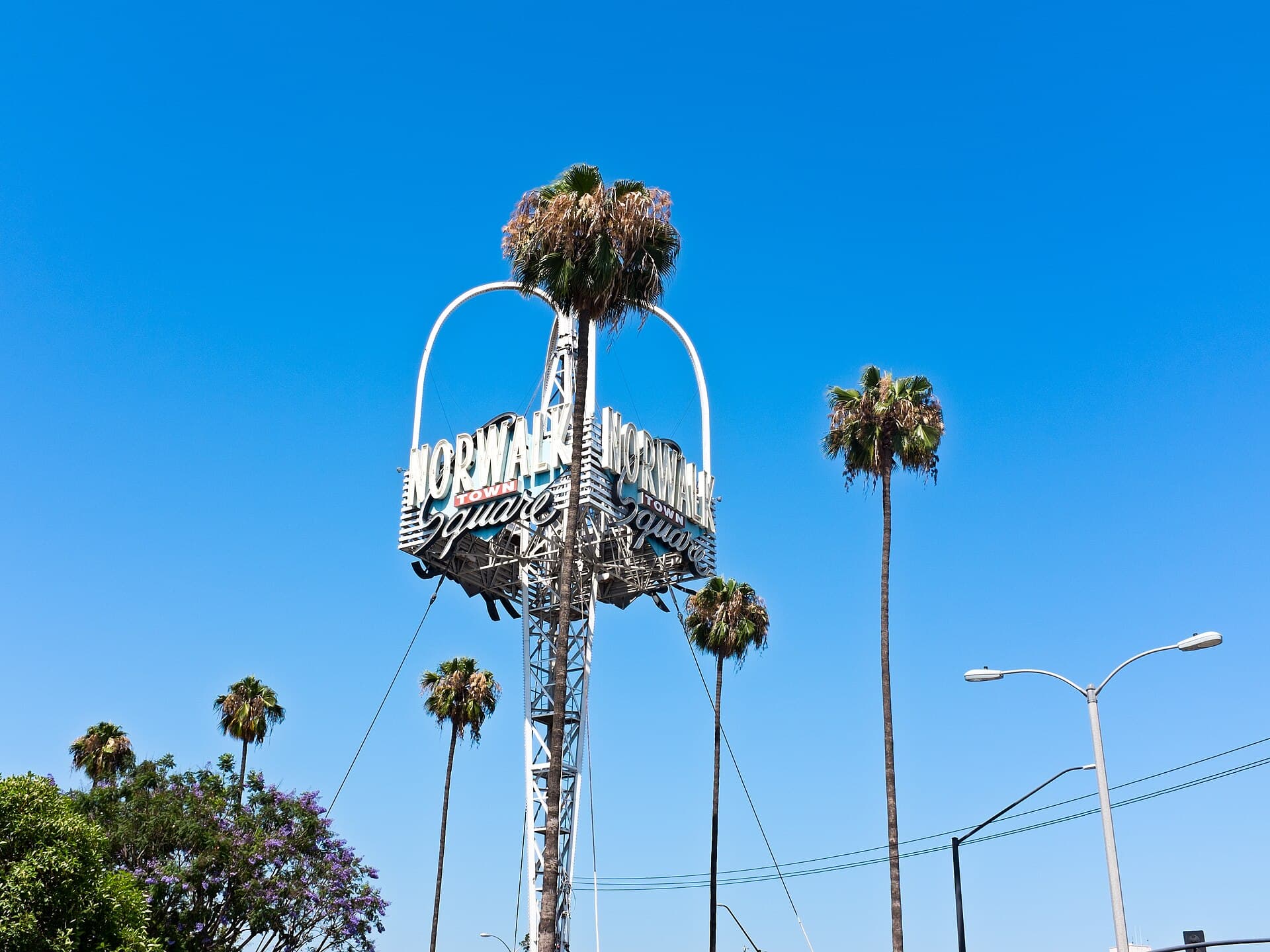 Northwalker / CC0, via Wikimedia Commons
Self-guided audio walking tour of Norwalk — GPS route, offline playback, story-driven narration in 32 languages.
“Where the sea's enduring legacy shapes a lively present along the Long Island Sound.”
Not the postcards. The stories even locals don't know — whispered in your ear, right where they happened.
The Norwalk River witnessed a somber milestone in early American rail travel.
A grand 19th-century estate nearly succumbed to the march of modern development.
Norwalk's identity as 'Oyster Town' stems from more than just its abundant harvests.
Discover every secret of Norwalk
Every address, every reveal in full — in your ear, right where it happened.
You pick your stops. You walk. The voice reveals what the others miss.
Your self-guided audio tour of Norwalk is ready — pick your landmarks, choose your language, and start the moment you arrive.
BuyLume has a built-in augmented-reality guide. Hold your phone up and its camera shows the street ahead of you, with a glowing arrow laid over the real view that always points to your next stop — no map to puzzle over, no wrong turns. Like everything in Lume, it works fully offline.
Norwalk, Connecticut, unfolds along the Long Island Sound, a city where maritime traditions meet contemporary life. Its shoreline, dotted with islands and inlets, offers a compelling landscape for both residents and visitors. The city's character is shaped by its deep connection to the water, evident in its bustling harbor and the rhythmic ebb and flow of the tides.
Walk through its distinct neighborhoods, each with its own rhythm. From the historic architecture that speaks of earlier eras to the lively districts filled with shops and eateries, Norwalk presents a varied experience. The city embraces its coastal identity, providing opportunities for exploration on the water and along its scenic paths.
Norwalk's origins trace back to its purchase from Native American tribes in 1640 by Roger Ludlow. English settlers officially established the town in 1651. Its early economy relied heavily on agriculture and coastal trade, with farmers cultivating the fertile lands and merchants engaging in commerce along the Norwalk River and Long Island Sound. During the American Revolutionary War, Norwalk suffered a significant blow when British forces, under the command of General William Tryon, burned much of the town in 1779. Despite the devastation, residents demonstrated resilience, rebuilding their homes and businesses in the aftermath.
The 19th century brought a period of considerable expansion to Norwalk. The city's natural harbor facilitated a thriving maritime industry, with shipbuilding becoming a prominent activity. Schooners and sloops were constructed along the riverbanks, supporting both local trade and distant voyages. The oyster industry, in particular, experienced a boom, transforming Norwalk into a major center for oyster cultivation and export. Innovations in transportation, including the arrival of the railroad in the mid-1800s, further connected Norwalk to larger markets, stimulating industrial development. Factories producing everything from hats to locks began to emerge, diversifying the local economy.
As the 20th century progressed, Norwalk continued to evolve. Suburbanization trends led to population growth, and the city became an attractive residential area for those working in nearby urban centers. Urban renewal projects in the mid-20th century reshaped parts of the city, aiming to modernize infrastructure and revitalize commercial districts. While some historic structures were lost during this period, community efforts also preserved significant landmarks, such as the Lockwood-Mathews Mansion. Today, Norwalk maintains its identity as a coastal community with a diverse economy, blending its historical roots with modern amenities and a forward-looking perspective.
Explore the Lockwood-Mathews Mansion Museum, an impressive example of Victorian architecture, offering a glimpse into Gilded Age extravagance. Wander through its meticulously preserved rooms and grounds. Visit the Maritime Aquarium at Norwalk, where marine life from the Long Island Sound and beyond is on display, providing educational experiences for all ages. Stroll through Calf Pasture Beach Park, a expansive waterfront area offering views of the Sound, walking paths, and recreational facilities. Discover the SoNo Collection, a contemporary shopping destination featuring a variety of retailers and dining options. For a taste of local history, the Norwalk Historical Society Museum presents exhibits on the city's past. Consider a boat trip to the Sheffield Island Lighthouse, a historic beacon accessible by ferry, offering panoramic views and a chance to explore a secluded island.
The shoulder seasons, spring and fall, offer pleasant temperatures and fewer crowds, ideal for exploring the city's outdoor attractions and waterfront. Summer brings warm weather perfect for beach activities and boat excursions, though it is also the busiest time. Winters are cooler, with a quieter atmosphere, suitable for indoor museums and cozy dining.
Norwalk is accessible via Metro-North Railroad, with stations in South Norwalk (SoNo) and East Norwalk. Major highways like I-95 and Route 7 also serve the city. Parking is available in various municipal lots and garages, particularly in the SoNo area. Public transportation within the city is provided by Norwalk Transit District buses. Consider walking or cycling in the more compact downtown and waterfront areas. Many restaurants and attractions are within reasonable proximity, especially in the SoNo district.
Norwalk in Korean, in Chinese or in Hebrew — and 29 more languages, every stop narrated by a native voice. The widest language range of any self-guided audio tour.
Available in: