Iglesia Episcopal de St. John
Bajo las solemnes piedras de esta iglesia histórica yace un pasaje secreto, no para escapar, sino para algo mucho más íntimo.
La historia completa se desbloquea en el tour
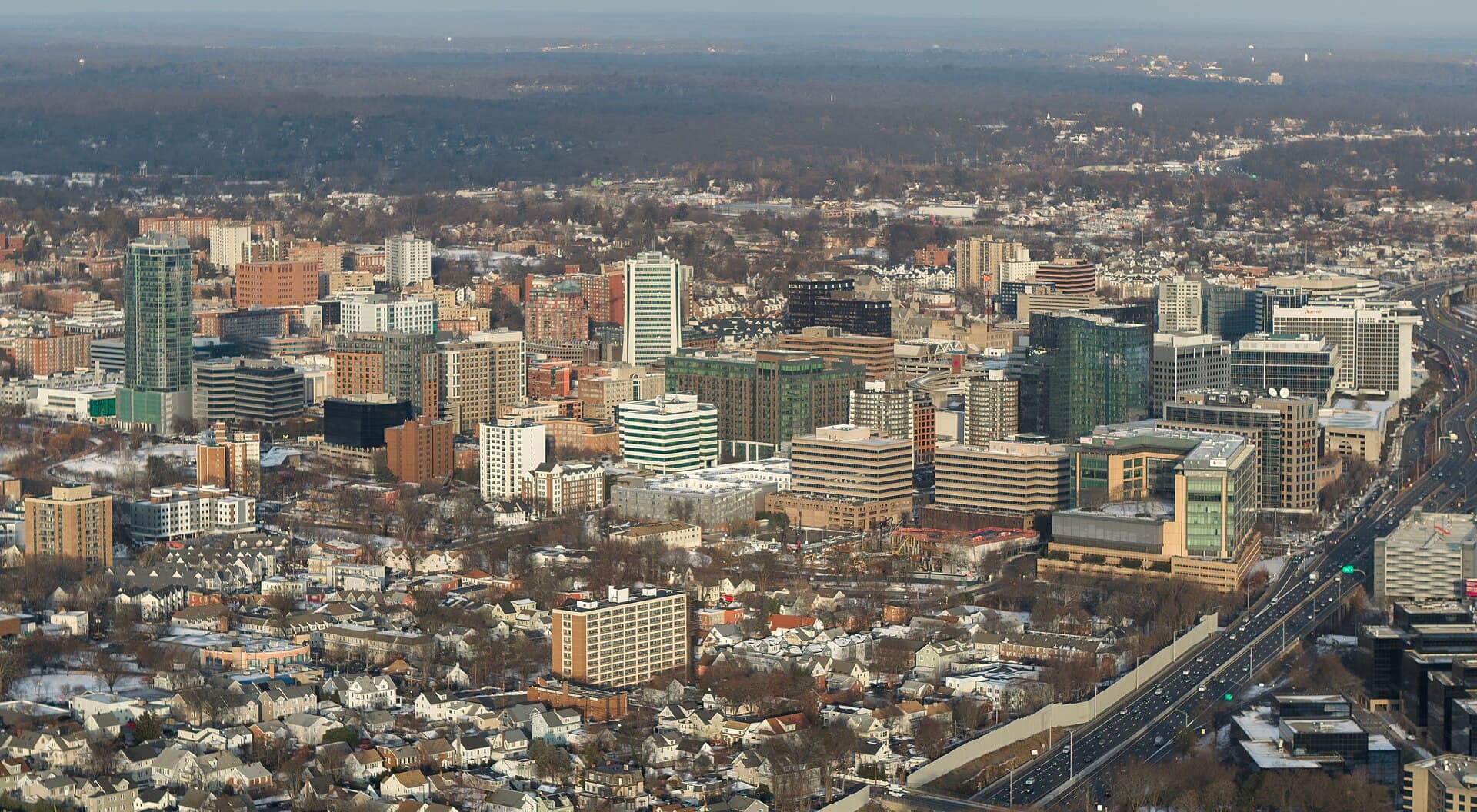 Quintin Soloviev / CC BY 4.0, via Wikimedia Commons
Tour de audio autoguiado de Stamford — ruta GPS a pie, reproducción offline, narración en 32 idiomas.
“Más allá de las torres de cristal, las historias no contadas de Stamford susurran desde fincas olvidadas y campos de batalla revolucionarios.”
No las postales. Las historias que ni los locales conocen — al oído, justo donde ocurrieron.
Bajo las solemnes piedras de esta iglesia histórica yace un pasaje secreto, no para escapar, sino para algo mucho más íntimo.
Esta casa colonial aparentemente ordinaria guarda un compartimento oculto, diseñado con un propósito desesperado durante un tiempo de conflicto nacional.
Mira de cerca el agua, y podrías imaginar el brillo fantasmal de la plata, una fortuna olvidada perdida en las profundidades.
Descubre todos los secretos de Stamford
Cada dirección, cada revelación al completo — a tu oído, justo donde ocurrió.
Eliges tus paradas. Caminas. La voz te revela lo que los demás ignoran.


Tu tour de audioguía por Stamford te espera — elige tus lugares, tu idioma y empieza al llegar.
ComprarStamford, Connecticut, a menudo reconocida por sus relucientes sedes corporativas y su rápido desarrollo, presenta una paradoja convincente. Por un lado, es un centro urbano moderno, un importante polo económico en el condado de Fairfield, que atrae a viajeros y empresas por igual. Su horizonte, salpicado de arquitectura contemporánea, habla de una ciudad que siempre mira hacia adelante, un testimonio de su evolución de un tranquilo pueblo de Nueva Inglaterra a un dinámico paisaje urbano.
Sin embargo, bajo esta apariencia contemporánea yace una historia profunda y estratificada, una narrativa tejida a través de siglos de asentamientos coloniales, fervor revolucionario e innovación industrial. Desde sus primeros días como comunidad agrícola hasta su transformación en una potencia manufacturera y luego en una capital corporativa, Stamford se ha reinventado continuamente. Este intrincado tejido de pasado y presente ofrece una exploración única para aquellos dispuestos a mirar más allá de lo obvio, revelando una ciudad que es tanto un microcosmo del progreso americano como una guardiana de cuentos olvidados.
## De Rippowam a Stamford: Primeros Asentamientos y Vida Colonial La historia de Stamford comienza mucho antes de su moderno horizonte, con el pueblo Siwanoy, una subtribu de la Confederación Wappinger, que llamaba a la zona Rippowam. Su presencia moldeó la tierra durante siglos antes de la llegada europea. En 1641, un grupo de puritanos ingleses de Wethersfield, Connecticut, buscando libertad religiosa y tierras fértiles, compró el territorio a los Siwanoy. Renombraron el asentamiento Stamford, probablemente por Stamford, Lincolnshire, Inglaterra.
La vida colonial temprana en Stamford se caracterizó por la agricultura, la pesca y un fuerte espíritu comunitario arraigado en los valores puritanos. La ciudad se estableció rápidamente con una casa de reuniones, un molino y un prado común, formando el núcleo de su vida cívica y social. Los desafíos de un nuevo mundo, desde inviernos duros hasta interacciones con tribus nativas americanas, forjaron una población resiliente y autosuficiente.
## Ecos Revolucionarios y un Pueblo Dividido La Revolución Americana trajo un período de intensa división y dificultades a Stamford. Posicionada estratégicamente en el Estrecho de Long Island, la ciudad se encontró atrapada entre las facciones Patriota y Leal. Las escaramuzas, redadas y la constante amenaza de ataque británico se convirtieron en parte de la vida diaria. Muchos residentes se vieron obligados a elegir bandos, lo que llevó a conflictos internos y traiciones que dejaron cicatrices duraderas en la comunidad. Stamford desempeñó un papel en el suministro del Ejército Continental y sirvió como base para corsarios, que hostigaban el transporte marítimo británico.
## Auge Industrial y Grandeza de la Edad Dorada El siglo XIX marcó el comienzo de una era de significativo crecimiento industrial para Stamford. La llegada del ferrocarril en 1848 transformó la ciudad en un centro manufacturero, atrayendo nuevas industrias y una diversa población inmigrante. Fábricas que producían desde cerraduras Yale hasta sombreros y maquinaria surgieron a lo largo del río Rippowam. Este auge industrial trajo prosperidad y una floreciente clase media.
Finales del siglo XIX y principios del XX también vieron a Stamford convertirse en un lugar deseable para los neoyorquinos adinerados que buscaban propiedades rurales. Se construyeron grandes mansiones y extensas propiedades, contribuyendo a la grandeza de la Edad Dorada de la ciudad. Estas fincas, a menudo diseñadas por arquitectos prominentes, se convirtieron en centros de vida social y mecenazgo artístico, añadiendo otra capa a la identidad en evolución de Stamford.
## Capital Corporativa y Transformación Moderna Mediados del siglo XX marcó otro cambio fundamental para Stamford. A medida que la manufactura disminuía, la ciudad se reposicionó estratégicamente como un centro corporativo. La construcción de importantes autopistas y la proximidad a la ciudad de Nueva York la convirtieron en un lugar atractivo para las empresas que buscaban reubicar sus sedes. Esta transformación se aceleró en la segunda mitad del siglo, lo que llevó a la construcción de numerosas torres de oficinas y un cambio dramático en el horizonte de la ciudad.
Hoy, Stamford continúa evolucionando, equilibrando su identidad corporativa con esfuerzos para revitalizar su centro, mejorar su oferta cultural y preservar su perdurable legado histórico. Se erige como un testimonio de adaptación continua, una ciudad que se ha reinventado constantemente mientras se aferra a los ecos de su pasado.
Comience su exploración en el Museo y Centro de la Naturaleza de Stamford, donde podrá pasear por la histórica Mansión Bendel, explorar diversas exhibiciones de animales y caminar por senderos escénicos. Para una visión del pasado colonial de Stamford, visite la Casa Hoyt-Barnum, una de las estructuras más antiguas que se conservan en la ciudad, que ofrece una ventana a la vida del siglo XVIII.
Ninguna visita a Stamford está completa sin ver la Primera Iglesia Presbiteriana, cariñosamente conocida como la 'Iglesia del Pez' debido a su arquitectura única y modernista diseñada por Wallace K. Harrison. Después, dé un tranquilo paseo por Cove Island Park, un oasis frente al mar que ofrece playas, senderos para caminar y oportunidades para observar aves, construido en un terreno con un sorprendente pasado industrial.
Adéntrese en la historia local en la Sociedad Histórica de Stamford, que preserva y comparte el patrimonio perdurable de la ciudad a través de exhibiciones y archivos. Para una muestra de renovación urbana, explore la revitalizada área de Harbor Point, con sus paseos marítimos, restaurantes e instalaciones de arte público, que muestran el desarrollo contemporáneo de Stamford.
Stamford es un destino para todo el año, pero las estaciones intermedias de primavera (abril-mayo) y otoño (septiembre-octubre) ofrecen el clima más agradable para explorar a pie. Las temperaturas son suaves y los parques y áreas naturales de la ciudad son particularmente hermosos con flores en flor o un radiante follaje otoñal. Los veranos pueden ser cálidos y húmedos, mientras que los inviernos suelen ser fríos con nevadas ocasionales, aunque las atracciones interiores permanecen accesibles.
Stamford es fácilmente accesible en coche a través de la I-95 y la Merritt Parkway. El Centro de Transporte de Stamford es un importante centro para Metro-North Railroad, que ofrece servicio frecuente desde y hacia la ciudad de Nueva York, y también sirve como parada de Amtrak. El centro de Stamford es transitable a pie, pero se recomienda un coche para explorar atracciones más lejanas. El servicio de autobús público está disponible a través de CT Transit. Hay estacionamiento disponible en numerosos garajes y plazas de aparcamiento con parquímetro en el centro. Las opciones de alojamiento van desde hoteles corporativos hasta encantadores bed and breakfast en las zonas circundantes. La oferta gastronómica presenta una escena culinaria diversa, desde restaurantes informales hasta establecimientos de lujo, lo que refleja la población multicultural de Stamford.
Stamford en coreano, en chino o en hebreo — y 29 idiomas más, cada parada narrada por una voz nativa. La mayor variedad de idiomas de cualquier audioguía autoguiada.
Disponible en: