Randall's Ordinary
Una modesta granja del siglo XVIII en North Stonington ocultaba un pasaje hacia la libertad.
La historia completa se desbloquea en el tour
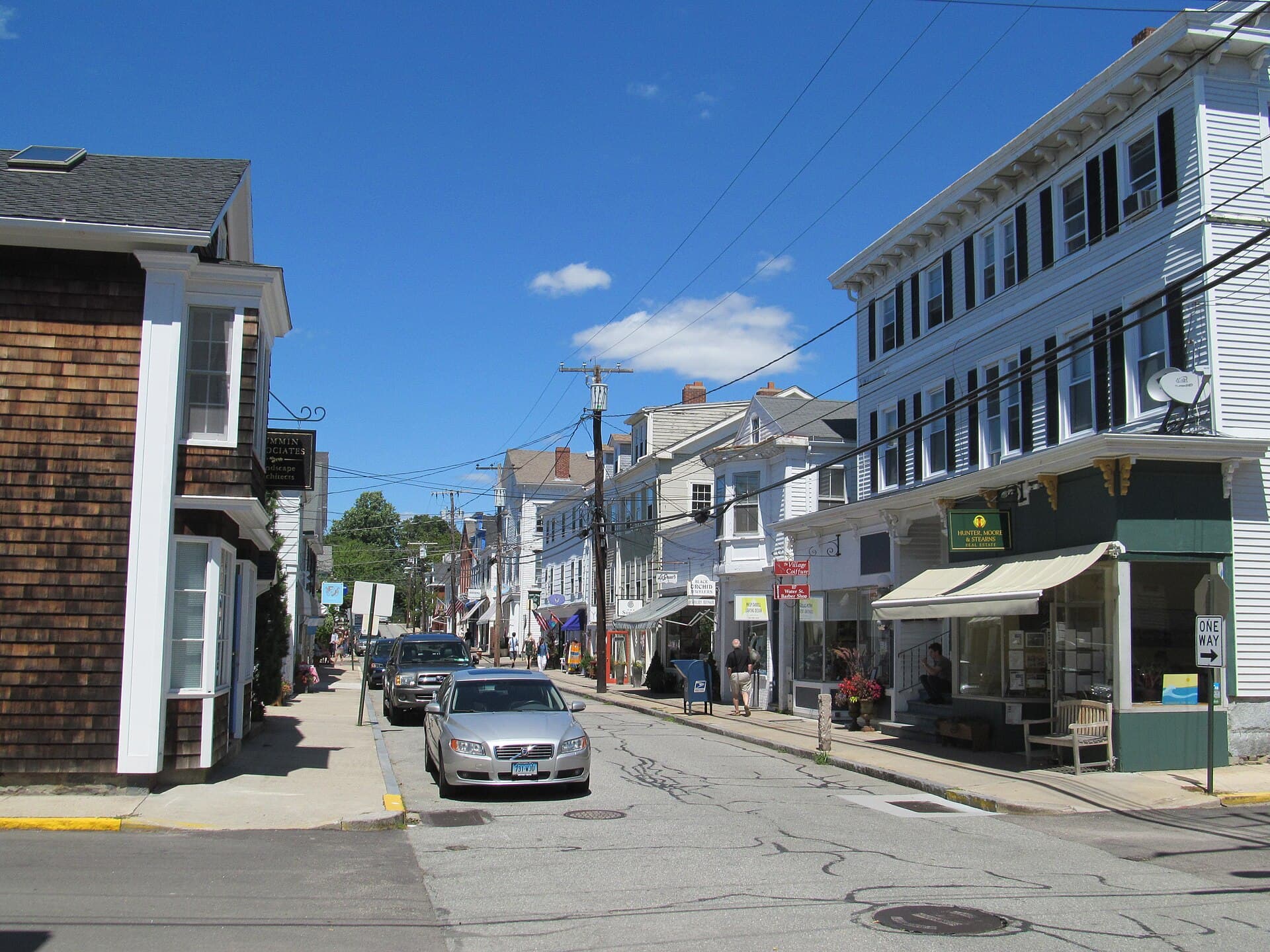 Pi.1415926535 / cc by-sa 3.0, via Wikimedia Commons
Tour de audio autoguiado de Stonington — ruta GPS a pie, reproducción offline, narración en 32 idiomas.
“Donde el aire marino susurra historias de exploradores y gente desafiante.”
No las postales. Las historias que ni los locales conocen — al oído, justo donde ocurrieron.
Una modesta granja del siglo XVIII en North Stonington ocultaba un pasaje hacia la libertad.
Este faro perdurable, a diferencia de muchos faros aislados, ofrecía a su guardián una vida comunitaria sorprendentemente activa.
Durante la Guerra de 1812, Stonington sufrió un formidable asalto británico, sin embargo, la resistencia de la ciudad fue recibida con una evaluación británica bastante caprichosa, quizás incluso irónica, de la destrucción.
Descubre todos los secretos de Stonington
Cada dirección, cada revelación al completo — a tu oído, justo donde ocurrió.
Eliges tus paradas. Caminas. La voz te revela lo que los demás ignoran.
Tu tour de audioguía por Stonington te espera — elige tus lugares, tu idioma y empieza al llegar.
ComprarStonington, Connecticut, es un pueblo costero que se siente menos como un destino a conquistar y más como un secreto a saborear. Votado como uno de los "10 pueblos costeros más bonitos de Nueva Inglaterra" por Yankee Magazine, ofrece una atmósfera más tranquila y relajada que algunos de sus vecinos más concurridos. Aquí, el ritmo se ralentiza, permitiendo paseos tranquilos por calles arboladas, pasando por casas del siglo XVIII y XIX bellamente conservadas, y hasta un puerto de trabajo donde el aroma del aire salado se mezcla con el ritmo diario de la última flota pesquera activa de Connecticut.
El pueblo abarca más que el encantador Stonington Borough, extendiéndose para incluir las aldeas de Pawcatuck, Lords Point, Wequetequock y partes de Mystic y Old Mystic. Esta mezcla única de arquitectura histórica, boutiques independientes, galerías de arte y restaurantes frente al mar crea un entorno evocador que ha atraído a artistas, escritores y exploradores durante siglos. Desde su papel fundamental en la historia temprana de Estados Unidos hasta su atractivo moderno como refugio para quienes buscan el auténtico encanto de Nueva Inglaterra, Stonington te invita a descubrir sus muchas capas.
La historia de Stonington comienza en 1649, cuando a William Chesebrough y Thomas Stanton se les concedió tierra y establecieron los primeros asentamientos europeos. Sin embargo, sus primeros años estuvieron marcados por disputas territoriales. Massachusetts inicialmente reclamó el área en 1658, llamándola "Southertown". Esto cambió en 1662 cuando el gobernador John Winthrop Jr. obtuvo una carta real para Connecticut, solidificando el lugar del pueblo dentro de los límites de la colonia. El nombre cambió nuevamente a "Mystick" en 1665 antes de finalmente establecerse en Stonington en 1666, un nombre que refleja su paisaje rocoso.
Originalmente, la economía de Stonington se basaba en la agricultura y el comercio costero, incluido el comercio con el Caribe. Para el siglo XIX, se había transformado en un bullicioso centro para la construcción naval, la caza de focas y la caza de ballenas, con una importante flota operando desde su puerto. Esta prosperidad marítima llevó a su designación como puerto de entrada en 1842. El pueblo también se convirtió en una terminal crucial de ferrocarril y barco de vapor, conectando Boston y Nueva York, lo que impulsó aún más su crecimiento y atrajo a varias pequeñas empresas e industrias como la Joslyn Fire Arms Company (más tarde Atwood Machine Company) y la American Velvet Mill. La riqueza generada durante este período todavía es visible en las grandes casas que bordean Water Street y Main Street.
La ubicación costera estratégica de Stonington también la colocó a la vanguardia de los conflictos militares. La milicia del pueblo repelió con éxito dos ataques británicos, una vez durante la Revolución Americana y nuevamente durante la Guerra de 1812. Durante el bombardeo de 1814, los ciudadanos clavaron famosamente una gran bandera estadounidense en un poste sobre la batería, un poderoso símbolo de su desafío. En 1801, Long Point se incorporó como el Borough de Stonington, lo que lo convierte en el borough continuo más antiguo de Connecticut. Más allá de su historia militar y económica, Stonington tiene un legado de exploración, notablemente como el hogar del Capitán Nathaniel B. Palmer, quien descubrió la Antártida en 1820 a la temprana edad de 21 años. Hoy, Stonington conserva esta herencia a través de sus sitios históricos, museos y una comunidad dedicada a su pasado único.
Stonington también ha sido un refugio tranquilo para figuras literarias. El célebre poeta estadounidense del siglo XX James Merrill, el primer poeta laureado de Connecticut, residió en Stonington durante cuatro décadas. Su antigua casa es ahora un sitio histórico reconocido.
Comience su exploración en Stonington Borough, el borough de funcionamiento continuo más antiguo de Connecticut, donde casas históricas y tiendas independientes se alinean en Water Street. Un paseo tranquilo lo llevará al Faro de Stonington Harbor, el primer museo de faros de América, donde puede subir los 29 escalones y una escalera a la torre para disfrutar de amplias vistas de Long Island Sound. Justo más allá del faro se encuentra 'The Point', que ofrece vistas panorámicas del atardecer que se extienden por Connecticut, Rhode Island y Nueva York. No pase por alto Cannon Square, donde las balas de cañón británicas de la Guerra de 1812 se reutilizan como distintivas decoraciones para postes de amarre.
Profundice en la historia marítima en el Museo Casa del Capitán Nathaniel B. Palmer, un Monumento Histórico Nacional dedicado al nativo de Stonington a quien se le atribuye el descubrimiento de la Antártida. Para probar la cultura local, visite Velvet Mill, una fábrica de 1888 reutilizada que ahora alberga estudios de artistas, una cervecería, una panadería y una pizzería. La Sociedad Histórica de Stonington ofrece recorridos a pie y mantiene la Biblioteca y Centro de Investigación R.W. Woolworth, un valioso recurso para la historia y genealogía local. Los entusiastas del aire libre pueden explorar los senderos en Dodge Paddock/Beal Preserve, que ofrecen vistas del puerto y los pantanos, o aventurarse al Área de Manejo de Vida Silvestre de Barn Island para practicar senderismo y observar aves. Para un sabor local distintivo, considere una visita a Stonington Vineyards o Saltwater Farm Vineyard, este último ubicado en un hangar de la Segunda Guerra Mundial convertido.
Stonington es un destino acogedor durante todo el año, y cada estación ofrece una experiencia diferente. El verano trae un clima cálido ideal para disfrutar de la playa DuBois, paseos en bote y cenas al aire libre, aunque también atrae a una población estacional considerable. La primavera y el otoño ofrecen temperaturas más suaves, perfectas para paseos a pie, explorar los viñedos y apreciar la belleza natural del pueblo sin las multitudes de la temporada alta. El follaje de otoño en Connecticut es particularmente hermoso. Incluso en invierno, Stonington conserva su encanto tranquilo, con negocios y restaurantes locales abiertos, y eventos como el Árbol de Navidad con trampas de langosta que añaden un toque festivo.
Se puede acceder fácilmente a Stonington en coche, ya que se encuentra a medio camino entre la ciudad de Nueva York y Boston. Si bien el estacionamiento es limitado en el área inmediata del Borough, el pueblo es excepcionalmente transitable a pie, lo que facilita la exploración una vez que haya estacionado. Muchos alojamientos, tiendas y restaurantes se concentran a lo largo de Water Street y Main Street. Para aquellos interesados en una investigación histórica más profunda, la Biblioteca y Centro de Investigación R.W. Woolworth de la Sociedad Histórica de Stonington ofrece amplios archivos y materiales genealógicos. La Asociación de Comerciantes de Stonington Borough proporciona información y guías para visitantes. Los baños públicos y los detalles de accesibilidad se pueden encontrar típicamente a través del sitio web oficial del pueblo o los centros de visitantes.
Stonington en coreano, en chino o en hebreo — y 29 idiomas más, cada parada narrada por una voz nativa. La mayor variedad de idiomas de cualquier audioguía autoguiada.
Disponible en: