Pedraza Castle
This medieval fortress once held a surprising and historically significant 'royal' secret within its walls.
Full story unlocks in the tour
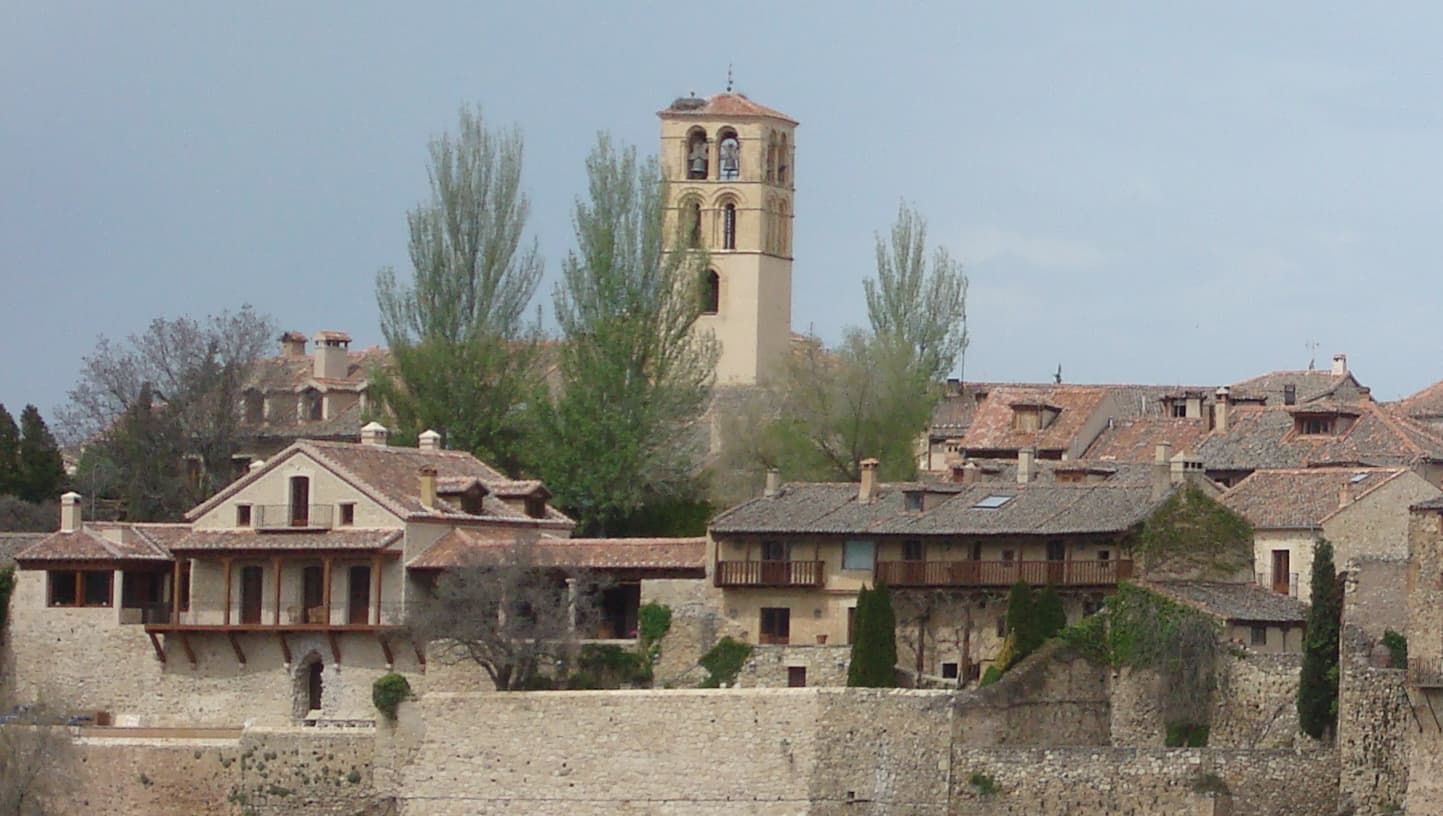 Luis Rogelio HM / CC BY-SA 2.0, via Wikimedia Commons
Self-guided audio walking tour of Pedraza — GPS route, offline playback, story-driven narration in 32 languages.
“Where time slows, and history breathes through every stone.”
Not the postcards. The stories even locals don't know — whispered in your ear, right where they happened.
This medieval fortress once held a surprising and historically significant 'royal' secret within its walls.
The village's only entrance served a dual, chilling purpose beyond simply controlling access.
Beneath the charming cobblestones of the main square lies an ingenious solution to a vital medieval problem.
Discover every secret of Pedraza
Every address, every reveal in full — in your ear, right where it happened.
You pick your stops. You walk. The voice reveals what the others miss.
Your self-guided audio tour of Pedraza is ready — pick your landmarks, choose your language, and start the moment you arrive.
BuyLume has a built-in augmented-reality guide. Hold your phone up and its camera shows the street ahead of you, with a glowing arrow laid over the real view that always points to your next stop — no map to puzzle over, no wrong turns. Like everything in Lume, it works fully offline.
Pedraza, a walled medieval village in the province of Segovia, Castile and León, offers a journey back in time. Declared a national Historical Heritage site in 1951, the village has meticulously preserved its authentic atmosphere, with stone streets, sturdy houses, and wooden balconies adorned with flowers. Life in Pedraza is quiet and simple, with fewer than 500 inhabitants who contribute to the local hotels, restaurants, bars, shops, and galleries.
Just 90 minutes by car from Madrid and 40-50 minutes from Segovia, Pedraza is a place where modern intrusions are deliberately absent. You won't find overhead power lines or contemporary streetlamps; instead, the lighting is soft and respectful, enhancing the village's historic character, especially at dusk. It's a destination that encourages visitors to slow down, wander, and soak in an atmosphere that feels untouched by centuries.
The history of Pedraza stretches back further than its medieval appearance suggests, with evidence of pre-Roman settlements. Its strategic position on a rocky promontory, surrounded by a sturdy wall, fostered its development as a commercial, defensive, and stately center from the 11th century onward. The name 'Pedraza' itself is believed to derive from the Latin 'Petracia' or 'Petrazan'.
During the Middle Ages and the Modern Age, Pedraza was home to influential noble families, including the Fernández de Velasco family, who were Constables of Castile. They commissioned the construction of Pedraza Castle, a fortress that still stands majestically over the landscape. The village's most prosperous period arrived between the 16th and 17th centuries, largely due to the thriving merino wool trade. This prosperity led to the construction of many of the stately houses and palaces that define Pedraza's architecture today.
However, Pedraza's fortunes declined in the second half of the 18th century, with the livestock and workshops suffering during the War of Independence. The castle, once a symbol of power, was even used as a quarry by locals for two centuries until it was purchased and restored in 1925 by the Basque painter Ignacio Zuloaga. In 1951, Pedraza was officially declared a Historic Site, recognizing its unique beauty and enduring legacy.
Begin your exploration in the Plaza Mayor, the heart of Pedraza. This irregular square is framed by noble houses and rustic balconies, offering an intimate setting to observe the village's slow pace of life. Nearby, the Church of San Juan Bautista showcases Romanesque origins with later Gothic additions.
The Puerta de la Villa, the village's sole entrance, is a massive medieval stone gate that immediately transports you back in time. Within this gate, you'll find the Medieval Prison, a 13th-century defensive tower that offers a glimpse into the harsh realities of medieval incarceration, complete with old wooden cells and tools for restraining prisoners.
Ascend to the Pedraza Castle, a 13th-century fortress that was significantly transformed in the 15th century. Today, it belongs to the Zuloaga family and houses a museum dedicated to the Spanish painter Ignacio Zuloaga, displaying his artwork and collections. From the castle's towers, expansive views of the village and the surrounding Segovian countryside unfold.
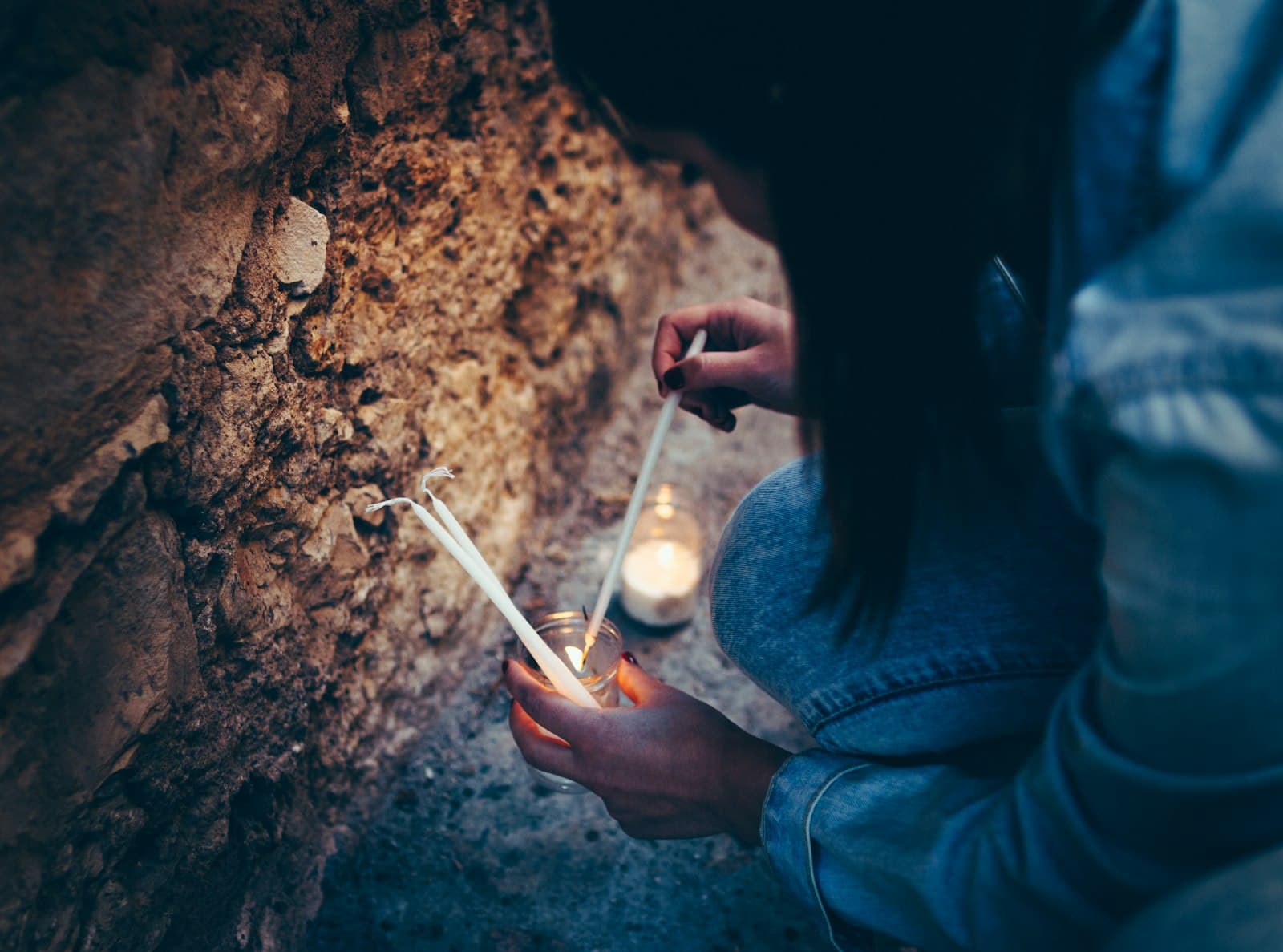
Pedraza is captivating year-round, with each season offering a distinct mood. Spring (April to June) and autumn (September to October) provide mild weather and beautiful light, ideal for exploring. Summer brings longer days and the renowned Night of the Candles (La Noche de las Velas), held on the first and second Saturdays of July. During this event, all artificial lights are turned off, and thousands of candles illuminate the village, accompanied by classical music concerts. This magical spectacle draws larger crowds, so planning ahead is advisable. Winter is quieter and atmospheric, with misty mornings and a sense of having the village almost to yourself.
Pedraza is approximately 130 kilometers (80 miles) from Madrid and 40 kilometers (25 miles) from Segovia. While public buses exist, they are limited and often require connecting via Segovia; checking return times in advance is crucial. Self-driving is often the simplest option, with parking available outside the village gate. Pedraza is pedestrian-friendly, and exploring on foot is the best way to experience its character. A relaxed half-day (3-4 hours) allows you to see the main sights, while a full day (6-8 hours) provides time for the castle, a leisurely lunch, and photography. Entry to the village itself is free, though museums like the prison and castle have small admission fees (around €5-€7 for the castle, with discounts sometimes available for students). Carry a small amount of euros, as some establishments might prefer cash.
Pedraza in Korean, in Chinese or in Hebrew — and 29 more languages, every stop narrated by a native voice. The widest language range of any self-guided audio tour.
Available in: