Rocca Paolina
Под современными улицами Перуджи скрывается подземный город, лабиринт средневековых улиц и зданий.
Полная история открывается в туре
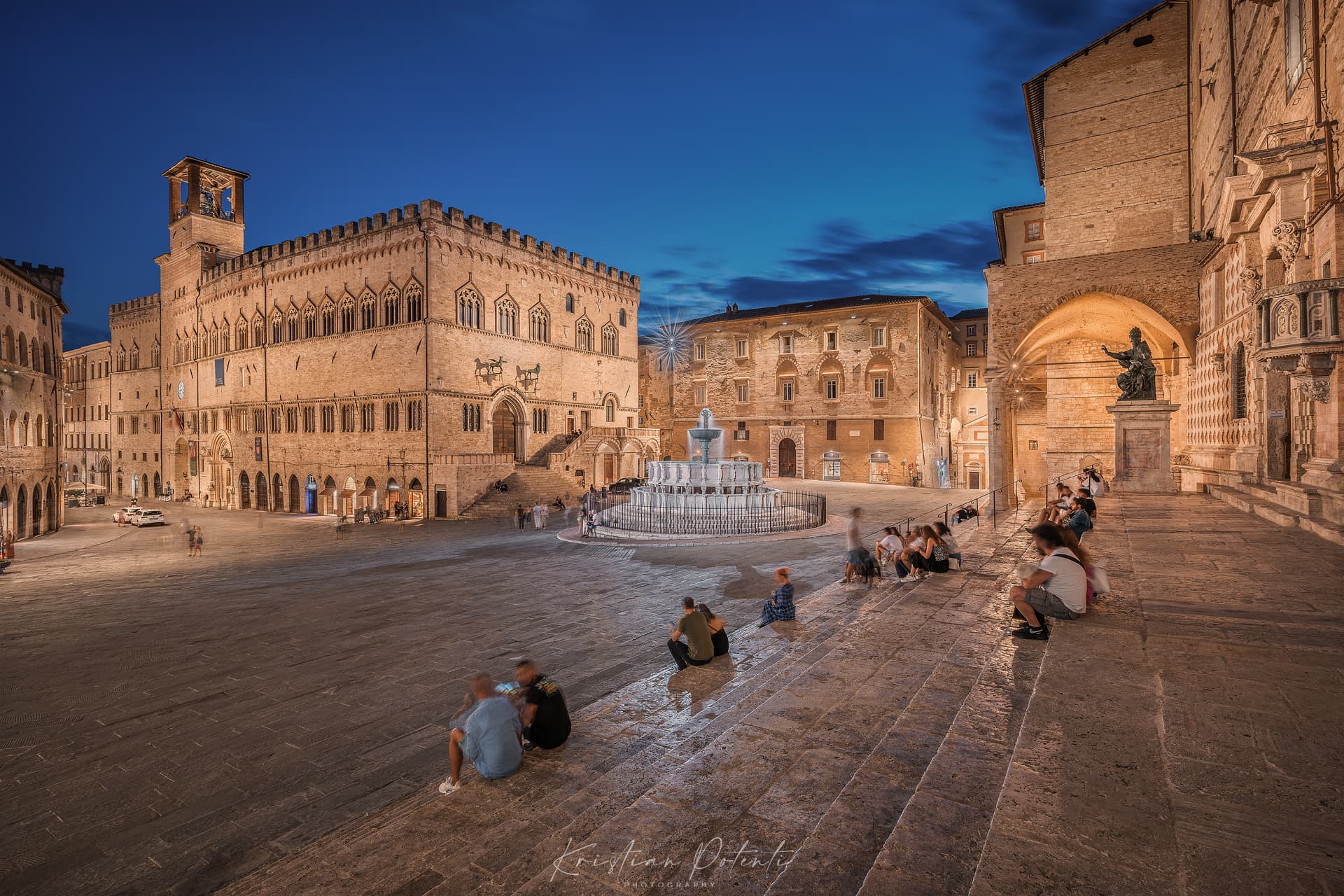 Kristianpot / CC BY-SA 4.0, via Wikimedia Commons
Самостоятельная аудиопрогулка по Перуджа — GPS-маршрут, офлайн-воспроизведение, увлекательное повествование на 32 языках.
“Перуджа: Слои истории, искусства и шоколада на умбрийском холме.”
Не открытки. Истории, которые не знают даже местные жители — шепотом в вашем ухе, прямо там, где они произошли.
Под современными улицами Перуджи скрывается подземный город, лабиринт средневековых улиц и зданий.
Живописная пешеходная дорожка извивается по городу, открывая виды на крыши и переулки с высоты.
Посмотрите на бронзовые фигуры над главным входом в Палаццо деи Приори, и вы заметите тонкое неповиновение папской власти.
Откройте для себя каждый секрет Перуджа
Каждый адрес, каждое полное раскрытие — в вашем ухе, прямо там, где это произошло.
Вы выбираете остановки. Вы гуляете. Голос раскрывает то, что упускают другие.

Ваш самостоятельный аудиотур по Перуджа готов — выберите свои достопримечательности, выберите свой язык и начните в момент прибытия.
КупитьВ Lume встроен гид дополненной реальности. Поднимите телефон: камера показывает улицу перед вами, а поверх реального изображения светится стрелка, всегда указывающая на вашу следующую остановку — не нужно разбираться с картой и сворачивать не туда. Как и всё в Lume, это работает полностью офлайн.
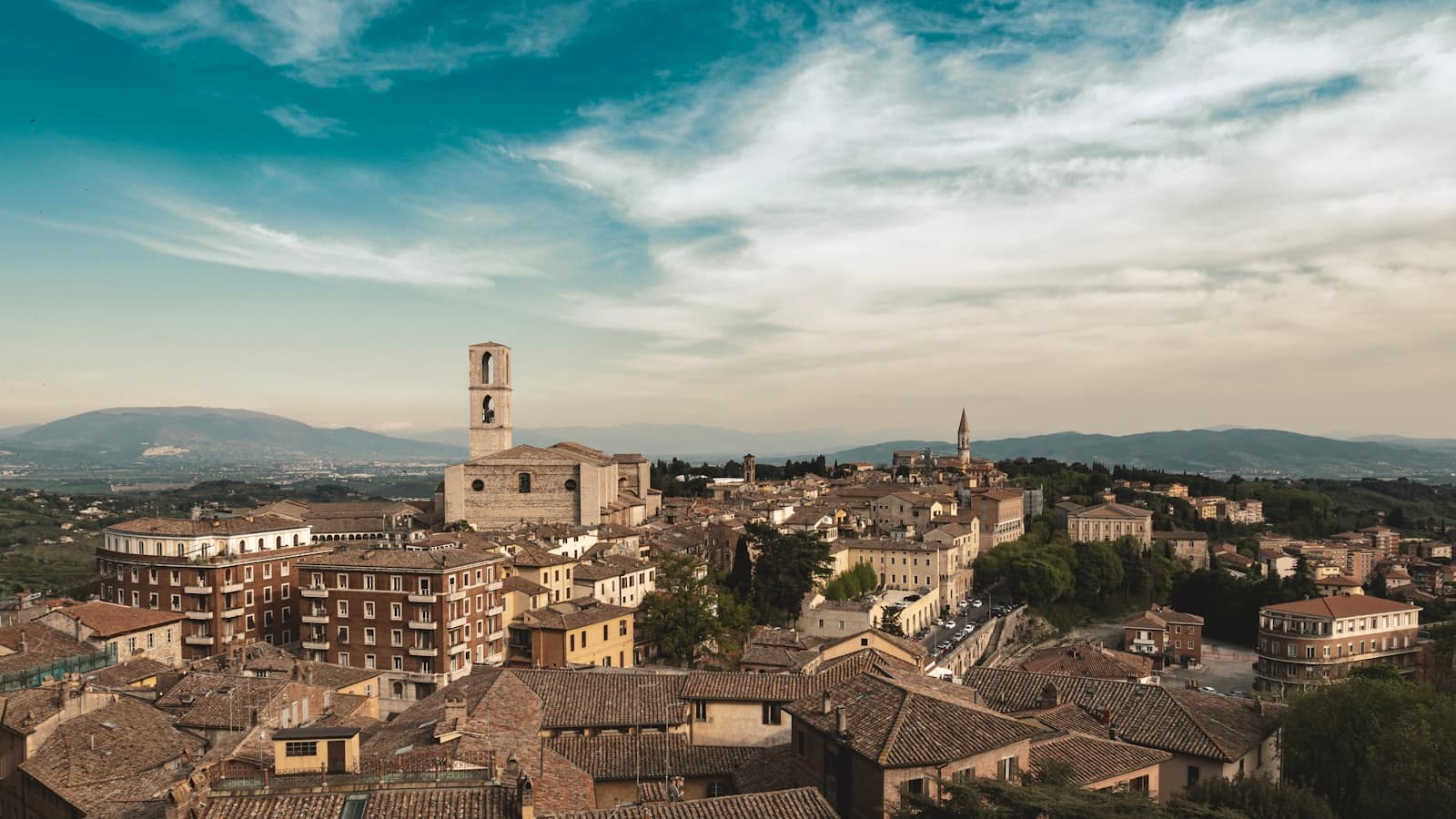
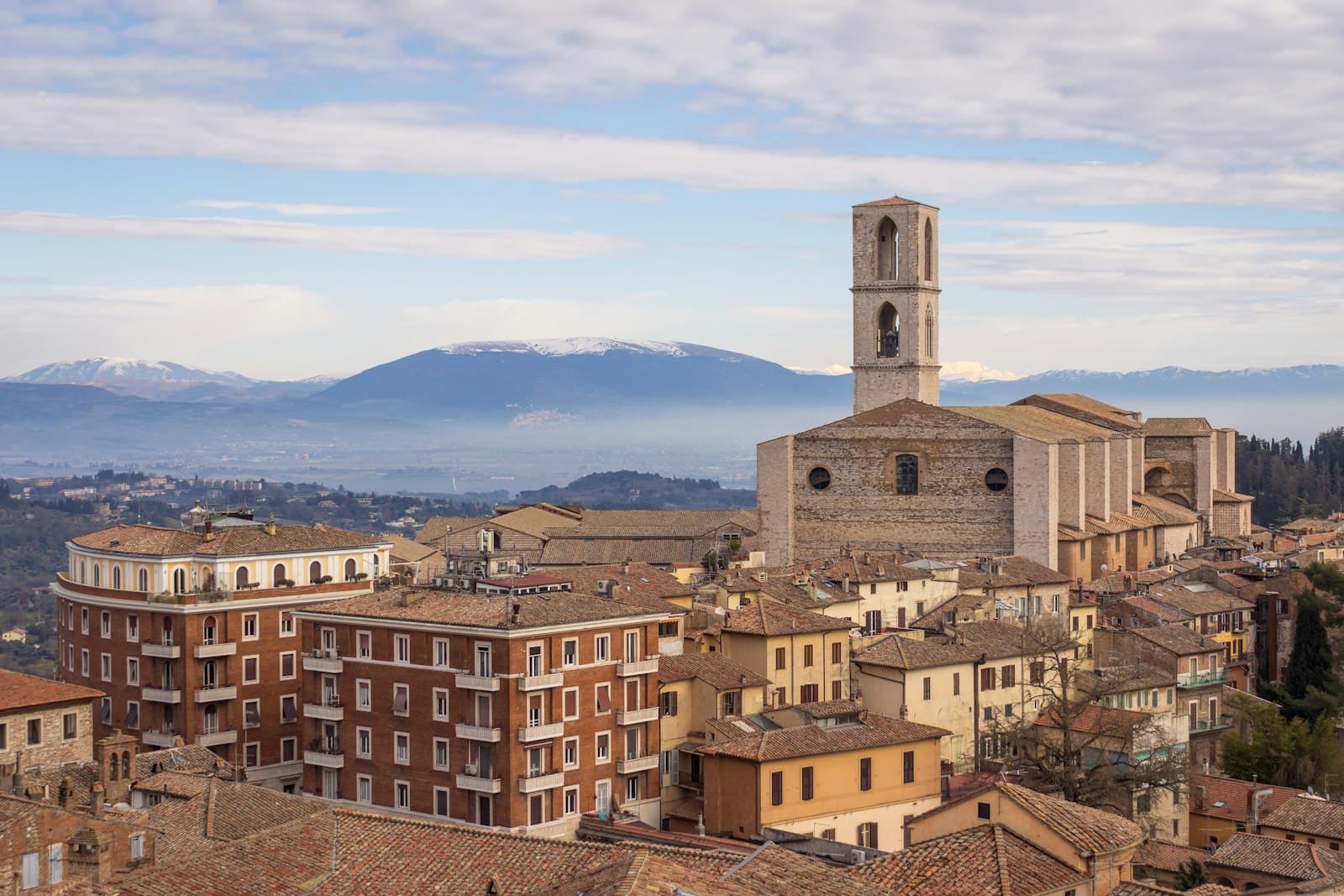
Перуджа, столица Умбрии, — город, который раскрывает свой характер слоями. Построенный на группе холмов, он открывает захватывающие виды на окружающие долины Умбрии и центрального Тибра. Такое возвышенное расположение означает, что посещение Перуджи включает в себя значительное количество ходьбы по крутым, извилистым улицам и лестницам, но усилия вознаграждаются захватывающими видами и чувством открытия за каждым поворотом.
Помимо своей драматической топографии, Перуджа является оживленным культурным и художественным центром. Это крупный университетский город, где расположены Университет Перуджи (основан в 1308 году) и Университет для иностранцев, которые способствуют его молодежной и международной атмосфере. Город также славится своей шоколадной промышленностью, особенно культовыми шоколадками Perugina Baci, и ежегодно в октябре принимает фестиваль Eurochocolate.
## Этрусские и римские основания Происхождение Перуджи восходит к умбрийскому периоду, но впервые она появляется в письменных источниках как Перузия, один из двенадцати союзных городов Этрурии. Этруски сыграли важную роль в основании города, и свидетельства их присутствия, такие как древние стены и внушительная Арка Этруско (Этрусская арка), видны и сегодня. В 310 г. до н. э. Перуджа пала под натиском римлян, которые переименовали ее в Перузию. Город сыграл роль во Второй Пунической войне, помогая Риму в 216 и 205 гг. до н. э. Позже, в 41-40 гг. до н. э., он был осажден и побежден Октавианом после того, как Луций Антоний нашел там убежище.
## Средневековье и папское влияние В период правления лангобардов Перуджа считалась главным городом Тусции. К IX веку, с согласия Карла Великого и Людовика Благочестивого, она перешла под папскую власть. Однако на протяжении многих веков город сохранял значительную степень автономии, вступая в конфликты с соседними городами, такими как Фолиньо, Ассизи и Сиена. В XIV веке происходили внутренние распри между могущественными семьями, такими как Бальони и Одди. Несмотря на эти трудности, Перуджа процветала как культурный и художественный центр, привлекая таких художников, как Пьеро делла Франческа, Пинтуриккио и Пьетро Вануччи (Перуджино), который был учителем Рафаэля.
## Ренессанс и Новое время В 1538 году Перуджа была включена в состав Папской области при Папе Павле III, оставаясь под папским контролем почти три столетия. Рокка Паолина, внушительная крепость, была построена между 1540 и 1543 годами Папой Павлом III для утверждения папского господства над независимым городом. Перуджа активно участвовала в итальянском Рисорджименто, восставая против папы в 1859 году и в конечном итоге став частью объединенной Италии в 1860 году. Сегодня Перуджа продолжает свою историю как динамичный город, сочетающий свое древнее прошлое с яркой современной идентичностью, отмеченной университетами и международными фестивалями.
Начните свое исследование на Пьяцца IV Новембре, историческом центре Перуджи. Здесь вы найдете Фонтана Маджоре, творение Никколы и Джованни Пизано XIII века, считающееся одним из самых важных и хорошо сохранившихся фонтанов Италии. Над площадью возвышаются Кафедральный собор Сан-Лоренцо Перуджи, примечательный своим незавершенным фасадом и необычной ориентацией, и Палаццо деи Приори, где находится Национальная галерея Умбрии. Галерея демонстрирует работы умбрийских мастеров, таких как Перуджино и Пинтуриккио.
Для уникального исторического опыта спуститесь в Рокка Паолина, подземный город под Пьяцца Италия. Это завораживающее место демонстрирует средневековые улицы и постройки, сохранившиеся под папской крепостью XVI века, доступ к которым осуществляется с помощью эскалаторов. Прогуляйтесь по Корсо Вануччи, главной пешеходной улице, для покупок, наблюдения за прохожими и отдыха в местных кафе. Не пропустите Виа дель Акведотто, средневековый акведук, превращенный в живописную пешеходную дорожку, откуда открываются виды на город с высоты. Для панорамных видов отправляйтесь к Порта Соле, одной из самых высоких точек города.
Перуджа приятна в любое время года, но самые комфортные периоды для посещения — с апреля по июнь и с сентября по октябрь. В эти месяцы температура комфортно теплая, колеблется от 17 до 25°C (63-77°F), а сельская местность оживает полевыми цветами весной или украшена осенними красками во время сбора урожая. В эти периоды также наблюдается хороший баланс управляемого количества туристов и умеренных цен на отели. Июль приносит более жаркую температуру (в среднем 28-36°C) и знаменитый джазовый фестиваль Умбрии, а в октябре проходит фестиваль Eurochocolate, оба привлекают значительное количество посетителей.
Исторический центр Перуджи в основном является пешеходной зоной, которую лучше всего исследовать пешком. Город построен на холме, поэтому будьте готовы к крутым улицам и лестницам; удобная обувь обязательна. Если вы прибываете на поезде на станцию Фонтиведже, удобное Мини-метро, небольшая линия метро, соединяет город с центром за небольшую плату. Несколько автобусных маршрутов также обслуживают город, билеты можно приобрести в табачных киосках или на стойках.
Хотя английский язык распространен в большинстве туристических заведений, знание нескольких итальянских фраз всегда ценится. Чаевые не так обязательны, как в некоторых других странах, но принято округлять счет или оставлять небольшую сумму за исключительное обслуживание. Общественные туалеты могут быть редкими, поэтому планируйте соответственно. Для тех, кто рассматривает однодневные поездки в близлежащие города Умбрии, рекомендуется арендовать автомобиль, хотя парковка в верхней части Перуджи ограничена.
Перуджа: корейский, китайский, иврит и ещё 29 языков — каждую остановку озвучивает носитель языка. Самый широкий выбор языков среди аудиоэкскурсий без гида.
Доступные языки: