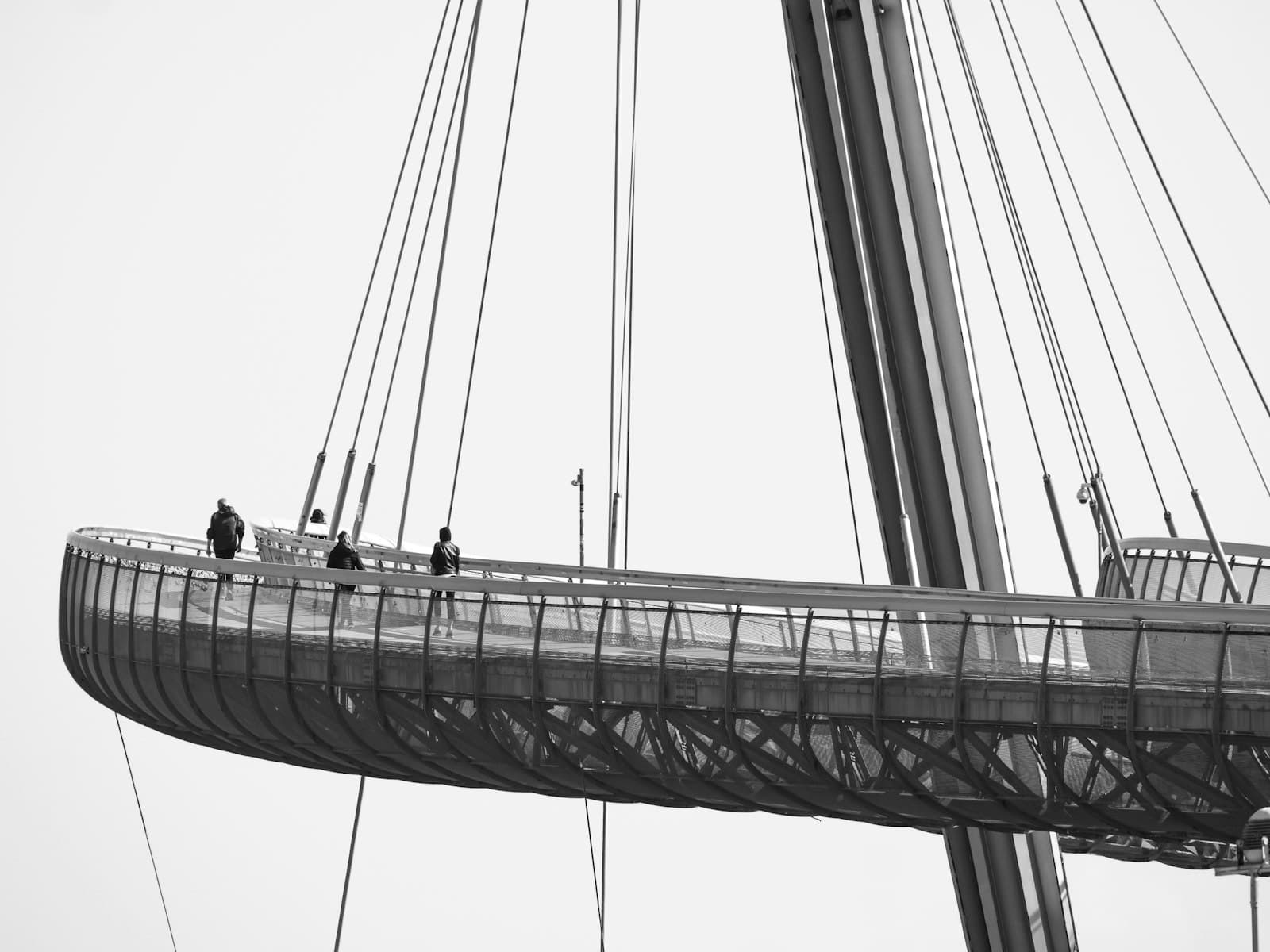
Ponte del Mare
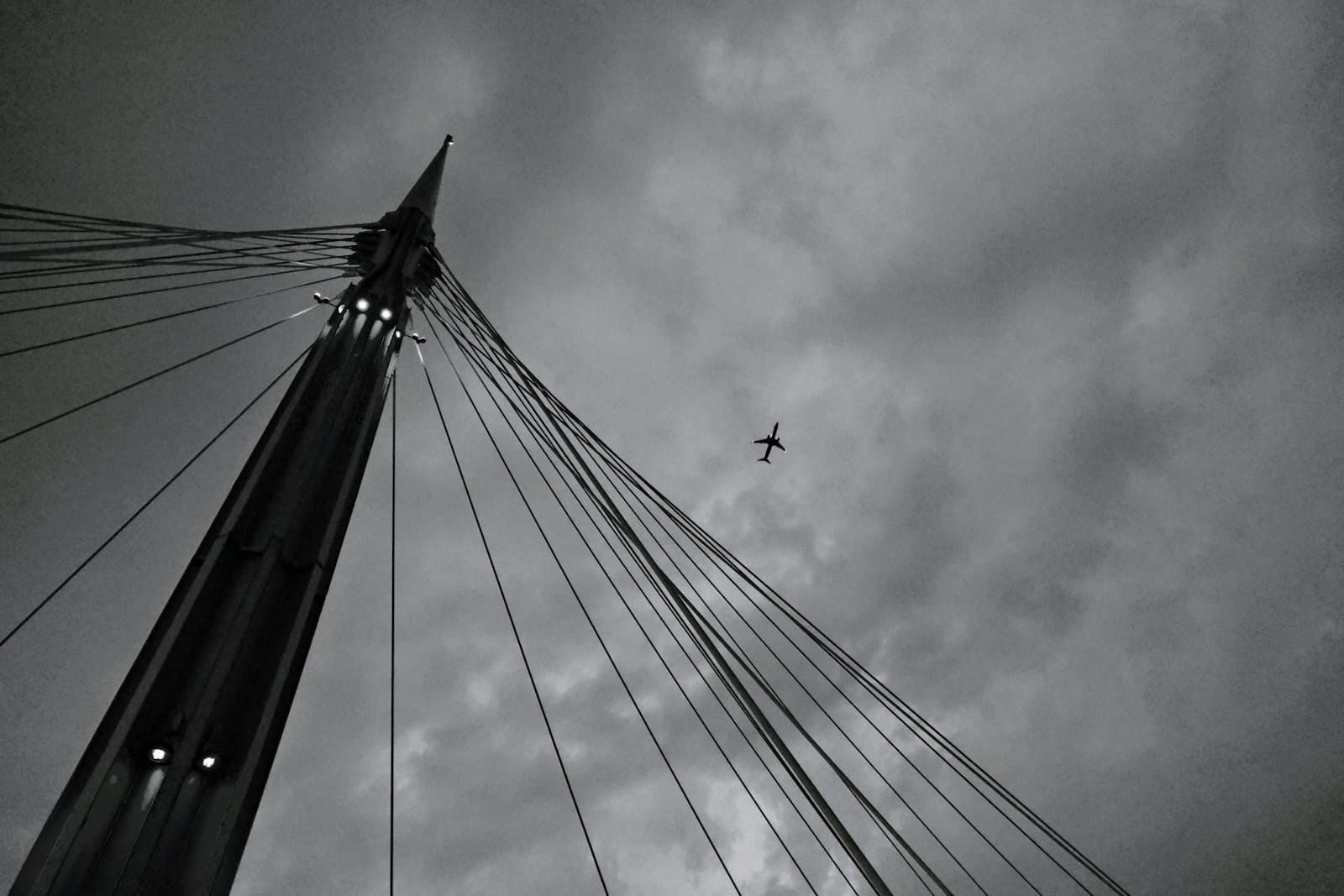
This modern bridge symbolizes Pescara's forward-thinking spirit, yet its construction encountered an unexpected design challenge.
Full story unlocks in the tour
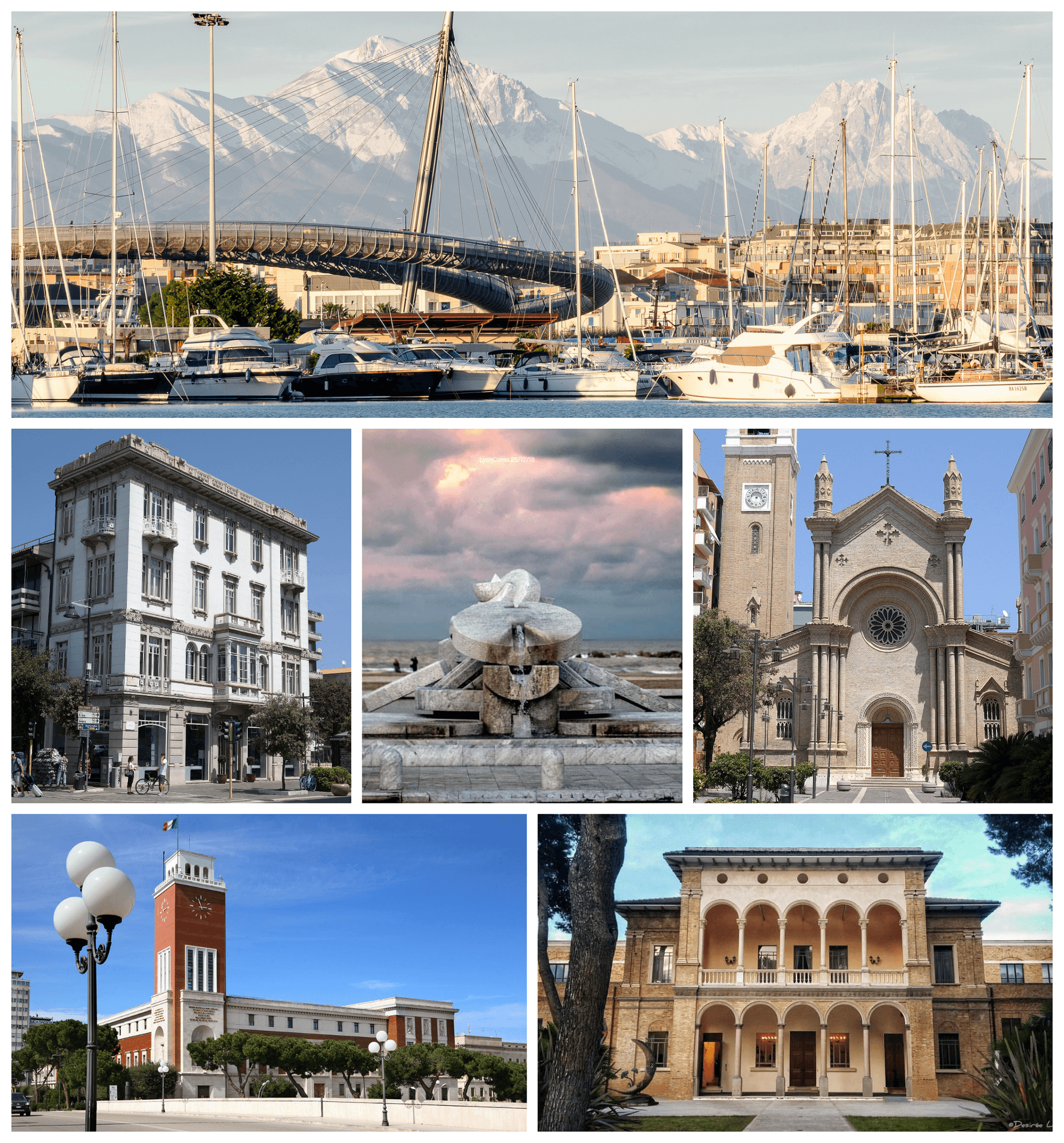 Giulio Gigante, Luca Aless, Visit Abruzzo / CC BY 2.5, via Wikimedia Commons
Self-guided audio walking tour of Pescara — GPS route, offline playback, story-driven narration in 32 languages.
“Pescara: Adriatic breezes, literary echoes, and the taste of the sea.”
Not the postcards. The stories even locals don't know — whispered in your ear, right where they happened.
This modern bridge symbolizes Pescara's forward-thinking spirit, yet its construction encountered an unexpected design challenge.
Despite its coastal location, Pescara's weather patterns diverge from typical Mediterranean expectations.
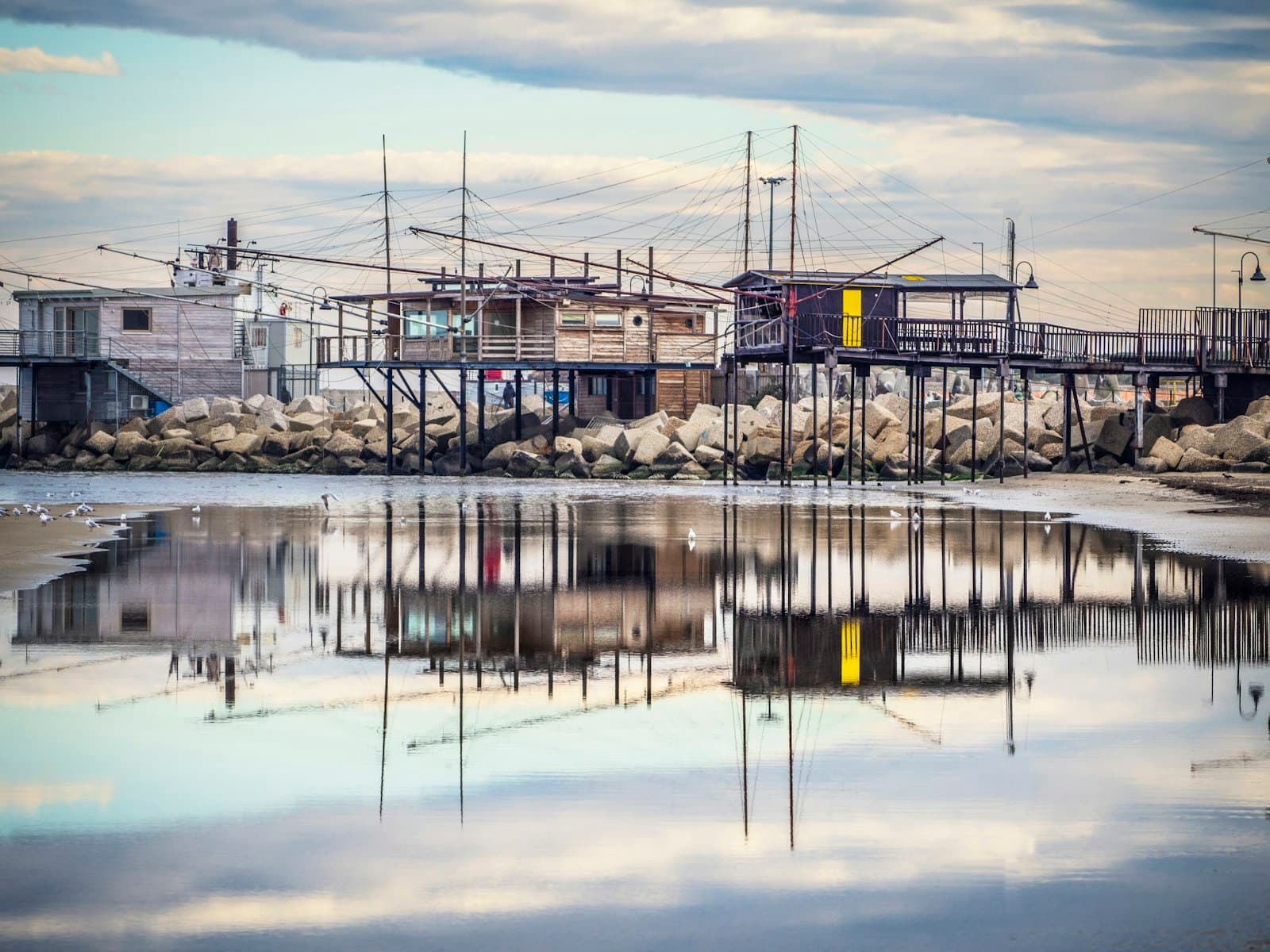
Along the Abruzzo coast, distinctive wooden fishing structures punctuate the sea, but their origins might be linked to an unexpected historical event.
Discover every secret of Pescara
Every address, every reveal in full — in your ear, right where it happened.
You pick your stops. You walk. The voice reveals what the others miss.
Your self-guided audio tour of Pescara is ready — pick your landmarks, choose your language, and start the moment you arrive.
BuyLume has a built-in augmented-reality guide. Hold your phone up and its camera shows the street ahead of you, with a glowing arrow laid over the real view that always points to your next stop — no map to puzzle over, no wrong turns. Like everything in Lume, it works fully offline.
Pescara, the most populous city in Italy's Abruzzo region, offers a dynamic blend of sandy beaches, a lively urban atmosphere, and a compelling cultural heritage. Situated on the Adriatic coast at the mouth of the Aterno-Pescara River, the city serves as a vital hub for both commerce and tourism. Its long, sandy coastline draws many, providing ample space for beach clubs, swimming, and relaxed seaside days.
Beyond its reputation as a beach destination, Pescara offers a compelling cultural side, deeply connected to renowned poet Gabriele D'Annunzio and a flourishing modern art scene. The city's walkable promenade, diverse culinary offerings—especially its seafood—and energetic nightlife contribute to its appeal. Pescara acts as a practical gateway to Abruzzo's natural landscapes, with the Apennine mountains, including Gran Sasso and Majella, rising sharply to the west.
The history of Pescara reaches back to antiquity, with a settlement known to the Romans as Aternum existing at the mouth of the Pescara River as early as the 1st century BC. This strategic location made it an important trading port and the terminus of the Via Claudia Valeria, providing vital access to the Adriatic Sea for various Italic tribes. The city's name itself, Piscaria, emerged in medieval documents around 1140, a Latin term signifying a place abundant with fish, reflecting the river's bounty.
Throughout its existence, Pescara endured significant challenges. It suffered a devastating attack by the Lombards around 597 AD, leading to a prolonged period of decline. For centuries, the area resisted significant growth, partly due to malaria-carrying mosquitoes thriving in the marshy river delta. The arrival of railways in the late 19th century, connecting Pescara to both the Adriatic coast and Rome, spurred its development. This transformed the city into a crucial shipping point for goods from inland Abruzzo, such as wool, oil, wine, and timber.
Modern Pescara officially came into being in 1927, when the two separate towns divided by the river—Pescara on the south bank and Castellammare Adriatico on the north—were unified. However, the city faced immense destruction during World War II, when Allied bombings severely damaged approximately 80% of its buildings in an attempt to disrupt German supplies. Since then, Pescara has been extensively rebuilt, evolving into the modern, dynamic regional capital it is today, characterized by a blend of contemporary architecture, Art Nouveau influences, and remnants of its military past.
Begin your exploration at the Ponte del Mare, a striking, curved pedestrian and cycling bridge that offers sweeping views of the coast, river mouth, and surrounding landscape. Its innovative design and evening illumination make it a distinctive landmark.
Cross into Pescara Vecchia, the historic old town, where you can experience the city's evening energy along Corso Manthonè, known for its restaurants and bars. Here, you will find the Casa Natale di Gabriele d'Annunzio, the birthplace of the celebrated Italian poet, preserved as a museum. Nearby, the Museo delle Genti d'Abruzzo offers insights into local traditions and heritage, with exhibits ranging from Paleolithic tools to reconstructed huts.
For a touch of modern art, visit the Nave di Cascella, a travertine marble sculpture resembling a rowing boat, symbolizing Pescara's connection to the sea and its historical ties to Bourbon penal colony prisoners forced to row ships. The Pineta Dannunziana, a protected pine forest, provides a serene escape for walks and a break from the urban bustle. Do not miss Piazza della Rinascita, also known as Piazza Salotto, a central square that recently welcomed an interactive 'Big Piano' fountain.
The ideal times to visit Pescara are late spring (May–June) and early autumn (September). During these months, temperatures are pleasant for walking and sightseeing, and the crowds are lighter than in peak summer. For beach-focused activities, July and August are the liveliest, with warm sea temperatures, though expect larger crowds and higher prices. Winters are generally mild, offering a quieter experience for exploring the city's cultural side.
Pescara is a walkable city with good public transport, making it easy to navigate without a car for city exploration. However, renting a car is recommended if you plan to explore the surrounding Abruzzo region, including its villages and mountains. Pescara has its own airport, Abruzzo International Airport, located just north of the city center. Pescara Centrale is also a major railway hub on the Adriatic line, with regular train services to Rome, Bologna, and Naples.
Accommodation options range from beachfront hotels to those in the historic center. Living costs in Pescara are generally below the Italian average. The city offers a mix of large supermarkets, smaller local shops, and a covered market. Be aware that many businesses adhere to traditional Italian opening hours, which often include afternoon closures and quieter Sundays.
Pescara in Korean, in Chinese or in Hebrew — and 29 more languages, every stop narrated by a native voice. The widest language range of any self-guided audio tour.
Available in: