Lago de Scanno
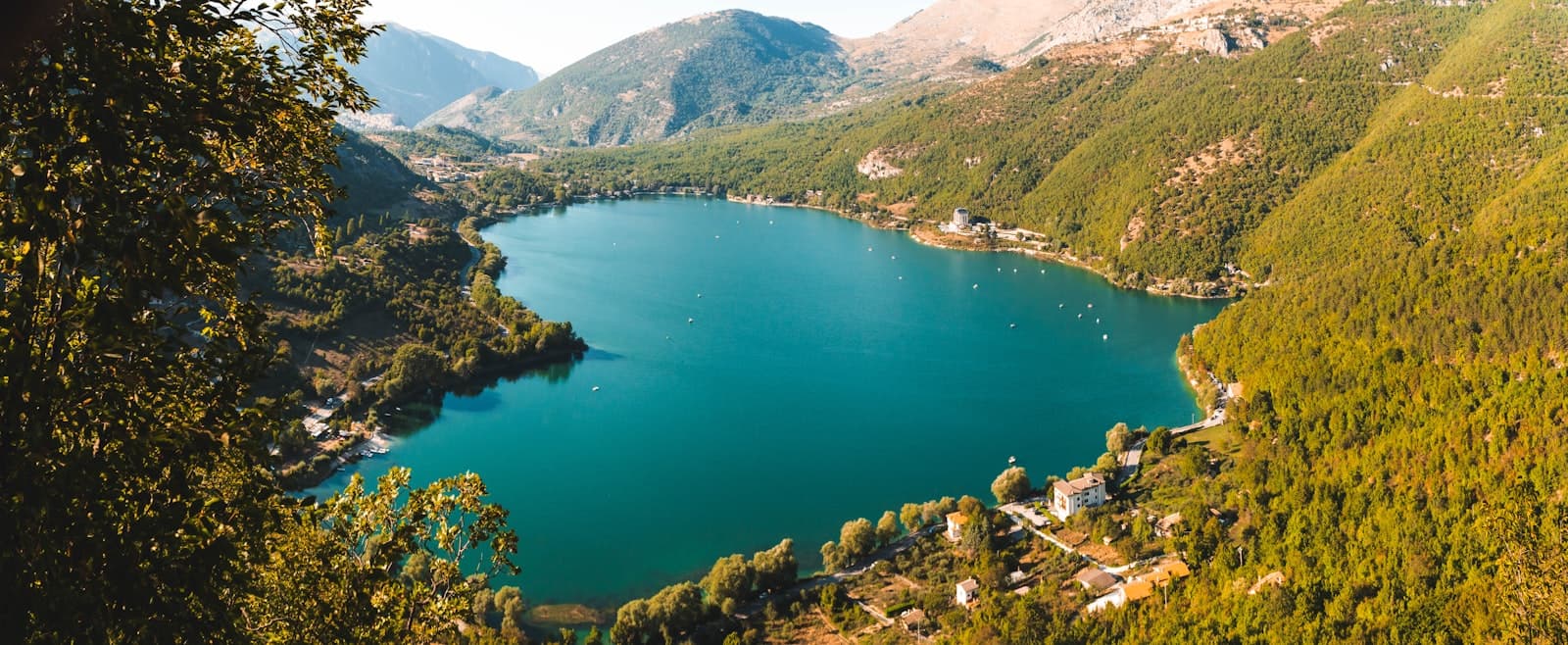
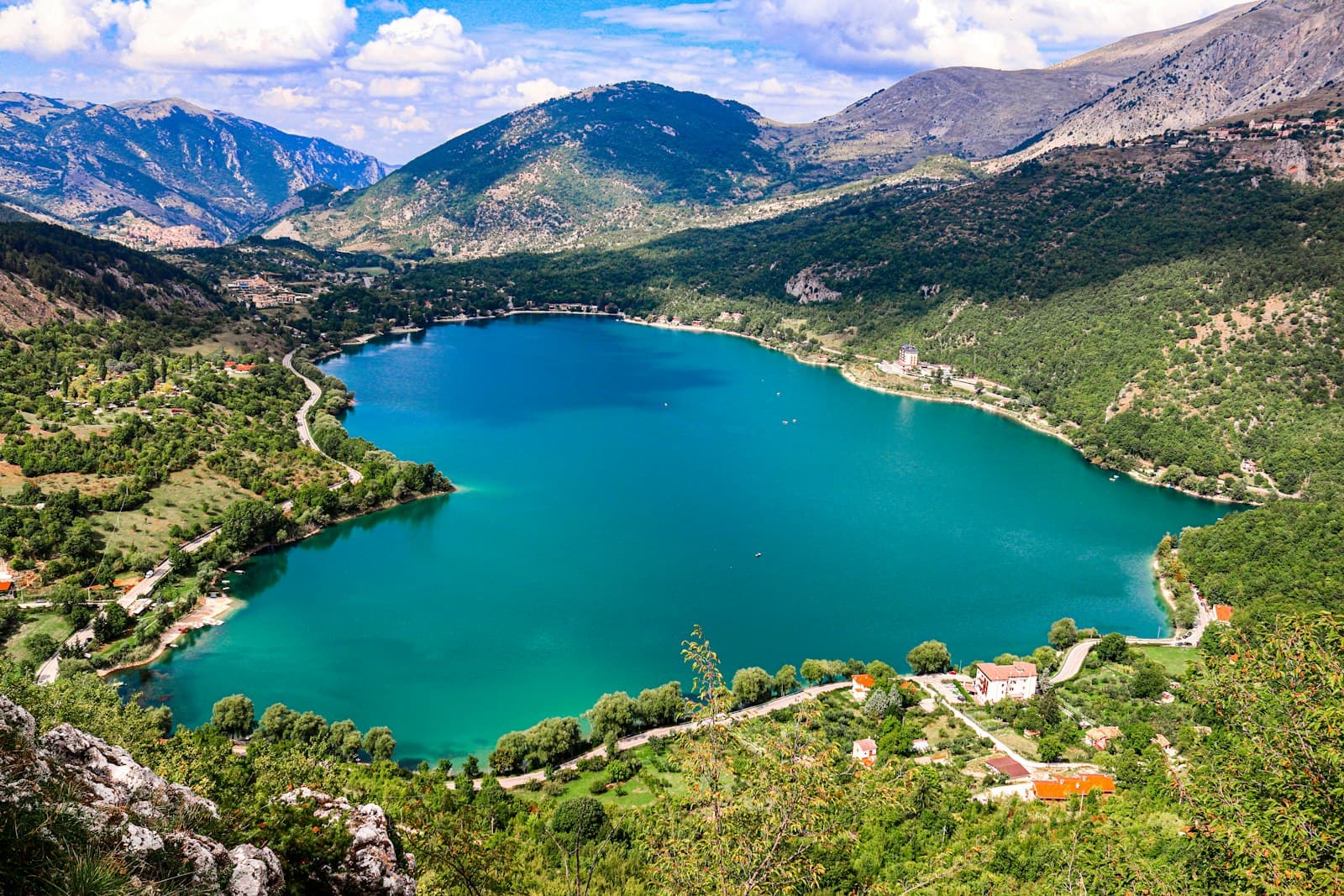
La icónica forma de corazón del Lago de Scanno no siempre es evidente desde la orilla.
La historia completa se desbloquea en el tour
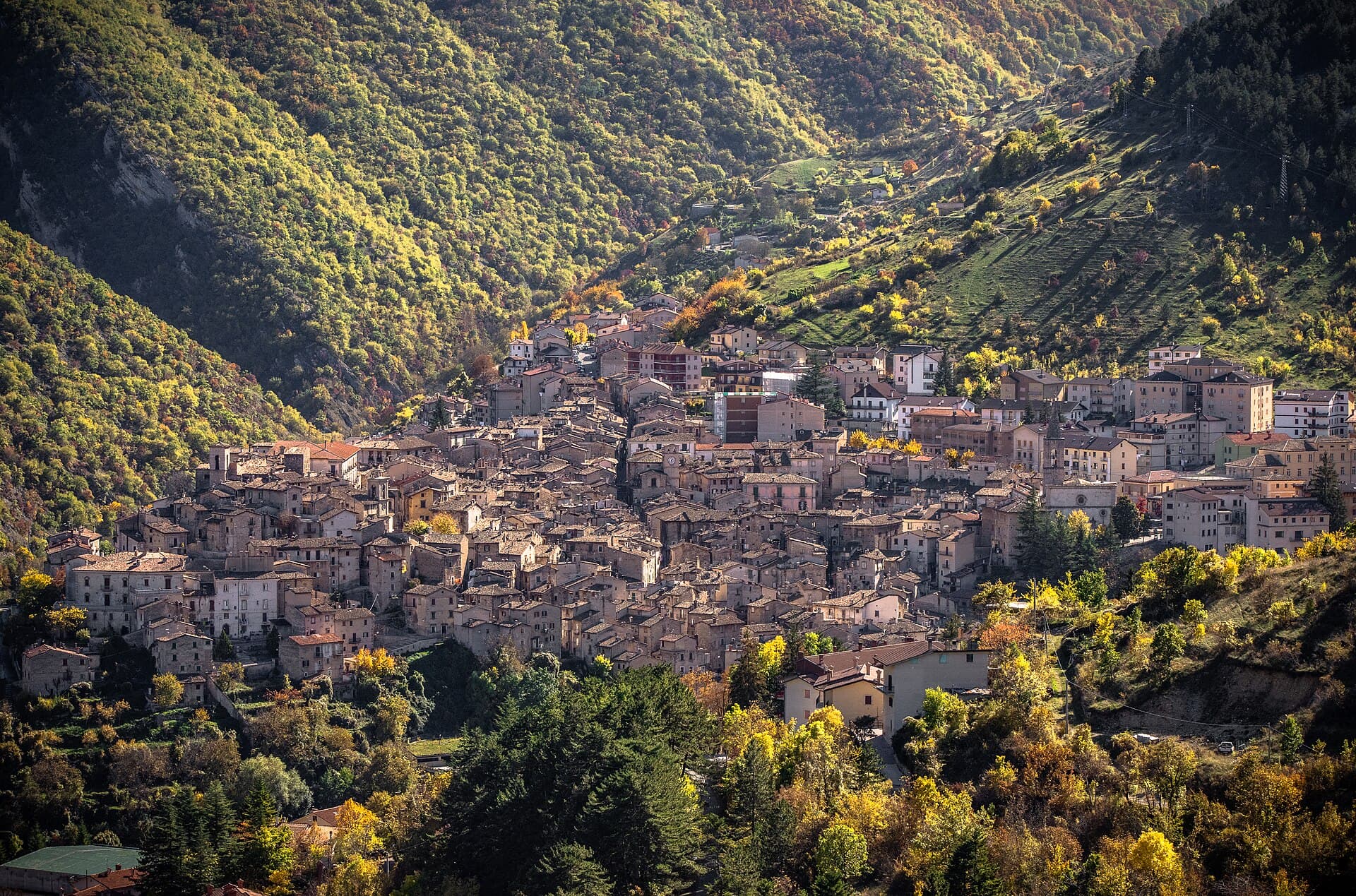 Mario75Romano / CC BY-SA 4.0, via Wikimedia Commons
Tour de audio autoguiado de Scanno — ruta GPS a pie, reproducción offline, narración en 32 idiomas.
“Donde las tradiciones ancestrales y un lago con forma de corazón se encuentran con el objetivo de los fotógrafos más grandes de la historia.”
No las postales. Las historias que ni los locales conocen — al oído, justo donde ocurrieron.
La icónica forma de corazón del Lago de Scanno no siempre es evidente desde la orilla.
El llamativo vestido negro tradicional usado por las ancianas de Scanno tiene una sorprendente conexión con la economía pasada del pueblo.
Una fuente del siglo XVI en Scanno una vez dictó el estatus social con sus caños.
Descubre todos los secretos de Scanno
Cada dirección, cada revelación al completo — a tu oído, justo donde ocurrió.
Eliges tus paradas. Caminas. La voz te revela lo que los demás ignoran.

Tu tour de audioguía por Scanno te espera — elige tus lugares, tu idioma y empieza al llegar.
ComprarLume incluye una guía de realidad aumentada. Levanta el móvil y su cámara muestra la calle que tienes delante, con una flecha luminosa sobre la imagen real que siempre apunta a tu próxima parada — sin mapas que descifrar, sin giros equivocados. Como todo en Lume, funciona completamente sin conexión.
Situado en el Valle del Sagittario, rodeado por las montañas de la Majella, Scanno es un pueblo medieval en la región italiana de Abruzzo que parece existir fuera del tiempo. Su centro histórico es un laberinto de callejuelas estrechas, escalones de piedra y antiguas casas de piedra, un testimonio de siglos de historia perdurable. Este pintoresco entorno, combinado con sus tradiciones duraderas, le ha valido a Scanno un lugar entre 'I Borghi più belli d'Italia' (Los Pueblos más Bonitos de Italia).
Más allá del encanto de su arquitectura, Scanno es muy apreciado por su entorno natural, particularmente el Lago de Scanno, el lago natural más grande de Abruzzo. El lago, célebre por su forma de corazón cuando se ve desde ciertos puntos de vista, ofrece un escape tranquilo y un telón de fondo sorprendente para la fotografía. De hecho, Scanno ha sido durante mucho tiempo una musa para aclamados fotógrafos, consolidando aún más su reputación como un lugar de belleza única y profundidad cultural.
Los visitantes de Scanno descubrirán un lugar donde las costumbres ancestrales todavía se entrelazan en la vida diaria, desde el traje tradicional usado por algunas ancianas hasta la intrincada artesanía de sus orfebres y encajeras. Es un destino que invita a la exploración, prometiendo un viaje al corazón del profundo patrimonio de Abruzzo.
## Raíces Antiguas y Dominio Feudal Los orígenes de Scanno se remontan a tiempos prehistóricos, con evidencia de asentamientos de la Edad del Hierro y presencia romana encontrada en la zona. El nombre del pueblo en sí, posiblemente derivado del latín 'Scamnum' (refiriéndose a las divisiones de tierras romanas), alude a su pasado antiguo. El pueblo medieval probablemente comenzó a formarse alrededor del siglo X, floreciendo particularmente en los siglos XII y XIII bajo varios señores feudales. A lo largo de los siglos, Scanno pasó por las manos de prominentes familias del sur de Italia, incluidos los Di Sangro, D'Aquino, D'Avalos, De Pascales, D'Afflittos y Caracciolos.
## El Auge de la Lana y las Artesanías Tradicionales Los siglos XVII y XVIII marcaron un período de prosperidad para Scanno, en gran parte debido a la floreciente industria de la lana. La habilidad de las mujeres de Scanno en el tejido y el teñido fue reconocida en todo el Reino de Nápoles. Esta era también vio el desarrollo del distintivo traje tradicional usado por las mujeres scannesas, caracterizado por sustanciales vestidos de lana negra, a menudo adornados con encajes y un tocado único. Junto con la industria de la lana, florecieron artesanías tradicionales como la orfebrería de filigrana de oro y el 'tombolo' (encaje de bolillos), con los orfebres a menudo inspirándose en los intrincados patrones de las encajeras.
## Un Imán para Fotógrafos En el siglo XX, Scanno obtuvo reconocimiento internacional como 'pueblo de fotógrafos'. Sus tradiciones conservadas, arquitectura única y paisajes evocadores cautivaron a fotógrafos de renombre como Kurt Hielscher (década de 1920), Hilde Lotz-Bauer (década de 1930), Henri Cartier-Bresson (década de 1950), Mario Giacomelli (década de 1950), Renzo Tortelli (década de 1950) y Gianni Berengo Gardin (década de 1980). La icónica fotografía de Mario Giacomelli, 'El Niño de Scanno', incluso encontró un lugar en el Museo de Arte Moderno de Nueva York.
## Era Moderna y Resiliencia Scanno, con una población de alrededor de 1.800 habitantes, ha enfrentado desafíos, incluida la disminución de la ganadería ovina y el impacto de la Segunda Guerra Mundial, durante la cual un futuro presidente italiano, Carlo Azeglio Ciampi, encontró refugio en el pueblo. A pesar de estos cambios, el pueblo ha mantenido su identidad cultural y continúa atrayendo visitantes por su belleza, historia y tradiciones perdurables.
Comienza tu exploración en el centro histórico de Scanno, un encantador laberinto de callejuelas estrechas, casas de piedra y empinadas escaleras. No uses un mapa; permítete deambular y descubrir rincones inesperados.
La Iglesia románica de Santa Maria della Valle, con su distintivo campanario y rastros de frescos medievales, se erige como un punto de referencia central. Otras iglesias notables incluyen San Giovanni Battista, hogar de estatuas religiosas de los siglos XVII al XX, y la pequeña Iglesia de Santa Maria di Costantinopoli, que alberga un espléndido fresco de la Madonna Entronizada. Presta atención a los grandes palacios, como el Palazzo Serafini, el Palazzo di Rienzo y el Palazzo Mosca, que insinúan el pasado opulento de Scanno.
Una visita al Museo della Lana (Museo de la Lana) ofrece una visión del patrimonio pastoral de Scanno y los trajes tradicionales de las mujeres. También puedes explorar los numerosos talleres de artesanos locales, célebres por su encaje de bolillos y sus exquisitas joyas de filigrana de oro.
Fuera del pueblo, una experiencia gratificante es el sendero 'Camino del Corazón' (Sentiero del Cuore), que conduce al mirador panorámico donde el Lago de Scanno revela su famosa forma de corazón. A lo largo de este camino, también encontrarás la Ermita de Sant'Egidio. Para más belleza natural, considera el Lago San Domenico, conocido por sus aguas verdes, y el antiguo bosque de Bosco di Sant'Antonio.
Scanno es un destino para todo el año, cada estación ofrece una experiencia diferente. La primavera tardía (mayo-junio) y el principio del otoño (septiembre-octubre) ofrecen un clima templado y hermosos paisajes, ideales para el senderismo y la exploración. El verano (julio-agosto) es popular para actividades en el lago y festivales, con temperaturas que suelen oscilar entre 16 y 30 °C (62 y 86 °F). El invierno (diciembre-febrero) transforma el pueblo en una escena nevada perfecta de postal, atrayendo a los entusiastas del esquí a los cercanos Passo Godi y Monte Rotondo. El pueblo también cobra vida con tradiciones únicas durante las vacaciones de Navidad.
Scanno se encuentra en la provincia de L'Aquila, Abruzzo, con un código postal de 67038 y prefijo telefónico 0864. La oficina de turismo está situada en Piazza Santa Maria della Valle, 12.
Aunque conducir es la forma más rápida de llegar a Scanno, hay transporte público disponible. Desde Sulmona, los autobuses ARPA ofrecen conexiones, con un tiempo de viaje de aproximadamente una hora. Desde la estación Tiburtina de Roma, Autolinee Schiappa ofrece un servicio menos frecuente, que tarda unas 2,5 horas. El viaje de Sulmona a Scanno es particularmente pintoresco, pasando por las rocosas Gargantas del Sagittario y junto al Lago de Scanno.
Dentro del pueblo, la mejor manera de explorar es a pie debido a sus calles estrechas y escaleras. Para comer, Scanno ofrece una variedad de cocina tradicional abruesa, con especialidades como 'Cazzellitt' (albóndigas hechas con harina de Solina), cangrejos de río y 'raviolone' con ricotta y cordero a la brasa. No te pierdas los postres locales como el Pan dell'Orso y los Mostacciuoli.
Scanno en coreano, en chino o en hebreo — y 29 idiomas más, cada parada narrada por una voz nativa. La mayor variedad de idiomas de cualquier audioguía autoguiada.
Disponible en: