Vieil Hôtel Ostende
L'un des plus anciens bâtiments de Pinamar recèle un lien surprenant avec une légende littéraire.
L'histoire complète se débloque dans le tour
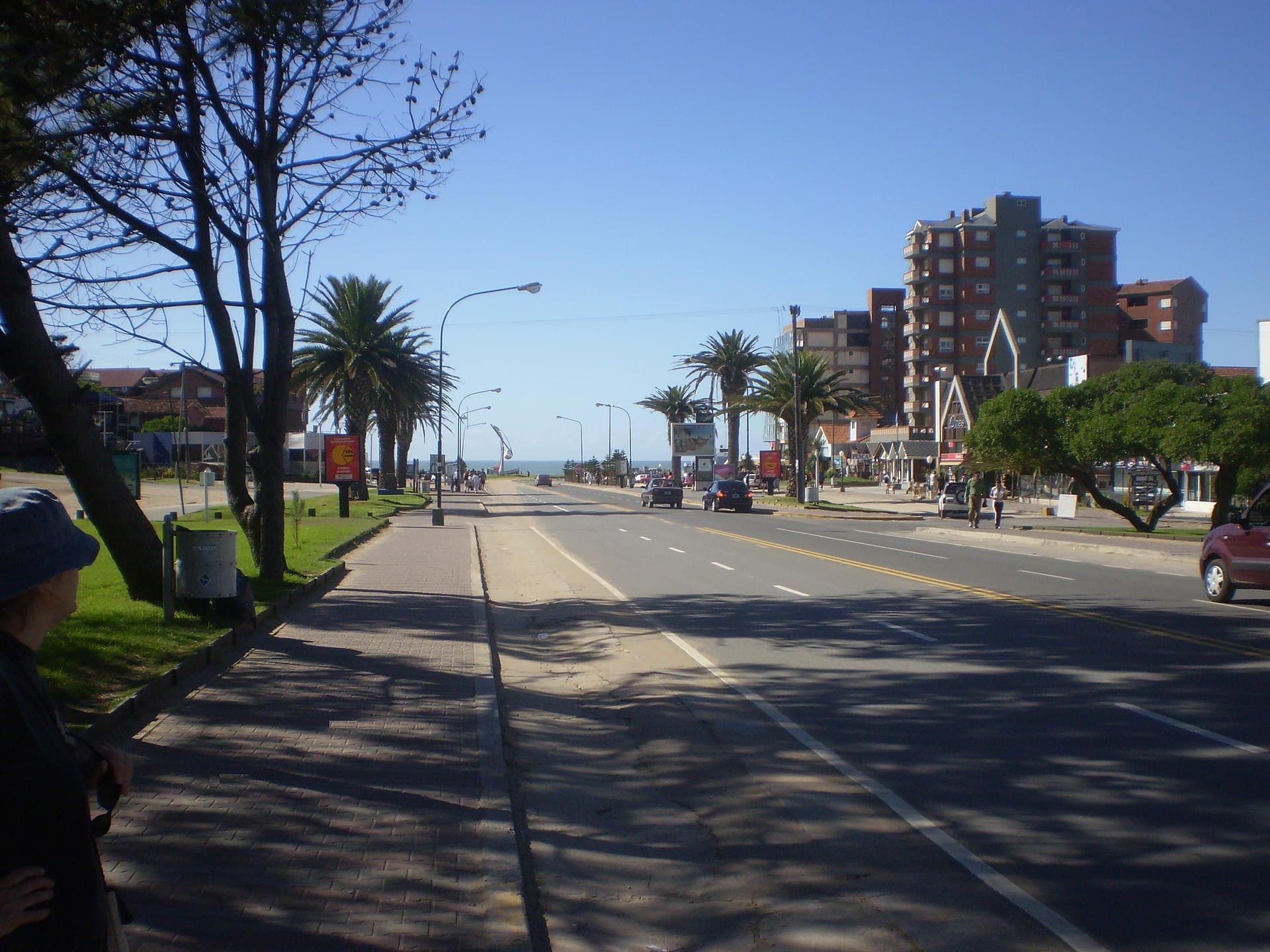 Claudio Elias / Public domain, via Wikimedia Commons
Visite audio autoguidée de Pinamar — parcours GPS à pied, lecture hors ligne, narration en 32 langues.
“Là où l'Atlantique rencontre une forêt de pins méticuleusement aménagée.”
Pas les cartes postales. Les histoires que même les habitants ignorent — soufflées à l'oreille, là où elles se sont passées.
L'un des plus anciens bâtiments de Pinamar recèle un lien surprenant avec une légende littéraire.
Contrairement à la plupart des villes argentines, les rues de Pinamar ne suivent pas un quadrillage typique.
Le nom de la ville n'est pas seulement joli ; il révèle ses fondements mêmes.
Découvrez tous les secrets de Pinamar
Chaque adresse, chaque révélation en entier — dans ton oreille, là où elle s'est passée.
Tu choisis tes lieux. Tu marches. La voix te révèle ce que les autres ignorent.


Votre visite audioguidée de Pinamar vous attend — choisissez vos lieux, votre langue, et lancez-vous dès votre arrivée.
AcheterLume intègre un guide en réalité augmentée. Levez votre téléphone : sa caméra montre la rue devant vous, avec une flèche lumineuse posée sur l'image réelle qui pointe toujours vers votre prochain arrêt — aucune carte à déchiffrer, aucun mauvais virage. Comme tout dans Lume, ça fonctionne entièrement hors-ligne.
Pinamar, une ville balnéaire de la province de Buenos Aires en Argentine, offre un mélange unique de nature aménagée et de loisirs haut de gamme. Située à environ 340-400 kilomètres (210-250 miles) au sud de Buenos Aires, elle attire les visiteurs avec ses larges plages de sable et un paysage distinctif où des bosquets de pins denses rencontrent l'océan Atlantique. Conçue à l'origine comme une 'ville-jardin', Pinamar se distingue des autres villes balnéaires argentines par sa planification méticuleuse et ses codes de construction stricts, qui ont favorisé un équilibre harmonieux entre le développement urbain et l'environnement naturel.
Avec une population d'environ 45 000 habitants, Pinamar conserve une atmosphère agréable de petite ville tout en prospérant comme une station balnéaire populaire, en particulier pendant l'été. Elle est souvent appelée la 'ville des jeunes' pour son ambiance énergique et une gamme d'activités qui répondent à la fois à la détente et à l'aventure. Des promenades tranquilles le long des rues ombragées aux sports nautiques, Pinamar offre une expérience côtière argentine mémorable.
La région qui est aujourd'hui Pinamar était autrefois un désert de dunes de sable mouvantes au 19e siècle, faisant partie d'une grande propriété connue sous le nom de 'Los Montes Grandes de Juancho'. La première étape vers le développement est venue en 1907 avec l'ouverture de la gare de Juancho par le chemin de fer Buenos Aires Great Southern, qui a commencé à attirer des visiteurs dans la région.
La véritable transformation de Pinamar a commencé à la fin des années 1930, menée par l'architecte visionnaire Jorge Bunge et la propriétaire foncière Valeria Guerrero. Bunge a imaginé une 'ville-jardin' et a lancé un ambitieux projet de reboisement pour stabiliser les dunes. Des millions de conifères, d'acacias et d'eucalyptus ont été plantés, créant la forêt de pins qui donne son nom à la ville.
Pinamar a officiellement ouvert ses portes en tant que station thermale et balnéaire le 14 février 1943, avec la création de 'Pinamar S.A.' et l'inauguration du 'Playas Hotel', d'une centrale électrique et d'un petit centre commercial. Un plan directeur pour la ville, approuvé en 1944, a défini son design urbain unique avec des routes incurvées qui suivent les contours naturels des dunes, un contraste frappant avec les quadrillages courants trouvés dans d'autres villes argentines. Le développement de la ville s'est poursuivi avec le pavage des rues principales, l'installation de l'électricité et de l'eau courante, et la vente des premiers lots de terrain en 1945. La gare de Pinamar a encore amélioré l'accessibilité en 1949, reliant directement la station à Buenos Aires.
Depuis sa création, Pinamar a été conçue comme une station balnéaire haut de gamme, mettant l'accent sur des vacances en famille de haute qualité et une relation harmonieuse avec la nature. Des codes d'urbanisme stricts, toujours en vigueur aujourd'hui, ont empêché un développement chaotique, résultant en un style architectural distinctif de maisons et de villas confortables intégrées dans la forêt dense. En 1978, Pinamar est devenue un 'Partido' (municipalité) indépendant, intégrant les villes voisines d'Ostende, Valeria del Mar et Cariló.
Pinamar offre une gamme d'expériences, de son vaste littoral à ses zones forestières uniques. L'attraction principale est sans aucun doute la plage de Pinamar, une large étendue de sable doré idéale pour bronzer, nager et se promener le long de l'océan Atlantique. Pour ceux qui recherchent des activités plus actives, la plage offre des opportunités de sports nautiques comme le surf et le kitesurf.
Au-delà de la plage principale, explorez les rivages plus sauvages et les hautes dunes de La Frontera, parfaites pour le sandboard, les balades en VTT ou les excursions à cheval. Une visite à la jetée de Pinamar offre des vues panoramiques sur le littoral et est un endroit populaire pour la pêche. Pour un aperçu du passé de la ville, le Vieil Hôtel Ostende, datant de 1913, est un point de repère avec de nombreuses histoires.
Les forêts de pins artificielles de la ville sont parfaites pour des promenades tranquilles, des balades à vélo ou simplement pour profiter de températures plus fraîches par une journée chaude. Les villes voisines comme Cariló, connue pour ses boutiques et ses restaurants gastronomiques au milieu d'une forêt tranquille, et Valeria del Mar, une zone plus calme et familiale, offrent d'agréables excursions. Pour les amateurs de golf, Pinamar propose également des parcours de golf de classe mondiale.
Le meilleur moment pour visiter Pinamar pour les activités par temps chaud est pendant les mois d'été, de décembre à mars. Pendant cette période, les températures maximales moyennes quotidiennes varient de 22°C à 26°C (72°F à 79°F), idéales pour les activités de plage. Bien que l'été soit la saison la plus animée, apportant de nombreux événements et festivals, il coïncide également avec la saison des pluies, en particulier en novembre, janvier et mars. Pour une expérience plus calme avec un temps doux, le printemps (octobre-novembre) et l'automne (avril-mai) sont également de bonnes options. Les hivers (juin-août) sont plus frais et plus calmes, avec des maximums quotidiens moyens d'environ 13°C (56°F).
Pinamar est située à environ 340-400 kilomètres (210-250 miles) au sud-est de Buenos Aires. Le trajet en voiture prend généralement environ 4-5 heures. Les bus et les trains offrent également des options de transport confortables et abordables depuis Buenos Aires, avec une connexion ferroviaire à la gare de Divisadero de Pinamar et un bus de correspondance vers la ville. Bien que certains endroits puissent accepter les dollars américains, il est conseillé d'avoir des pesos argentins pour la plupart des transactions ; des distributeurs automatiques de billets sont disponibles et les cartes de crédit sont largement acceptées.
Les options d'hébergement à Pinamar vont des complexes hôteliers et hôtels de luxe aux auberges de jeunesse économiques et aux locations de vacances. Il est recommandé de réserver à l'avance, surtout pendant la haute saison estivale. À Pinamar, comme dans le reste de l'Argentine, il est d'usage de saluer les gens avec un baiser sur la joue, et un pourboire d'environ 10 % dans les restaurants est apprécié.
Pinamar en coréen, en chinois ou en hébreu — et dans 29 autres langues, chaque étape narrée par une voix native. La plus large gamme de langues de tous les audioguides autoguidés.
Disponible en :